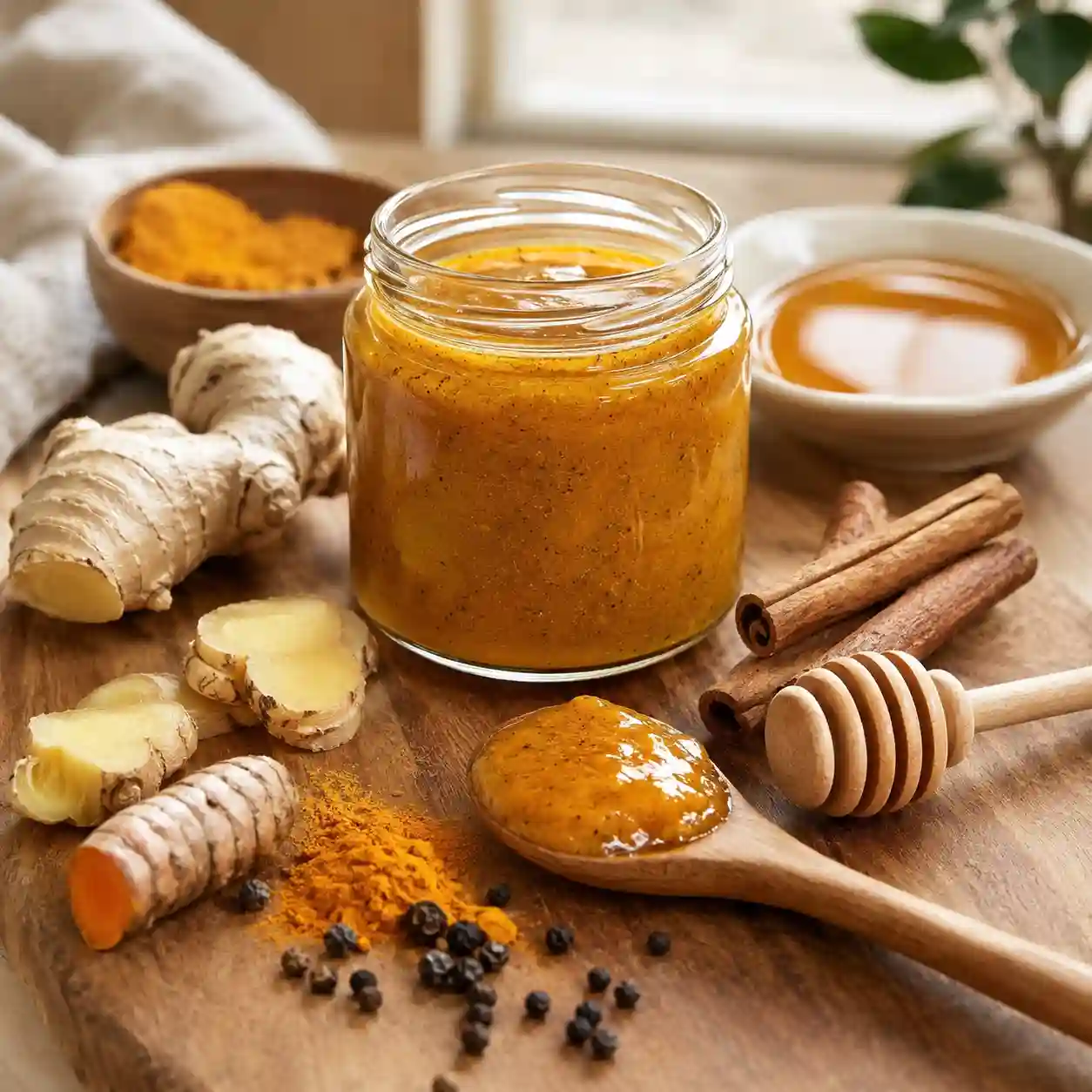
Sanjay Gupta chai tea recipe.
That’s literally what I typed the first time. No big expectation. Just curiosity.
And if you’re here, I’m guessing your thought process isn’t that different.
Maybe you’re thinking:
“Is this just another healthy drink trend?”
“Or is this actually something worth trying?”
I had the same questions.
So I tried it. Not perfectly. I rushed it, didn’t measure everything right, almost skipped the black pepper. Actually… I think I did skip it the first time.
And nothing happened.
Which, honestly, was frustrating.
Because like most people looking for a healthy chai tea recipe or wondering how to make chai tea at home, I wanted something simple but effective. Not something that only works if you follow 15 precise steps like a lab experiment.
But then I tried again.
Slowed down a bit. Followed the logic behind the homemade chai tea recipe, not just the ingredients.
And that’s when it changed.
Not in a dramatic way. No instant transformation. But enough to notice:
- a more stable kind of energy
- less of that heavy feeling after drinking something warm
- and weirdly… better focus
Or maybe “clearer” is the right word.
Wait, so what makes this chai different?
That’s where things get interesting.
Because at first glance, this just looks like another spiced chai tea recipe. Milk, tea, spices… nothing new.
But when you look closer, this version is built differently.
It’s closer to:
- a turmeric chai tea with anti inflammatory focus
- a ginger chai tea that supports digestion
- and a natural chai tea wellness drink that fits into a real healthy lifestyle
Not just something you drink for comfort, even though it is a very cozy drink.
And that balance is rare.
Most recipes either focus on taste or on health.
This one tries to do both. And surprisingly… it doesn’t feel forced.
The Sanjay Gupta chai tea recipe is not just another healthy drink, it’s a simple daily ritual that supports digestion, energy, and overall wellness without overcomplicating your routine
Let’s be real for a second
If you’re here looking for:
- how to make chai tea at home without overcomplicating it
- a best chai tea recipe for beginners
- or just a warm comforting drink that supports digestion and immune support
You’re in the right place.
If you’re expecting something magical…
I don’t think that’s how this works.
But if you’re open to a small daily habit that feels relaxing, simple, and maybe even a bit grounding, then yeah… this might be worth your time.
And in the next section, we’ll break down exactly what makes this healthy chai tea recipe different, and how to make this Sanjay Gupta chai tea recipe step by step.
Table of Contents
Table of Contents
What Makes This Sanjay Gupta Chai Tea Recipe Different from Other Chai Recipes
Traditional chai vs functional chai: what really changes
If you’ve ever tried an indian chai tea recipe, you already know the feeling. It’s warm, comforting, familiar. Something you drink without thinking too much about it.
But here’s the thing.
Traditional chai was never designed to be “optimized.” It was built on habit, taste, and culture. You add spices because that’s how it’s always been done. You simmer longer because it feels right. No one is measuring bioavailability or thinking about digestion support in a structured way.
And honestly, that’s part of its beauty.
But the Sanjay Gupta chai tea recipe shifts that logic slightly. Not in a radical way, just enough to change the intention behind it.
Instead of asking only “does this taste good,” it also asks:
does this combination actually do something useful for the body?
That small shift is what turns a simple homemade chai tea recipe into something closer to a natural wellness drink.
Ingredient synergy: why this chai tea recipe with spices works better
This is where things get interesting.
Because most people assume all healthy chai tea recipes are basically the same. Turmeric, ginger, cinnamon… mix them together and you’re good.
But that’s not really how it works.
Take turmeric chai tea for example. Everyone knows turmeric is anti inflammatory. But without black pepper, your body absorbs almost none of it. So you end up drinking something that sounds healthy but does very little.
Same with fat.
Whether it’s milk chai tea, coconut oil, or ghee, that fat isn’t just for texture. It helps your body process and absorb the active compounds in the spices. Without it, the drink loses a big part of its effectiveness.
Then you have ginger chai tea and cinnamon chai tea working together.
Ginger supports digestion. Cinnamon helps regulate blood sugar. Individually, they’re useful. Together, they create a more stable effect on energy and digestion support throughout the day.
And this is the part most recipes skip.
They give you ingredients, not logic.
Balance between comfort and function
Here’s where a lot of recipes fail.
Some go all-in on flavor. You get a rich, sweet, cozy drink, but it’s basically a dessert. Others go full “anti inflammatory drink” mode and end up with something that feels medicinal and hard to enjoy.
This recipe tries to stay in between.
It keeps the identity of a spiced chai tea recipe, something you’d actually want to drink regularly, while quietly supporting immune support, digestion, and overall balance.
And maybe that’s why it works long term.
Because it doesn’t feel like effort.
It feels like something you naturally come back to, especially when you’re looking for a warm comforting drink that fits into a real healthy lifestyle.
Ingredients for This Healthy Chai Tea Recipe (Anti Inflammatory Blend)
The core ingredients behind the Sanjay Gupta chai tea recipe
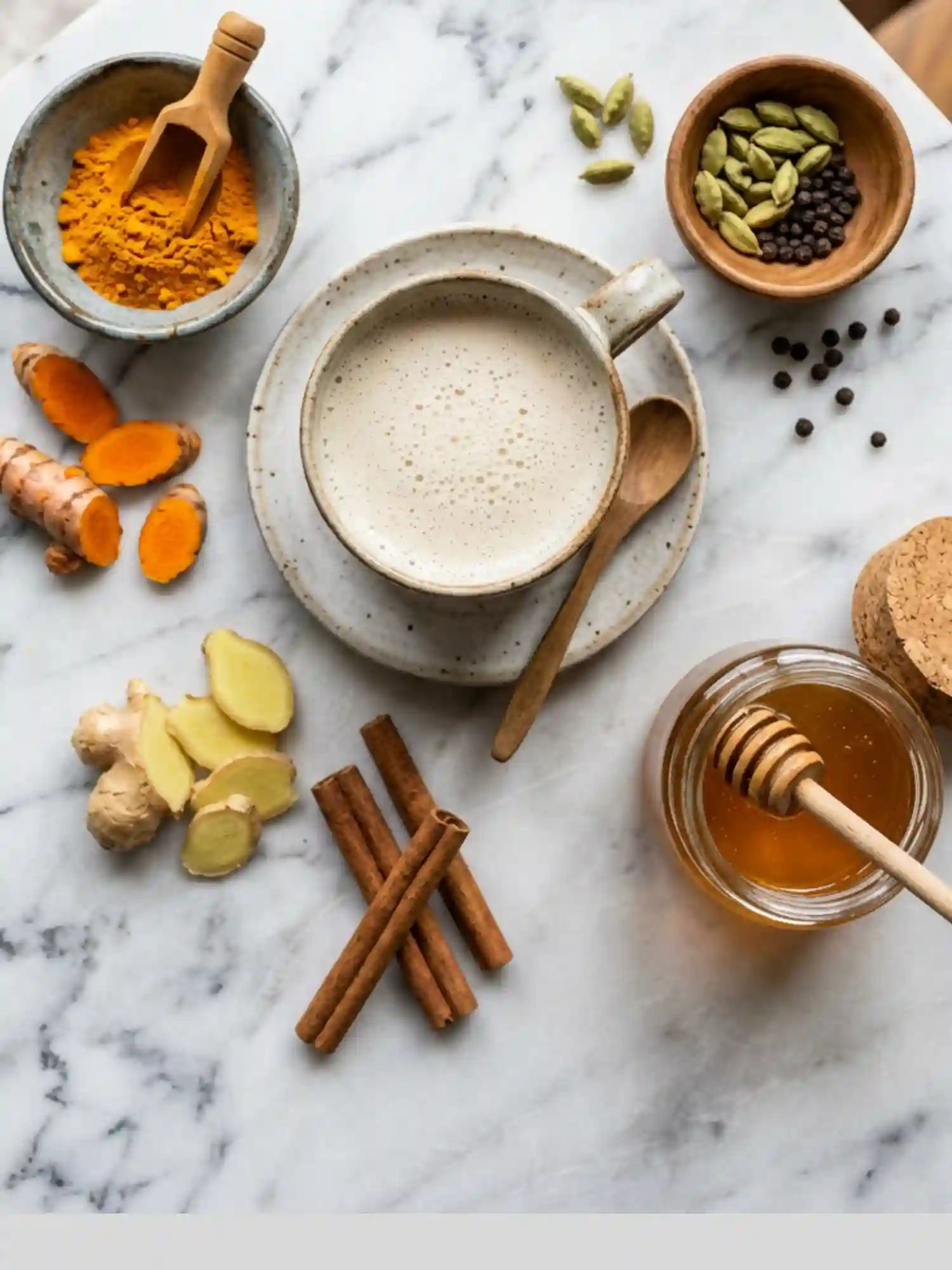
At first, a chai tea recipe with spices looks simple. You see a list of ingredients and think, okay, I’ve seen this before.
Turmeric, ginger, cinnamon… maybe some cardamom.
But the truth is, not all combinations create the same result.
What makes the Sanjay Gupta chai tea recipe different isn’t just what you add. It’s why each ingredient is there and how they interact together.
Here are the essentials:
- turmeric
- ginger
- cinnamon
- black pepper
- milk (or plant-based alternative)
- optional honey
That’s your base.
Simple, but very intentional.
Turmeric is what turns this into an anti inflammatory chai tea recipe. Ginger supports digestion. Cinnamon helps stabilize energy. And black pepper quietly makes everything more effective.
Remove one, and the balance shifts.
Why this healthy chai tea recipe works at a deeper level
Let’s slow this down for a second, because this is where most people underestimate the recipe.
Turmeric chai tea sounds impressive, but without black pepper, it’s mostly symbolic. Your body absorbs very little of it. That small pinch of pepper is doing more work than it looks.
Ginger chai tea brings warmth, but more importantly, it supports digestion support. If you’ve ever had a heavy feeling after a drink, ginger is usually what prevents that.
Cinnamon chai tea adds a subtle sweetness, but it also helps regulate blood sugar. That’s why this drink feels stable, not spiky like coffee.
Then you have the milk.
Milk chai tea, whether dairy or plant-based, acts as a carrier. It helps dissolve and distribute the active compounds in the spices. Without it, the drink feels thinner and less effective.
And this is exactly why the Sanjay Gupta chai tea recipe feels different from a typical homemade chai tea recipe. It’s not random. It’s structured in a way that supports both flavor and function.
Optional additions to personalize your chai
Once you’re comfortable with the basics, you can adjust.
Some people add:
- cardamom chai recipe variations for aroma
- cloves chai tea for deeper spice
- black tea chai for a slight energy boost
These don’t change the foundation, but they shift the experience.
More traditional. More energizing. More aromatic.
And this is where the recipe becomes yours.
Because at the end of the day, the best chai tea recipe isn’t the most complex one.
It’s the one you actually want to make again tomorrow.
How to Make Chai Tea at Home (Easy Sanjay Gupta Chai Tea Recipe)
The simple method behind the Sanjay Gupta chai tea recipe
If you’re wondering how to make chai tea at home without turning it into something complicated, this is where things get easier than expected.
Because despite everything we said earlier about optimization and ingredient synergy, the Sanjay Gupta chai tea recipe is still… simple.
No special equipment. No rare ingredients. No complicated steps.
Just a sequence that actually makes sense.
You start by gently heating your base. Usually milk chai tea works best, whether it’s almond milk, coconut milk, or regular milk. Water alone doesn’t carry the spices the same way, so this step matters more than people think.
Then come the spices.
Turmeric, ginger, cinnamon, and a small but critical addition: black pepper. This is where many homemade chai tea recipe attempts fail. They either skip ingredients or throw everything in randomly.
Here, the order matters less than the balance.
You let the mixture warm slowly. Not boil. That’s important. Too much heat and you lose part of what makes this an anti inflammatory chai tea recipe in the first place.
And then you wait.
Not long. Five to seven minutes is enough. But long enough for the flavors and compounds to actually blend into a proper spiced tea blend.
Step by step homemade masala chai recipe easy version

Let’s simplify it even more.
If you’re looking for a best chai tea recipe for beginners, this is the version you’ll actually stick to:
- Pour 1 cup of milk into a saucepan
- Add turmeric, ginger, cinnamon, and a pinch of black pepper
- Heat on medium-low until it starts to gently simmer
- Let it sit for 5 to 7 minutes without boiling
- Add honey at the end if you want a honey chai tea version
- Optional: add black tea for a true black tea chai
That’s it.
No overthinking.
This is what makes the Sanjay Gupta chai tea recipe practical. You don’t need to be precise to the gram. You just need to respect the basics.
The 2-minute lazy version (when you don’t feel like doing all this)
Let’s be honest.
Some days, even five minutes feels like too much.
So here’s a shortcut version of the Sanjay Gupta chai tea recipe that still works reasonably well:
- Heat milk in a cup
- Add a pre-mixed spice blend or just turmeric + ginger + pepper
- Stir and let it sit for 2 minutes
Is it perfect? No.
Is it better than skipping it completely? Probably yes.
And that’s kind of the point.
This isn’t about perfection. It’s about consistency. A simple, repeatable way to turn a basic drink into something that supports digestion, feels warm and calming, and fits into a real daily routine.


Sanjay Gupta Chai Tea Recipe
Ingredients
Method
- Pour the milk into a small saucepan
- Add turmeric, ginger, cinnamon, and black pepper
- Heat on medium-low until it gently simmers
- Let it simmer for 5 to 7 minutes without boiling
- Add black tea if you want a classic chai version
- Remove from heat and let it cool slightly
- Add honey at the end and stir well
- Serve warm and enjoy
Notes
| Nutrient | Amount (Approx.) |
| Calories | 80–90 kcal |
| Protein | 1–2 g |
| Fat | 4–5 g |
| Carbohydrates | 8–10 g |
| Sugar | 4–6 g |
| Fiber | 1 g |
- Do not skip black pepper, it helps turmeric absorption
- Avoid boiling to preserve nutrients
- Add honey after heating to maintain its properties
- Adjust spices based on your taste
Step by Step Homemade Masala Chai Recipe (Beginner Friendly)
How to make the Sanjay Gupta chai tea recipe step by step
This is usually where things get either too complicated… or too vague.
So let’s keep it real.
If you’re learning how to make chai tea from scratch, you don’t need perfection. You need a method that works consistently without overthinking every detail.
The Sanjay Gupta chai tea recipe follows a simple logic. Not rushed, not overly precise. Just structured enough to get the benefits without turning it into a chore.
Here’s how to do it:
- Start with your base
Pour 1 cup of milk into a small saucepan. This can be almond milk, coconut milk, or regular milk depending on your preference. - Add the spices
Add turmeric, ginger, cinnamon, and a pinch of black pepper directly into the milk. No need to overmeasure. Just stay balanced. - Heat slowly
Place the saucepan on medium-low heat. This part matters more than people think. You’re not trying to boil it. You’re letting it gently activate into a proper spiced tea blend. - Let it simmer
Once it starts to lightly simmer, keep it there for about 5 to 7 minutes. This is where the flavors combine and the drink becomes a true anti inflammatory chai tea recipe. - Optional tea addition
If you want a black tea chai version, add your tea bag during the simmer. This gives you a slightly more energizing drink. - Finish and adjust
Remove from heat. Let it cool slightly, then add honey if you want a honey chai tea touch. Stir and it’s ready.
That’s it.
No complicated technique. Just a sequence that respects how the ingredients work together.

Common mistakes beginners make (and how to avoid them)
Now, this part is important.
Because most people don’t fail at making chai… they just miss small details that change everything.
Here are the most common ones:
- Boiling instead of simmering
Too much heat breaks down the beneficial compounds and makes the drink harsher. - Skipping black pepper
This turns your turmeric chai tea into something far less effective. - Using only water
Without a fat base, the drink loses depth and function. - Adding honey too early
Heat destroys part of its properties, so always add it at the end. - Overloading spices
More is not better. Balance is what makes this a healthy chai tea recipe.
And honestly, this is where people give up.
They try once, it tastes off, or feels too strong, and they move on.
But once you adjust these small things, the Sanjay Gupta chai tea recipe becomes easy to repeat. And that’s what really matters.
Because the goal isn’t to make it perfectly once.
It’s to make it naturally, without thinking, as part of your routine.
Why This Anti Inflammatory Chai Tea Recipe Supports Brain Health
The link between this chai tea recipe and brain function
At first, it might sound like a stretch.
A warm drink… helping your brain?
It’s easy to be skeptical. Most of us associate brain health with complex things. Supplements, long routines, strict diets. Not something as simple as a homemade chai tea recipe.
But when you look at how this works, it becomes more logical.
The Sanjay Gupta chai tea recipe isn’t built around one powerful ingredient. It’s built around a combination that targets inflammation, and that matters more than people realize.
Because a lot of cognitive fatigue, brain fog, and even long-term decline are linked, at least partially, to chronic low-grade inflammation.
Not dramatic. Not visible. But constant.
And this is where this drink fits in.
It doesn’t “boost your brain” in an instant way. It supports the conditions your brain needs to function properly over time.
Which is a very different approach.
How turmeric chai tea and spices work together
Let’s break it down simply.
Turmeric chai tea is at the center of this recipe. It’s known for its anti inflammatory properties. But again, on its own, it’s limited.
That’s why the Sanjay Gupta chai tea recipe always includes black pepper. It changes how your body absorbs turmeric. Without it, most of the benefit is lost.
Then comes ginger chai tea.
Ginger helps reduce inflammation too, but it also supports digestion. And this matters more than it seems. Because your gut and brain are constantly connected. If digestion is off, energy and focus often follow.
Cinnamon chai tea adds another layer.
It helps regulate blood sugar. Which means fewer energy crashes, fewer moments where your brain feels slow or unfocused. Not a spike, not a crash. Just something more stable.
Put all of this together, and you don’t get a miracle.
You get consistency.
And that’s the part people often overlook.
Why consistency matters more than intensity
Here’s something that might sound counterintuitive.
Drinking this once won’t change much.
Even drinking it a few times probably won’t feel dramatic.
But over time, something shifts.
When you regularly use a healthy chai tea recipe like this, you’re not chasing quick results. You’re building a baseline where your body feels more stable.
Less inflammation. Better digestion. More balanced energy.
And from there, your brain simply performs better.
Not because you forced it.
But because you removed some of the friction.
That’s why the Sanjay Gupta chai tea recipe works best as a daily habit, not a one-time fix.
And honestly, that’s what makes it realistic.
Health Benefits of Chai Tea: Digestion, Immunity, and Energy
Can chai tea help digestion and daily comfort
Let’s start with something simple.
If you’ve ever had a warm drink and felt your body relax almost instantly, you already understand part of what’s happening here.
A well-made healthy chai tea recipe doesn’t just taste good. It interacts with your digestion in a very direct way.
Ginger chai tea plays a big role here. It helps stimulate digestion and reduces that heavy feeling after eating. Not in an aggressive way. More like your system just works more smoothly.
Cinnamon adds another layer.
It helps regulate how your body handles sugar, which indirectly affects how steady you feel after meals. Less ups and downs. More balance.
And when you combine that with a warm liquid, you get something that supports digestion support without needing anything complicated.
This is also why many people who try the Sanjay Gupta chai tea recipe end up using it regularly. Not because they planned to, but because it naturally fits into their routine.
Is chai tea healthy for immune support
Now, this is where things can sound exaggerated, so let’s keep it real.
A chai tea for immune support is not a miracle solution.
But it does support your system in a consistent way.
Turmeric chai tea brings anti inflammatory properties. Ginger adds another layer of support. Cinnamon and cloves contribute antioxidant effects.
And this is exactly how the Sanjay Gupta chai tea recipe works. Not by doing one big thing, but by combining small effects that build over time.
Individually, none of these ingredients are dramatic.
Together, they create a natural chai tea wellness drink that supports your body’s balance.
Energy without the crash: chai vs coffee feeling
This is probably one of the most noticeable differences.
Coffee gives you a fast effect. You feel it quickly. But it often comes with a drop later.
Chai works differently.
A black tea chai version contains less caffeine, but combined with spices and a warm base, it creates a more stable kind of energy.
Not intense. Not overwhelming.
Just… steady.
And depending on how you prepare it, the Sanjay Gupta chai tea recipe can be energizing or calming.
Morning with tea. Evening without.
That flexibility is part of why it becomes a long-term habit for many people.
Best Time to Drink Chai Tea and When to Avoid It
When to drink the Sanjay Gupta chai tea recipe for maximum benefits
Timing is one of those details people usually ignore.
You make a drink, you enjoy it, and that’s it.
But with something like the Sanjay Gupta chai tea recipe, timing can actually change how it feels and how useful it becomes.
In the morning, this is where it works best for most people.
Your body is starting fresh. Digestion is waking up. Energy is still building. A warm, spiced drink at that moment feels natural, not forced.
If you add black tea, it becomes a softer alternative to coffee. You still get a bit of stimulation, but without that sharp spike. More stable, more gradual.
Mid-afternoon is another interesting window.
This is usually when energy drops. Not dramatically, just enough to feel it. Instead of reaching for sugar or another coffee, a healthy chai tea recipe can smooth that dip.
Especially because cinnamon and ginger support digestion and energy balance at the same time.
Then there’s the evening.
Here, it depends on how you prepare it.
Without black tea, this becomes more of a calming beverage. Warm, relaxing, something that signals your body to slow down.
With black tea, it might be too stimulating for some people.
So the same recipe adapts depending on timing, which makes it easier to integrate into a real daily routine.
When not to drink chai tea (important but often ignored)
This part is rarely mentioned, but it matters.
The Sanjay Gupta chai tea recipe is generally safe and beneficial, but there are moments where it might not be ideal.
Right after a very heavy meal, for example.
Your digestion is already working hard. Adding a rich milk chai tea immediately can sometimes feel like too much. In that case, waiting a bit makes a difference.
Another situation is late at night with black tea.
Even though chai has less caffeine than coffee, it can still affect sleep if you’re sensitive. This is why many people switch to a caffeine-free version in the evening.
And then there’s quantity.
More is not better.
Drinking multiple cups of a strong anti inflammatory chai tea recipe throughout the day might feel like a good idea, but it can become overwhelming for digestion, especially with strong spices.
One or two cups is usually enough.
Finding your own rhythm with chai
This is where things become personal.
Some people prefer it in the morning as part of a healthy lifestyle routine. Others use it as a cozy drink in the afternoon. Some switch between versions depending on the day.
There’s no perfect rule.
What matters is how it fits into your rhythm.
Because the Sanjay Gupta chai tea recipe isn’t about strict timing.
It’s about becoming something you reach for naturally, whether you need energy, comfort, or just a moment to slow down.
Chai Tea Variations: Turmeric, Ginger, Cinnamon and More
How to adapt the Sanjay Gupta chai tea recipe to your needs
Once you understand the base, something interesting happens.
You stop following the recipe exactly.
Not because it’s wrong, but because you start adjusting it without even thinking. Depending on your mood, your energy, or even the time of day.
That’s one of the strengths of the Sanjay Gupta chai tea recipe. It’s flexible.
Some days you want something stronger. Other days something softer. And instead of changing everything, you just shift a few ingredients.
That’s how this goes from a fixed recipe to something that fits your lifestyle.
Turmeric chai tea for anti inflammatory focus
If your goal is to lean more into the anti inflammatory side, turmeric becomes the center.
A turmeric chai tea version simply increases the amount of turmeric slightly while keeping black pepper present. That balance is important.
This version feels a bit more intense. More earthy. Less “comfort drink” and more functional.
It works well in the morning, especially if you’re trying to build a consistent anti inflammatory routine.
But let’s be honest, not everyone loves the taste at first.
And that’s okay.
Ginger and cinnamon chai tea for digestion and balance
Now, if you prefer something smoother, this is usually the direction people go.
A ginger chai tea brings warmth and makes the drink easier to digest. It’s often the version people stick with long term because it feels lighter.
Cinnamon chai tea adds a subtle sweetness without needing much honey. It also helps keep energy more stable, especially in the afternoon.
Together, they create something that feels balanced.
Not too strong. Not too light.
Just easy to drink.
Black tea chai vs caffeine free version
This is where your choice really depends on timing.
If you add black tea chai, you get a mild energy boost. Not as strong as coffee, but noticeable enough to help with focus.
That’s why many people use this version in the morning.
Without black tea, the Sanjay Gupta chai tea recipe becomes something else entirely.
A calming beverage.
More suitable for the evening, or for moments when you want something warm without stimulation.
And this is where the recipe becomes practical.
You’re not stuck with one version. You adjust based on what you need.
Small additions that change everything
Once you get comfortable, you can experiment.
Some people add:
- cardamom chai recipe variations for aroma
- cloves chai tea for a deeper, spiced profile
- honey chai tea for a softer, sweeter finish
None of these are required.
But they help you personalize the drink.
And that’s usually the turning point.
When it stops being “a recipe you follow” and becomes something you actually enjoy making.

Common Mistakes When Making Homemade Sanjay Gupta Chai Tea Recipe
Why most chai tea recipes don’t give the expected results
Let’s be honest for a second.
Most people try a homemade chai tea recipe once… and never make it again.
Not because they don’t like chai.
But because something feels off.
Too strong. Too bland. Too heavy. Or just not worth the effort.
And usually, it’s not the recipe that’s the problem.
It’s small details that seem insignificant but completely change the result.
The Sanjay Gupta chai tea recipe works well because it avoids these mistakes. But if you miss a few basics, even a good recipe can feel disappointing.
The most common beginner mistakes
Here’s where things usually go wrong:
- Using too much heat
Boiling the mixture instead of gently simmering it breaks down the balance. The spices become harsh, and the drink loses its smooth, warm profile. - Skipping black pepper
This is probably the biggest mistake. Without it, turmeric chai tea loses most of its effectiveness. It still looks healthy, but it doesn’t really function the same way. - Overloading spices
It’s tempting to add more, thinking it will make the drink stronger or healthier. But too much spice makes it harder to drink regularly. And if you don’t enjoy it, you won’t stick with it. - Using only water
A proper milk chai tea has more depth and better absorption. Without a fat base, the drink feels thin and less satisfying. - Adding honey too early
High heat reduces its benefits and changes the taste. It’s a small detail, but it makes a difference.
The mistake no one talks about
There’s one more thing that doesn’t get mentioned enough.
Expecting too much too fast.
A lot of people try a healthy chai tea recipe once and expect to feel something immediately. More energy. Better digestion. Something obvious.
And when that doesn’t happen, they stop.
But this isn’t that kind of drink.
The Sanjay Gupta chai tea recipe works through consistency, not intensity.
It’s something that becomes part of your routine. Something that supports your system quietly over time.
And ironically, that’s why many people miss its benefits.
Because they treat it like a one-time experiment instead of a habit.
Conclusion: Turning This Sanjay Gupta Chai Tea Recipe Into a Daily Habit
At this point, you probably see it differently.
Not just as a chai tea recipe. Not even just as a healthy drink.
More like something simple that fits into real life.
Because that’s really what the Sanjay Gupta chai tea recipe comes down to. Not complexity. Not perfection. Just a small habit that makes sense when you repeat it.
And maybe that’s the part people underestimate.
We’re used to looking for big changes. Something dramatic. Something that feels immediate.
But this isn’t that.
This is more subtle.
You make it in the morning, maybe without thinking too much. You drink it slowly. Some days you notice the warmth. Other days, the steady energy. Sometimes nothing at all.
And then after a while, you realize something has shifted.
Your routine feels calmer. Your digestion feels lighter. Your energy feels more stable.
Not perfect. Just… better.
And the interesting part is, it doesn’t feel like effort.
That’s why a lot of people stick with the Sanjay Gupta chai tea recipe longer than other healthy drinks. It doesn’t force you to change everything. It just integrates naturally.
So if you’re thinking about trying it, don’t overthink it.
Start simple.
Use the basic version. Adjust it over time. Maybe try the spiced chai tea recipe one day, a lighter version another day. See what fits.
Because in the end, the best healthy chai tea recipe isn’t the most optimized one.
It’s the one you actually keep making.
And if this becomes your go-to warm comforting drink, something you come back to without forcing it, then it’s already doing its job.
Chai vs Coffee: Which One Fits Better in a Healthy Lifestyle
Why many people replace coffee with chai
This is usually where people hesitate.
Because let’s be real, coffee is not just a drink. It’s a habit. A ritual. Sometimes even a dependency.
So when someone talks about replacing it with something like the Sanjay Gupta chai tea recipe, the reaction is often the same:
“Yeah… but will it actually work?”
And the honest answer is… it depends on what you expect.
Coffee gives you a quick effect. You feel it fast. More alert, more awake. But that effect often comes with a downside. Energy drops, sometimes jitters, sometimes that heavy crash a few hours later.
Chai works differently.
The Sanjay Gupta chai tea recipe doesn’t try to compete with coffee in intensity. It offers something else. A slower, more stable kind of energy.
Especially if you use a black tea chai version, you still get caffeine, but in a softer form.
Less spike. Less crash.
More balance.
Energy, focus, and how it actually feels
This is where the difference becomes noticeable.
With coffee:
- fast stimulation
- sharp focus
- but often unstable energy
With chai:
- gradual energy
- smoother focus
- more consistent feeling over time
And this is not just about caffeine.
The spices in a healthy chai tea recipe play a role too. Cinnamon helps stabilize energy. Ginger supports digestion, which indirectly affects how you feel after drinking it.
So instead of pushing your system, it supports it.
That’s a very different experience.
When chai is a better choice (and when it’s not)
There are moments where chai clearly makes more sense.
Morning routines where you want calm focus instead of intensity. Afternoon moments where coffee would disrupt your sleep later. Even evenings, if you go for a caffeine-free version.
In these cases, the Sanjay Gupta chai tea recipe fits naturally.
But let’s be honest.
If you need a strong, immediate boost, chai won’t replace coffee completely. And that’s okay.
This isn’t about replacing everything overnight.
It’s about having an alternative that feels better in the long run.
A more sustainable habit
And maybe that’s the real difference.
Coffee is often about pushing through fatigue.
Chai is more about working with your natural rhythm.
A warm, calming beverage that supports your system instead of forcing it.
That’s why many people don’t quit coffee completely.
They just start reaching for chai more often.
And over time, without forcing it, the balance shifts.
Nutrition Information for This Healthy Sanjay Gupta Chai Tea Recipe
What you get in one serving of this chai tea
Before getting into numbers, just a quick note.
The nutritional values of the Sanjay Gupta chai tea recipe can vary depending on the type of milk you use, whether you add honey, or if you include black tea. But overall, this remains a light, balanced, and functional drink.
It’s not meant to be heavy or calorie-dense. It’s designed to support digestion, provide gentle energy, and fit into a healthy lifestyle without adding unnecessary calories.
Below is an estimated breakdown for one serving made with almond milk and a small amount of honey.
Estimated nutrition per serving
| Nutrient | Amount (Approx.) |
| Calories | 80–90 kcal |
| Protein | 1–2 g |
| Fat | 4–5 g |
| Saturated Fat | 2–3 g |
| Carbohydrates | 8–10 g |
| Sugar | 4–6 g |
| Fiber | 1 g |
| Sodium | 100–120 mg |
| Caffeine (optional) | 40–60 mg |
According to Harvard Health Publishing, spices like turmeric and ginger have anti-inflammatory properties that may support overall health and wellness.
How to adjust the nutrition based on your preferences
This is where things become flexible.
If you want a lighter version, you can remove honey and reduce the fat content by choosing a lighter milk. That turns it into a chai tea recipe without sugar and lowers calories slightly.
If you want something more filling, using coconut milk or adding a bit more fat will increase satiety and make it feel more like a полноценный warm comforting drink.
And if you include black tea, you add caffeine, which changes how the drink affects your energy levels.
So instead of one fixed profile, think of this as a base that adapts to your needs.
That’s part of what makes the Sanjay Gupta chai tea recipe easy to integrate into a daily routine without feeling restrictive.
Conclusion: Making the Sanjay Gupta Chai Tea Recipe Part of Your Routine
At this point, you probably see it differently.
Not just as another chai tea recipe. Not even just as a healthy drink.
More like something simple that fits into real life.
Because that’s really what the Sanjay Gupta chai tea recipe comes down to. Not complexity. Not perfection. Just a small habit that makes sense when you repeat it.
And maybe that’s the part people underestimate.
We’re used to looking for big changes. Something dramatic. Something that feels immediate.
But this isn’t that.
This healthy chai tea recipe works in a quieter way.
You make it in the morning, maybe without thinking too much. You drink it slowly. Some days you notice the warmth. Other days, the steady energy. Sometimes nothing at all.
And then, after a while, something shifts.
Your routine feels calmer. Your digestion feels lighter. Your energy feels more stable.
Not perfect. Just… better.
And the interesting part is, it doesn’t feel like effort.
That’s why many people stick with the Sanjay Gupta chai tea recipe longer than other wellness drinks. It doesn’t force you to change everything. It just integrates naturally into your day.
So if you’re thinking about trying it, don’t overthink it.
Start simple.
Adjust it over time. Try different versions. See what works for you.
Because in the end, the best chai tea recipe isn’t the most optimized one.
It’s the one you actually keep making.
By following the Sanjay Gupta chai tea recipe consistently, you create a natural habit that combines comfort, flavor, and long-term health benefits in one warm, relaxing drink.
More Healing & Herbal Drinks You’ll Love
- Jamu Recipe – A traditional anti-inflammatory drink packed with natural benefits.
- Clove Tea Recipe – Warm, spiced, and great for immunity support.
- Green Tea with Honey – Light, antioxidant-rich, and soothing.
- Starbucks Medicine Ball Recipe – A popular comforting drink for cold and wellness support.
FAQs About the Sanjay Gupta Chai Tea Recipe
1. What is the Sanjay Gupta chai tea recipe?
The Sanjay Gupta chai tea recipe is a healthy chai tea made with turmeric, ginger, cinnamon, black pepper, and milk. It is designed as an anti inflammatory chai tea recipe that supports brain health, digestion, and overall wellness. Unlike a traditional indian chai tea recipe, this version focuses more on how ingredients work together, not just flavor.
2. How to make chai tea at home easily?
To make chai tea at home, you only need a few ingredients and a simple process. Heat milk, add spices like turmeric, ginger, cinnamon, and black pepper, then let it simmer for a few minutes. This easy Sanjay Gupta chai tea recipe takes less than 10 minutes and doesn’t require any special tools.
3. Is chai tea healthy to drink daily?
Yes, a healthy chai tea recipe can be consumed daily if prepared correctly. When made with natural ingredients and without excess sugar, it becomes a natural wellness drink that supports digestion, energy balance, and immune support. The key is moderation and consistency.
4. Can chai tea help with digestion?
Yes, chai tea can help digestion, especially when it contains ginger and cinnamon. A healthy chai tea recipe for digestion works by stimulating digestive processes and reducing bloating. This is one reason many people include it in their daily routine.
5. When is the best time to drink chai tea?
The best time to drink chai tea depends on the version. A black tea chai is ideal in the morning or early afternoon for energy. A caffeine-free version works better in the evening as a calming beverage. The Sanjay Gupta chai tea recipe can be adapted to fit different moments of the day.
6. Can you drink chai tea without sugar?
Yes, you can easily make a chai tea recipe without sugar. Many people prefer using a small amount of honey or no sweetener at all. The spices themselves already bring natural flavor, especially in a spiced chai tea recipe.
7. What makes this chai tea recipe different from regular chai?
The main difference is intention. A regular homemade chai tea recipe focuses on taste, while the Sanjay Gupta chai tea recipe focuses on both taste and function. It combines ingredients in a way that supports anti inflammatory effects, digestion, and long-term wellness.
8. Is this chai better than coffee?
It depends on what you’re looking for. Coffee provides a quick energy boost, while chai offers a more stable and gradual effect. The Sanjay Gupta chai tea recipe is often preferred by people who want a warm comforting drink without the sharp energy crash.