Miyoko’s Butter Recipe Copycat is the perfect solution if you love the rich flavor and creamy texture of Miyoko’s famous plant-based butter but want to avoid paying premium grocery store prices.
Have you ever picked up a block of vegan butter, looked at the price, and thought, “There has to be a more affordable way to make this at home?” I certainly did. After testing several homemade vegan butter recipes over the years, I discovered that most were either too oily, too hard, or lacked the cultured flavor that makes European-style plant butter so special.
That experience led me to experiment with different combinations of refined coconut oil, neutral oils, plant milk, and cultured ingredients until I found a formula that came remarkably close to the original. The result was a smooth, rich, and flavorful butter that worked beautifully for spreading, cooking, and baking.
What makes this recipe stand out is its simplicity. It uses easy-to-find ingredients while delivering the tangy depth, creamy consistency, and performance you expect from a premium cultured vegan butter. You also gain complete control over what goes into your butter, with no palm oil, unnecessary preservatives, or artificial flavors.
Whether you’re looking for a quick version that comes together in minutes or a traditional cultured method with a deeper flavor profile, this guide will walk you through every step. By the end, you’ll know exactly how to make a homemade Miyoko Schinner style plant-based butter that tastes amazing and costs far less than store-bought alternatives.
Table of Contents
Table of Contents
What Is European-Style Cultured Plant Butter?
European-style cultured plant butter is very different from standard margarine or basic vegan spreads. While many plant-based products simply combine oils and water, a Miyoko’s Butter Recipe Copycat aims to recreate the rich flavor, creamy texture, and premium quality associated with traditional cultured butter. This style of vegan butter focuses on both taste and functionality, making it a favorite among home cooks and bakers.
How Cultured Vegan Butter Differs From Regular Margarine
Most margarines are produced by blending vegetable oils with water and stabilizers. Cultured vegan butter takes a different approach. A well-made Miyoko’s Butter Recipe Copycat uses fermentation or cultured ingredients to create a more complex flavor profile. This process produces a butter that feels richer on the palate and performs better in many recipes.
Regular margarine often prioritizes affordability and shelf life. Cultured plant butter focuses on taste, texture, and baking performance. That difference becomes noticeable from the very first bite.
The Secret Behind the Cultured Flavor
The signature tangy taste comes from culturing. In traditional methods, beneficial bacteria ferment plant-based ingredients such as cashew milk, creating subtle acidic notes that mimic the flavor found in premium dairy butter.
This is one of the main reasons a Miyoko’s Butter Recipe Copycat tastes far more sophisticated than many homemade vegan butter recipes. For those who prefer a quicker option, ingredients like apple cider vinegar or lemon juice can help create a similar flavor profile without a lengthy fermentation period.
The Science Behind the Creamy Texture
Texture depends on selecting the right combination of fats. REFINED coconut oil provides structure because it solidifies at cooler temperatures. Neutral oils such as avocado oil, sunflower oil, grapeseed oil, or canola oil help soften the finished product and improve spreadability.
Emulsifiers like sunflower lecithin play an equally important role by helping water and oil remain blended together. When these ingredients are balanced correctly, a Miyoko’s Butter Recipe Copycat delivers a smooth consistency that works beautifully for spreading, sautéing, and baking. The result is a rich, creamy butter alternative that closely resembles the experience of using a premium store-bought cultured vegan butter.
Why Make Your Own Plant-Based Butter?
Making your own vegan butter at home offers several advantages beyond saving money. While premium store-bought options are popular, many people prefer creating a Miyoko’s Butter Recipe Copycat because it gives them complete control over ingredients, flavor, and texture. It also allows you to create a product that matches your personal cooking and baking needs.
Massive Cost Savings
One of the biggest reasons people search for a Miyoko’s Butter Recipe Copycat is the cost of commercial vegan butter. A single block can often cost between $5 and $7, depending on location and availability. By making your own batch at home, you can produce a similar amount for a fraction of the price while using high-quality ingredients.
100% Palm Oil-Free and More Sustainable
Many commercial butter alternatives rely heavily on palm oil. Although convenient for manufacturers, palm oil production is frequently linked to environmental concerns. Preparing a Miyoko’s Butter Recipe Copycat at home allows you to choose exactly which oils go into your butter, making it easier to avoid ingredients you prefer not to consume.
Customize the Texture for Spreading or Baking
Not every recipe requires the same type of butter. Some situations call for a soft spread that glides easily across toast, while others require a firm butter stick capable of holding its shape in pie crusts and pastries. A Miyoko’s Butter Recipe Copycat gives you the flexibility to adjust oil ratios and emulsifiers to achieve the texture you want.
Complete Control Over Ingredients
Homemade vegan butter eliminates the guesswork that often comes with packaged foods. You decide the amount of salt, the type of oils, and whether to include cultured ingredients for added flavor. This level of control is especially valuable for people with dietary preferences, food sensitivities, or specific baking requirements. The result is a butter that fits your needs while delivering the rich taste and performance expected from a premium plant-based spread.
Cultured Method vs. Quick Curdled Hack: Which Is Right for You?
There is more than one way to make homemade vegan butter. Some people prefer a traditional cultured approach that develops deeper flavor over time, while others want a fast recipe they can prepare in minutes. A Miyoko’s Butter Recipe Copycat can be made using either method, depending on your schedule and desired flavor profile.
Traditional Cultured Method
The traditional cultured method focuses on fermentation. Raw cashews are blended with water and combined with vegan probiotic capsules to create a cultured base. After resting for 12 to 24 hours, the mixture develops the tangy notes commonly associated with premium European-style plant butter.
Many enthusiasts prefer this approach because it creates a Miyoko’s Butter Recipe Copycat with a richer flavor and a more authentic creamery-style character. Although the process requires patience, most of the time is hands-off while the cultures do their work.
10-Minute Quick Method
The quick method is designed for convenience. Instead of waiting for fermentation, ingredients such as apple cider vinegar or lemon juice are used to curdle plant milk instantly. This creates a buttermilk-like base that contributes a pleasant tangy flavor without requiring an overnight rest.
For busy home cooks, this version of a Miyoko’s Butter Recipe Copycat delivers excellent results while reducing preparation time dramatically. It remains a popular option for everyday cooking, spreading, and simple baking projects.
Side-by-Side Comparison Table
Both methods have strengths, and the best choice depends on your goals. If you enjoy experimenting with cultured foods and want maximum flavor depth, the traditional route is worth considering. If speed and simplicity matter most, the quick method is often the better solution.
Regardless of which path you choose, a Miyoko’s Butter Recipe Copycat can provide the creamy texture, rich taste, and versatility needed for everything from morning toast to homemade pastries. The key is selecting the method that best matches your available time and culinary preferences.
Crucial Ingredient Breakdown & Dietary Swaps
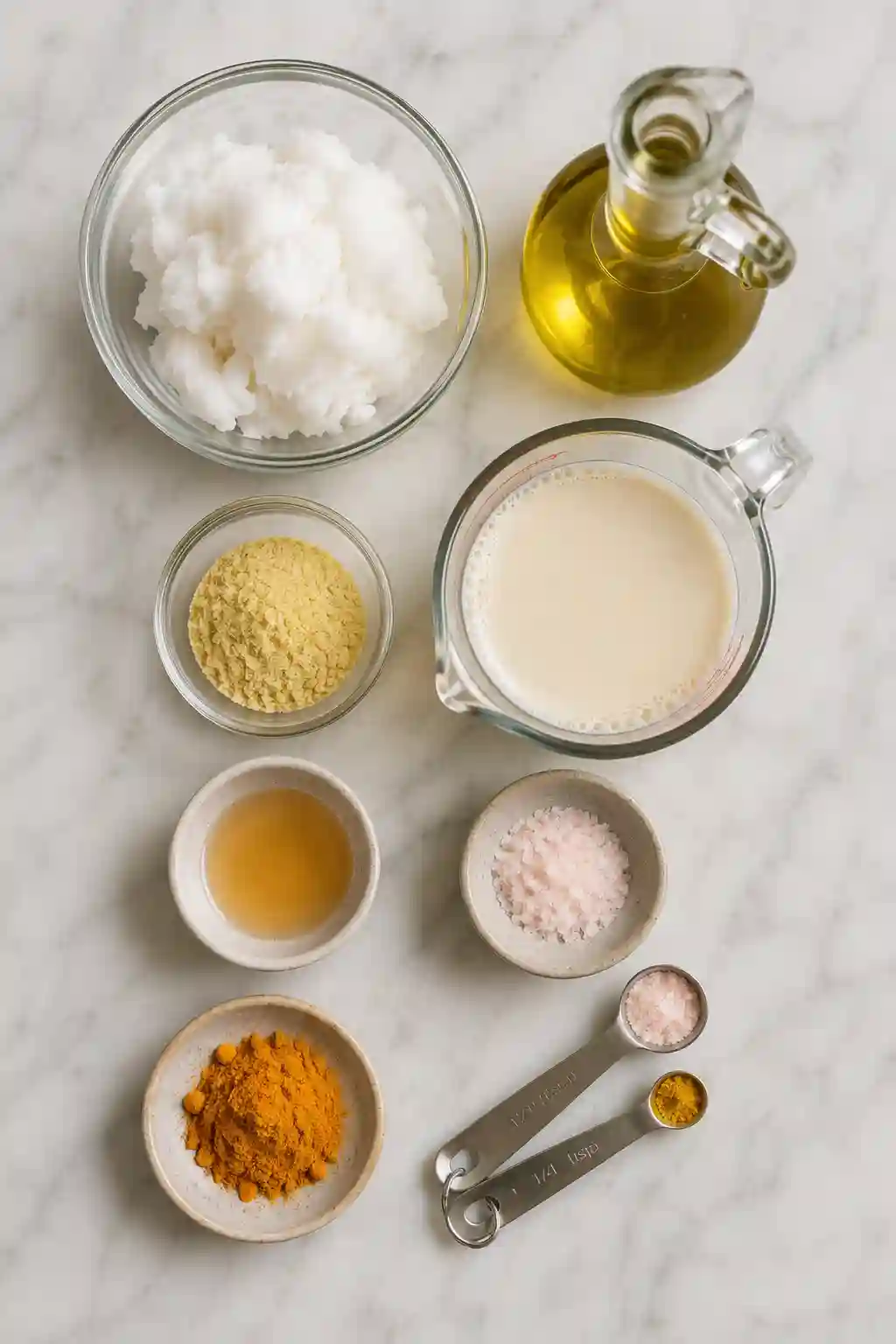
The quality of your ingredients has a direct impact on the flavor, texture, and performance of your finished butter. A successful Miyoko’s Butter Recipe Copycat depends on selecting the right fats, emulsifiers, and cultured components. Understanding the role of each ingredient makes it much easier to achieve consistent results every time.
REFINED Coconut Oil: The Most Important Ingredient
REFINED coconut oil serves as the structural foundation of vegan butter. Unlike unrefined coconut oil, it has a neutral flavor that will not overpower your recipes with a strong coconut taste.
This ingredient is essential because it solidifies when chilled, helping a Miyoko’s Butter Recipe Copycat maintain the firmness expected from traditional butter. Using unrefined coconut oil may produce a texture that works well, but the flavor can become distracting in savory dishes and baked goods.
Choosing the Best Neutral Liquid Oil
Liquid oil softens the finished butter and improves spreadability. Avocado oil, sunflower oil, grapeseed oil, and canola oil are all excellent choices because they have mild flavors that allow the cultured notes to remain the star of the recipe.
The balance between coconut oil and liquid oil determines whether your Miyoko’s Butter Recipe Copycat becomes a firm baking stick or a softer table spread. Small adjustments can make a significant difference in the final texture.
Why Lecithin Prevents Separation
Oil and water naturally resist mixing. Lecithin acts as an emulsifier, helping these ingredients remain blended into a smooth and stable mixture.
Sunflower lecithin is a popular option because it is widely available and works exceptionally well in vegan butter recipes. Without an emulsifier, a Miyoko’s Butter Recipe Copycat may separate into distinct layers during chilling, resulting in an inconsistent texture and appearance.
Probiotics vs. Apple Cider Vinegar
Both probiotics and apple cider vinegar contribute tanginess, but they achieve it in different ways. Probiotics introduce beneficial bacteria that ferment the mixture over time, while apple cider vinegar creates an immediate acidic flavor that mimics some characteristics of cultured butter.
Those seeking the deepest flavor often choose fermentation. Those looking for speed frequently prefer vinegar. Either option can help a Miyoko’s Butter Recipe Copycat develop the signature tang that makes cultured plant butter so appealing.
Important Biological Note for Live Cultures
When working with probiotic cultures, cleanliness is critical. Glass and ceramic containers are often preferred during fermentation because they provide a stable environment for beneficial bacteria.
Avoid exposing the cultured mixture to contamination during the fermentation period. Maintaining a clean workspace helps the cultures develop properly and supports a more reliable final flavor.
Nut-Free and Soy-Free Substitutions
Dietary restrictions do not mean you have to miss out on homemade vegan butter. Cashews can often be replaced with high-protein oat milk or pea milk in cultured recipes. For soy-free versions, choose sunflower lecithin instead of soy lecithin and select a suitable plant milk alternative.
These simple substitutions allow more people to enjoy a Miyoko’s Butter Recipe Copycat while adapting the recipe to their individual dietary needs and preferences.
Recipe Card: The Ultimate 10-Minute Quick Vegan Butter
If you want a fast and reliable homemade butter, this recipe delivers excellent results with minimal effort. This Miyoko’s Butter Recipe Copycat comes together quickly while producing a rich texture and balanced flavor suitable for spreading, cooking, and baking.
Equipment Needed
- High-speed blender or immersion blender
- Measuring cups and spoons
- Small mixing bowl
- Silicone butter mold or parchment-lined container
- Refrigerator and freezer
Ingredients
- 1 cup refined coconut oil, melted and cooled slightly
- 1/4 cup avocado oil or sunflower oil
- 1/2 cup plain unsweetened soy milk, cold
- 1 teaspoon apple cider vinegar or lemon juice
- 1/2 teaspoon fine sea salt
- 1 teaspoon liquid sunflower lecithin
- Tiny pinch of turmeric for color (optional)
Step 1: Make the Vegan Buttermilk
Pour the soy milk into a small bowl and add the apple cider vinegar. Stir gently and let the mixture rest for about 5 minutes. During this time, the milk will thicken slightly and develop a mild tangy flavor.
This simple step helps give your Miyoko’s Butter Recipe Copycat a more authentic butter-like taste without requiring a lengthy fermentation process.
Step 2: Melt the REFINED Coconut Oil
Melt the refined coconut oil gently until fully liquid. Avoid overheating it. Once melted, allow it to cool for a few minutes so it reaches a warm but not hot temperature.
Temperature control is important because excessively hot oil can interfere with the smooth emulsion needed for a successful Miyoko’s Butter Recipe Copycat.
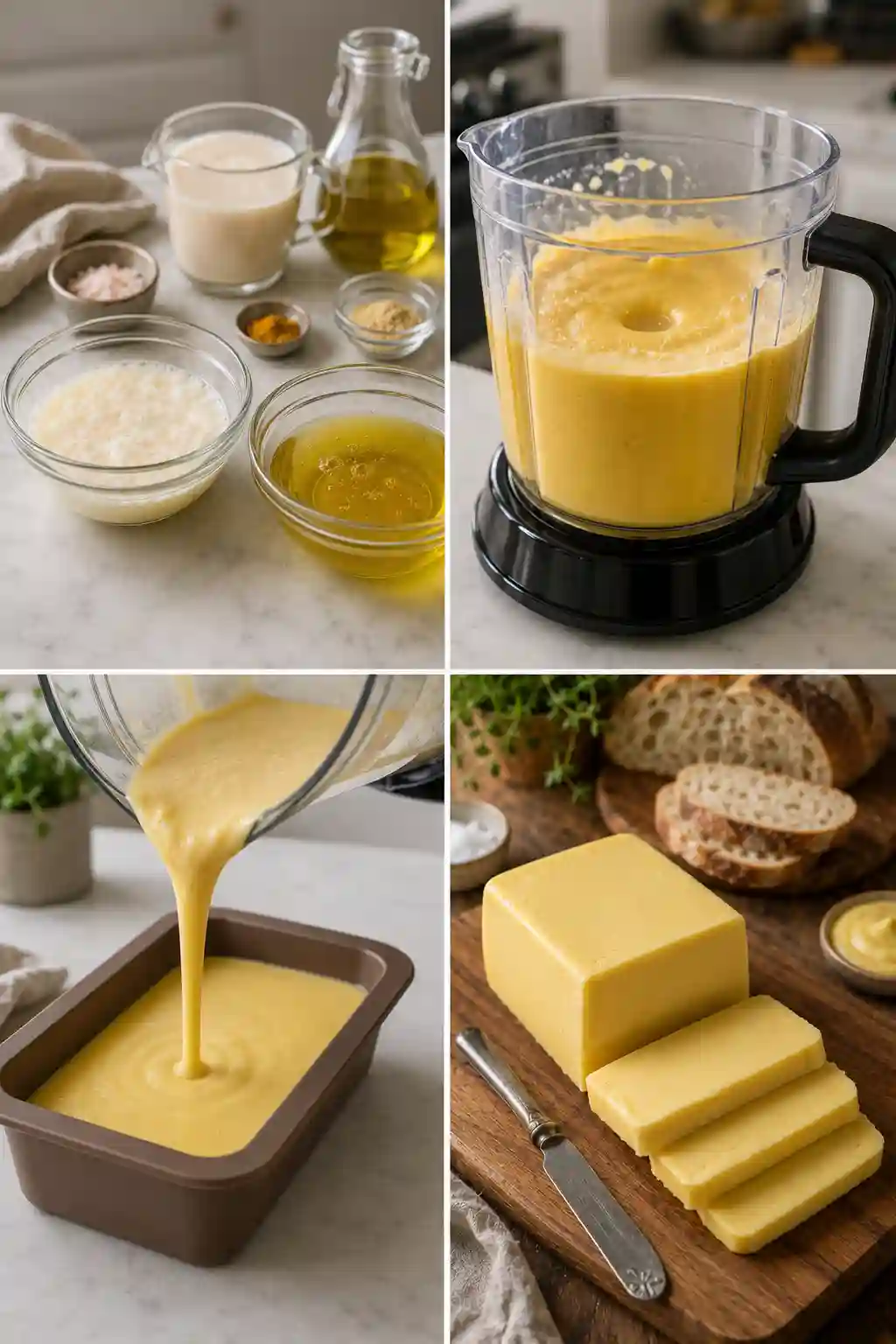
Step 3: Blend Until Smooth
Add the vegan buttermilk, melted coconut oil, liquid oil, salt, lecithin, and turmeric to your blender. Blend on high speed for 60 to 90 seconds.
The mixture should appear completely smooth, creamy, and uniform. Proper blending helps distribute the fats evenly and creates the silky consistency expected from a premium Miyoko’s Butter Recipe Copycat.
Step 4: Pour Into a Mold
Transfer the liquid mixture into a silicone mold or prepared container. Gently tap the container on the countertop to remove any trapped air bubbles.
A smooth surface helps create a more professional-looking finished butter block while promoting even chilling throughout the mixture.
Step 5: Flash Freeze and Refrigerate
Place the container in the freezer for 15 to 30 minutes. After the initial chilling period, transfer it to the refrigerator and allow it to firm completely for at least 4 hours.
This rapid cooling method encourages better texture development and helps your Miyoko’s Butter Recipe Copycat set into a firm, sliceable butter that performs well in a wide range of recipes.
Traditional Cultured Vegan Butter Method
If you want the closest flavor to premium cultured vegan butter, the traditional method is worth the extra time. Fermentation creates a deeper taste and a subtle tang that many plant-based butter enthusiasts prefer. While the process takes longer, most of the waiting time is completely hands-off.
Prepare the Cashew Milk Base
Start by soaking 1 cup of raw cashews in water for at least 4 hours or overnight. Drain and rinse them thoroughly before blending with fresh water until completely smooth.
A smooth cashew base is essential because it creates the creamy foundation needed for a Miyoko’s Butter Recipe Copycat. Any graininess left in the mixture may affect the final texture.
Add the Probiotic Capsules
Transfer the blended cashew milk to a clean glass or ceramic container. Open one vegan probiotic capsule and stir the contents into the mixture using a non-metal utensil.
The beneficial bacteria will begin feeding on the nutrients in the cashew milk. This process helps develop the signature tangy flavor that makes a Miyoko’s Butter Recipe Copycat taste more authentic.
Ferment the Mixture for 12 to 24 Hours
Cover the container loosely and leave it at room temperature for 12 to 24 hours. The exact time depends on the temperature of your kitchen and the level of tanginess you prefer.
As fermentation progresses, the mixture should develop a pleasant cultured aroma and slightly thicker consistency. This stage is responsible for much of the complex flavor associated with traditional cultured plant butter.
Blend the Cultured Base With Oils
Once fermentation is complete, combine a portion of the cultured cashew mixture with refined coconut oil, neutral liquid oil, lecithin, and salt. Blend everything until perfectly smooth and fully incorporated.
This step transforms the cultured mixture into a Miyoko’s Butter Recipe Copycat with a rich mouthfeel and balanced flavor. The oils provide structure while the cultured base contributes depth and character.
Chill Until Firm
Pour the blended mixture into a butter mold or lined container. Place it in the refrigerator until completely firm. For faster results, chill it briefly in the freezer before transferring it to the refrigerator.
After several hours, your Miyoko’s Butter Recipe Copycat should be firm, creamy, and ready to use. The finished butter works beautifully for spreading, cooking, and a wide variety of baking applications where cultured flavor can make a noticeable difference.
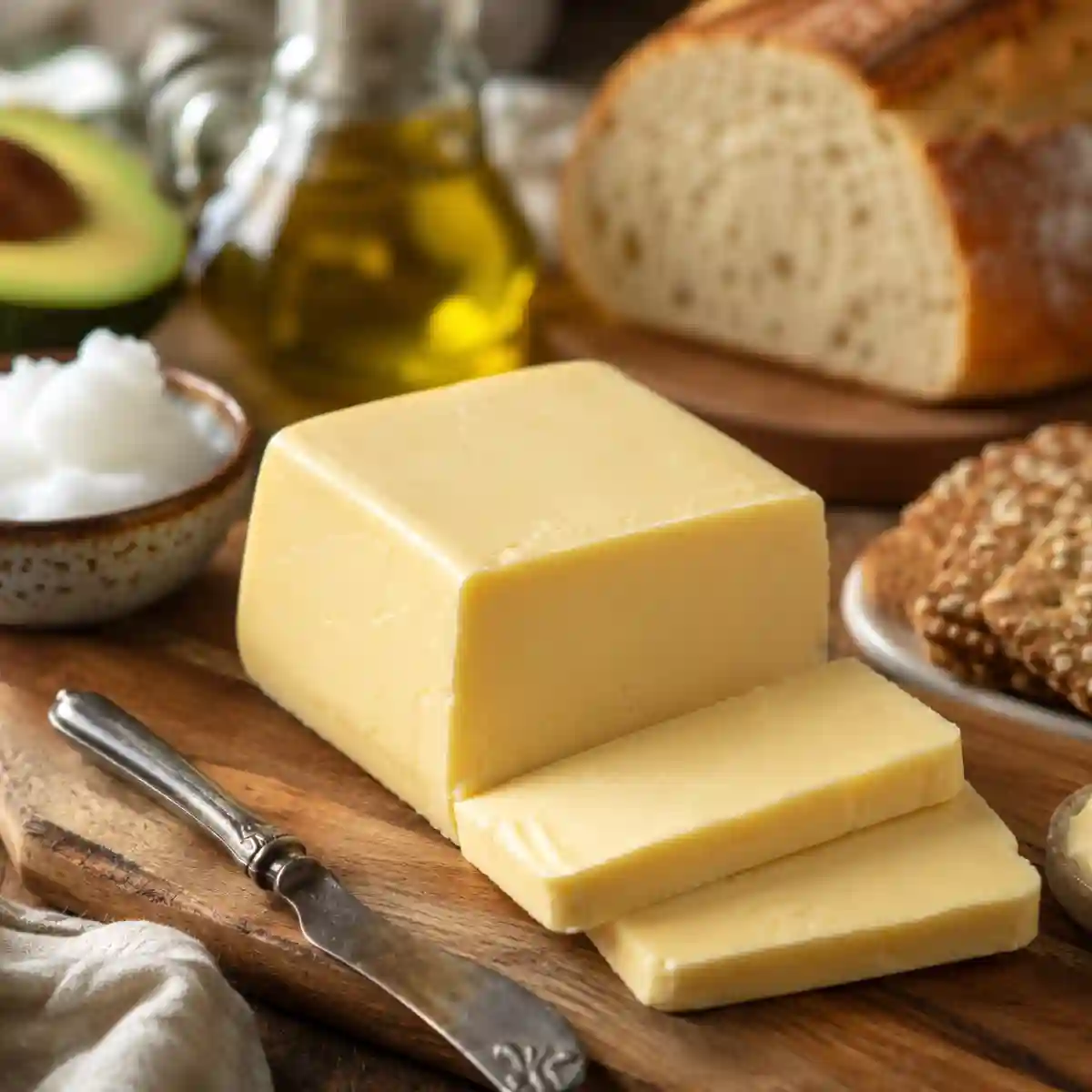

Miyoko’s Butter Recipe Copycat
Ingredients
Method
- Combine the cold soy milk and apple cider vinegar in a small bowl. Let the mixture sit for 5 minutes until slightly thickened.
- Melt the refined coconut oil gently. Allow it to cool slightly so it is warm but not hot.
- Add the vegan buttermilk, refined coconut oil, avocado oil, sunflower lecithin, salt, and turmeric to a blender.
- Blend on high speed for 60 to 90 seconds until completely smooth and creamy.
- Pour the mixture into a silicone butter mold or parchment-lined container. Tap gently on the counter to remove air bubbles.
- Place in the freezer for 15 to 30 minutes.
- Transfer to the refrigerator and chill for at least 4 hours, or until fully firm.
- Slice, spread, cook, or bake as desired. Store refrigerated in an airtight container.
- Always use refined coconut oil to avoid a strong coconut flavor.
- Sunflower lecithin helps prevent separation and creates a smoother texture.
- For a firmer baking butter, reduce the liquid oil slightly and increase lecithin.
- For a softer spreadable butter, increase the liquid oil and reduce the lecithin.
- The butter can be frozen for up to 4 months.
Notes
Per Tablespoon (14g)
| Nutrient | Amount |
| Calories | 100 |
| Total Fat | 11g |
| Saturated Fat | 7g |
| Monounsaturated Fat | 3g |
| Polyunsaturated Fat | 0.5g |
| Trans Fat | 0g |
| Cholesterol | 0mg |
| Sodium | 55mg |
| Total Carbohydrates | 0g |
| Dietary Fiber | 0g |
| Total Sugars | 0g |
| Added Sugars | 0g |
| Protein | 0g |
| Vitamin E | 1mg |
| Calcium | 2mg |
| Potassium | 5mg |
Advanced Troubleshooting: Why Did My Vegan Butter Split?
Even experienced home cooks occasionally run into texture problems when making vegan butter. The good news is that most issues have simple explanations and can often be corrected without starting over. Understanding what caused the problem is the first step toward creating a consistently successful Miyoko’s Butter Recipe Copycat.
Why Vegan Butter Separates Into Layers
Separation usually occurs when the oil and water portions fail to form a stable emulsion. This often happens when ingredients are combined at dramatically different temperatures.
For example, pouring very hot coconut oil into extremely cold plant milk can prevent the ingredients from blending properly. When this occurs, a Miyoko’s Butter Recipe Copycat may develop greasy layers or pockets of liquid after chilling.
How to Fix a Broken Emulsion
If your mixture separates, do not throw it away. Allow the ingredients to come closer to room temperature, then blend again using an immersion blender or high-speed blender.
Adding a small amount of extra lecithin can also help rebuild the emulsion. In many cases, a broken Miyoko’s Butter Recipe Copycat can be restored within a few minutes of additional blending.
Why the Butter Turned Fluffy
Sometimes the mixture becomes thick, airy, and resembles mayonnaise rather than butter. This usually happens when too much acidic ingredient is added or when the mixture traps excess air during blending.
Although the texture may look unusual, the ingredients are still usable. The issue is often related to the structure of the emulsion rather than the quality of the ingredients.
How to Recover the Texture
Place the fluffy mixture in the freezer until solid, then transfer it to the refrigerator and allow it to thaw slowly. This process helps the fats reorganize as they cool and often improves the final consistency.
With proper chilling and careful handling, a Miyoko’s Butter Recipe Copycat can usually recover from texture issues and develop the smooth, firm structure expected from cultured vegan butter. Paying attention to ingredient temperatures, blending time, and emulsifier levels will greatly reduce the chance of problems in future batches.
The Baker’s Blueprint: Adjusting Proportions for Hard Sticks vs. Soft Spreads
One of the biggest advantages of making vegan butter at home is the ability to control its texture. Some recipes require a soft butter that spreads easily across toast, while others demand a firm butter capable of producing flaky pastries and tender baked goods. A Miyoko’s Butter Recipe Copycat can be adjusted to handle both situations with a few simple ingredient changes.
Formula for Spreadable Tub Butter
If your primary goal is a smooth butter for bagels, toast, vegetables, and everyday use, increase the amount of liquid oil while slightly reducing the emulsifier.
For a softer texture:
- Increase neutral liquid oil to 3/4 cup
- Reduce liquid sunflower lecithin to 1/2 teaspoon
- Keep refined coconut oil at 1 cup
This adjustment creates a Miyoko’s Butter Recipe Copycat that remains soft even after refrigeration, making it easier to spread without waiting for it to warm up.
Formula for Firm Baking Sticks
Baking often requires a firmer butter structure. Pie crusts, biscuits, puff pastry, and croissants depend on solid fat to create layers and maintain texture during preparation.
For a firmer baking butter:
- 1 cup refined coconut oil
- 1/2 cup neutral liquid oil
- 1 1/4 teaspoons liquid sunflower lecithin
These proportions create a Miyoko’s Butter Recipe Copycat that holds its shape more effectively during baking and delivers better results in recipes that rely on solid fats.
Why Lecithin Levels Matter
Lecithin acts as the bridge between oil and water. Small adjustments can significantly affect the final texture of the butter.
Lower amounts generally create a softer spread, while higher amounts help build a stronger and more stable structure. This is particularly useful when preparing a Miyoko’s Butter Recipe Copycat intended for advanced baking projects where consistency is important.
Exact Weight Conversions for Baking
Professional bakers often prefer weighing ingredients rather than using volume measurements. Accurate measurements create more consistent results from one batch to the next.
Use the following conversions:
- 227 grams = 1 cup butter
- 227 grams = 2 standard butter sticks
- 113.5 grams = 1 butter stick
- 56.75 grams = 1/2 butter stick
Using these measurements allows your Miyoko’s Butter Recipe Copycat to replace traditional dairy butter with greater precision in cakes, cookies, pastries, and bread recipes. Accurate scaling becomes especially valuable when working with larger batches or recipes where texture plays a critical role.
What to Do With Leftover Cultured Cashew Cream?
One challenge many people encounter when making cultured vegan butter is ending up with extra cultured cashew cream. Traditional fermentation methods often produce more cultured base than a single batch of butter requires. Instead of letting it sit unused in the refrigerator, you can turn it into several delicious recipes that complement your homemade Miyoko’s Butter Recipe Copycat.
Why Traditional Recipes Leave Extra Cashew Cream
Many cultured butter recipes begin with a full batch of fermented cashew milk, but only a portion of that mixture is needed for the final butter. This frequently leaves behind a significant amount of cultured cream.
The good news is that this leftover ingredient contains the same tangy flavor that makes a Miyoko’s Butter Recipe Copycat so appealing. Rather than viewing it as excess, consider it a valuable ingredient for other plant-based dishes.
Garlic-Herb Cashew Cheese Spread
One of the easiest ways to use leftover cultured cream is by turning it into a flavorful spread.
Simply combine the cultured cashew cream with:
- Nutritional yeast
- Garlic powder
- Onion powder
- Fresh chives
- Fresh parsley
- A pinch of sea salt
Mix thoroughly and refrigerate for a few hours. The result is a creamy spread that pairs beautifully with crackers, sandwiches, vegetables, and bagels. It also shares many of the cultured flavor notes found in a Miyoko’s Butter Recipe Copycat.
Quick Vegan Alfredo Sauce
Another excellent option is a simple Alfredo-style sauce. The cultured cream adds richness and depth without requiring dairy products.
To make a quick sauce:
- Warm the cultured cashew cream gently in a saucepan
- Add vegan parmesan
- Stir in black pepper
- Add minced garlic if desired
- Thin with a small amount of plant milk if needed
Toss the sauce with freshly cooked pasta and serve immediately. The cultured flavor creates a surprisingly rich dish while helping you use every bit of the ingredients prepared for your Miyoko’s Butter Recipe Copycat.
Finding practical uses for leftover cultured cream not only reduces waste but also gives you additional value from the fermentation process. With a few simple ingredients, the extra cream can become an entirely new recipe while carrying the same tangy character that makes cultured vegan butter so popular.
Storage, Freezing, and Application Guidelines
Proper storage plays a major role in preserving the flavor, texture, and quality of homemade vegan butter. Since a Miyoko’s Butter Recipe Copycat contains no artificial preservatives, following a few simple storage practices will help maintain freshness and prevent unwanted flavor changes over time.
How Long Homemade Vegan Butter Lasts
When stored correctly in the refrigerator, homemade vegan butter typically remains fresh for 2 to 3 weeks. The exact lifespan depends on ingredient quality, storage conditions, and whether cultured ingredients were used during preparation.
Because a Miyoko’s Butter Recipe Copycat contains plant-based fats and moisture, it should always be kept chilled when not in use. Leaving it at room temperature for extended periods may shorten its shelf life.
Best Refrigerator Storage Practices
For the best results, wrap the butter in parchment paper or place it inside an airtight glass container. Glass containers are often preferred because they help prevent odor absorption from other foods stored nearby.
Plant-based fats can absorb surrounding aromas more easily than many people realize. Proper storage helps a Miyoko’s Butter Recipe Copycat retain its clean flavor and creamy texture throughout its refrigerated life.
Freezing Vegan Butter for Future Use
Freezing is an excellent option if you want to prepare larger batches in advance. Homemade vegan butter generally freezes well for up to 3 or 4 months without major changes in quality.
Many people divide a Miyoko’s Butter Recipe Copycat into smaller portions before freezing. This makes it easier to remove only the amount needed for a specific recipe instead of thawing an entire batch.
For added convenience, consider freezing portions that match common baking measurements, such as one stick or half a stick.
Thawing Tips for Baking and Cooking
When ready to use frozen butter, transfer it from the freezer to the refrigerator several hours before needed. Slow thawing helps preserve texture and reduces the chance of moisture separation.
If you plan to use a Miyoko’s Butter Recipe Copycat in baking, keeping it slightly chilled often produces the best results. For spreading on bread or toast, allowing it to soften for a few minutes at room temperature can improve spreadability.
With proper refrigeration, freezing, and thawing techniques, your homemade butter can maintain its flavor, texture, and performance long after the day it was made.
Nutrition Information
The following nutrition values are estimates for a homemade Miyoko’s Butter Recipe Copycat made with refined coconut oil, avocado oil, unsweetened soy milk, and sunflower lecithin. Actual values may vary depending on the specific ingredients used.
| Nutrient | Per Tablespoon (14g) |
| Calories | 100 |
| Total Fat | 11g |
| Saturated Fat | 7g |
| Monounsaturated Fat | 3g |
| Polyunsaturated Fat | 0.5g |
| Trans Fat | 0g |
| Cholesterol | 0mg |
| Sodium | 55mg |
| Total Carbohydrates | 0g |
| Dietary Fiber | 0g |
| Total Sugars | 0g |
| Added Sugars | 0g |
| Protein | 0g |
| Vitamin E | 1mg |
| Calcium | 2mg |
| Potassium | 5mg |
According to Harvard T.H. Chan School of Public Health, replacing foods high in saturated fat with sources of unsaturated fats may support better heart health, making oils such as avocado and sunflower oil popular choices in homemade vegan butter recipes.
Nutrition Highlights
- 100% dairy-free
- Zero cholesterol
- Palm oil-free
- Suitable for vegan diets
- Contains heart-friendly unsaturated fats from avocado or sunflower oil
- Low in carbohydrates
- Gluten-free when prepared with certified gluten-free ingredients
Nutrition values are estimates and should not replace professional dietary advice.
Final Thoughts
Making your own Miyoko’s Butter Recipe Copycat is a practical way to enjoy the rich taste and creamy texture of premium cultured vegan butter without paying premium store prices. With a handful of simple ingredients and a few easy techniques, you can create a versatile plant-based butter that works just as well on toast as it does in cookies, pie crusts, and other baked goods.
Whether you choose the quick 10-minute version or the traditional cultured method, the result is a butter tailored to your preferences. You control the ingredients, adjust the texture to suit your needs, and avoid unwanted additives often found in packaged products.
Once you make your first batch, you’ll see how simple the process can be. From everyday meals to special baking projects, this Miyoko’s Butter Recipe Copycat delivers the flavor, texture, and flexibility that plant-based cooks and bakers look for in a homemade butter alternative.
More Homemade & Comfort Food Recipes You’ll Love
- Wild Garlic Butter Recipe – A flavorful homemade butter perfect for bread, vegetables, and meats.
- Whole Roasted Cauliflower Recipe – A delicious dish that pairs beautifully with herb-infused butter.
- Garlic Parmesan Pasta – Rich, creamy, and even better with homemade butter.
- German Potato Pancakes Recipe – A classic comfort food that’s perfect with a buttery topping.
FAQs About Miyoko’s Butter Recipe Copycat
1. Can I Make Vegan Butter Without Lecithin?
Yes, you can. However, lecithin helps keep the oil and water blended together. Without it, a Miyoko’s Butter Recipe Copycat may separate more easily and develop a less consistent texture.
2. Can I Make This Recipe Nut-Free and Soy-Free?
Absolutely. Replace cashew-based ingredients with unsweetened pea milk or a high-protein oat milk. For the emulsifier, choose sunflower lecithin instead of soy lecithin. This allows you to enjoy a Miyoko’s Butter Recipe Copycat while accommodating common dietary restrictions.
3. Why Does Homemade Vegan Butter Melt Faster Than Dairy Butter?
Dairy butter contains milk solids that help maintain its structure at room temperature. Homemade vegan butter relies heavily on refined coconut oil, which begins softening at lower temperatures. As a result, a Miyoko’s Butter Recipe Copycat may soften more quickly when left on the counter.
4. How Long Does Homemade Plant-Based Butter Keep?
When stored in an airtight container in the refrigerator, homemade vegan butter typically stays fresh for 2 to 3 weeks. If frozen, it can maintain good quality for up to 4 months.
5. Is Homemade Vegan Butter Lower in Cholesterol Than Dairy Butter?
Yes. Since plant-based ingredients naturally contain no dietary cholesterol, a Miyoko’s Butter Recipe Copycat contains zero cholesterol. Depending on the oils used, it may also provide beneficial unsaturated fats.
6. Can I Use This Recipe for Pie Crusts, Biscuits, and Croissants?
Yes. For baking projects that require solid fat, use the firm baking-stick variation discussed earlier in this guide. A properly formulated Miyoko’s Butter Recipe Copycat can perform very well in pie crusts, biscuits, pastries, and many other baked goods.
7. What Is the Best Oil for Homemade Vegan Butter?
Avocado oil and sunflower oil are among the most popular choices because they have mild flavors that do not compete with the cultured notes. These oils also contribute to the smooth texture expected from a high-quality Miyoko’s Butter Recipe Copycat.
8. Can I Turn This Recipe Into Vegan Butter Sticks?
Yes. Simply use the firm baking formula and pour the mixture into stick-shaped molds. Once chilled, your Miyoko’s Butter Recipe Copycat can be measured and used just like traditional butter sticks in most recipes.