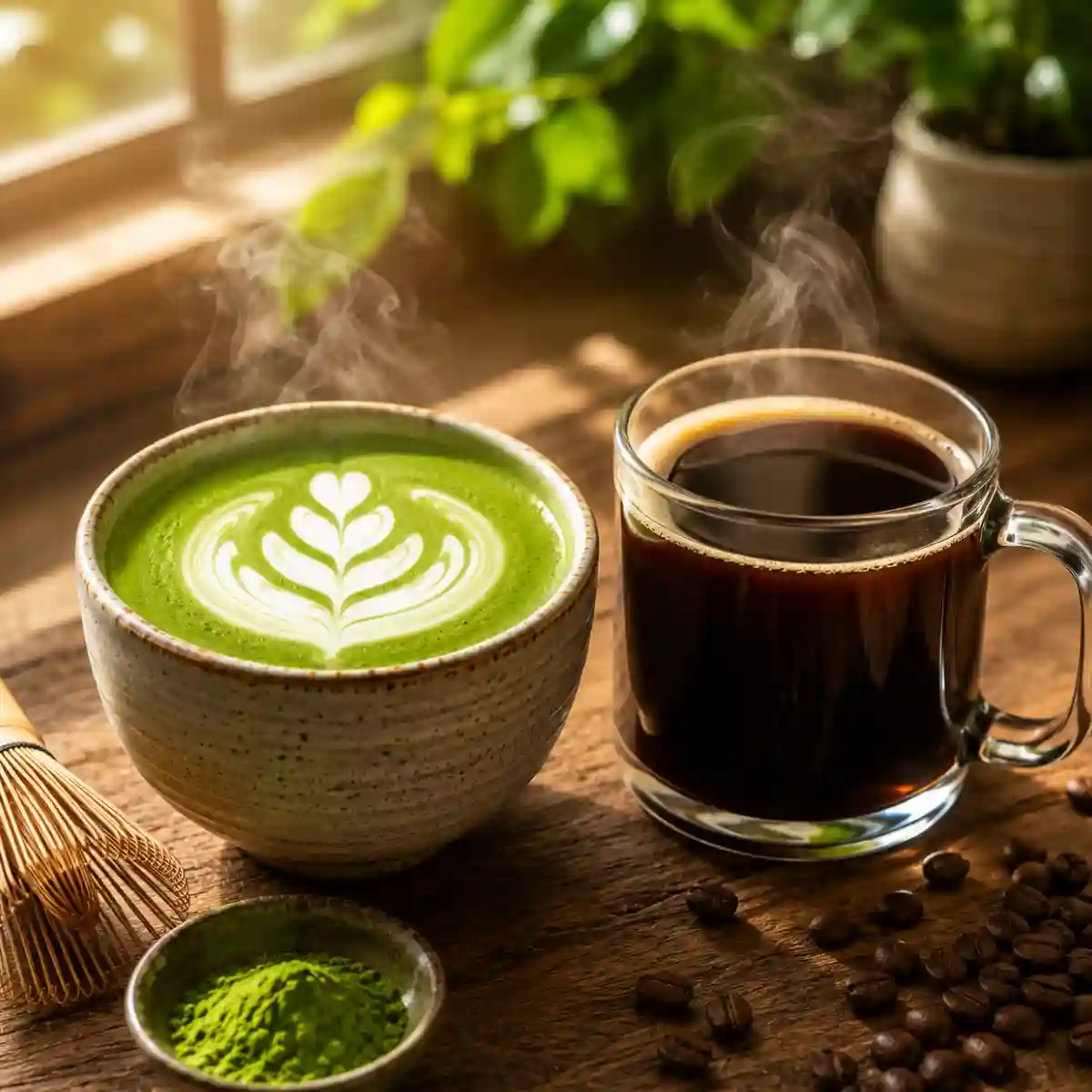
Does Matcha Have More Caffeine Than Coffee? This is one of the most common questions people ask when looking for a better source of energy.
Maybe you’ve wondered the same thing.
You enjoy your morning coffee, but a few hours later, the energy fades. Then you hear people talking about matcha and claiming it provides steady focus without the usual crash. Naturally, you start asking questions.
“Is matcha actually stronger than coffee?”
“Will it keep me awake longer?”
“Why do people say the energy feels different?”
I asked myself those exact questions a few years ago.
As someone who drank coffee every morning, I was skeptical about replacing it with a green tea powder. The bright green color looked interesting, but I doubted it could compete with a fresh cup of coffee. After testing both drinks for weeks and studying their caffeine content, I discovered that the answer is not as simple as most people think.
The truth is that matcha and coffee affect the body in different ways. One drink may contain more caffeine per serving, while the other contains more caffeine by weight. On top of that, matcha contains a unique amino acid called L-theanine, which changes how many people experience energy and focus.
So, does matcha have more caffeine than coffee?
The short answer is yes and no.
Gram for gram, matcha contains more caffeine than coffee. Cup for cup, a standard brewed coffee usually contains more caffeine than a serving of matcha.
Understanding this difference can help you choose the drink that best matches your daily routine, energy needs, and health goals.
Table of Contents
Table of Contents
Matcha Caffeine vs. Coffee: The Ultimate Comparison Table
When people ask, does matcha have more caffeine than coffee, they are usually looking for a simple answer. The challenge is that caffeine levels depend on how you measure each drink. Looking at a prepared cup gives one answer, while comparing the raw ingredients gives another.
The table below makes the comparison easier to understand.
| Beverage Type | Standard Serving Size | Average Caffeine (mg) | Peak Time | Typical Energy Duration |
| Drip Brewed Coffee | 8 oz | 80 to 100 mg | 15 to 30 minutes | 2 to 3 hours |
| Espresso | 1 oz Single Shot | 60 to 75 mg | 15 to 30 minutes | 1 to 2 hours |
| Ceremonial Matcha Latte | 8 oz (1 to 2 tsp) | 40 to 70 mg | 30 to 45 minutes | 4 to 6 hours |
| Steeped Green Tea | 8 oz | 20 to 30 mg | 30 to 45 minutes | 2 to 3 hours |
At first glance, coffee appears to be the stronger option because a standard cup often contains more total caffeine than a serving of matcha. This is why many people assume coffee always delivers more energy.
However, the answer to does matcha have more caffeine than coffee becomes more interesting when we examine caffeine density. Matcha powder contains a higher concentration of caffeine per gram than coffee grounds. Since matcha is made from finely ground shade-grown green tea leaves, you consume the whole leaf rather than simply extracting compounds through brewing.
Another factor is how the caffeine feels after consumption. Coffee typically reaches its peak more quickly, which can create a noticeable burst of alertness. Matcha tends to build more gradually, leading many people to describe the experience as smoother and longer lasting.
If you are still wondering does matcha have more caffeine than coffee, the key takeaway is simple. Coffee usually wins when comparing a prepared cup, while matcha wins when comparing the amount of caffeine found in the raw product itself.
The next section breaks down the numbers in detail so you can see exactly why this difference exists.
Gram for Gram vs. Cup for Cup: Breaking Down the Math
To fully understand does matcha have more caffeine than coffee, you need to look at two different measurements. Many articles only compare a prepared cup, which leaves out an important part of the story.
By Weight: Matcha Contains More Caffeine
When scientists compare caffeine content by weight, matcha comes out ahead.
On average, matcha contains about 19 to 44 milligrams of caffeine per gram. Ground coffee typically contains around 10 to 12 milligrams per gram.
This means that gram for gram, matcha is more caffeine-dense than coffee. The reason is simple. Matcha is made from shade-grown green tea leaves that naturally develop higher levels of caffeine before harvest.
This is why the answer to does matcha have more caffeine than coffee is yes when comparing the raw ingredients.
By Serving: Coffee Usually Contains More Caffeine
The picture changes when we compare the amount people actually consume in a typical drink.
A standard cup of brewed coffee often uses 7 to 10 grams of coffee grounds. A traditional serving of matcha usually contains only 1 to 2 grams of powder.
Even though matcha contains more caffeine per gram, the larger amount of coffee used during preparation results in a higher total caffeine content per cup.
As a result, an 8 ounce cup of coffee commonly delivers 80 to 100 milligrams of caffeine, while a serving of matcha often provides 40 to 70 milligrams.
Why This Difference Matters
Understanding serving size helps answer does matcha have more caffeine than coffee without confusion.
If your goal is to compare raw caffeine concentration, matcha is the clear winner. If your goal is to compare the caffeine you receive from a typical prepared drink, coffee usually contains more.
That distinction explains why both sides of the debate can be correct. The answer depends entirely on whether you are comparing the powder and grounds themselves or the finished beverages in your cup.
The Science of Calm Focus: Why Matcha Energy Feels Different
Many people researching does matcha have more caffeine than coffee are not only interested in the numbers. They also want to know why the two drinks create such different experiences.
Some people feel sharp and productive after coffee. Others notice nervousness, shaky hands, or a sudden drop in energy a few hours later. Matcha often produces a different response, even when the caffeine content is relatively close.
L-Theanine and Steady Mental Focus
One of the main reasons is L-theanine.
L-theanine is a naturally occurring amino acid found in tea leaves. It can cross the blood-brain barrier and support the production of alpha brain waves, which are linked to a calm but alert mental state.
This is one reason many people who ask does matcha have more caffeine than coffee are surprised to learn that caffeine alone does not determine how a drink feels.
Instead of delivering a rapid burst of stimulation, the combination of caffeine and L-theanine may create a smoother rise in alertness. Many matcha drinkers describe this effect as clean focus without the restless feeling that sometimes follows strong coffee.
This is why the question does matcha have more caffeine than coffee is often about more than caffeine numbers alone.
Why Matcha May Reduce the Midday Crash
Coffee is absorbed quickly by the body. This rapid absorption can create a noticeable increase in energy followed by a decline several hours later.
Matcha tends to produce a slower and more gradual response. Because L-theanine works alongside caffeine, many people report more stable energy levels throughout the morning and early afternoon.
While individual reactions vary, this steady pattern is one of the main reasons people switch from coffee to matcha during demanding workdays.
The Antioxidant Advantage of Matcha
Another factor worth considering is EGCG, short for epigallocatechin gallate.
EGCG is one of the most studied antioxidants found in green tea. Antioxidants help protect cells from oxidative stress caused by normal daily processes and environmental factors.
Unlike regular green tea, matcha involves consuming the entire leaf in powdered form. As a result, you receive a higher concentration of beneficial plant compounds in every serving.
When people compare does matcha have more caffeine than coffee, they often discover that caffeine is only one part of the picture. The unique combination of L-theanine, antioxidants, and whole-leaf consumption helps explain why matcha has become a popular choice for people seeking long-lasting focus and balanced energy.
Matcha vs. Coffee: Which Should You Choose?
After learning the facts, many people still ask the same question: does matcha have more caffeine than coffee, and which one is the better choice for daily energy?
The answer depends on your goals, lifestyle, and how your body responds to caffeine.
Neither drink is automatically better than the other. Each has strengths that make it suitable for different situations.
Choose Matcha If:
Matcha may be the better option if you:
- Want steady energy that lasts for several hours.
- Often experience jitters after drinking coffee.
- Have a sensitive stomach.
- Need sustained concentration for studying, writing, or desk work.
- Prefer a smoother transition into your day.
- Want extra antioxidants from whole leaf consumption.
- Are looking for a lower-caffeine alternative to large cups of coffee.
Many people who research does matcha have more caffeine than coffee are actually searching for a way to avoid energy crashes. In that case, matcha may be worth trying because the combination of caffeine and L-theanine often creates a more balanced experience.
Stick With Coffee If:
Coffee may be the right choice if you:
- Need a fast boost of energy early in the morning.
- Enjoy the bold taste and aroma of coffee.
- Regularly tolerate higher amounts of caffeine without discomfort.
- Have a busy schedule that requires immediate alertness.
- Prefer a familiar and widely available beverage.
Coffee remains one of the most popular drinks in the world for a reason. Its quick effect and strong flavor continue to make it a favorite for millions of people.
A Simple Way to Decide
If your main goal is rapid stimulation, coffee is often the stronger choice.
If your goal is steady focus with fewer ups and downs, matcha may fit your routine better.
When asking does matcha have more caffeine than coffee, remember that caffeine content is only one factor. The way your body processes that caffeine can have an even bigger impact on how you feel throughout the day.
The good news is that both drinks can fit into a healthy lifestyle when consumed in moderation and according to your personal caffeine tolerance.
A Consumer’s Guide: How to Buy High Quality Matcha
If you have decided to add matcha to your daily routine, choosing the right product is just as important as understanding the answer to does matcha have more caffeine than coffee.
Walk into any grocery store or browse online, and you will find dozens of matcha products. Some offer excellent quality, while others contain older leaves, poor processing methods, or unnecessary ingredients that affect taste and nutritional value.
Knowing what to look for can help you avoid wasting money on low-quality products.
Many readers searching does matcha have more caffeine than coffee eventually discover that the quality of the matcha they buy can significantly affect their overall experience.
Ceremonial Grade vs. Culinary Grade
The first thing you will notice when shopping for matcha is the grade.
Ceremonial grade matcha is made from younger tea leaves and is intended for drinking. It has a smoother taste, a brighter color, and a more delicate texture. This is usually the best choice for daily matcha lattes and traditional tea preparation.
Culinary grade matcha is made for recipes. It has a stronger flavor that works well in smoothies, baked goods, overnight oats, and desserts.
For people who regularly ask does matcha have more caffeine than coffee because they want a coffee alternative, ceremonial grade matcha is often the better starting point.
Check the Color
Color is one of the easiest indicators of quality.
High-quality matcha should have a vibrant bright green appearance. This color reflects careful growing and processing methods.
Avoid products that look dull, brownish, olive green, or yellowish. These shades can indicate older leaves, oxidation, or lower-grade material.
A bright green powder usually signals fresher tea leaves and better overall quality.
Look for Japanese Origin
The region where matcha is produced matters.
Many experienced tea drinkers look for products sourced from well-known Japanese growing areas such as Uji and Nishio. These regions have a long history of producing premium matcha and are recognized for strict quality standards.
Reading the label carefully can reveal important information about the tea’s origin and production methods.
Read the Ingredient List Carefully
A quality matcha product should have a simple ingredient list.
Ideally, the package should contain only one ingredient: matcha green tea powder.
Some products include sweeteners, artificial flavors, fillers, or other additives. These extra ingredients can affect taste and reduce the authenticity of the product.
When comparing products after researching does matcha have more caffeine than coffee, choosing pure matcha helps you experience the tea as it was intended.
Quick Matcha Buying Checklist
Before making a purchase, use this checklist:
- Bright green color
- Ceremonial grade for drinking
- Japanese origin, preferably Uji or Nishio
- Fine and smooth powder texture
- Single ingredient label
- No added sugars or fillers
- Fresh packaging with a clear production date
A few extra minutes spent checking these details can make a significant difference in flavor, quality, and overall enjoyment. High-quality matcha often tastes smoother, mixes more easily, and delivers a better drinking experience from the first sip.
Does Matcha Have More Caffeine Than Coffee? Matcha Latte Ingredients
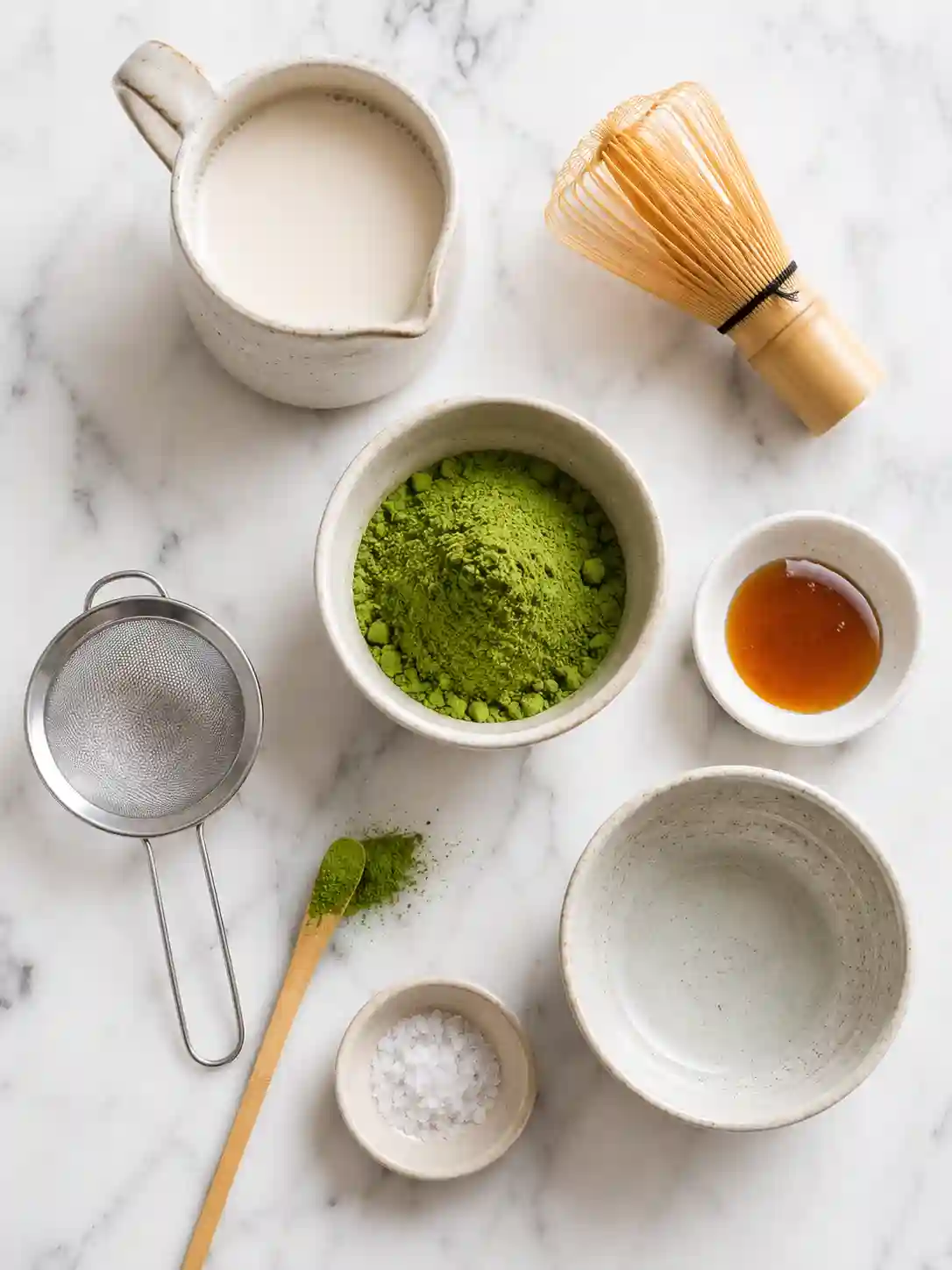
You only need a handful of simple ingredients to make a smooth and creamy matcha latte at home. Using high-quality ceremonial-grade matcha and properly heated water will help you achieve the best flavor, texture, and vibrant green color.
Ingredients List
- 1 to 2 teaspoons ceremonial-grade matcha
- 2 ounces water heated to 175°F (80°C)
- 6 ounces unsweetened oat milk
- 1 teaspoon organic maple syrup (optional)
- Pinch of sea salt (optional)
Does Matcha Have More Caffeine Than Coffee? How to Make a Matcha Latte
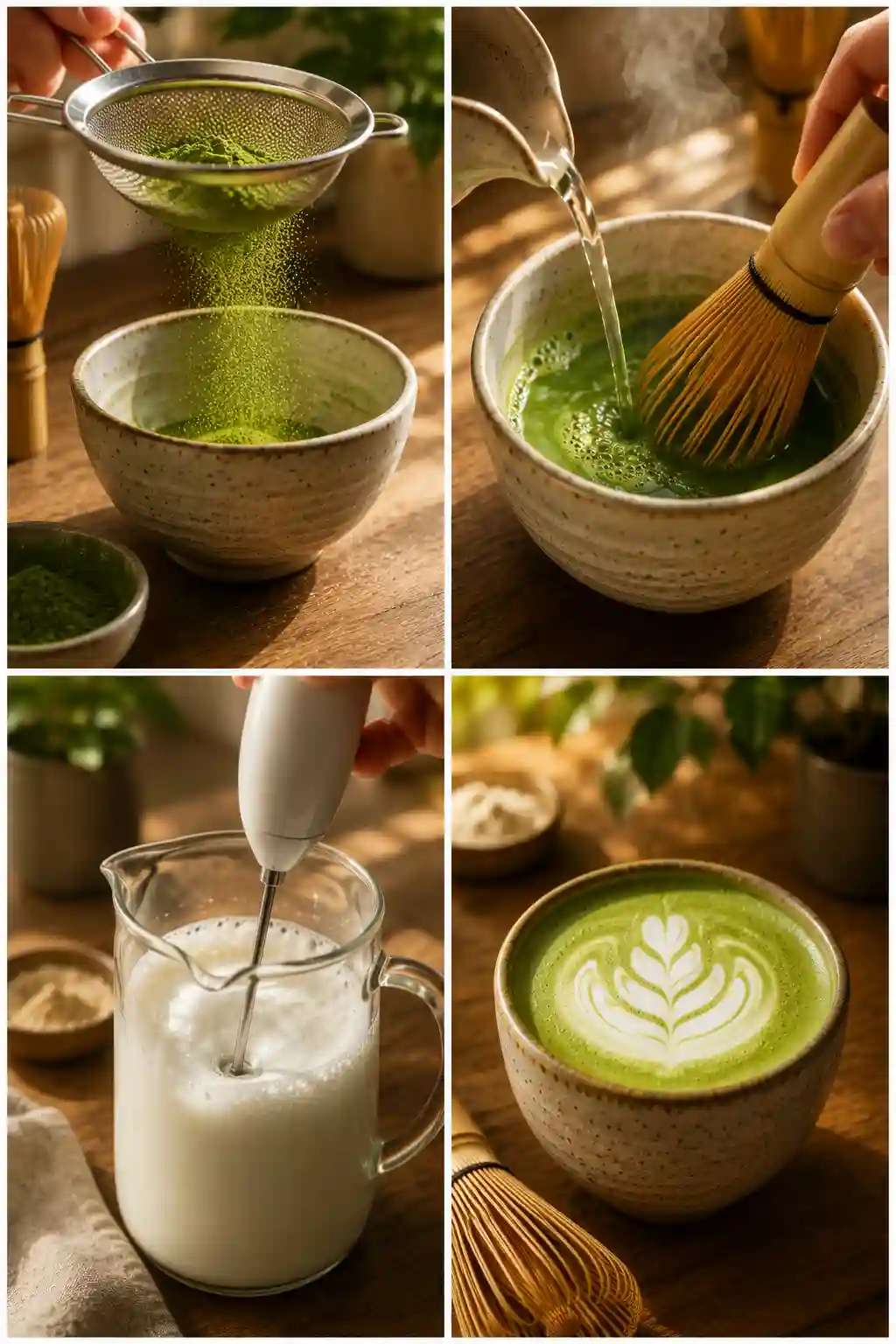
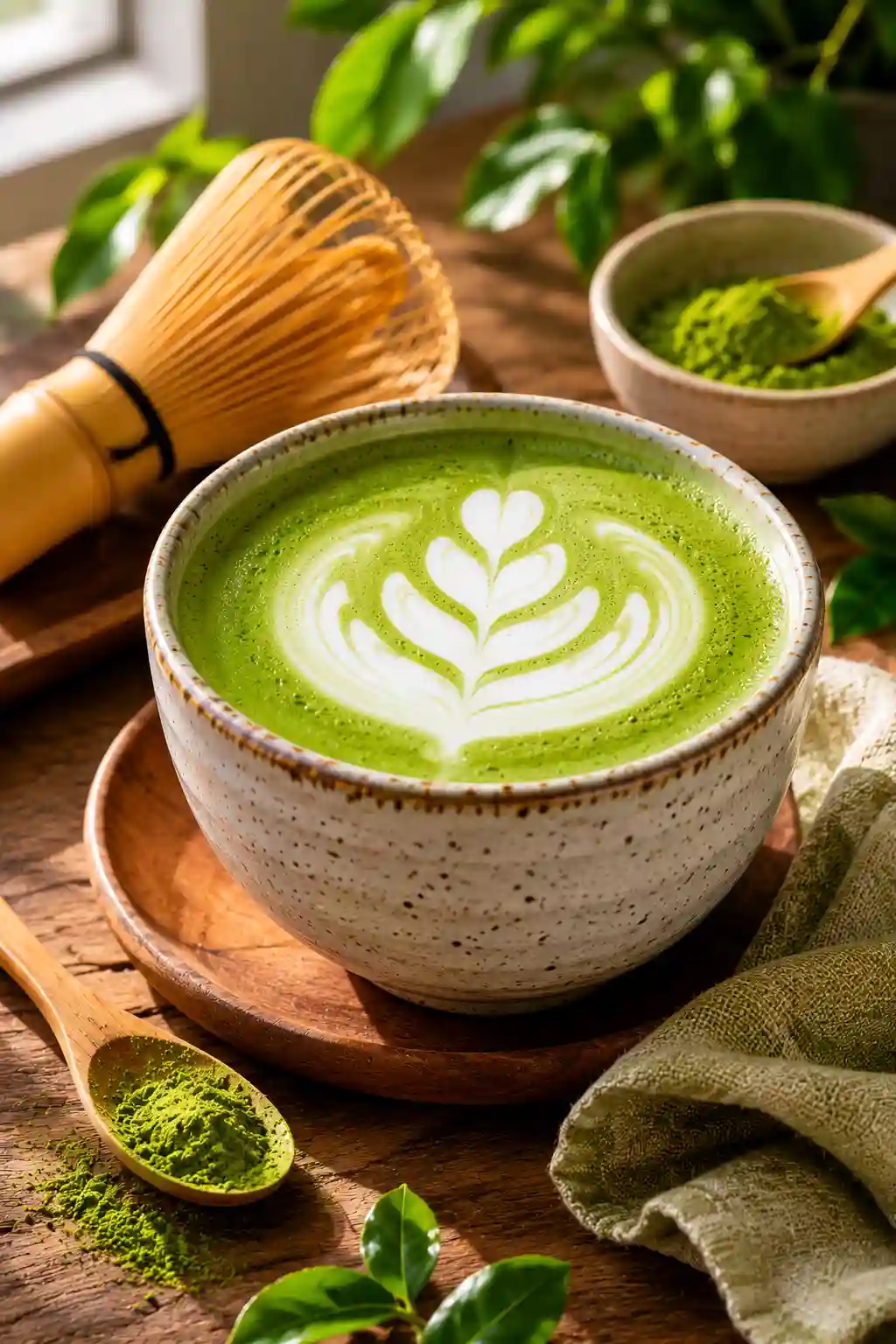
Making a matcha latte is easier than many people think. The key is to sift the powder, use the correct water temperature, and whisk properly to create a smooth and frothy texture. Follow these simple steps for a café-style matcha latte at home.
Step 1: Sift the Matcha
Sift the matcha powder through a fine-mesh sieve into a bowl or mug. This removes clumps and helps create a silky-smooth drink.
Step 2: Add Hot Water and Whisk
Pour the hot water over the sifted matcha. Using a bamboo whisk, whisk rapidly in a W or M motion until the mixture becomes smooth and lightly frothy.
Step 3: Froth the Milk
Warm the oat milk and froth it until creamy. A handheld milk frother works well, but you can also shake warmed milk in a sealed jar.
Step 4: Combine and Serve
Slowly pour the frothed milk into the prepared matcha. Add maple syrup if desired, then serve immediately and enjoy.

Does Matcha Have More Caffeine Than Coffee
Ingredients
Method
- Place the matcha powder through a fine-mesh sieve into a bowl or mug.
- This step helps remove clumps and creates a smoother texture in the final drink.
- Pour the 175°F water over the sifted matcha.
- Avoid boiling water because excessive heat can affect the flavor and aroma of the tea.
- Using a bamboo whisk, mix the matcha in a rapid W or M motion until a light foam forms on the surface.
- Do not stir in circles, as this method does not create the same smooth consistency.
- Many people who research does matcha have more caffeine than coffee are surprised to learn that preparation technique can greatly influence the overall drinking experience.
- Warm the oat milk and froth it until light and creamy.
- If desired, add maple syrup and a small pinch of sea salt. The salt can help bring out the natural sweetness and umami notes of the matcha.
- Slowly pour the frothed milk into the prepared matcha.
- Serve immediately for the freshest flavor and texture.
- Matcha oxidizes quickly after opening. Store it in an airtight container away from heat, light, and moisture. For the best taste, use it within a reasonable period after opening.
- Whether you are switching from coffee or simply curious about the answer to does matcha have more caffeine than coffee, this latte offers an easy way to enjoy matcha’s unique combination of caffeine, L-theanine, and antioxidants.
Notes
| Nutrient | Amount Per Serving |
| Calories | 90 to 110 |
| Total Fat | 2 to 3 g |
| Saturated Fat | 0 to 0.5 g |
| Carbohydrates | 14 to 17 g |
| Sugars | 5 to 7 g |
| Fiber | 1 to 2 g |
| Protein | 2 to 3 g |
| Sodium | 50 to 90 mg |
| Caffeine | 40 to 70 mg |
| L-Theanine | Naturally Present |
| Antioxidants (EGCG) | Naturally Present |
Serving Suggestions
This matcha latte is best enjoyed immediately after preparation while the foam is still light and creamy. The smooth texture and vibrant flavor make it a comforting drink for both busy mornings and relaxing afternoons.
For breakfast, pair your matcha latte with oatmeal, whole-grain toast, Greek yogurt, or fresh fruit. These simple options complement the earthy notes of matcha while creating a balanced meal.
If you’re serving it as an afternoon drink, try pairing it with a light pastry, homemade muffin, energy bites, or a small piece of dark chocolate. The natural sweetness of these foods pairs well with the rich flavor of ceremonial matcha.
During warmer months, you can also pour the prepared matcha over ice for a refreshing iced matcha latte. Simply allow the matcha mixture to cool slightly before combining it with cold milk and ice cubes.
Whether served hot or cold, this matcha latte offers a delicious way to enjoy steady energy and a moment of calm throughout the day.
Does Matcha Have More Caffeine Than Coffee? Nutrition Information
The exact nutrition values can vary depending on the type of milk, sweetener, and amount of matcha used. The table below shows the approximate nutrition information for one serving of the matcha latte recipe featured in this article, prepared with unsweetened oat milk and 1 teaspoon of maple syrup.
| Nutrient | Amount Per Serving |
| Calories | 90 to 110 |
| Total Fat | 2 to 3 g |
| Saturated Fat | 0 to 0.5 g |
| Carbohydrates | 14 to 17 g |
| Sugars | 5 to 7 g |
| Fiber | 1 to 2 g |
| Protein | 2 to 3 g |
| Sodium | 50 to 90 mg |
| Caffeine | 40 to 70 mg |
| L-Theanine | Naturally Present |
| Antioxidants (EGCG) | Naturally Present |
Readers researching does matcha have more caffeine than coffee often focus on caffeine levels, but nutrition is also important. A matcha latte can provide antioxidants, naturally occurring L-theanine, and moderate caffeine while remaining relatively low in calories.
According to research published by Harvard T.H. Chan School of Public Health, tea contains plant compounds called polyphenols that may support overall health, making matcha a popular choice among health-conscious consumers.
Nutrition Notes
- Matcha is naturally low in calories and contains no added sugar unless a sweetener is included.
- Unsweetened oat milk adds creaminess while keeping the drink relatively light.
- Matcha provides antioxidants, including EGCG, which are naturally found in green tea leaves.
- Caffeine levels vary depending on the amount and grade of matcha used.
- Using two teaspoons of matcha will increase both caffeine and antioxidant content.
This nutritional information is an estimate and may vary based on ingredients, serving size, and preparation method.
Does Matcha Have More Caffeine Than Coffee? Final Verdict
So, does matcha have more caffeine than coffee?
The answer depends on how you compare them.
By weight, matcha contains more caffeine than coffee. By serving size, a standard cup of coffee usually contains more total caffeine than a typical cup of matcha.
However, caffeine content tells only part of the story. Matcha also contains L-theanine, a natural amino acid that may support a calmer and more balanced feeling of alertness. This combination is one reason many people choose matcha when they want steady focus throughout the day.
If your goal is fast, powerful stimulation, coffee remains a strong option. If you prefer sustained energy with fewer ups and downs, matcha may be the better fit.
When asking does matcha have more caffeine than coffee, it is helpful to look beyond the numbers and consider how each drink affects your body, productivity, and daily routine.
Ultimately, there is no single winner for everyone. The best choice depends on your caffeine tolerance, lifestyle, and personal preferences. Some people even enjoy both, using coffee when they need an immediate boost and matcha when they want longer-lasting concentration.
Now that you know does matcha have more caffeine than coffee, you can make an informed decision and choose the drink that best matches your needs and preferences.
More Matcha & Healthy Drink Articles You’ll Love
- Benefits of Drinking Matcha Daily – Discover why matcha has become a favorite wellness drink.
- Green Tea with Honey – A soothing antioxidant-rich beverage for everyday health.
- How to Make Kombucha at Home – A probiotic drink that supports gut health and wellness.
- Coffee Jelly Drink Recipe – A fun coffee-based treat for caffeine lovers.
FAQs About Does Matcha Have More Caffeine Than Coffee
1. Does Matcha Have More Caffeine Than Espresso?
People researching does matcha have more caffeine than coffee often wonder how matcha compares to espresso.
In most cases, espresso contains more caffeine per serving. A standard serving of matcha typically provides 40 to 70 milligrams of caffeine, while a single espresso shot often contains 60 to 75 milligrams. A double shot can contain considerably more.
Although espresso usually delivers more caffeine, many people feel that matcha provides a steadier source of energy throughout the day.
2. Is Matcha Safe to Drink During Pregnancy?
For many pregnant women, matcha can be enjoyed in moderation.
Health professionals commonly recommend limiting caffeine intake during pregnancy to 200 milligrams per day. Since a typical serving of matcha contains much less than that amount, one cup can often fit within these guidelines.
Anyone with concerns should seek advice from their healthcare provider.
3. How Much Matcha Is Too Much?
Most healthy adults can enjoy matcha daily without problems when consumed in reasonable amounts.
A serving generally contains 1 to 2 teaspoons of powder. Many people drink one or two servings each day while keeping their overall caffeine intake within recommended limits.
As with coffee, it is wise to monitor your total caffeine consumption from all sources.
4. Is Matcha Better Than Coffee for Anxiety?
Many people who search does matcha have more caffeine than coffee are actually looking for a drink that feels gentler on the body.
Matcha contains L-theanine, a naturally occurring amino acid that works alongside caffeine. Because of this combination, some people report feeling calmer and more focused compared to drinking coffee alone.
However, individual responses vary, and people who are very sensitive to caffeine may still experience unwanted effects.
5. Does Matcha Keep You Awake Like Coffee?
Yes, matcha can help you stay awake because it contains caffeine.
The main difference is that many people describe the effect as smoother and more gradual. Rather than producing a sharp rise in energy, matcha often supports a more balanced level of alertness that lasts for several hours.
This is one reason matcha has become a popular alternative for students, professionals, and anyone seeking sustained focus.
6. Can I Drink Matcha Instead of Coffee Every Day?
Yes, many people successfully replace coffee with matcha as part of their daily routine.
If you are considering making the switch after learning does matcha have more caffeine than coffee, start with one serving per day and pay attention to how your body responds.
Some people prefer the smoother energy profile, while others simply enjoy the taste and ritual of preparing matcha.
7. Does Matcha Have More Caffeine Than Green Tea?
Yes.
Matcha contains more caffeine than traditional green tea because you consume the entire tea leaf in powdered form. With regular green tea, the leaves are steeped and then removed.
As a result, a typical cup of green tea contains around 20 to 30 milligrams of caffeine, while matcha often provides 40 to 70 milligrams per serving.
This difference is one more reason why comparisons between tea and coffee often lead people to ask whether matcha has more caffeine than coffee in the first place.
Medical Disclaimer
The content published on A Whimsy Plate is intended for informational and educational purposes only. It should not be used as a substitute for professional medical advice, diagnosis, or treatment.
As the writer of this article, I have researched the available information on matcha, coffee, and caffeine to help readers make informed choices. However, individual responses to caffeine can vary based on age, body weight, medical history, medications, and overall health.
If you are pregnant, nursing, have a medical condition, or are concerned about your caffeine intake, consult a qualified healthcare professional before making dietary changes.
The caffeine values mentioned in this article are general estimates and may differ depending on the brand, preparation method, serving size, and product quality.
A Whimsy Plate makes no guarantees regarding individual results from consuming matcha, coffee, or any related products. Always listen to your body and seek professional guidance when needed.