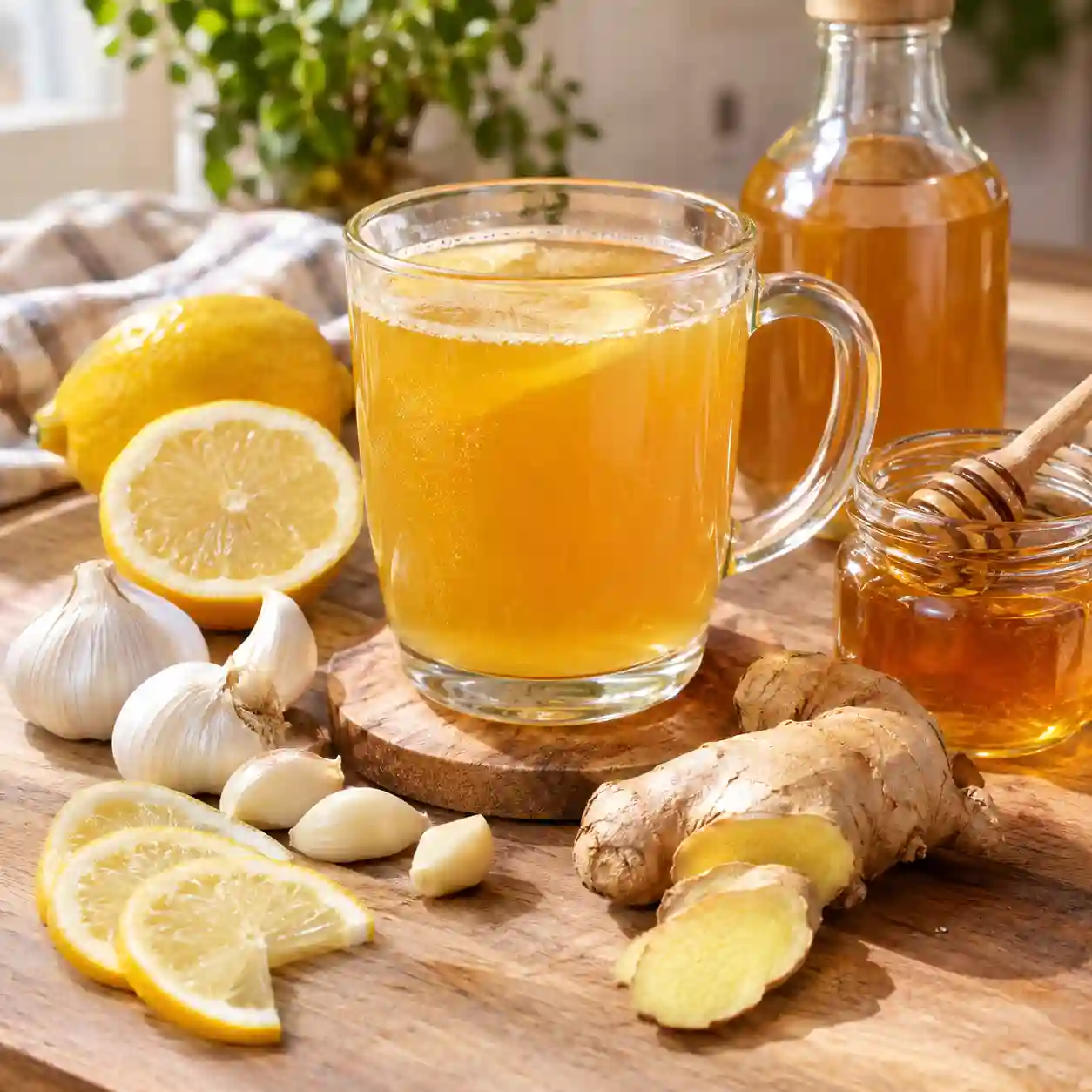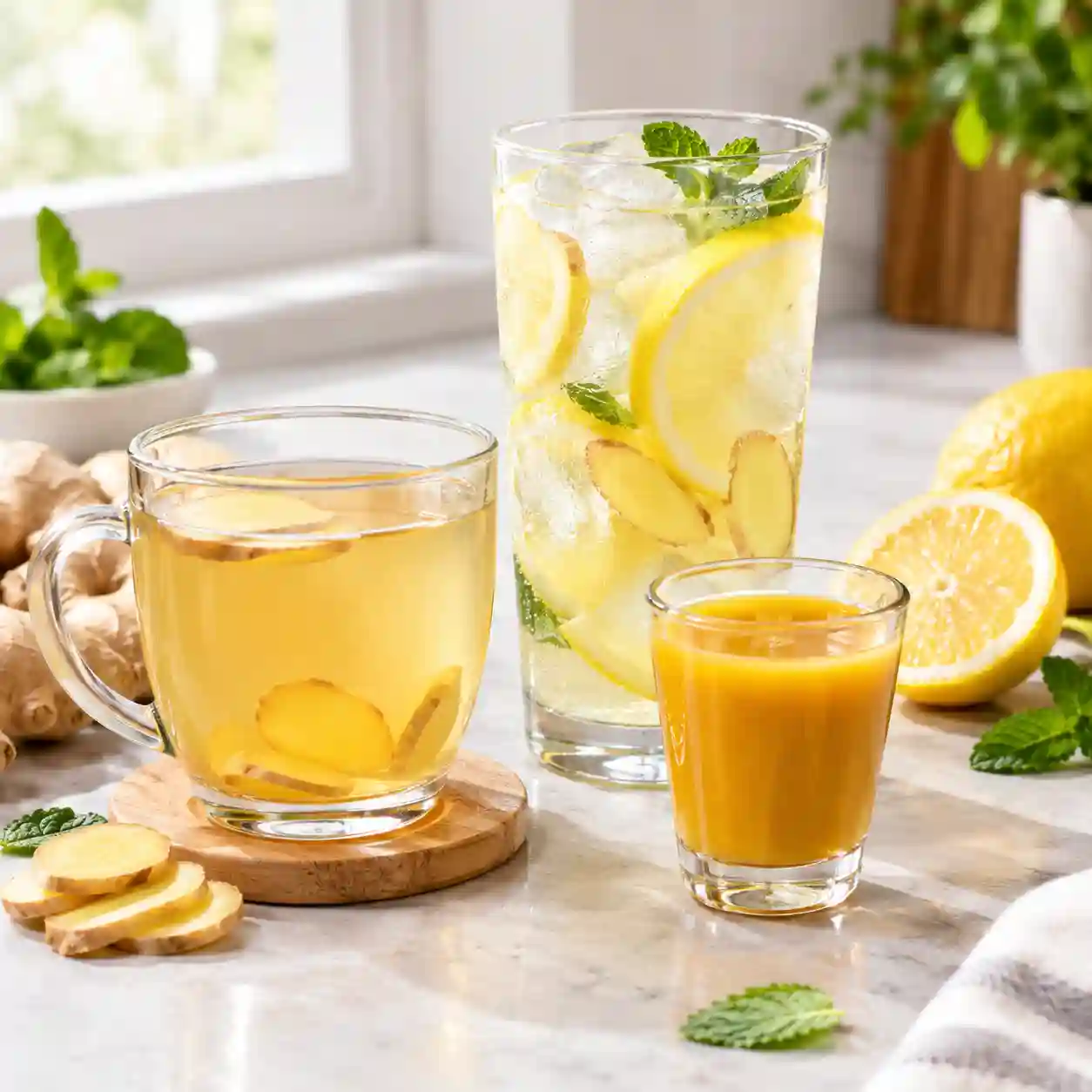
Dementia Prevention Spice Blend Recipe has become one of the biggest wellness trends on TikTok, Instagram, and YouTube. You may have seen creators say, “This daily spice mix changed everything,” then ask for your email before sharing the full formula. I tested many homemade spice combinations over time for cooking and daily routines, and one thing became obvious: simple ingredients matter more than hype. This guide shares the exact five spice blend openly, plus one absorption tip many viral posts skip.
Quick Recipe Snapshot
| Detail | Information |
| Prep Time | 5 Minutes |
| Cook Time | 0 Minutes |
| Yield | About 30 servings using 1/2 tsp daily |
| Dietary Profile | Vegan, Gluten Free, Keto, Sugar Free |
| Best For | Golden milk, oatmeal, yogurt bowls, soups, spice lattes |
| Key Benefit Focus | Anti inflammatory ingredients and daily kitchen use |
Table of Contents
Table of Contents
What Is the Dementia Prevention Spice Blend Recipe and Why Is It Trending?
The Dementia Prevention Spice Blend Recipe exploded across TikTok, Instagram, and wellness blogs because it looks simple. Five spices. One spoon daily. Big claims. That combination gets attention fast. Still, many posts skip context, skip safety, or turn the Dementia Prevention Spice Blend Recipe into something it is not.
People often ask me, “Have you actually tried these viral spice routines?” My answer is yes. I have tested many homemade spice mixes in drinks, soups, and breakfast bowls over time. The biggest lesson was this: consistent eating habits matter more than short trends.
Why the Dementia Prevention Spice Blend Recipe Went Viral on Social Media
Videos with titles like “Take this every morning” spread quickly because they promise easy habits. The Dementia Prevention Spice Blend Recipe also gained traction due to growing interest in anti inflammatory diets, brain health spice blends, and foods linked to healthy aging.
Social platforms reward short answers. Health topics rarely fit into short answers.
Why People Are Searching for Natural Brain Health Spice Blends
Interest in memory support has increased as more people learn terms such as:
- Neuroinflammation
- Oxidative stress
- Curcumin absorption
- Blood sugar regulation
- MIND diet research framework
Many readers are not searching for cures. They are searching for food choices that fit long term wellness routines.
The Difference Between Wellness Habits and Medical Claims
This is where confusion starts.
Using spices in cooking is very different from claiming a recipe prevents disease. The Dementia Prevention Spice Blend Recipe should be viewed as a culinary blend built around common spices studied for antioxidant or anti inflammatory properties. That is not the same as proven prevention.
Healthy sleep, movement, blood pressure control, social activity, and overall diet remain major factors linked with cognitive health.
Why Most Online Recipes Hide the Exact Ratios
A common pattern appears online:
- Viral claim
- Emotional story
- Email signup request
- Missing ingredient amounts
This guide takes a different route. The exact Dementia Prevention Spice Blend Recipe ratios, preparation steps, safety notes, and daily use ideas are shared openly in the sections ahead.
Important Health Disclaimer Before Trying This Dementia Prevention Spice Blend Recipe
Before using the Dementia Prevention Spice Blend Recipe, read this section carefully. Viral wellness recipes often spread faster than facts. The Dementia Prevention Spice Blend Recipe contains common kitchen spices, but natural ingredients can still interact with medications or existing health conditions.
Health Disclaimer
- This Dementia Prevention Spice Blend Recipe is food, not medicine.
- Nothing in this recipe is intended to treat, cure, reverse, diagnose, or prevent Alzheimer’s disease, dementia, memory loss, or any medical condition. The Dementia Prevention Spice Blend Recipe should only be viewed as a homemade spice mixture used within a broader eating pattern.
- If you plan to use the Dementia Prevention Spice Blend Recipe daily, especially in larger amounts, speak with a qualified healthcare professional first.
Why This Recipe Is Food and Not Medicine
Many spices included in wellness routines have been studied for antioxidant activity or anti inflammatory effects. That does not mean eating a spice blend creates guaranteed health outcomes.
Research around turmeric, ginger, cinnamon, and brain health remains active. Scientists continue studying how dietary patterns affect aging and cognition. Results vary, and many findings come from laboratory studies or supplement trials rather than everyday cooking amounts.
What Current Science Says About Dementia Prevention
Current evidence points toward overall lifestyle patterns instead of one ingredient.
Areas linked with healthier aging include:
- Regular physical activity
- Blood pressure management
- Sleep quality
- Social interaction
- Balanced eating habits
- Blood sugar control
- Diet patterns such as the MIND diet
No single spice mix replaces these habits.
Who Should Speak With a Physician Before Using This Blend
Consult a healthcare provider before trying this recipe if you:
- Use blood thinners such as warfarin or aspirin
- Take diabetes medication
- Take blood pressure medication
- Have gallbladder disease or gallstones
- Have iron deficiency concerns
- Are pregnant or breastfeeding
- Use multiple daily prescriptions
Natural does not always mean risk free.
Understanding Why Health Content Needs Extra Caution
Articles discussing memory, aging, or cognitive decline fall into high trust topics. Readers deserve transparency.
The goal of this guide is simple: explain ingredients, preparation methods, and research discussions openly without making unrealistic promises about the Dementia Prevention Spice Blend Recipe.
The Science Behind the Dementia Prevention Spice Blend Recipe
The popularity of the Dementia Prevention Spice Blend Recipe comes from one idea: combining several spices often studied for antioxidant or anti inflammatory activity into one daily mixture. Interest around the Dementia Prevention Spice Blend Recipe has grown because researchers continue examining how inflammation, oxidative stress, and aging may influence long term cognitive health.
Still, studies on ingredients are not the same as proof that one recipe prevents disease. The Dementia Prevention Spice Blend Recipe should be viewed through a food and lifestyle lens, not as a medical solution. Understanding why each ingredient appears in the Dementia Prevention Spice Blend Recipe helps separate evidence from internet hype.
Turmeric and Curcumin Explained
Turmeric is the foundation of this blend.
Its active compound, curcumin, has been widely studied for antioxidant properties and possible roles in inflammatory pathways. Researchers continue examining how curcumin interacts with neuroinflammation and oxidative stress.
Oxidative stress refers to damage caused by unstable molecules over time. Scientists believe this process may contribute to aging and several chronic conditions.
Curcumin research overview:
PubMed Curcumin Research Database
Why Black Pepper Matters for Curcumin Absorption
Many viral recipes forget the most important detail.
Curcumin alone has poor bioavailability. That means the body absorbs very little of it. Black pepper contains piperine, a compound linked with stronger curcumin absorption.
A widely cited study reported that piperine increased curcumin bioavailability by up to 2,000% under specific conditions.
Research source:
Clinical Study on Piperine and Curcumin Absorption
Skipping black pepper may reduce how much curcumin becomes available to the body.
Ceylon Cinnamon vs Cassia Cinnamon
Not all cinnamon is identical.
Most supermarket cinnamon is Cassia cinnamon. Cassia contains higher levels of coumarin, a natural compound associated with liver concerns when consumed in large amounts over long periods.
Ceylon cinnamon, often called true cinnamon, contains much lower coumarin levels and is usually preferred for regular use.
Scientific information on coumarin exposure:
NIH Information on Coumarin Safety
Ginger and Its Role in Anti Inflammatory Diets
Ginger has a long history in cooking and traditional wellness practices.
Its main active compounds, including gingerol, have been studied for antioxidant activity and digestive support. Ginger also softens turmeric’s earthy flavor, making spice blends easier to consume daily.
Research collection:
Cayenne Pepper and Capsaicin Effects on Circulation
Cayenne contains capsaicin, the compound responsible for heat.
Capsaicin has been examined for links with circulation, metabolism, and vascular function. Small amounts can also add balance to earthy spices.
For sensitive digestion, lower amounts may be preferred.
At this point, the Dementia Prevention Spice Blend Recipe begins making more sense. Each ingredient was chosen for a different purpose: absorption, flavor, circulation, or antioxidant support rather than one single effect.
Dementia Prevention Spice Blend Recipe Ingredients and Exact Ratios
Now comes the part most viral videos skip: exact amounts. Many creators mention turmeric or cinnamon but avoid sharing balanced ratios. The Dementia Prevention Spice Blend Recipe works as a dry spice mix because each ingredient plays a different role in flavor, circulation, absorption, and daily usability.
The Dementia Prevention Spice Blend Recipe is simple to prepare, requires no cooking, and stores well for months when handled correctly. Using the right ingredients matters as much as using the right amounts. A poorly sourced Dementia Prevention Spice Blend Recipe can change taste, freshness, and even safety over long term use.
Complete Ingredient List
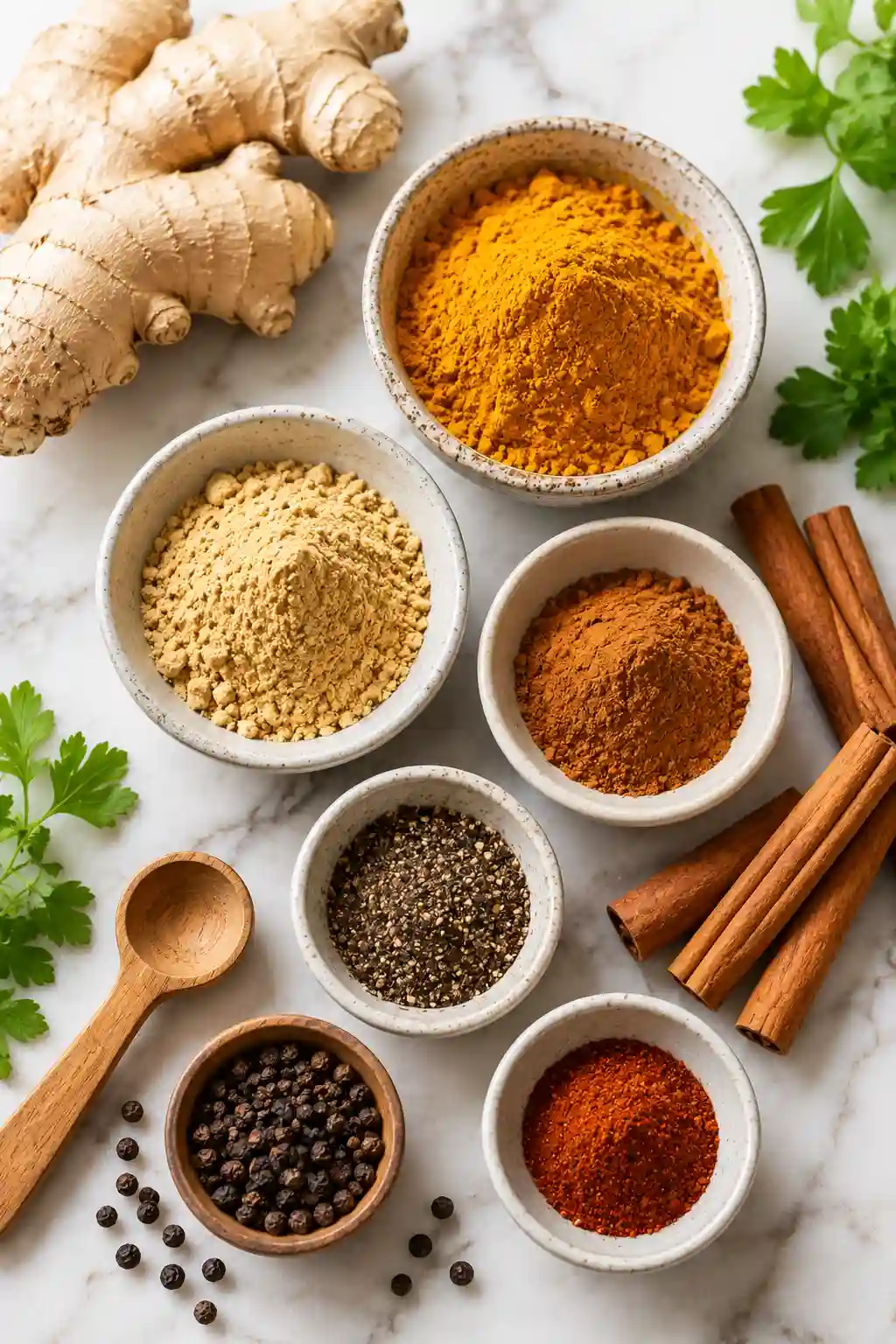
Use these exact measurements for one master batch:
- 3 tablespoons ground turmeric
- 2 tablespoons ground ginger
- 2 tablespoons ground Ceylon cinnamon
- 1 teaspoon ground black pepper
- 1/2 teaspoon ground cayenne pepper (optional but recommended)
This produces roughly 30 servings when using about 1/2 teaspoon daily.
Why Ingredient Quality Changes Results
Spices lose aroma and active compounds over time.
Fresh turmeric should smell earthy and warm. Old turmeric often smells flat. The same applies to ginger and cinnamon.
For daily blends:
- Choose organic spices when possible
- Check expiration dates carefully
- Buy smaller amounts if usage is low
- Store away from heat and sunlight
Quality matters more than quantity.
Fresh Spices vs Old Spices
Many people prepare the Dementia Prevention Spice Blend Recipe using spices hidden in cabinets for years.
Common signs spices have lost freshness:
- Weak aroma
- Pale color
- Hard clumps
- Bitter or dull flavor
Ground spices are strongest within months after opening.
Why Ceylon Cinnamon Is Worth Seeking Out
Using true Ceylon cinnamon instead of common Cassia cinnamon is one of the easiest upgrades.
Look for labels stating:
- “Ceylon cinnamon”
- “True cinnamon”
- Scientific name: Cinnamomum verum
This matters most for people planning regular use.
Recommended Master Ratio at a Glance
| Ingredient | Amount | Purpose |
| Turmeric | 3 tbsp | Curcumin source |
| Ginger | 2 tbsp | Flavor and digestive support |
| Ceylon cinnamon | 2 tbsp | Warm taste and lower coumarin content |
| Black pepper | 1 tsp | Piperine for absorption |
| Cayenne pepper | 1/2 tsp | Capsaicin and mild heat |
The Dementia Prevention Spice Blend Recipe stays practical because every ingredient is common, affordable, and easy to find in most grocery stores.
How to Make the Dementia Prevention Spice Blend Recipe Step by Step
Making the Dementia Prevention Spice Blend Recipe takes only a few minutes, but small preparation details affect texture, freshness, and storage life. The goal is a smooth, evenly mixed powder without moisture or clumps.
Step 1: Measure Spices Accurately
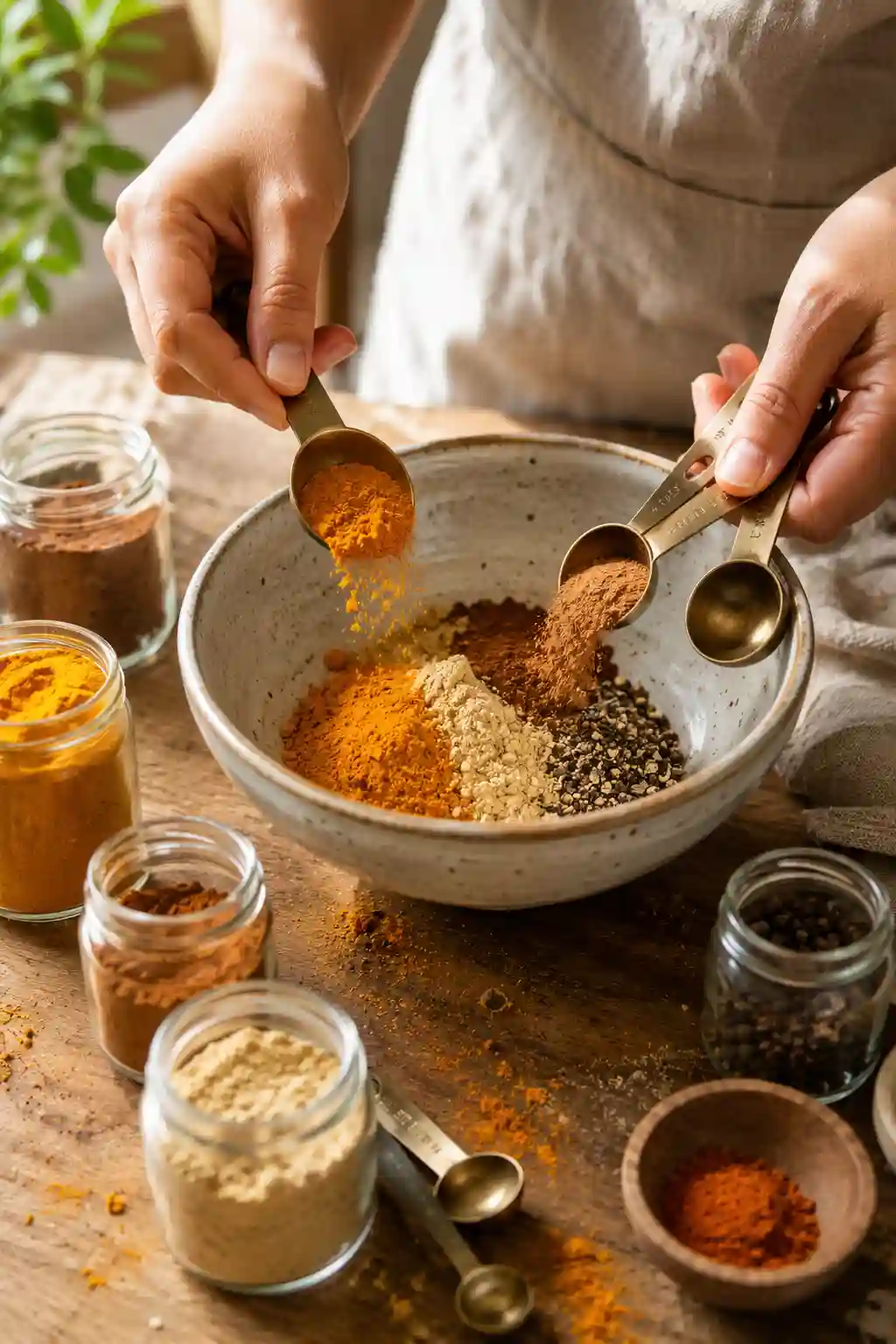
Use completely dry measuring spoons.
Turmeric sticks to moisture quickly and can stain counters, wood surfaces, and fabric. Measuring over parchment paper helps reduce cleanup.
Add to a bowl:
- 3 tbsp turmeric
- 2 tbsp ginger
- 2 tbsp Ceylon cinnamon
- 1 tsp black pepper
- 1/2 tsp cayenne pepper
Accuracy matters because too much pepper or cayenne changes flavor balance fast.
Step 2: Mix Until the Color Looks Uniform
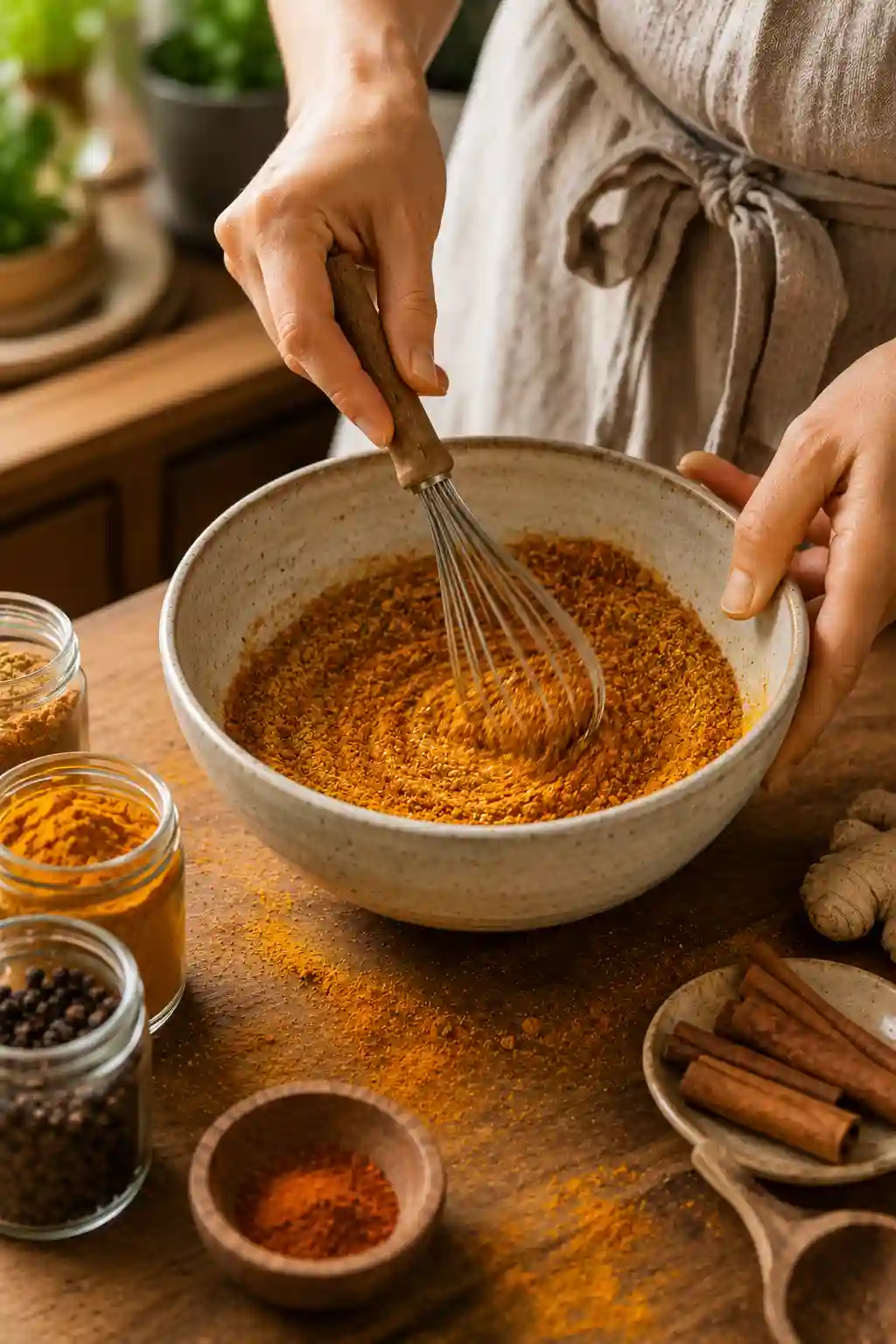
Whisk the spices together for around 60 seconds.
Keep mixing until:
- No dark pepper streaks remain
- Turmeric spreads evenly
- Color appears consistent throughout
Uneven color often means ingredients are not fully distributed.
Step 3: Break Apart Lumps
Older spices sometimes harden.
Use the back of a spoon to press small clumps against the bowl. Smooth powder stores longer and blends better into drinks or meals.
This simple step improves the texture of the Dementia Prevention Spice Blend Recipe during daily use.
Step 4: Transfer to a Glass Jar and Label It
Pour the finished blend into:
- Small mason jar
- Airtight spice container
- Dark glass storage jar
Write the preparation date directly on the label.
Knowing when you made the batch helps track freshness.
Common Preparation Mistakes
Avoid these errors when making the Dementia Prevention Spice Blend Recipe:
- Using damp spoons
- Skipping black pepper
- Using Cassia cinnamon instead of Ceylon
- Storing near heat sources
- Mixing expired spices
Quick Sourcing Guide for US Kitchens
Many readers ask where to buy quality ingredients.
Good places include:
For Ceylon cinnamon
- Whole Foods
- Trader Joe’s
- Organic online spice shops
For affordable bulk spices
- Local Indian grocery stores
- Patel Brothers markets
- International food stores
Buying spices in moderate amounts often keeps them fresher than oversized containers.
Once prepared correctly, the Dementia Prevention Spice Blend Recipe becomes easy to keep as a daily kitchen habit rather than an occasional trend.
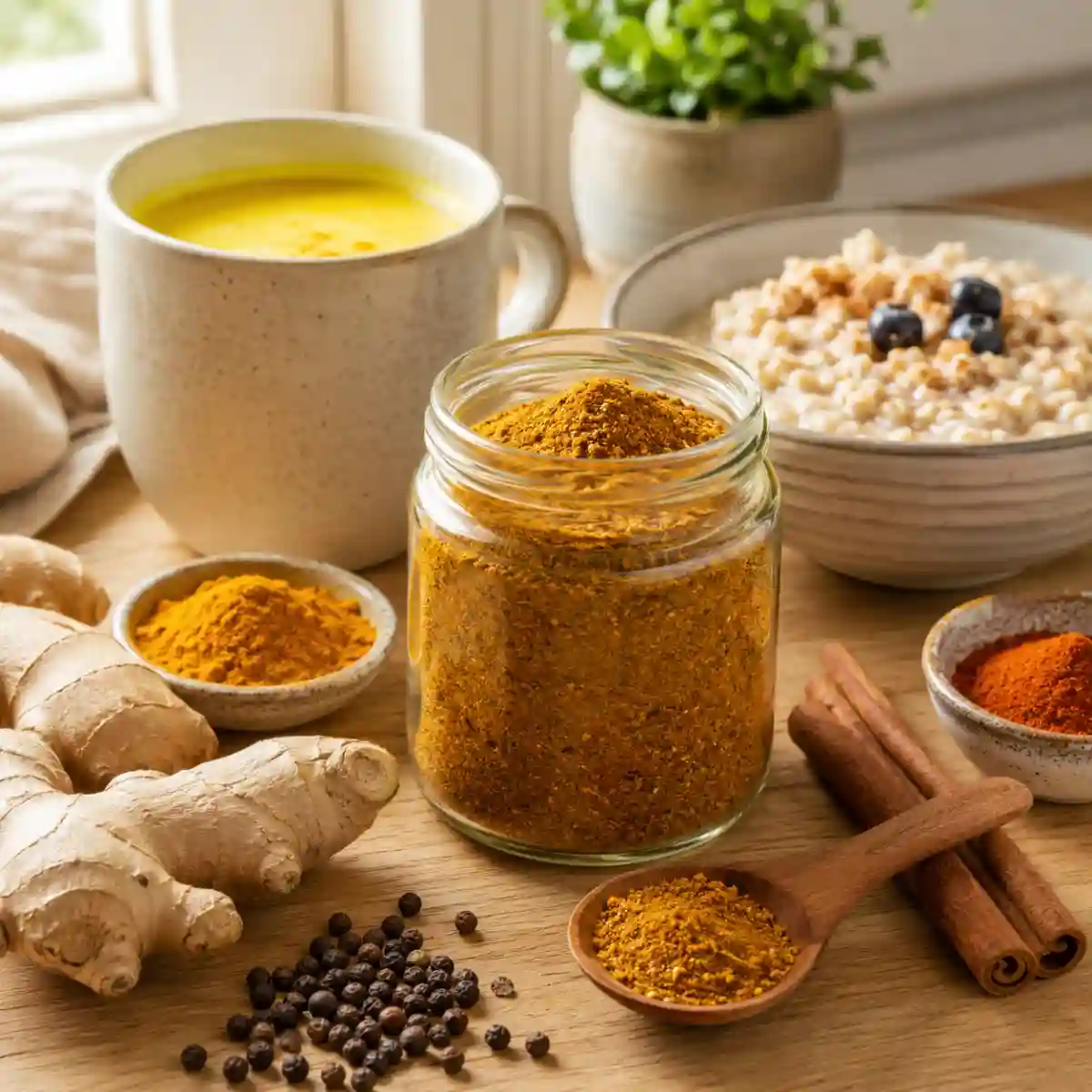

Dementia Prevention Spice Blend Recipe
Ingredients
Method
- Measure all spices using dry measuring spoons.
- Add spices to a bowl and whisk for about 60 seconds until color appears even.
- Break apart visible clumps using the back of a spoon.
- Transfer mixture into a clean airtight glass jar.
- Label with preparation date and store away from heat or moisture.
- Use approximately 1/2 teaspoon:
- Stir into oatmeal
- Add to Greek yogurt
- Mix into warm milk drinks
- Sprinkle into soups or lentils
- Blend into smoothies
Notes
| Nutrient | Approximate Amount |
| Calories | 4 to 6 kcal |
| Total Fat | 0.1 g |
| Saturated Fat | 0 g |
| Carbohydrates | 1 g |
| Dietary Fiber | 0.4 g |
| Sugars | 0 g |
| Protein | 0.1 g |
| Sodium | 0 to 2 mg |
| Potassium | 15 to 25 mg |
| Cholesterol | 0 mg |
| Iron | Small natural amount |
| Calcium | Trace amount |
- Do not skip black pepper because it supports curcumin absorption.
- Use Ceylon cinnamon rather than Cassia for regular use.
- Pair with healthy fats such as yogurt or coconut milk when possible.
- Avoid damp spoons to reduce clumping.
TikTok Viral Honey Paste Version of the Dementia Prevention Spice Blend Recipe
The honey paste version became popular because it feels easier than measuring powder every day. Many social media videos show people taking a spoonful in the morning, often without explaining ingredient quality or serving size.
This variation keeps the warm spice flavor while creating a smoother texture. The Dementia Prevention Spice Blend Recipe can be turned into a paste in less than two minutes using ingredients many kitchens already have.
How to Make the Sweet Honey Variation
In a clean bowl, combine:
- 1 tablespoon prepared spice blend
- 1/2 cup raw honey or pure dark maple syrup
- 1 teaspoon fresh lemon juice
Stir slowly until the mixture becomes smooth.
The result should look thick but spreadable.
Honey vs Maple Syrup: Which Works Better?
Both options work, but they change taste.
Raw honey:
- Sweeter flavor
- Thicker texture
- Traditional choice in viral recipes
Pure maple syrup:
- Vegan alternative
- Lighter consistency
- Less sticky in drinks
Choose based on dietary preference.
Why Intense Heat Matters
Avoid boiling raw honey.
High temperatures can reduce some naturally occurring compounds found in honey. Many people stir the paste into warm liquids instead of very hot drinks.
Room temperature preparation is safest.
Best Ways to Use the Honey Paste
Small amounts fit easily into routines.
Try adding the mixture to:
- Warm milk drinks
- Morning oatmeal
- Greek yogurt bowls
- Toast with nut butter
- Smoothies
Because turmeric compounds are fat soluble, pairing servings with yogurt, milk, or healthy fats may support absorption.
Storage Tips for the Honey Version
Store the finished paste in a sealed glass jar away from direct sunlight.
Recommended shelf life:
- Pantry: up to 3 months in cool conditions
- Avoid refrigeration when possible because texture may harden or crystallize
The Dementia Prevention Spice Blend Recipe stays more flexible as a dry mix, but the honey version appeals to people who prefer quick servings and sweeter flavors. Many readers use both methods depending on the season or routine.
Smart Dietary Variations for Different Needs
Different eating habits need different adjustments. A spice blend that works for one person may not fit another person’s routine, digestion, or nutrition goals. Small changes can make recipes easier to use consistently.
The Dementia Prevention Spice Blend Recipe can adapt to several dietary patterns without changing the main preparation method.
| Dietary Need | Suggested Change | Reason |
| Diabetic Friendly | Skip honey paste and use unsweetened plant milk | Limits added sugars |
| Low FODMAP | Lower ginger and remove cayenne | May feel gentler on digestion |
| Vegan | Replace honey with maple syrup | Keeps recipe plant based |
| Keto | Pair with full fat yogurt or coconut milk | Fits lower carb eating |
| Higher Protein | Add to Greek yogurt or smoothies | Easier daily use |
Diabetic Friendly Variation
People managing blood sugar often avoid sweet additions.
Instead of honey paste, try mixing the blend into:
- Unsweetened almond milk
- Plain oatmeal
- Greek yogurt
- Smoothies without sweeteners
Overall eating habits still matter more than one ingredient.
Low FODMAP Option for Sensitive Digestion
Some individuals react strongly to spicy foods.
Possible adjustments:
- Reduce ginger slightly
- Remove cayenne pepper completely
- Start with smaller servings
Changes should depend on personal tolerance.
Vegan and Plant Based Ideas
This spice mixture already fits many vegan routines.
Common pairings include:
- Oat milk lattes
- Coconut yogurt
- Chia pudding
- Maple syrup version
Few modifications are needed.
The Premium Saffron Upgrade
A tiny pinch of saffron can be added to individual servings.
Researchers continue studying saffron in discussions around mood and wellness. Because saffron is expensive, only a small amount is needed.
Try adding saffron to:
- Warm drinks
- Oatmeal
- Yogurt bowls
Should You Modify the Original Formula?
Many readers wonder if changing ingredients reduces value. Usually, adjustments depend on digestion, taste preference, and lifestyle.
The original formula remains the simplest place to start. Over time, the Dementia Prevention Spice Blend Recipe can be adjusted to fit personal routines without making preparation complicated.
Long term consistency often matters more than strict perfection, which is why many people keep the Dementia Prevention Spice Blend Recipe flexible instead of identical every day.
How to Use the Dementia Prevention Spice Blend Recipe Daily
A spice blend only becomes useful when it fits into everyday meals. Many people prepare a batch, use it once, then forget it in the cupboard. Daily habits are usually simpler than complicated routines.
The Dementia Prevention Spice Blend Recipe works best when added to foods already part of your week.
Morning Oatmeal Ideas
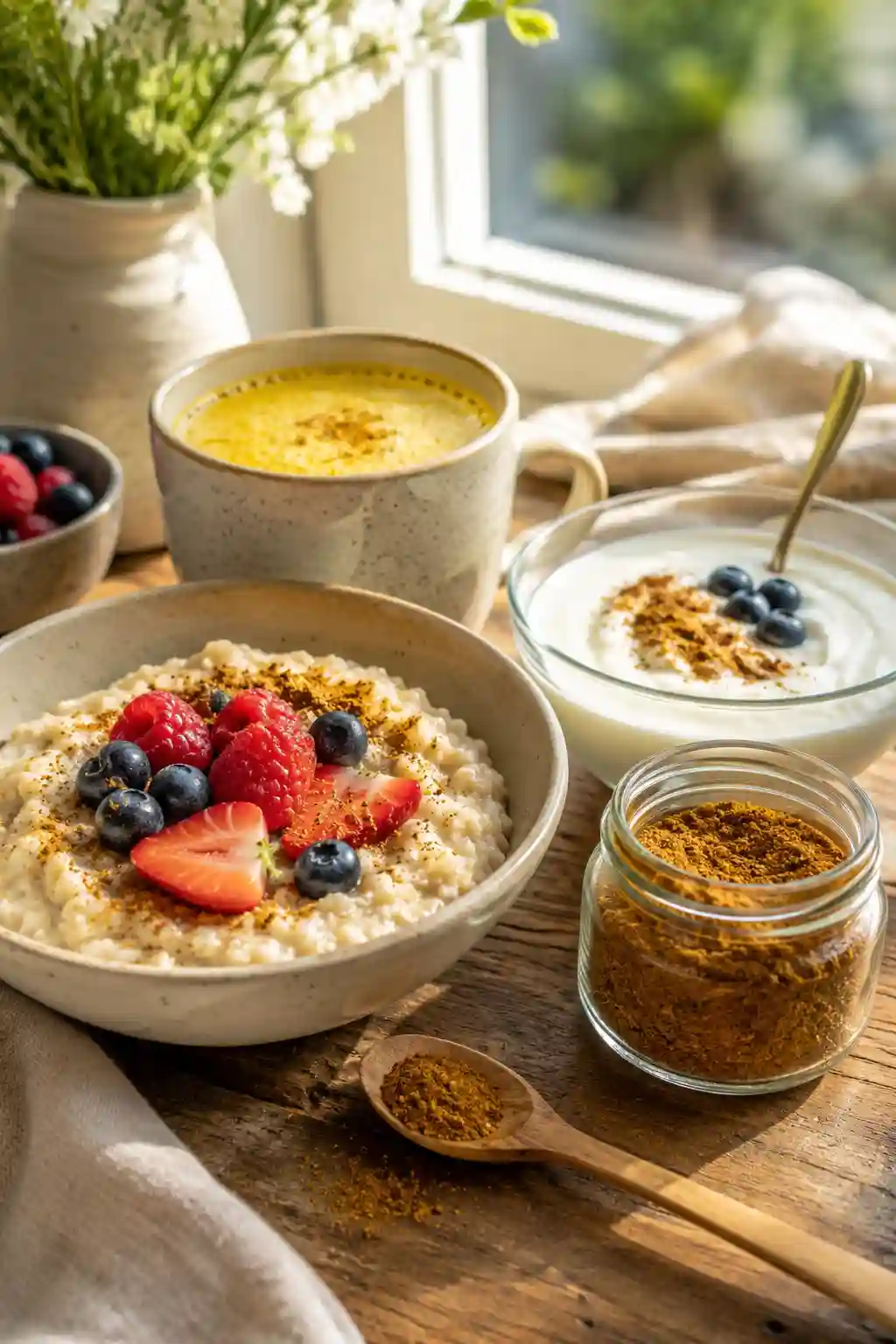
Warm oatmeal is one of the easiest options.
Try adding:
- 1/2 teaspoon spice blend
- Chopped walnuts
- Fresh berries
- Plain Greek yogurt
- Unsweetened almond milk
The warm texture mixes spices evenly without extra preparation.
Greek Yogurt Bowls and Breakfast Pairings
Plain yogurt balances stronger flavors like turmeric and ginger.
Combine with:
- Blueberries
- Chia seeds
- Crushed almonds
- Honey if desired
Using yogurt or full fat dairy also adds fat, which matters because curcumin is fat soluble.
Golden Milk Style Drinks
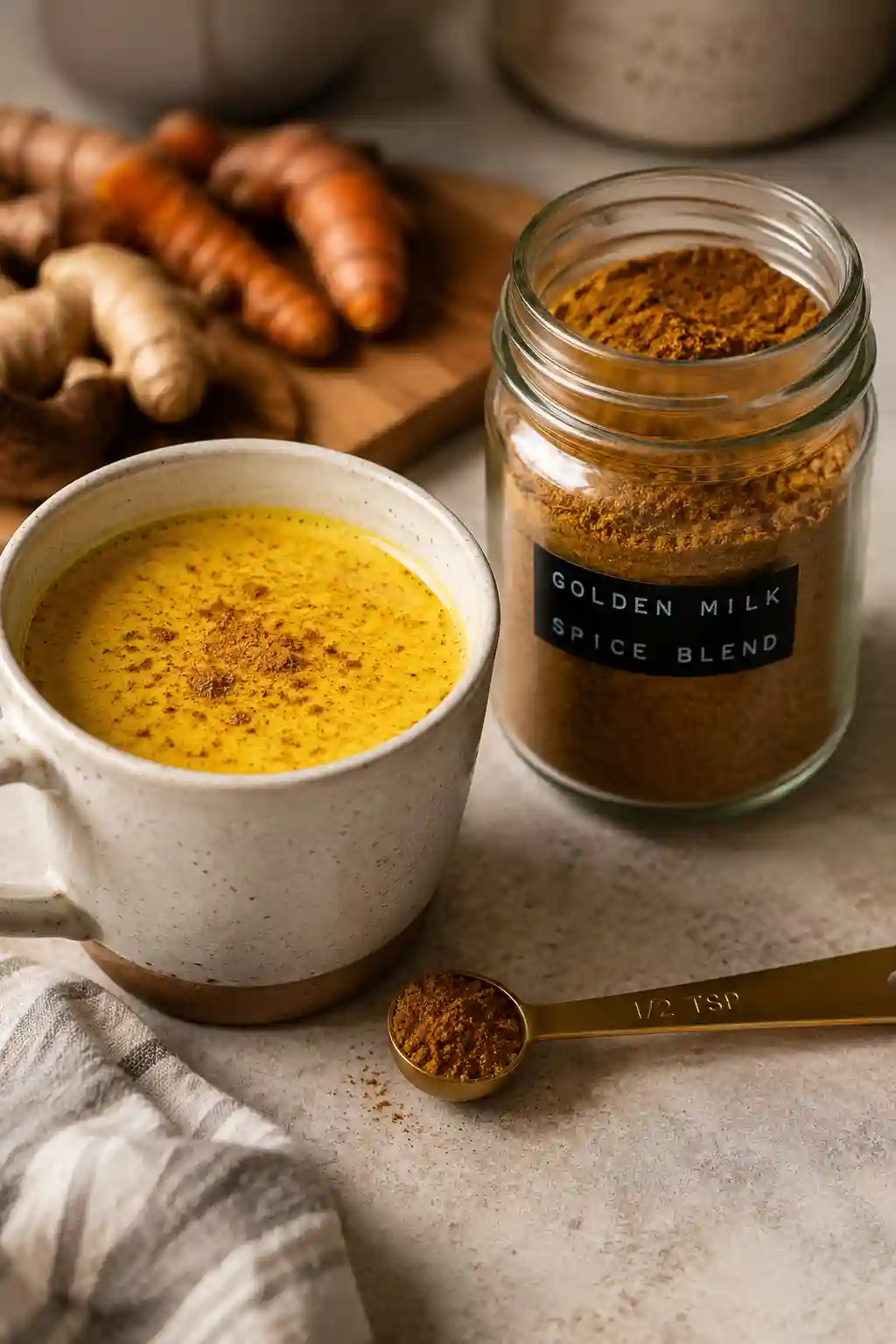
Many readers first discover this blend through golden milk recipes.
Basic serving idea:
- Warm milk or plant milk
- Stir in a small amount of spice blend
- Add cinnamon or maple syrup if preferred
- Mix well before drinking
This method feels easier during colder months.
Smoothies and Protein Drinks
The blend can also be added to:
- Banana smoothies
- Protein shakes
- Peanut butter drinks
- Berry smoothies
Start with small amounts because turmeric flavor becomes strong quickly.
Savory Meals and Soups
The Dementia Prevention Spice Blend Recipe does not need to stay in breakfast foods.
Small amounts fit into:
- Lentil soups
- Vegetable stews
- Rice dishes
- Roasted vegetables
- Chickpea recipes
Savory meals often hide spice flavors better than drinks.
The Blooming Technique Used in Cooking
Professional cooks often bloom spices before adding liquids.
Simple method:
- Heat oil or ghee gently
- Add about 1 teaspoon spice blend
- Stir for roughly 30 seconds
- Add vegetables, broth, or other ingredients
This helps deepen aroma and flavor.
Why Pairing With Healthy Fat Matters
Curcumin is considered fat soluble.
Pairing meals with:
- Coconut milk
- Full fat yogurt
- Olive oil
- Avocado oil
- Butter
may support absorption better than consuming spices alone.
The Dementia Prevention Spice Blend Recipe becomes easier to maintain when added to familiar foods instead of treated like a separate daily task. Consistency often matters more than perfect timing or complicated routines.
Storage Tips, Shelf Life, and Common Mistakes
Good storage affects flavor, freshness, and texture more than many people expect. Spices slowly lose aroma over time, especially when exposed to heat, light, or moisture.
The Dementia Prevention Spice Blend Recipe keeps well when stored correctly, but poor storage habits can reduce quality long before the jar is empty.
Pantry Storage Rules
Store the dry blend in:
- Airtight glass jars
- Dark cupboards
- Cool kitchen spaces away from ovens or sunlight
Labeling the preparation date helps track freshness.
A small 4 ounce mason jar often works well for one batch.
Should You Refrigerate It?
Many people assume refrigeration keeps spices fresh longer.
For dry blends, refrigeration may create condensation when jars move between cold and warm temperatures. Moisture encourages clumping and can harden powders.
Room temperature storage is usually better.
Recommended Shelf Life
Approximate storage times:
| Version | Storage Time | Best Location |
| Dry spice blend | Up to 6 months | Cool, dark cupboard |
| Honey paste variation | Up to 3 months | Pantry away from heat |
Fresh spices tend to taste strongest within the first months after preparation.
Signs Your Blend Has Lost Freshness
Check for:
- Weak smell
- Pale color
- Large hard clumps
- Flat or bitter taste
These signs often mean the ingredients have aged.
The Dementia Prevention Spice Blend Recipe should have a warm aroma with noticeable cinnamon and turmeric notes.
Common Mistakes That Reduce Quality
Avoid these frequent errors:
Skipping black pepper
This changes curcumin absorption potential.
Using regular Cassia cinnamon daily
Ceylon cinnamon is often preferred for routine use.
Expecting immediate results
Food habits generally work through long term consistency rather than overnight change.
Using damp measuring spoons
Moisture shortens shelf life quickly.
Simple Habit That Makes Daily Use Easier
Some people keep a dedicated 1/2 teaspoon measuring spoon directly inside the jar.
This reduces effort and makes the Dementia Prevention Spice Blend Recipe easier to use regularly instead of forgetting it in the cupboard.
Long term routines often depend on convenience as much as motivation, which is why storage matters almost as much as preparation.
Nutrition Information for the Dementia Prevention Spice Blend Recipe
The values below are estimated for 1 serving (about 1/2 teaspoon) of the dry blend. Exact nutrition changes depending on spice brands and ingredient freshness.
| Nutrient | Approximate Amount per 1/2 tsp | Notes |
| Calories | 4 to 6 kcal | Very low calorie serving |
| Total Carbohydrates | 1 g | Mostly from natural plant compounds |
| Fiber | 0.4 g | Small contribution from spices |
| Protein | 0.1 g | Minimal |
| Total Fat | 0.1 g | Naturally low |
| Sugar | 0 g | No added sugar in dry blend |
| Sodium | 0 to 2 mg | Naturally very low |
| Potassium | 15 to 25 mg | Varies by spice source |
| Curcumin Source | Present from turmeric | Amount differs by turmeric quality |
| Piperine Source | Present from black pepper | Supports curcumin absorption |
| Gingerol Compounds | Present from ginger | Naturally occurring compounds |
| Capsaicin | Present from cayenne | Only in blends containing cayenne |
Estimated Nutrition for the Honey Paste Version
If using 1 tablespoon spice blend + 1/2 cup raw honey, nutritional values increase.
| Nutrient | Approximate Amount per Serving | Notes |
| Calories | 20 to 30 kcal | Depends on honey amount |
| Sugar | 5 to 7 g | Mainly from honey |
| Carbohydrates | 5 to 8 g | Higher than dry version |
| Fat | <1 g | Very low |
| Fiber | 0.3 g | Small amount from spices |
Important Note About Nutrition Values
The Dementia Prevention Spice Blend Recipe is used in small servings, so its nutritional impact comes more from long term dietary habits than from calories or macronutrients alone. These numbers are estimates and should not replace professional dietary guidance.
Final Thoughts on the Dementia Prevention Spice Blend Recipe
The internet often turns simple food habits into dramatic promises. That is one reason the Dementia Prevention Spice Blend Recipe became so popular. People want practical routines that fit everyday life.
This guide shared the ingredient ratios, preparation steps, safety notes, storage tips, and common modifications openly instead of hiding them behind signups or exaggerated claims.
The most useful takeaway is simple:
- Consistency usually matters more than perfection
- Balanced eating patterns matter more than one ingredient
- Sleep, movement, stress management, and overall diet still play major roles in long term health
- Small habits are easier to keep than strict routines
The Dementia Prevention Spice Blend Recipe may fit into breakfasts, soups, warm drinks, or cooking habits. Think of it as a kitchen staple rather than a shortcut.
Good routines tend to last because they are realistic. That often matters more than any viral trend.
More Healthy & Wellness Recipes You’ll Love
- Sanjay Gupta Chai Tea Recipe – A warming tea blend linked to brain health and wellness habits.
- Benefits of Drinking Matcha Daily – Learn how antioxidants may support focus and overall health.
- Green Tea with Honey – A simple drink rich in antioxidants and calming properties.
- Jamu Recipe – A traditional anti-inflammatory drink used to support long-term wellness.
FAQs About the Dementia Prevention Spice Blend Recipe
Questions about timing, serving size, and daily use appear often because viral wellness recipes rarely explain the details. The answers below focus on practical habits instead of unrealistic promises.
1. What Is the Best Time of Day to Take It?
There is no proven ideal time.
Many people prefer using the blend:
In morning oatmeal
With breakfast yogurt
In warm milk drinks
Added to soups or lunches
The best time is usually when the habit feels easy to repeat consistently.
2. Can Children Consume This Spice Blend?
Small culinary amounts used in family meals differ from concentrated daily routines.
Parents with concerns about age, medications, digestion, or health conditions should ask a pediatric healthcare professional before introducing regular use.
3. How Much Should You Use Daily?
A common homemade serving is:
1/2 teaspoon daily
People sensitive to spicy foods may prefer starting with smaller amounts.
Using more does not automatically mean better results.
4. Can You Use This Blend While Taking Medication?
Extra caution may be needed for individuals taking:
Blood thinners
Diabetes medication
Blood pressure medication
Multiple prescriptions
When uncertain, medical advice is the safest option.
5. How Long Before People Notice Changes?
Food habits rarely create immediate effects.
The Dementia Prevention Spice Blend Recipe works better as part of broader lifestyle habits rather than a quick solution. Sleep, exercise, stress levels, and overall diet often matter more than one recipe.
6. What Does Research Say About Dietary Turmeric Compared With Supplements?
Many studies use concentrated turmeric or curcumin supplements rather than everyday cooking amounts.
Results from supplements cannot automatically be applied to homemade spice blends. Researchers continue studying curcumin absorption, oxidative stress, and inflammatory pathways, but evidence remains developing.
7. Is the Dementia Prevention Spice Blend Recipe Better Than Turmeric Supplements?
Not necessarily.
Supplements and food serve different purposes. Homemade spice blends use culinary amounts within meals, while supplements often contain concentrated extracts.
The better choice depends on health status, goals, tolerance, and professional guidance. Long term eating patterns usually matter more than searching for one perfect ingredient.
Quick Medical Safety Checklist
Speak with a healthcare professional before using this spice blend regularly if you:
- Take multiple daily prescriptions or manage chronic conditions
- Take blood thinners such as Warfarin, Aspirin, or other anticoagulants
- Use medication for diabetes or blood pressure management
- Have gallbladder disease or gallstones
- Have iron deficiency or are receiving iron treatment
- Are pregnant or breastfeeding
This recipe is food, not medical treatment. No ingredient in this guide is intended to prevent, treat, or cure dementia, Alzheimer’s disease, or cognitive decline.