Matcha Taho with Brown Sugar Sago brings together two flavors that feel surprisingly natural in one bowl. It combines the soft, warm comfort of traditional Filipino taho with the rich green tea taste of matcha, creating a dessert that feels both familiar and fresh.
Have you ever heard a street vendor calling out “Taho!” early in the morning?
I still remember hearing that call as the day began. Like many people who grew up enjoying Filipino snacks, I would wait for a warm cup filled with silky tofu, sweet arnibal, and chewy sago pearls. That simple treat always felt comforting.
Now, let me ask you something.
What if that same classic taho carried the earthy flavor of Japanese matcha?
The first time I tried the combination, I was unsure what to expect. Would the green tea overpower the dessert? Would it take away from the traditional taste? After a few tests in my kitchen, the answer became clear. Matcha blends beautifully with taho.
The reason is simple. Traditional arnibal syrup has a deep caramel-like sweetness from dark brown sugar. Matcha adds a gentle earthy note that balances that sweetness. Each spoonful feels smooth, rich, and pleasantly layered with flavor.
This modern take keeps everything people love about taho. You still get velvety soft silken tofu. You still get chewy brown sugar sago pearls. You still get warm syrup running through every layer. The matcha simply adds a fresh character that turns a beloved Filipino favorite into something memorable.
Whether you are a longtime taho fan or trying it for the first time, this recipe offers a delicious meeting point between Filipino street food tradition and Japanese green tea culture.
Table of Contents
Table of Contents
What is Taho? (From Douhua to Matcha Innovation)
The Origins of Taho
Taho is a traditional Filipino snack made from soft silken tofu, sweet syrup, and sago pearls. While it is widely associated with the Philippines today, its roots can be traced back to Chinese douhua, a delicate soybean pudding enjoyed across many parts of Asia.
As the dish became popular in the Philippines, local communities adapted it to match local tastes. Street vendors known as magtataho began serving warm cups of taho during the early morning hours, creating a food tradition that continues to this day. The popularity of Matcha Taho with Brown Sugar Sago comes from this same foundation, building on a dessert that generations have enjoyed for decades.
Why Taho Remains a Filipino Favorite
For many Filipinos, taho is connected to childhood memories, family routines, and simple moments of comfort. The combination of warm tofu, sweet arnibal, and chewy pearls creates a dessert that is satisfying without feeling heavy.
Another reason for its lasting appeal is its simplicity. A few basic ingredients come together to create a unique texture and flavor experience. This simple structure also allows new variations to emerge while preserving the character of the original dish. That flexibility has helped modern creations such as Matcha Taho with Brown Sugar Sago gain attention among both traditional taho lovers and younger food enthusiasts.
Why Matcha Works So Well with Taho
Matcha brings an earthy green tea flavor that pairs naturally with brown sugar syrup. The slight bitterness of culinary-grade matcha balances the sweetness of arnibal, creating a more layered flavor profile.
The smooth texture of silken tofu also complements matcha beautifully. Rather than competing with one another, the ingredients work together to create a balanced dessert experience. This is one reason Matcha Taho with Brown Sugar Sago feels like a natural extension of the classic recipe rather than a complete departure from it.
By combining Filipino street food traditions with Japanese green tea culture, this modern variation offers a fresh way to enjoy a beloved favorite while still respecting its origins.
Essential Ingredients & Smart Substitutions
Soft Silken Tofu
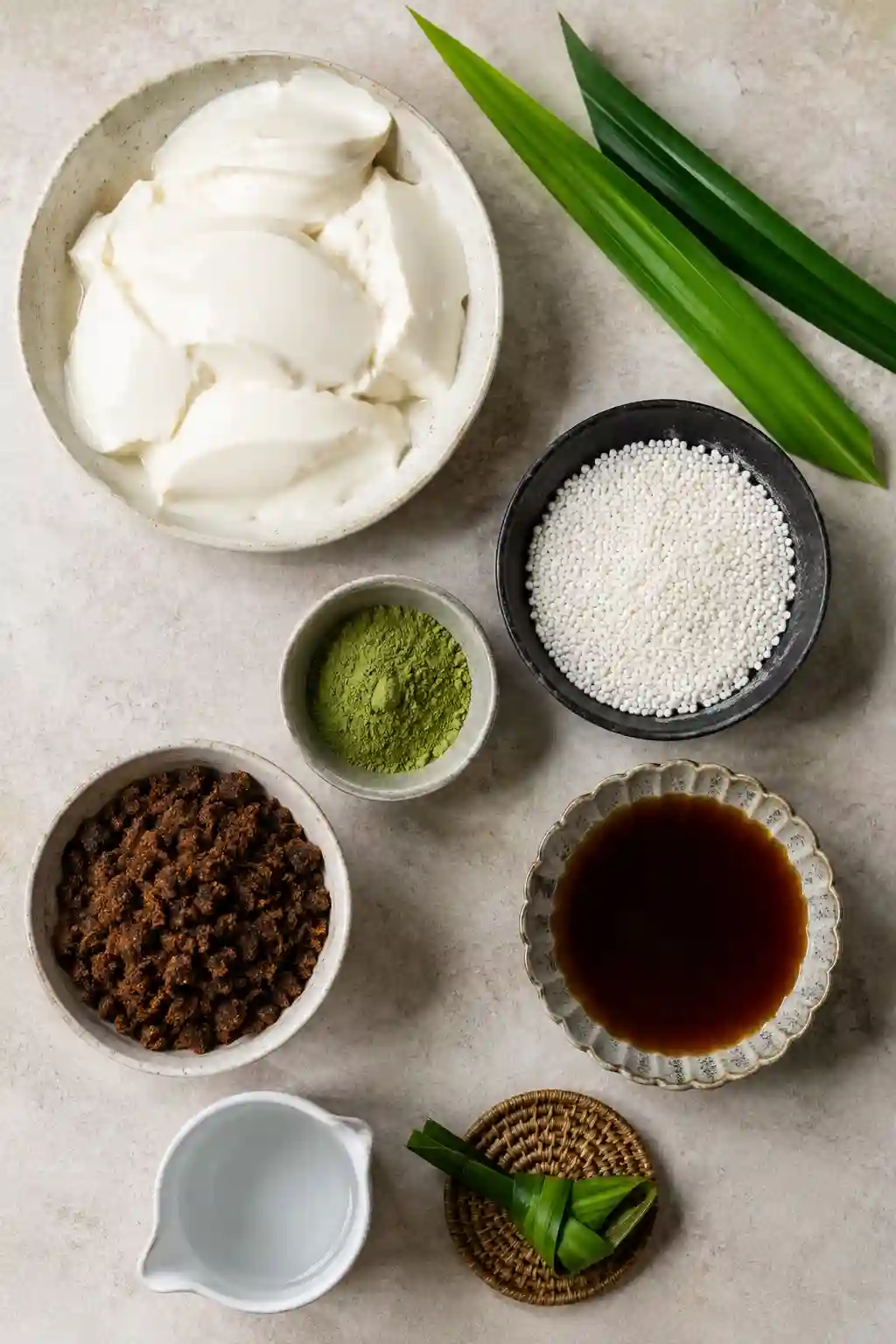
The foundation of any great taho is soft silken tofu. For the best texture, choose refrigerated silken tofu found in the chilled section of the grocery store. It has a delicate, custard-like consistency that creates the smooth mouthfeel people expect from taho.
Avoid firm tofu, extra-firm tofu, or shelf-stable boxed varieties whenever possible. These products are denser and can change the texture of the final dessert. If you want an authentic experience, refrigerated silken tofu is the best choice for Matcha Taho with Brown Sugar Sago.
Culinary Grade Matcha Powder
Not all matcha powders are the same. For this recipe, culinary-grade matcha is the better option. It has a stronger flavor and maintains its vibrant green color when mixed into warm ingredients.
Ceremonial-grade matcha is often reserved for drinking because of its delicate taste and higher price. Since taho includes sweet syrup and other ingredients, culinary-grade matcha delivers a richer flavor that stands out in Matcha Taho with Brown Sugar Sago without unnecessary cost.
Brown Sugar Arnibal
Arnibal is the sweet syrup traditionally poured over taho. Dark brown sugar creates a rich caramel flavor, while muscovado sugar adds even deeper molasses notes.
For extra aroma, many home cooks add a pandan leaf while the syrup simmers. If pandan is unavailable, a small amount of vanilla extract can add warmth and sweetness. The syrup should remain pourable rather than overly thick so it coats the tofu and pearls evenly.
Sago Pearls vs. Boba Pearls
Many people wonder whether sago pearls and boba pearls are the same thing. Traditional sago pearls are made from palm starch and are usually smaller in size. Boba pearls are commonly made from cassava starch, also known as tapioca starch.
Both options can work well in this recipe. Sago pearls create a lighter texture, while boba pearls offer a chewier bite. If traditional sago is difficult to find, tapioca pearls are a practical substitute for Matcha Taho with Brown Sugar Sago.
Optional Ingredients and Substitutions
Some versions of this dessert include soy milk and agar-agar powder when making a homemade matcha tofu base from scratch. These ingredients are not required if you are using store-bought silken tofu.
You can also adjust the sweetness level by increasing or reducing the syrup. Some cooks like adding a small pinch of salt to balance the sweetness, while others enjoy a splash of coconut milk for a richer finish.
Choosing quality ingredients makes a noticeable difference. When each component is prepared carefully, the flavors and textures come together to create a memorable bowl of Matcha Taho with Brown Sugar Sago.
Technical Comparison: Two Ways to Infuse Matcha
One of the most interesting parts of making Matcha Taho with Brown Sugar Sago is deciding where the matcha flavor should go. Some people prefer adding matcha directly into the syrup, while others like incorporating it into the tofu itself. Both methods create delicious results, but each offers a different experience.
Method 1: The Matcha Sugar Syrup (Arnibal)
This method is the easiest and most accessible option for home cooks. The process involves whisking sifted culinary-grade matcha into warm brown sugar syrup after the sugar has fully dissolved.
The result is a rich syrup with earthy green tea notes that flow through every layer of the dessert. Because the tofu remains plain, the traditional taho flavor is still easy to recognize. The matcha acts as an additional layer rather than the main feature.
This approach works especially well when using store-bought silken tofu. It requires fewer ingredients and less preparation time, making it ideal for busy days.
Why Choose the Matcha Syrup Method?
The syrup method allows you to control the intensity of the matcha flavor with ease. If you prefer a stronger green tea taste, simply add a little more matcha. If you want a milder profile, reduce the amount slightly.
Many first-time makers of Matcha Taho with Brown Sugar Sago choose this method because it delivers excellent flavor while keeping the preparation process simple.
Method 2: The Matcha Silken Tofu Base
This technique incorporates matcha directly into a homemade soy milk mixture before the tofu sets. The matcha becomes part of the tofu itself, creating a vibrant green layer from top to bottom.
To make this version, matcha is mixed into soy milk along with agar-agar or another setting agent. Once chilled and set, the tofu develops a striking appearance and a more evenly distributed green tea flavor.
The final result has a stronger matcha presence compared to the syrup method. Every spoonful carries the flavor because the tofu itself contains the green tea powder.
Why Choose the Matcha Tofu Method?
This option is often preferred by experienced home cooks who enjoy making tofu-based desserts from scratch. It creates a unique presentation and gives the dessert a bold green color that immediately stands out.
For those who want matcha to be the main flavor rather than a supporting note, this version of Matcha Taho with Brown Sugar Sago can be a great choice.
Which Method Is Better?
There is no single right answer. The syrup method is simpler, quicker, and closer to traditional taho. The tofu method requires more preparation but delivers a stronger green tea character and a more dramatic appearance.
Whichever approach you choose, both methods create a delicious bowl of Matcha Taho with Brown Sugar Sago that balances silky tofu, chewy pearls, rich brown sugar, and the distinctive taste of matcha.
Step-by-Step Cooking Guide
Now that the ingredients are ready and you have selected your preferred matcha infusion method, it is time to prepare the components that make Matcha Taho with Brown Sugar Sago so satisfying. Paying attention to texture at each stage will help you achieve the best results.
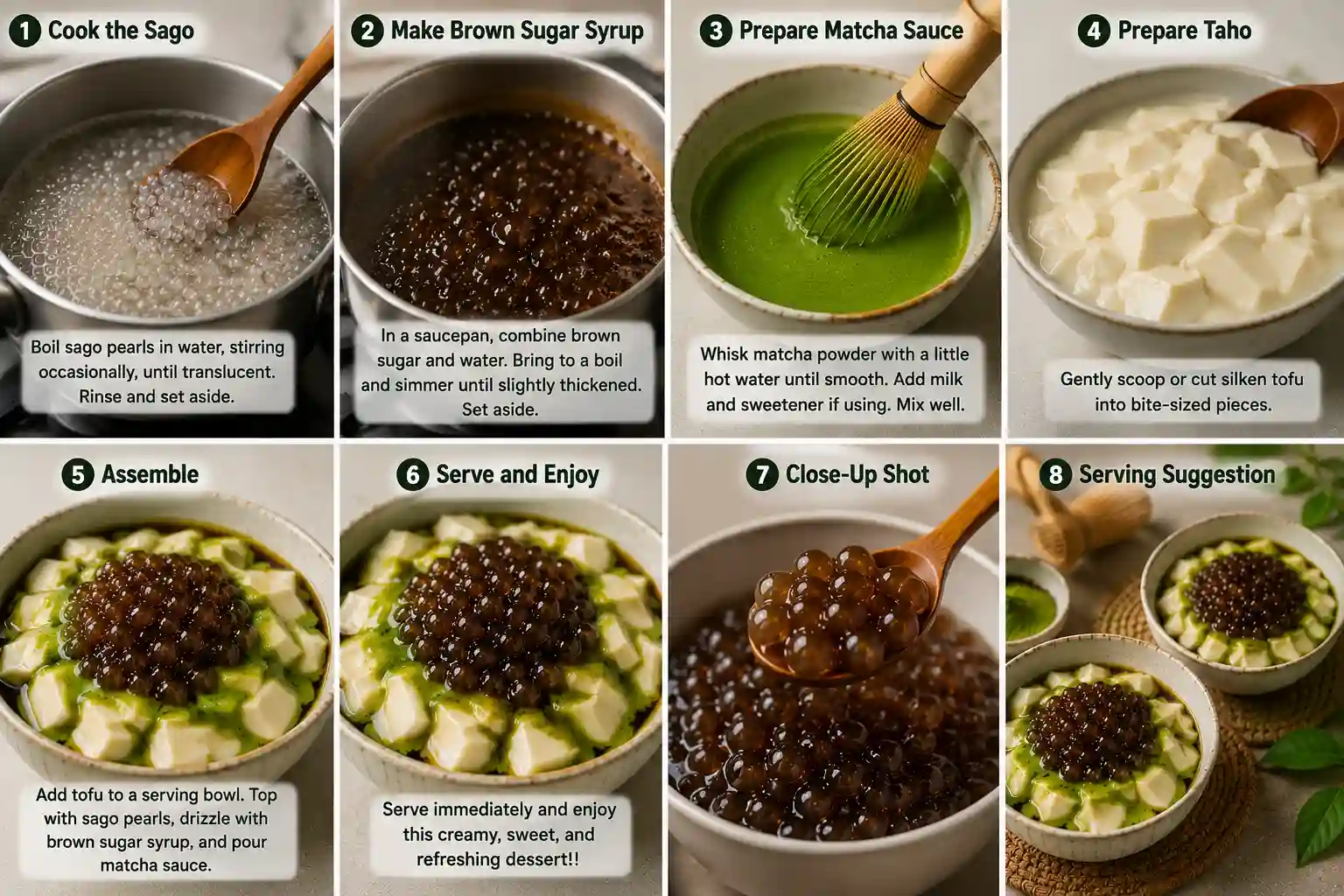
Step 1: Preparing the Brown Sugar Sago Pearls
Begin by bringing a pot of water to a rolling boil. Add the sago pearls and stir gently to prevent them from sticking together.
Cook the pearls according to their size. Small pearls usually cook faster, while larger pearls require more time. As they cook, the pearls will gradually become translucent.
For large pearls, a tiny white dot in the center is normal and usually disappears during the resting stage. Small pearls should become fully translucent before serving.
Once cooked, remove the pot from the heat and allow the pearls to rest in the hot water. Drain and rinse them briefly before transferring them to a bowl. A light coating of syrup can help keep them soft and prevent clumping.
Step 2: Simmering the Matcha Brown Sugar Arnibal
Combine water and dark brown sugar in a saucepan over medium heat. Stir until the sugar dissolves completely.
If using pandan leaf, add it during the simmering process to infuse the syrup with additional aroma. Once the syrup reaches a smooth consistency, remove it from the heat.
Sift the matcha powder into a separate bowl. Add a small amount of warm syrup and whisk until smooth. After the matcha mixture is free of lumps, stir it back into the remaining syrup.
This process helps create the rich flavor that makes Matcha Taho with Brown Sugar Sago unique while maintaining a smooth texture.
Step 3: Preparing and Steaming the Silken Tofu
Carefully remove the silken tofu from its package. Because silken tofu is very delicate, handle it gently to avoid breaking it into large pieces.
Place the tofu in a heat-safe dish and steam it for about 10 minutes. Warm tofu creates a more traditional taho experience and pairs beautifully with the syrup and pearls.
After steaming, keep the tofu warm until you are ready to assemble the dessert.
Step 4: Assembling the Dessert
Spoon warm silken tofu into serving cups or bowls. Add a generous layer of cooked sago pearls over the tofu.
Drizzle the warm matcha brown sugar syrup across the surface, allowing it to flow through the layers. The syrup should coat both the tofu and pearls evenly.
For the best experience, serve Matcha Taho with Brown Sugar Sago immediately while the tofu is warm and the pearls remain pleasantly chewy.
Each spoonful of Matcha Taho with Brown Sugar Sago brings together silky tofu, earthy matcha, rich brown sugar syrup, and tender pearls. The contrast of flavors and textures is what makes this dessert so memorable.
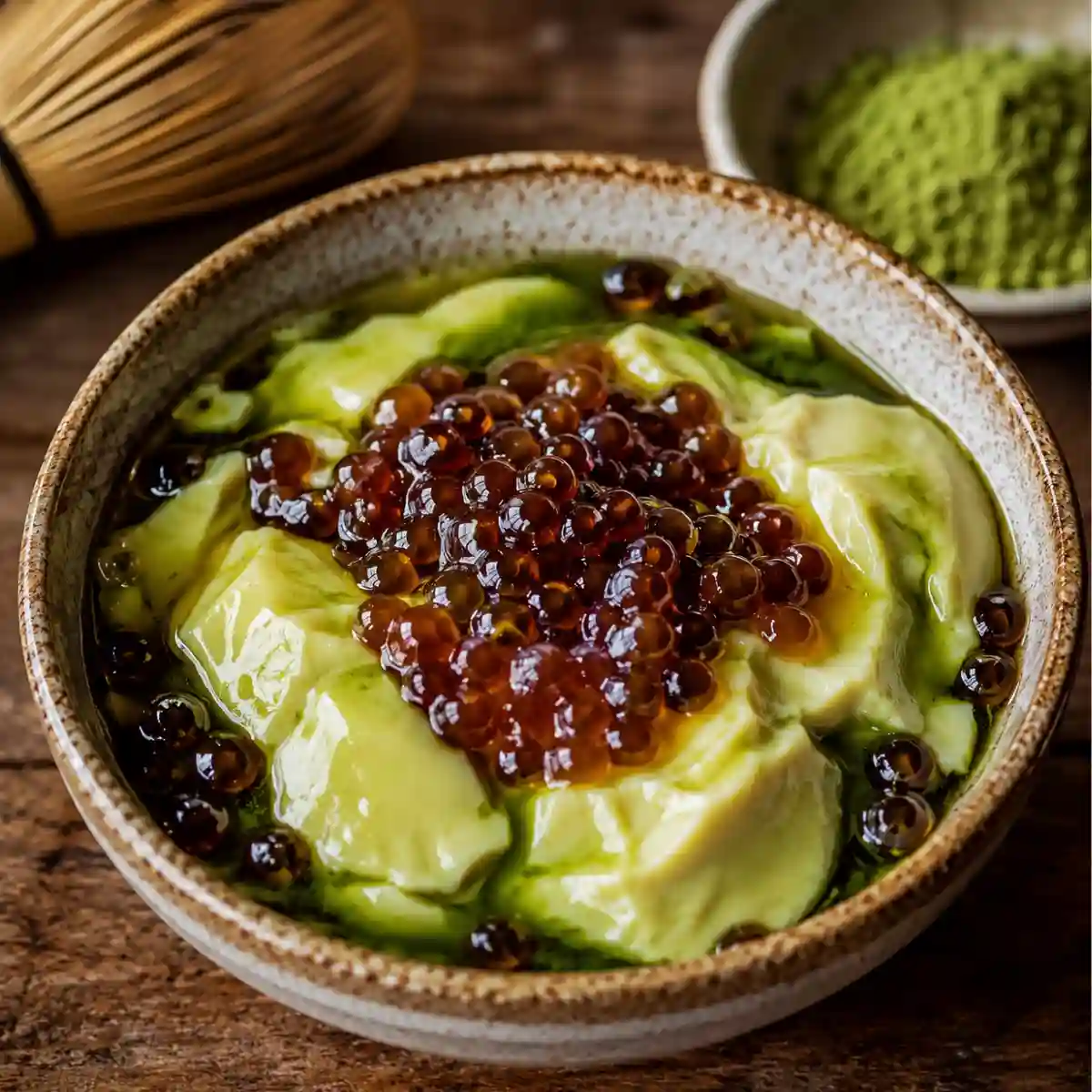

Matcha Taho with Brown Sugar Sago
Ingredients
Method
- Bring a large pot of water to a boil.
- Add the sago pearls and stir gently.
- Cook until the pearls become mostly translucent.
- Turn off the heat and let them rest in the hot water.
- Drain and rinse lightly.
- Set aside.
- Combine water and brown sugar in a saucepan.
- Add the pandan leaf if using.
- Simmer until the sugar fully dissolves.
- Remove from the heat.
- Whisk the sifted matcha with a few spoonfuls of warm syrup until smooth.
- Stir the matcha mixture back into the syrup.
- Carefully transfer the silken tofu to a heat-safe dish.
- Steam for about 10 minutes.
- Keep warm until serving.
- Spoon warm tofu into serving bowls.
- Add a generous amount of sago pearls.
- Drizzle with the matcha brown sugar arnibal.
- Serve immediately.
- Refrigerated silken tofu gives the best texture.
- Sift matcha before mixing to avoid clumps.
- Freshly cooked pearls have the best chew.
- Matcha Taho with Brown Sugar Sago is delicious warm or chilled.
- For a stronger green tea flavor, add a little extra matcha to the syrup.
- Matcha Taho with Brown Sugar Sago is best assembled just before serving.
Notes
| Nutrient | Amount |
| Calories | 245 kcal |
| Carbohydrates | 38 g |
| Protein | 8 g |
| Fat | 6 g |
| Saturated Fat | 1 g |
| Fiber | 2 g |
| Sugar | 24 g |
| Sodium | 18 mg |
| Calcium | 160 mg |
| Iron | 2 mg |
Expert Tips for Flawless Texture
A few small details can make a big difference when preparing Matcha Taho with Brown Sugar Sago. These tips will help you achieve silky tofu, smooth syrup, and perfectly chewy pearls every time.
Never Refrigerate Cooked Sago Alone
Freshly cooked sago pearls have a soft and chewy texture that makes taho so enjoyable. Once placed in the refrigerator by themselves, the pearls tend to harden and become rubbery.
If you need to store them for a short period, keep them submerged in a little syrup at room temperature. They are best enjoyed on the day they are cooked.
Always Sift Your Matcha Powder
Matcha naturally forms small clumps during storage. Adding it directly to hot liquid can create lumps that are difficult to remove.
Passing the powder through a fine-mesh strainer before mixing helps create a smoother consistency. This simple step improves both the appearance and texture of Matcha Taho with Brown Sugar Sago.
Mix Matcha Before Heating
For the smoothest results, whisk matcha with a small amount of warm liquid before adding it to the rest of the syrup.
This method allows the powder to dissolve more evenly and creates a silky finish throughout the dessert. It also helps distribute the green tea flavor evenly in Matcha Taho with Brown Sugar Sago.
Handle Silken Tofu Gently
Silken tofu is much more delicate than regular tofu. Rough handling can cause it to break apart and lose its smooth appearance.
Use a large spoon when transferring tofu from its container and avoid excessive stirring. Gentle handling helps preserve the soft texture that makes taho unique.
Keep the Syrup Warm
Warm syrup flows more easily over the tofu and pearls. If the syrup cools too much, it can thicken and become harder to distribute evenly.
A gently warmed syrup creates better coverage and allows every bite to contain the right balance of sweetness and matcha flavor.
Balance Sweetness to Your Taste
Some people enjoy a stronger brown sugar flavor, while others prefer the earthy notes of matcha to stand out more clearly.
Adjusting the syrup quantity is an easy way to customize the dessert. Finding the balance that suits your preference can make Matcha Taho with Brown Sugar Sago even more enjoyable.
Serve Immediately for the Best Experience
The best texture comes from serving the dessert soon after assembly. Warm tofu, fresh syrup, and tender pearls create the classic taho experience that many people love.
While leftovers can still be enjoyed later, freshly assembled Matcha Taho with Brown Sugar Sago delivers the most satisfying combination of flavor and texture.
Variations You Can Try
One of the best things about Matcha Taho with Brown Sugar Sago is how easy it is to customize. A few simple changes can create new flavors while keeping the soft tofu and chewy pearl combination that makes this dessert so enjoyable.
Iced Matcha Taho
For a refreshing version, chill the tofu, syrup, and pearls before serving. Layer everything in a glass and add a handful of ice cubes.
This variation is especially popular during warmer months and offers a lighter way to enjoy Matcha Taho with Brown Sugar Sago.
Coconut Matcha Taho
Add a small amount of coconut milk to the syrup or drizzle it over the finished dessert.
The creamy coconut flavor pairs well with both matcha and brown sugar, creating a richer dessert experience.
Extra Matcha Version
If you enjoy a stronger green tea flavor, increase the amount of culinary-grade matcha in the syrup.
This variation creates a bolder taste while allowing the sweetness of the arnibal to remain balanced.
Brown Sugar Boba Version
Replace traditional sago pearls with larger tapioca pearls.
The larger pearls create a chewier texture and give Matcha Taho with Brown Sugar Sago a bubble tea inspired twist that many people enjoy.
Layered Dessert Cups
Serve the dessert in clear glasses to highlight the different layers.
The contrast between the green matcha syrup, white tofu, and glossy pearls creates an attractive presentation suitable for gatherings and special occasions.
Serving Suggestions
The way you serve Matcha Taho with Brown Sugar Sago can change the overall experience. Whether you prefer a traditional presentation or a modern dessert-style approach, this versatile treat works well in many settings.
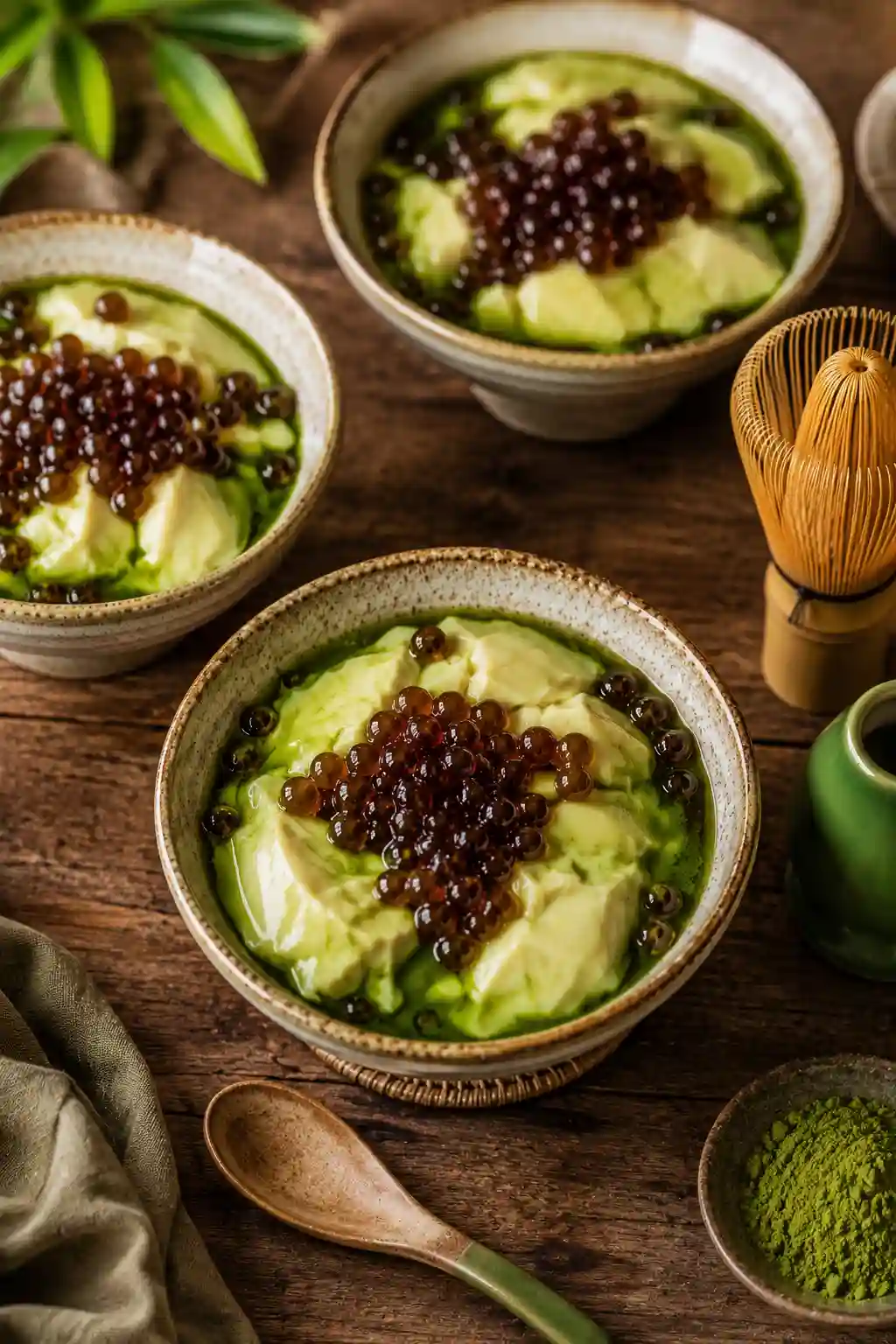
Traditional Warm Serving
Warm silken tofu topped with freshly cooked pearls and warm matcha brown sugar syrup creates the closest experience to classic taho.
The warmth allows the syrup to blend naturally with the tofu, creating a comforting dessert that is perfect for breakfast or merienda.
Chilled Summer Version
For hot days, serve all components cold. Refrigerate the tofu and syrup separately before assembling.
The cool temperature gives Matcha Taho with Brown Sugar Sago a refreshing quality while maintaining its signature combination of flavors.
Dessert Cups for Parties
Individual dessert cups make serving easy during gatherings.
Layer tofu, pearls, and syrup in clear glasses to showcase the different textures and colors. The vibrant green matcha syrup creates an eye-catching presentation that guests will appreciate.
Afternoon Tea Pairing
The earthy character of matcha pairs naturally with tea-based drinks.
Serve Matcha Taho with Brown Sugar Sago alongside green tea, jasmine tea, or a light roasted tea for a balanced snack experience.
Brunch Presentation
This dessert can also be part of a brunch spread.
Small bowls of Matcha Taho with Brown Sugar Sago pair well with fresh fruit, pastries, and other light dishes. The combination creates a satisfying sweet option without feeling overly heavy.
Toppings for Extra Texture
While the dessert is delicious on its own, additional toppings can add variety.
A light sprinkle of matcha powder, toasted coconut flakes, or extra brown sugar pearls can provide additional texture and visual appeal without overpowering the main flavors.
Storage and Make-Ahead Tips
Proper storage helps maintain the quality of each component. Since Matcha Taho with Brown Sugar Sago contains tofu, syrup, and pearls, it is best to store them separately whenever possible.
How to Store Silken Tofu
If you have leftover tofu, place it in an airtight container and refrigerate it promptly.
The tofu generally stays fresh for up to three days. Keep it covered to prevent it from absorbing odors from other foods in the refrigerator.
How to Store the Matcha Brown Sugar Syrup
Allow the syrup to cool completely before transferring it to a sealed container.
Store it in the refrigerator for up to three days. When ready to use, gently warm the syrup to restore its smooth consistency before serving.
How to Store Sago Pearls
Sago pearls are the most delicate component when it comes to storage.
Freshly cooked pearls have the best texture. Refrigeration can cause them to become firm and lose their pleasant chewiness. For the most enjoyable bowl of Matcha Taho with Brown Sugar Sago, prepare the pearls on the day you plan to serve the dessert.
Can You Make It Ahead of Time?
Yes. The tofu and syrup can be prepared a day in advance and stored separately.
This approach reduces preparation time on serving day while allowing you to enjoy freshly assembled Matcha Taho with Brown Sugar Sago without rushing through the process.
Best Assembly Practice
For the best texture, assemble the dessert shortly before serving.
Warm tofu, freshly prepared pearls, and smooth syrup create the flavor and texture combination that people expect from Matcha Taho with Brown Sugar Sago. Keeping the components separate until the last moment helps preserve their individual qualities.
Nutritional Benefits
Matcha Taho with Brown Sugar Sago is more than a delicious dessert. It also contains ingredients that offer nutritional value while delivering a satisfying combination of flavors and textures.
Benefits of Matcha
Matcha is a finely ground green tea powder known for its rich flavor and vibrant color.
Because the entire tea leaf is consumed, matcha contains natural plant compounds and antioxidants. Its earthy taste also helps balance the sweetness of the brown sugar syrup, creating a more balanced dessert.
Benefits of Silken Tofu
Silken tofu is made from soybeans and is a good source of plant-based protein.
Its soft texture makes it easy to enjoy while adding substance to the dessert. The tofu in Matcha Taho with Brown Sugar Sago also contributes minerals and nutrients naturally found in soy products.
Naturally Dairy-Free
Traditional taho does not require milk, cream, or butter.
As a result, Matcha Taho with Brown Sugar Sago is naturally dairy-free when prepared with standard ingredients. This makes it a suitable option for people who avoid dairy products.
Naturally Vegan
The classic ingredients used in this dessert come from plant sources.
Silken tofu, matcha powder, brown sugar, and sago pearls work together to create a dessert that fits many vegan lifestyles without requiring special substitutions.
Naturally Gluten-Free
Most versions of this recipe are naturally gluten-free because they do not contain wheat-based ingredients.
As with any recipe, it is wise to check product labels if you are preparing food for someone with gluten sensitivities or dietary restrictions.
A Balanced Treat
Like many desserts, this recipe contains sugar and is best enjoyed as part of a balanced diet.
The combination of protein-rich tofu, earthy matcha, and chewy pearls gives Matcha Taho with Brown Sugar Sago a satisfying texture and flavor profile that can make a small serving feel enjoyable and filling.
Nutrition Information
The following nutritional values are estimates for one serving of Matcha Taho with Brown Sugar Sago. Actual values may vary depending on the brands used, portion sizes, and ingredient substitutions.
Estimated Nutrition Per Serving
| Nutrient | Amount |
|---|---|
| Calories | 245 kcal |
| Carbohydrates | 38 g |
| Protein | 8 g |
| Total Fat | 6 g |
| Saturated Fat | 1 g |
| Fiber | 2 g |
| Sugar | 24 g |
| Sodium | 18 mg |
| Calcium | 160 mg |
| Iron | 2 mg |
According to Harvard T.H. Chan School of Public Health, soy-based foods such as tofu can be part of a healthy eating pattern and provide a valuable source of plant protein, vitamins, and minerals.
Nutritional Notes
- Silken tofu provides plant-based protein and calcium.
- Matcha contains natural antioxidants and plant compounds found in green tea.
- Brown sugar contributes most of the sweetness and carbohydrate content.
- Sago pearls add the signature chewy texture and are the primary source of carbohydrates.
- This dessert is naturally dairy-free, vegan, and gluten-free when prepared with standard ingredients.
Final Thoughts
Matcha Taho with Brown Sugar Sago is a creative take on a beloved Filipino classic. By combining silky tofu, chewy pearls, rich brown sugar syrup, and earthy green tea, this dessert brings together familiar comfort and modern flavor in a single bowl.
One of its greatest strengths is its versatility. You can enjoy it warm for a traditional taho experience or serve it chilled for a refreshing treat. You can keep the matcha flavor subtle through the syrup or create a bolder version by incorporating matcha directly into the tofu.
Another reason this dessert continues to attract attention is its balance of textures. The smooth tofu, soft pearls, and rich syrup work together beautifully, creating a satisfying experience with every spoonful.
Whether you are discovering taho for the first time or looking for a new way to enjoy a longtime favorite, Matcha Taho with Brown Sugar Sago offers a delicious fusion of Filipino and Japanese influences.
With the right ingredients, proper preparation, and a little attention to detail, you can create Matcha Taho with Brown Sugar Sago at home and enjoy a dessert that feels both comforting and unique. Serve it fresh, share it with family and friends, and enjoy every spoonful of this flavorful fusion creation.
More Matcha & Asian-Inspired Treats You’ll Love
- Ube Taho with Coconut Cream – A creamy Filipino-inspired dessert with rich ube flavor.
- Ube Banana Pudding with Coconut Cream – Tropical, smooth, and incredibly satisfying.
- Mango Sago Pudding Recipe – A refreshing dessert with sweet mango and chewy sago pearls.
- Benefits of Drinking Matcha Daily – Discover why matcha has become a favorite wellness ingredient.
FAQs Aout Matcha Taho with Brown Sugar Sago
1. What Grade of Matcha Is Best for Taho?
Culinary-grade matcha is usually the best choice for this recipe. It has a stronger flavor and holds its color well when mixed into warm ingredients.
Since Matcha Taho with Brown Sugar Sago contains sweet syrup and tofu, culinary-grade matcha provides the flavor intensity needed to remain noticeable in every bite.
2. Can I Make This Recipe with Store-Bought Silken Tofu?
Yes. Refrigerated silken tofu is a convenient option and works very well for homemade taho.
Many people use store-bought tofu because it saves time while still producing the smooth texture expected from Matcha Taho with Brown Sugar Sago.
3. Why Are My Sago Pearls Gummy?
Gummy pearls are often caused by overcooking, improper storage, or leaving them in the refrigerator for too long.
For the best texture, cook the pearls according to their size, rinse them properly, and serve them as fresh as possible.
4. Can You Serve Matcha Taho Cold?
Absolutely. While traditional taho is usually served warm, a chilled version can be very refreshing.
Simply refrigerate the tofu and syrup separately before assembly. This creates a cool variation of Matcha Taho with Brown Sugar Sago that is perfect for warm weather.
5. Can I Use Boba Instead of Sago?
Yes. Tapioca pearls are a practical substitute when traditional sago pearls are unavailable.
The texture may be slightly chewier, but the dessert remains delicious and visually appealing.
6. How Long Does This Dessert Last?
The tofu and syrup can generally be stored in the refrigerator for up to three days when kept in separate airtight containers.
The pearls are best consumed on the day they are cooked because their texture gradually changes during storage.
7. Can I Make the Recipe Ahead of Time?
Yes. Preparing the tofu and syrup in advance can save time on serving day.
For the best results, cook the pearls shortly before assembly so they retain their soft and chewy texture.
8. Is This Recipe Suitable for Vegans?
Yes. Most versions of this dessert are naturally vegan because they use plant-based ingredients such as tofu, matcha powder, sugar, and sago pearls.
Always check ingredient labels if you follow a strict vegan diet, as product formulations may vary between brands.