Benefits of Drinking Matcha Daily became something I started researching after noticing how many people were swapping their morning coffee for a bright green matcha latte. At first, I honestly thought it was just another wellness trend that would disappear in a few months.
But then I tried it myself.
“Can a simple green tea really make that much difference?” That was the question I kept asking while whisking my first homemade matcha latte in my kitchen. Surprisingly, the answer felt clearer after just a few mornings. Instead of the usual coffee crash, I noticed calmer energy, better focus, and a more balanced start to the day.
If you have ever felt overwhelmed by sugary coffee drinks or afternoon energy slumps, matcha might be the refreshing change your routine needs. Many people now enjoy matcha not only for its earthy flavor, but also for its antioxidant content, gentle caffeine boost, and wellness benefits.
In this guide, we’ll explore the biggest benefits of drinking matcha daily, how it compares to coffee, the best time to drink it, and an easy matcha latte recipe you can make at home.
Table of Contents
Table of Contents
What Is Matcha?
How Matcha Is Different From Green Tea
Matcha is a powdered form of green tea made from specially grown tea leaves. Unlike traditional green tea, where the leaves are steeped and discarded, matcha allows you to consume the entire tea leaf in powdered form. This creates a richer flavor, a brighter green color, and a more concentrated nutritional profile.
When I first compared matcha to regular green tea, the difference was immediately noticeable. Matcha felt smoother, creamier, and much more satisfying, especially in a homemade latte. The preparation itself also feels more intentional. Instead of simply steeping a tea bag, matcha is whisked with warm water until it becomes frothy and silky.
One reason the benefits of drinking matcha daily are so widely discussed is because matcha naturally contains both caffeine and L theanine. This combination may help support calm energy and mental focus without the sudden crash some people experience with coffee. Many people now include matcha in their morning routines because it feels gentler while still providing a noticeable boost.
Another difference is the antioxidant content. Since the whole tea leaf is consumed, matcha contains higher concentrations of plant compounds compared to standard green tea. This is one of the reasons the benefits of drinking matcha daily continue to attract attention in wellness communities, healthy recipe blogs, and social media trends.
Today, matcha is used in much more than tea. It appears in smoothies, chia puddings, overnight oats, pancakes, energy bites, and iced lattes. Its earthy flavor pairs well with ingredients like vanilla, honey, oat milk, and coconut milk, making it easy to include in balanced recipes throughout the week.
Types of Matcha
Not all matcha tastes the same, and understanding the different types can help improve your experience. Matcha is generally divided into two main categories: ceremonial grade and culinary grade.
Ceremonial Grade Matcha
Ceremonial grade matcha is considered the highest quality. It has a vibrant green color, a smoother texture, and a naturally mild flavor. This type is often used for traditional tea preparation or creamy homemade lattes.
Many people exploring the benefits of drinking matcha daily prefer ceremonial grade because it tastes less bitter and feels more enjoyable as an everyday drink. If you are new to matcha, starting with ceremonial grade can make the experience much more pleasant.
Culinary Grade Matcha
Culinary grade matcha has a slightly bolder and more earthy flavor. It is commonly used in recipes like smoothies, baked desserts, pancakes, muffins, and protein bites. While it may not taste as smooth as ceremonial grade, it works very well when combined with other ingredients.
The growing popularity of the benefits of drinking matcha daily has also increased interest in matcha recipes for breakfast, snacks, and wellness drinks. From iced matcha lattes to healthy desserts, culinary grade matcha gives people more affordable ways to enjoy matcha regularly while experimenting with creative recipes at home.
Benefits of Drinking Matcha Daily
Natural Energy Without the Coffee Crash
One of the most popular reasons people start drinking Matcha is the steady energy it may provide throughout the day. Unlike coffee, which can sometimes feel intense and overstimulating, matcha is often described as smoother and more balanced. Many people notice they feel productive without experiencing the sudden energy crash that can happen after strong coffee drinks.
The benefits of drinking matcha daily are often linked to the combination of caffeine and L theanine naturally found in matcha. While caffeine helps increase alertness, L theanine may support a calmer and more focused state of mind. This balance is one reason matcha has become so popular among students, remote workers, and wellness enthusiasts.
I still remember replacing my second afternoon coffee with an iced matcha latte during a busy workweek. Instead of feeling shaky or restless, the energy felt more stable and easier to manage. That gentle boost is why many people continue exploring the benefits of drinking matcha daily as part of a healthier routine.
Rich in Antioxidants
Another reason the benefits of drinking matcha daily receive so much attention is the antioxidant content found in matcha. Matcha contains catechins, which are natural plant compounds commonly associated with green tea. One of the most talked about catechins is EGCG, a powerful antioxidant that has become popular in wellness discussions and healthy lifestyle content.
Since matcha uses the entire tea leaf in powdered form, it provides a more concentrated source of antioxidants compared to regular brewed green tea. Many people enjoy adding matcha to smoothies, lattes, overnight oats, or wellness drinks as a simple way to include more antioxidant rich ingredients in their day.
The bright green color of matcha is also a sign of its high chlorophyll content, which develops while the tea plants are shaded before harvest. This unique growing process helps create the rich appearance and fresh flavor that make matcha stand out from other teas.
May Support Focus and Mental Clarity
One of the most interesting benefits of drinking matcha daily is the calm concentration many people experience after drinking it. Matcha is often enjoyed during work sessions, studying, journaling, or slow morning routines because it may help support focus without the overly stimulated feeling some caffeinated drinks create.
L theanine plays an important role here as well. This naturally occurring amino acid may help promote relaxation while still allowing you to feel mentally alert. Instead of feeling rushed or jittery, many people describe matcha energy as smoother and more controlled.
For me, matcha became especially helpful during long writing mornings. Preparing a warm matcha latte before starting work slowly turned into a comforting habit that helped me feel more grounded and focused.
Matcha and Weight Loss Support
Many people researching the benefits of drinking matcha daily are also interested in wellness and balanced lifestyle habits. Matcha is often included in healthy meal routines because it can be used as an alternative to sugary coffee drinks, flavored lattes, or high calorie energy beverages.
Some people enjoy matcha before walks, workouts, or protein rich breakfasts because it feels refreshing and light. Matcha may also fit naturally into routines focused on hydration, mindful eating, and healthier food choices. However, it is important to avoid unrealistic claims or expecting matcha alone to create dramatic weight loss results.
The best approach is viewing matcha as one small part of a balanced lifestyle that includes nutritious meals, movement, sleep, and hydration.
Supports a Healthy Morning Routine
Creating a calm and enjoyable morning routine can completely change the tone of the day, and matcha fits naturally into that experience. Many people now replace sugary coffee drinks with homemade matcha lattes because they feel lighter, fresher, and more customizable.
The process itself can also feel relaxing. Whisking the powder, warming the milk, and preparing the drink slowly encourages a more intentional start to the morning. Over time, this simple habit can become something comforting to look forward to each day.
The benefits of drinking matcha daily are not always about dramatic changes. Sometimes they come from small consistent habits that make mornings feel calmer, more nourishing, and less rushed.
May Help Reduce Afternoon Energy Slumps
Afternoon fatigue is something many people struggle with, especially after heavy lunches or multiple cups of coffee. Matcha may help provide a gentler energy boost during this part of the day without feeling too intense.
Instead of reaching for sugary snacks or another strong coffee, some people prefer iced matcha drinks for a lighter source of energy. Because the caffeine release is often described as slower and steadier, matcha may help support productivity while reducing the tired feeling that commonly appears later in the afternoon.
This gradual energy is one of the reasons the benefits of drinking matcha daily continue to attract attention from people searching for healthier and more balanced daily habits.
Matcha vs Coffee
Which One Gives Better Energy?
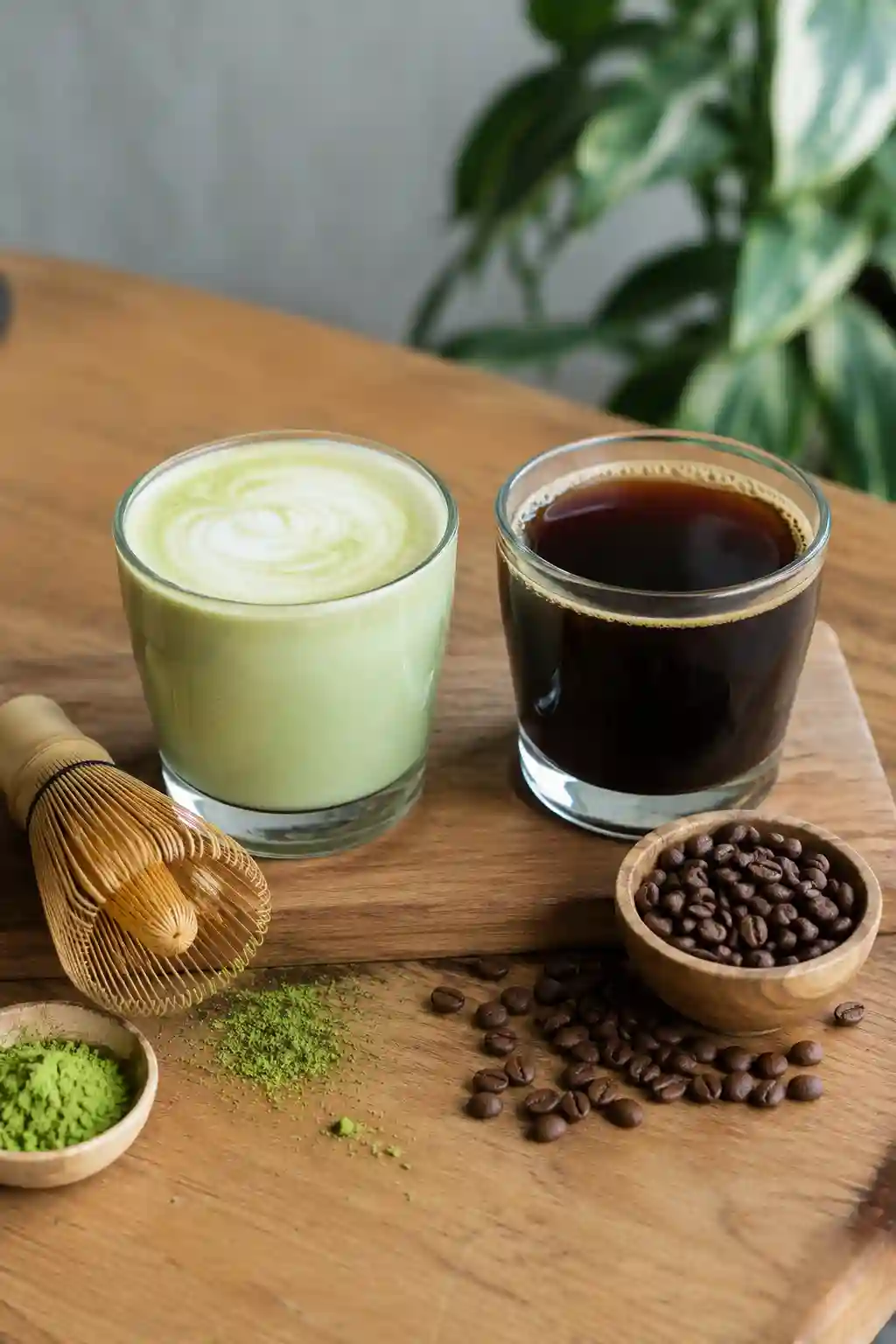
The comparison between coffee and Matcha has become one of the biggest wellness conversations in recent years. While both drinks contain caffeine, many people describe the experience very differently. Coffee is often associated with a fast energy boost that can sometimes lead to jitters or sudden fatigue later in the day. Matcha, on the other hand, is usually known for providing calmer and more balanced energy.
One reason the benefits of drinking matcha daily continue gaining attention is because matcha naturally combines caffeine with L theanine. This amino acid may help support focus while creating a smoother feeling of alertness. Many people who switch from coffee to matcha say they feel productive without becoming overstimulated.
I noticed this difference myself during long mornings spent writing and working online. Coffee gave me quick energy, but it also made me feel restless after a few hours. Matcha felt gentler and more stable, especially when paired with breakfast or a homemade matcha latte.
Many people searching for healthy coffee alternatives are also interested in wellness drinks that feel lighter and easier on digestion. Matcha fits naturally into that trend because it can be prepared hot or iced and combined with ingredients like oat milk, almond milk, vanilla, or cinnamon.
The benefits of drinking matcha daily are not necessarily about completely avoiding coffee. Some people still enjoy both drinks depending on their routine. However, matcha has become especially popular among those looking for steady energy and a calmer start to the day.
Does Matcha Have Less Caffeine?
One common question people ask is whether matcha contains less caffeine than coffee. The answer depends on the serving size and preparation method, but in most cases, matcha contains less caffeine than a strong cup of coffee while still providing noticeable energy.
Because matcha caffeine is often released more gradually, many people feel the effects differently. Instead of experiencing a sudden spike followed by a crash, the energy tends to feel smoother and longer lasting. This is one reason the benefits of drinking matcha daily are often connected to productivity, focus, and balanced wellness habits.
Matcha is also incredibly versatile. Some people enjoy a traditional warm preparation, while others prefer iced matcha lattes, smoothies, or even matcha chia puddings. This flexibility has helped matcha become one of the most popular healthy drink recipes on Pinterest and wellness blogs.
Why Some People Prefer Matcha
For many people, matcha is more than just a source of caffeine. It becomes part of a calming morning matcha routine that feels intentional and relaxing. Preparing matcha slowly, whisking the powder, and enjoying the bright green color can feel comforting before a busy day begins.
Another reason people prefer matcha is the flavor variety. Matcha pairs well with honey, vanilla, coconut milk, and even fruit based smoothies. It can easily fit into clean eating drinks, healthy breakfast ideas, and wellness drink recipes.
The benefits of drinking matcha daily also attract people who want a more mindful relationship with caffeine. Instead of relying on multiple cups of coffee throughout the day, matcha may help support a steadier rhythm that feels easier to maintain long term.
Best Time to Drink Matcha
Morning Matcha Routine
For many people, the best time to enjoy Matcha is in the morning. Starting the day with matcha can feel lighter and more balanced compared to sugary coffee drinks or energy beverages. Many wellness enthusiasts now include matcha in their morning routines because it may help support calm energy and focus while creating a more intentional start to the day.
One of the reasons the benefits of drinking matcha daily have become so popular is because matcha fits naturally into healthy lifestyle habits. A warm homemade matcha latte paired with breakfast can feel comforting while still providing a gentle caffeine boost. Some people also enjoy iced matcha drinks during warmer months, especially alongside protein rich breakfasts, overnight oats, or smoothies.
I personally noticed that preparing matcha slowly in the morning helped make my routine feel calmer. Instead of rushing through a quick cup of coffee, whisking matcha with warm water and milk became a small ritual that helped me feel more focused before starting work.
The benefits of drinking matcha daily are often connected to consistency. Drinking matcha regularly as part of a balanced morning routine may feel more sustainable than relying on multiple coffees throughout the day. Many people also appreciate that matcha pairs well with ingredients like vanilla, cinnamon, oat milk, or honey, making it easy to customize.
Another reason morning matcha routines continue trending on Pinterest and wellness blogs is the visual experience. The vibrant green color, creamy texture, and café style presentation make matcha feel both healthy and enjoyable.
Can You Drink Matcha at Night?
Although matcha is gentler than coffee for many people, it still contains caffeine. Because of this, drinking matcha too late in the evening may affect sleep for some individuals, especially those who are sensitive to caffeine.
Many people prefer drinking matcha earlier in the day to fully enjoy the benefits of drinking matcha daily without interfering with nighttime rest. Afternoon matcha can still work well for some people, particularly when replacing sugary snacks or extra coffee during energy slumps.
Some wellness routines also include smaller servings of matcha later in the day, especially in lighter drinks or smoothies. Since everyone responds differently to caffeine, finding the best timing often depends on personal preference and daily habits.
The benefits of drinking matcha daily are usually most noticeable when matcha becomes part of a balanced routine that includes healthy meals, hydration, movement, and good sleep habits.
How to Make Benefits of Drinking Matcha Daily Taste Better
Sweeteners That Work Well
One reason some people hesitate to try Matcha is because of its earthy flavor. Matcha has a naturally grassy and slightly bold taste that can feel unfamiliar at first, especially for people used to sweet coffee drinks. The good news is that there are many simple ways to make matcha taste smoother, creamier, and more enjoyable.
Natural sweeteners are one of the easiest ways to improve the flavor. Honey is a popular option because it blends well with matcha while adding gentle sweetness. Maple syrup also works beautifully, especially in warm homemade matcha lattes during colder months. Some people prefer vanilla syrup or a small amount of coconut sugar for a café style flavor.
The benefits of drinking matcha daily become much easier to enjoy when the drink actually tastes good and fits comfortably into your routine. I remember my first homemade matcha tasting far too strong because I used too much powder and no sweetener. After experimenting with vanilla and oat milk, the flavor became much smoother and more balanced.
Cinnamon can also help soften the earthy notes of matcha while adding warmth and depth. For iced matcha drinks, many people enjoy blending matcha with vanilla cold foam or sweet cream alternatives for a richer texture.
Another helpful tip is choosing high quality ceremonial grade matcha. Lower quality matcha can taste bitter and dull, while better quality matcha usually has a fresher flavor and brighter green color.
Milk Options for Matcha Lattes
The type of milk you use can completely change the flavor and texture of matcha drinks. Oat milk is one of the most popular choices because it creates a creamy texture that pairs naturally with matcha. Almond milk gives a lighter taste, while coconut milk creates a richer and slightly tropical flavor.
Many healthy matcha recipes also use dairy free milk alternatives because they blend smoothly and work well in both hot and iced drinks. Finding the right milk combination can make the benefits of drinking matcha daily feel more enjoyable and sustainable long term.
Some people even combine matcha with protein shakes, smoothies, or chia puddings to create more filling wellness drinks. Matcha works surprisingly well in breakfast recipes and healthy snacks because its flavor pairs nicely with ingredients like banana, vanilla, dates, and cinnamon.
The benefits of drinking matcha daily are not only connected to wellness trends but also to how flexible matcha can be in everyday recipes. Whether served hot, iced, blended, or whisked traditionally, matcha can easily become part of a balanced and enjoyable daily habit.
Easy Matcha Latte Recipe
Ingredients
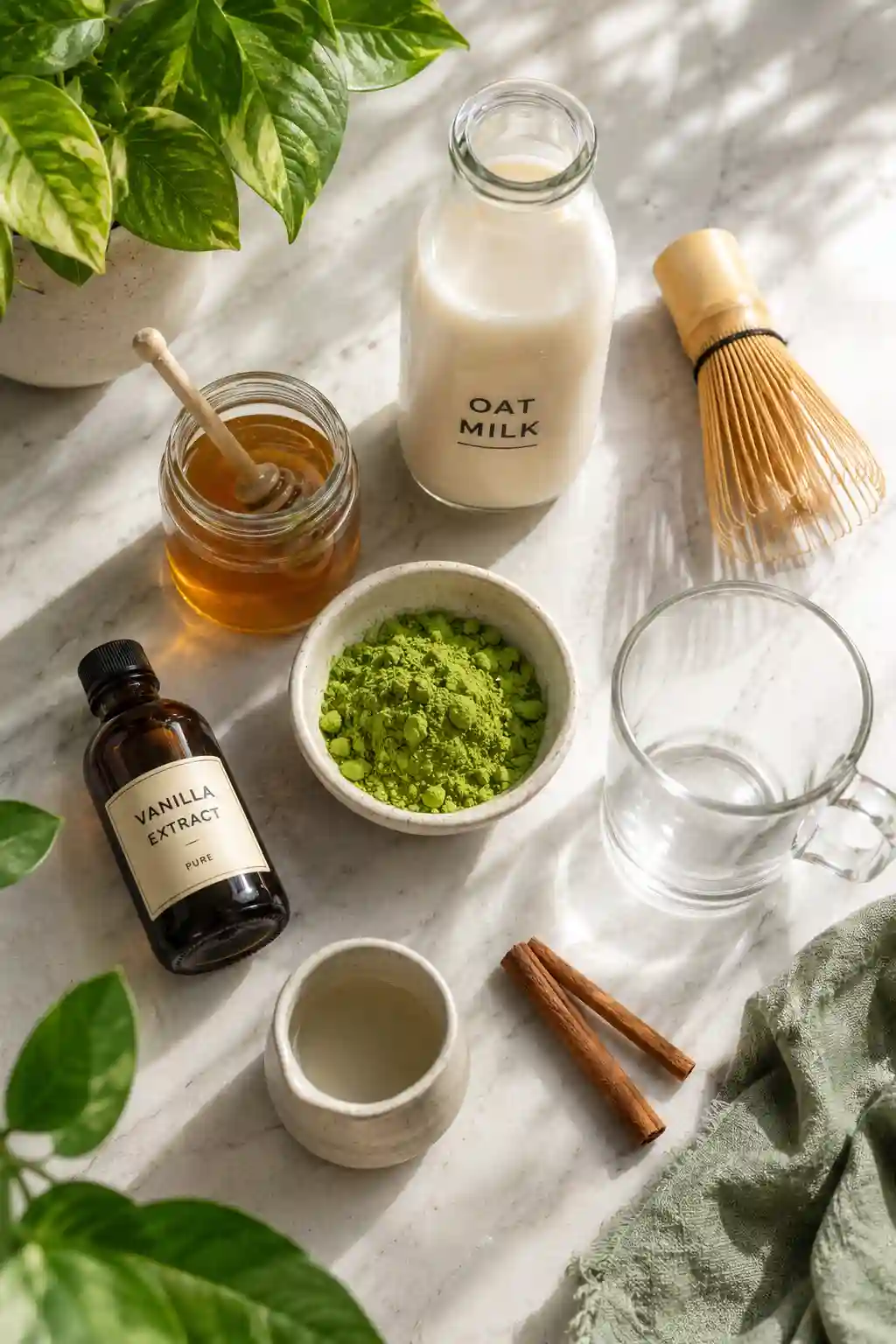
Making a homemade Matcha Latte is much easier than many people expect. Once you learn the basic method, it becomes simple to prepare café style matcha drinks at home in just a few minutes. This is one reason the benefits of drinking matcha daily appeal to so many people looking for healthier and more affordable alternatives to coffee shop drinks.
Using good quality ingredients can make a huge difference in flavor. Ceremonial grade matcha usually creates a smoother and less bitter latte, especially for beginners.
Here’s what you’ll need:
- 1 teaspoon ceremonial grade matcha
- 2 tablespoons warm water
- 1 cup oat milk or almond milk
- 1 to 2 teaspoons honey or maple syrup
- Optional vanilla extract
- Optional cinnamon
Many people enjoy customizing matcha lattes depending on the season. Some prefer warm comforting drinks during colder months, while others turn the same recipe into an iced matcha latte for summer mornings.
Step 1: Sift the Matcha
Sifting matcha before mixing helps remove small clumps and creates a smoother texture. This step may seem small, but it makes homemade matcha drinks feel much more professional and creamy.
Place the matcha powder into a small bowl or mug using a fine mesh strainer. The bright green color should look vibrant and fresh.
The benefits of drinking matcha daily become much more enjoyable when the texture feels smooth instead of grainy or uneven.
Step 2: Whisk With Warm Water
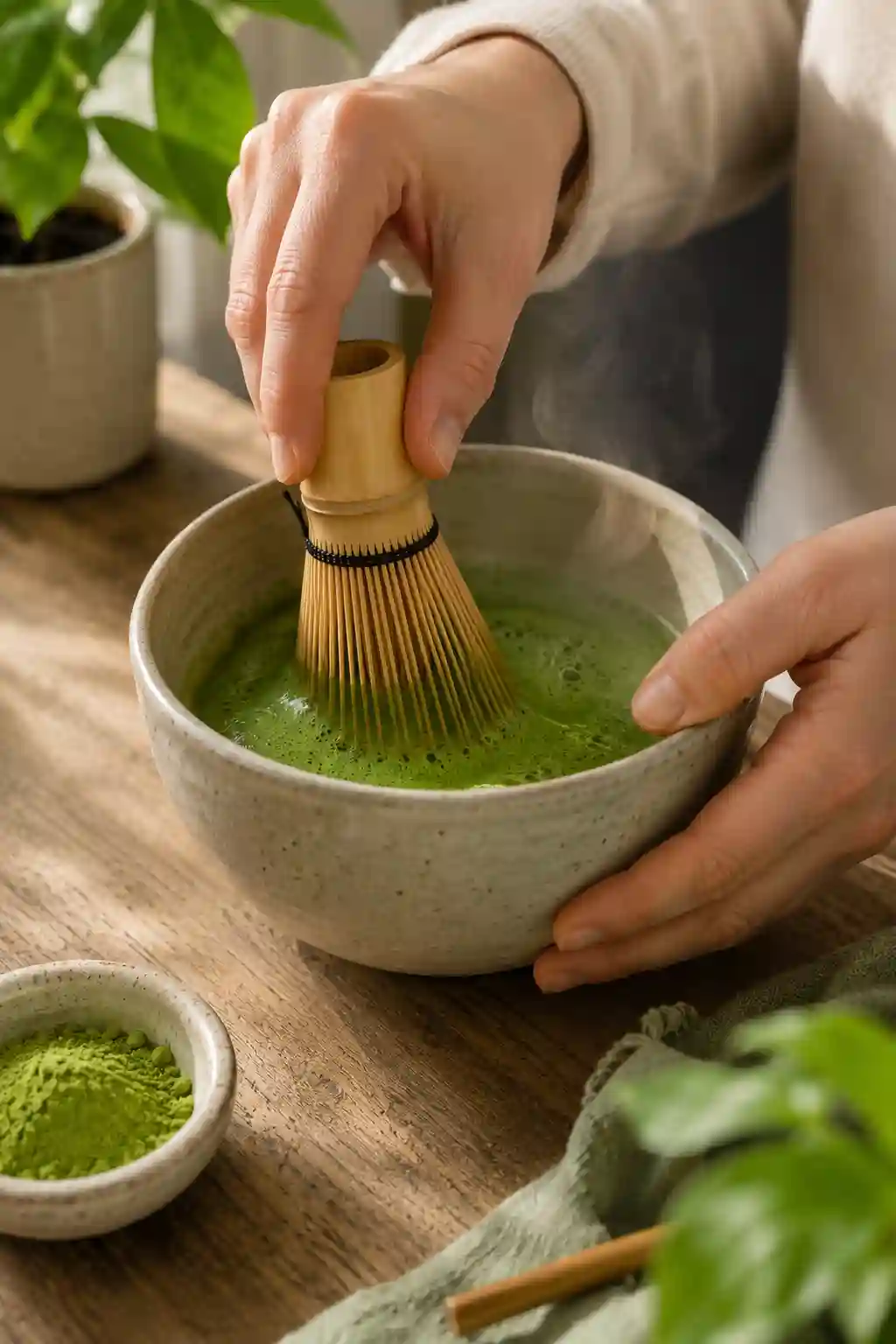
Add warm water to the sifted matcha and whisk quickly using a bamboo whisk or small handheld frother. Avoid boiling water because extremely hot temperatures can make matcha taste bitter.
Whisk until the mixture becomes frothy with a creamy green layer on top. This process only takes about 20 to 30 seconds but creates the signature texture many people love in matcha drinks.
One reason the benefits of drinking matcha daily continue trending on wellness blogs and Pinterest is because the preparation itself feels calming and intentional.
Step 3: Heat the Milk
Warm your preferred milk separately until hot but not boiling. Oat milk is one of the most popular options because it creates a creamy texture that pairs naturally with matcha.
You can also use almond milk, coconut milk, or dairy milk depending on your preference. Stir in honey, maple syrup, or vanilla if you want a sweeter latte.
Step 4: Combine and Serve
Pour the warm milk over the whisked matcha mixture and stir gently. For extra foam, use a milk frother before serving.
The benefits of drinking matcha daily often become easier to maintain when healthy drinks feel comforting and enjoyable. A homemade matcha latte can quickly become part of a relaxing morning matcha routine while helping reduce the need for sugary coffee drinks or energy beverages.
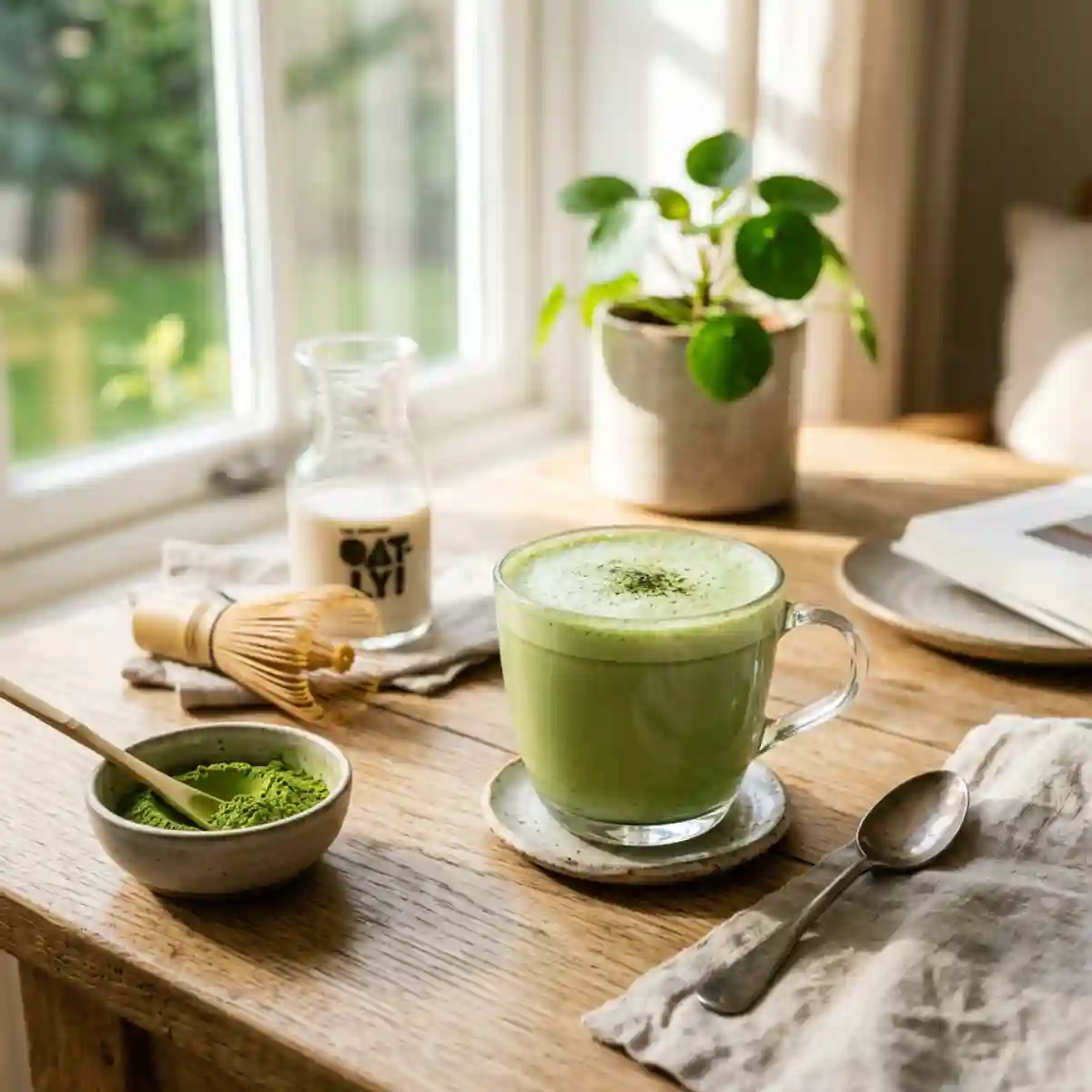

Benefits of Drinking Matcha Daily
Ingredients
Method
- Sift the matcha powder into a small bowl or mug to remove clumps and create a smoother texture.
- Add warm water to the matcha and whisk until frothy using a bamboo whisk or handheld frother.
- Warm the milk in a small saucepan or microwave until hot but not boiling. Stir in honey, maple syrup, or vanilla if desired.
- Pour the warm milk over the whisked matcha mixture and stir gently until creamy. Sprinkle cinnamon on top if desired.
- Fill a glass with ice cubes, pour in cold milk, then add the whisked matcha mixture over the top.
Notes
| Nutrient | Approximate Amount Per Serving |
| Calories | 90 to 120 kcal |
| Protein | 2 to 4 g |
| Carbohydrates | 10 to 14 g |
| Sugar | 5 to 8 g |
| Fat | 3 to 5 g |
| Fiber | 1 to 2 g |
| Caffeine | 35 to 70 mg |
| Calcium | 10% DV |
| Antioxidants | Naturally Present |
- Ceremonial grade matcha creates a smoother flavor for drinks.
- Avoid boiling water because it can make matcha taste bitter.
- Oat milk gives the creamiest texture for homemade matcha lattes.
- Adjust sweetness depending on personal preference.
Iced Matcha Latte Variation
How to Make It Cold
An iced Iced Matcha Latte is one of the most refreshing ways to enjoy matcha, especially during warm weather or busy afternoons. Many people who are interested in healthy drink recipes prefer iced matcha because it feels light, energizing, and easy to prepare at home.
One reason the benefits of drinking matcha daily continue trending on Pinterest and wellness blogs is because matcha works beautifully in both hot and cold drinks. The iced version keeps the earthy flavor while creating a smoother and more refreshing experience that many people enjoy as an alternative to sugary café beverages.
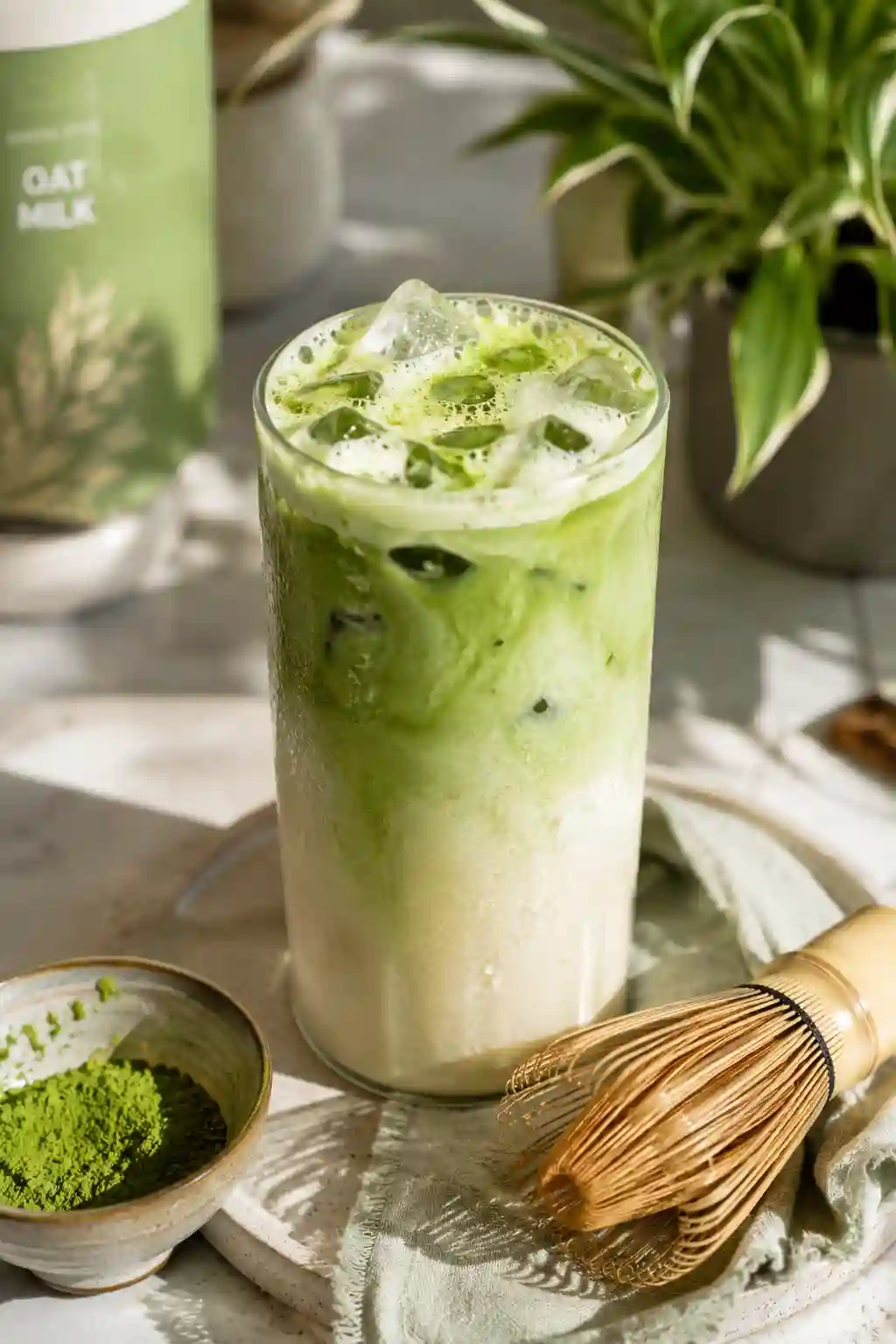
To make an iced matcha latte, start by whisking 1 teaspoon of matcha powder with a small amount of warm water until smooth and frothy. This step helps dissolve the powder properly and prevents clumps from forming in the drink.
Next, fill a glass with ice cubes and pour in your preferred milk. Oat milk is especially popular because of its creamy texture, but almond milk, coconut milk, or dairy milk also work well. Add honey, maple syrup, or vanilla syrup if you want a sweeter flavor.
Slowly pour the whisked matcha mixture over the milk and ice. The bright green layer creates the café style appearance many people love sharing on social media and wellness content platforms.
I started making iced matcha during hotter mornings when coffee felt too heavy. The drink felt fresher and lighter while still giving me steady energy throughout the morning. That refreshing feeling is one reason many people continue exploring the benefits of drinking matcha daily as part of balanced wellness habits.
Some people also enjoy adding cold foam, cinnamon, collagen powder, or protein powder to make iced matcha drinks more filling. Matcha pairs especially well with vanilla and coconut flavors, making it easy to customize depending on your preferences.
The benefits of drinking matcha daily are often easier to maintain when the recipes feel enjoyable and flexible. Whether served warm in the winter or poured over ice during summer, matcha can become a simple and refreshing part of everyday routines without feeling repetitive or complicated.
Common Benefits of Drinking Matcha Daily Mistakes
Using Water That Is Too Hot
One of the most common mistakes people make when preparing Matcha is using boiling water. Extremely hot water can make matcha taste bitter and overpowering instead of smooth and balanced. This often causes beginners to think they dislike matcha when the issue is actually the preparation method.
The best temperature for matcha is usually warm water that feels hot but not aggressively boiling. When the water is too hot, the delicate flavor becomes harsher and less enjoyable. Using slightly cooler water helps preserve the smoother taste many people associate with quality matcha drinks.
I remember making my first homemade matcha latte with freshly boiling water and wondering why it tasted so sharp. Once I adjusted the temperature, the flavor became creamier and much easier to enjoy regularly.
The benefits of drinking matcha daily become much more noticeable when the drink feels pleasant and easy to include in your routine. Small preparation changes can completely improve the experience.
Buying Low Quality Matcha
Another mistake is choosing low quality matcha powder. Cheap matcha often appears dull green or yellowish and may taste overly bitter or flat. High quality ceremonial grade matcha usually has a brighter green color, smoother texture, and fresher flavor.
Since matcha has become extremely popular in wellness culture, there are now many different products available online and in stores. Some are made specifically for baking while others are intended for drinking. Understanding the difference can help avoid disappointing results.
People interested in the benefits of drinking matcha daily often enjoy the experience much more after upgrading to better quality matcha. Even small amounts of higher quality powder can create a smoother latte with a naturally balanced flavor.
Good quality matcha also blends more easily into recipes like smoothies, overnight oats, chia puddings, and iced matcha lattes.
Adding Too Much Sweetener
Many café style matcha drinks contain large amounts of sugar, syrups, or sweet cream. While sweeteners can improve the earthy taste of matcha, adding too much can overpower the natural flavor and turn the drink into something closer to dessert.
The benefits of drinking matcha daily are easier to appreciate when the drink remains balanced and not excessively sugary. Using small amounts of honey, maple syrup, vanilla, or cinnamon usually creates a more enjoyable flavor without masking the matcha completely.
Over time, many people notice they need less sweetener as they become more familiar with the taste. Matcha starts to feel smoother and more comforting naturally, especially when paired with creamy milk options like oat milk or almond milk.
Learning how to prepare matcha properly can make a huge difference in both flavor and overall enjoyment. Once you find the right balance, matcha can easily become one of the most satisfying and versatile wellness drinks in your routine.
Benefits of Drinking Matcha Daily Serving Ideas
Matcha Chia Pudding
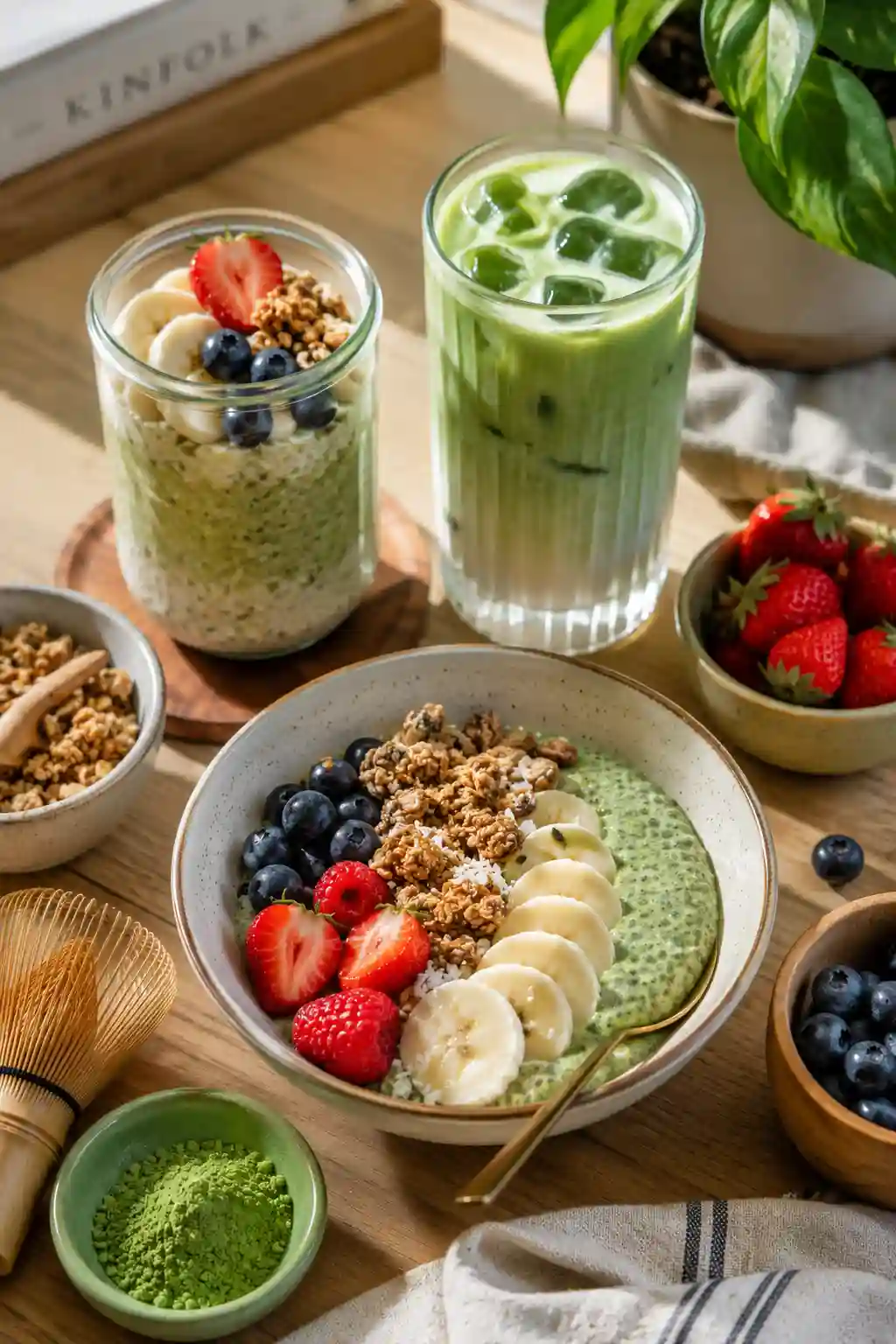
Matcha Chia Pudding is one of the easiest ways to turn matcha into a healthy breakfast or snack. The creamy texture of chia pudding pairs naturally with the earthy flavor of matcha, creating a refreshing recipe that feels both filling and light.
To make it, simply combine chia seeds, milk, matcha powder, and a small amount of honey or maple syrup. After resting in the refrigerator overnight, the mixture becomes thick and creamy. Many people also add berries, coconut flakes, or sliced bananas for extra flavor and texture.
The benefits of drinking matcha daily can feel more sustainable when matcha is included in different recipes instead of only traditional drinks. Matcha chia pudding is especially popular on Pinterest because of its vibrant green color and simple preparation.
Matcha Overnight Oats
Another easy serving idea is adding matcha to overnight oats. This creates a balanced breakfast that combines fiber, protein, and steady energy in one simple meal.
Mix oats with milk, yogurt, matcha powder, vanilla, and your favorite sweetener. Let the oats chill overnight, then top with fruit, nuts, or granola before serving. Many people enjoy adding strawberries, blueberries, or coconut for a fresher flavor combination.
I started making matcha overnight oats during busy weeks when I wanted healthier breakfasts without spending extra time cooking in the morning. The combination felt refreshing while still keeping me full for several hours.
The benefits of drinking matcha daily are often easier to maintain when healthy recipes feel convenient and enjoyable. Preparing meals ahead of time can also make wellness habits feel more realistic long term.
Healthy Breakfast Pairings
Matcha pairs well with many balanced breakfast foods and healthy snacks. Some popular combinations include avocado toast, yogurt bowls, fruit smoothies, protein pancakes, and oatmeal. The earthy flavor of matcha also works surprisingly well alongside vanilla, banana, almond butter, and cinnamon.
Many people now include matcha as part of their morning wellness routines because it feels lighter than heavy coffee drinks while still providing calm energy. Iced matcha lattes have also become popular afternoon options for people looking to avoid sugary energy drinks.
The benefits of drinking matcha daily are not limited to tea alone. Matcha can easily fit into smoothies, baked recipes, breakfast bowls, and wellness snacks, making it one of the most versatile ingredients in healthy lifestyle recipes today.
Whether served hot, cold, blended, or mixed into breakfast recipes, matcha offers endless ways to create simple and enjoyable wellness inspired meals at home.
Final Thoughts on Benefits of Drinking Matcha Daily
Why Matcha Has Become a Daily Wellness Favorite
Matcha has grown far beyond a traditional tea and has become one of the most popular wellness drinks in modern healthy lifestyle culture. From homemade matcha lattes to smoothies and breakfast recipes, people continue finding creative ways to include matcha in their daily routines.
One reason the benefits of drinking matcha daily continue attracting attention is because matcha feels both energizing and calming at the same time. Many people enjoy the smoother energy, balanced flavor, and comforting ritual that come with preparing matcha at home. Unlike overly sugary coffee drinks or artificial energy beverages, matcha often feels lighter and easier to enjoy consistently.
I honestly did not expect matcha to become part of my routine when I first tried it. At the beginning, I simply wanted a healthier coffee alternative that felt less intense during busy mornings. Over time, making matcha slowly became one of my favorite wellness habits because it encouraged me to slow down and start the day more intentionally.
The benefits of drinking matcha daily are also connected to flexibility. Matcha works in warm lattes, iced drinks, smoothies, chia puddings, overnight oats, and even healthy desserts. This versatility makes it easier to enjoy matcha regularly without feeling repetitive.
Another reason matcha remains so popular is the visual and sensory experience. The vibrant green color, creamy texture, and earthy flavor make matcha feel unique compared to many other drinks. It fits naturally into modern wellness trends while still feeling simple and approachable for beginners.
The benefits of drinking matcha daily are not about chasing perfection or expecting dramatic overnight results. Instead, matcha works best as part of balanced everyday habits that include nourishing meals, hydration, movement, and mindful routines.
Whether you enjoy matcha for calm energy, morning focus, healthy drink recipes, or simply the comforting experience itself, matcha can become an easy and enjoyable addition to everyday life.
Nutrition Information
The nutrition values for a homemade Matcha Latte may vary depending on the type of milk and sweetener used. The table below shows an approximate nutrition estimate for one serving made with ceremonial matcha, oat milk, and a small amount of honey.
| Nutrient | Approximate Amount Per Serving |
| Calories | 90 to 120 kcal |
| Protein | 2 to 4 g |
| Carbohydrates | 10 to 14 g |
| Sugar | 5 to 8 g |
| Fat | 3 to 5 g |
| Fiber | 1 to 2 g |
| Caffeine | 35 to 70 mg |
| Calcium | 10% DV |
| Antioxidants | Naturally Present |
According to USDA FoodData Central, green tea products like matcha naturally contain antioxidants and caffeine, making them a popular choice in balanced wellness routines. Research shared by Harvard T.H. Chan School of Public Health also highlights how tea can fit into a healthy lifestyle when enjoyed as part of a balanced diet.
The benefits of drinking matcha daily are often associated with its antioxidant content and balanced caffeine profile. Choosing unsweetened milk options or reducing added sweeteners can help keep homemade matcha drinks lighter and more balanced.
For a higher protein version, many people add collagen powder, protein powder, or soy milk to their matcha latte recipes. Iced matcha drinks can also be customized with dairy free milk alternatives, cinnamon, or vanilla for extra flavor without making the drink overly heavy.
Conclusion
The growing popularity of Matcha is easy to understand once you experience how versatile and enjoyable it can be in everyday life. From creamy homemade lattes to smoothies and healthy breakfast recipes, matcha has become much more than just a trendy green drink.
The benefits of drinking matcha daily often go beyond simple caffeine. Many people enjoy matcha because it may help support calm energy, balanced focus, and healthier morning routines without the heavy feeling that sometimes comes with sugary coffee drinks. Small habits like preparing a warm matcha latte or blending matcha into overnight oats can make wellness routines feel more realistic and sustainable.
I honestly didn’t expect matcha to become part of my routine when I first tried it. What started as curiosity slowly turned into one of my favorite healthy drink habits because it felt comforting, flexible, and easy to enjoy in different recipes throughout the week.
The benefits of drinking matcha daily are also connected to consistency rather than perfection. Matcha works best when combined with balanced meals, hydration, movement, and simple lifestyle habits that support overall wellness.
Whether you prefer hot matcha lattes, iced drinks, smoothies, or healthy breakfast bowls, matcha offers endless ways to create refreshing and nourishing recipes at home. If you are looking for a calmer coffee alternative or simply want to explore healthier drink ideas, matcha can be a simple and enjoyable place to start.
More Healthy Drinks You’ll Love
- Green Tea with Honey – A soothing antioxidant-rich drink for daily wellness.
- Sanjay Gupta Chai Tea Recipe – A warm, spiced tea packed with comforting flavor.
- How to Make Kombucha at Home – A probiotic-rich drink that supports gut health.
- Jamu Recipe – A traditional wellness drink known for its anti-inflammatory benefits.
FAQs About Benefits of Drinking Matcha Daily
1. Is It Good to Drink Matcha Every Day?
Many people enjoy drinking Matcha daily as part of a balanced wellness routine. Matcha contains antioxidants, natural caffeine, and L theanine, which may help support calm energy and focus throughout the day. The benefits of drinking matcha daily are often connected to consistency and moderation rather than excessive consumption.
For most people, one to two servings per day is a common amount. Pairing matcha with healthy meals, hydration, and balanced habits may help create a more sustainable routine.
2. Is Matcha Better Than Coffee?
Matcha and coffee provide different experiences, so the better choice depends on personal preference. Coffee usually delivers a faster and stronger caffeine boost, while matcha is often described as smoother and steadier because of the combination of caffeine and L theanine.
Many people interested in the benefits of drinking matcha daily prefer matcha because it may feel gentler and less likely to create jitters or afternoon crashes. Others still enjoy both drinks depending on their daily routines.
3. Does Matcha Help With Weight Loss?
Matcha is commonly included in healthy lifestyle routines and wellness recipes, especially as an alternative to sugary drinks or flavored coffee beverages. Some people enjoy matcha before workouts, walks, or balanced breakfasts because it feels refreshing and energizing.
However, the benefits of drinking matcha daily should not be viewed as a quick fix for weight loss. Matcha works best when combined with nutritious meals, movement, sleep, and overall healthy habits.
4. What Does Matcha Taste Like?
Matcha has an earthy, slightly grassy flavor with a smooth and creamy texture when prepared properly. Higher quality ceremonial grade matcha usually tastes milder and less bitter than lower quality powders.
Many people enjoy sweetening matcha with honey, vanilla, maple syrup, or creamy milk options like oat milk and almond milk. Iced matcha lattes are also popular for beginners because the flavor feels lighter and more refreshing.
5. What Is the Best Time to Drink Matcha?
Most people prefer drinking matcha in the morning or early afternoon. Since matcha contains caffeine, drinking it too late at night may affect sleep for some individuals.
The benefits of drinking matcha daily are often most noticeable when matcha becomes part of a balanced morning routine alongside healthy breakfasts, hydration, and mindful habits.
Medical Disclaimer
This article is for informational and educational purposes only and should not be considered medical advice. While Matcha is commonly enjoyed as part of a balanced lifestyle, individual responses to caffeine and wellness products may vary.
The benefits of drinking matcha daily are often discussed in wellness communities and healthy lifestyle content, but matcha is not intended to diagnose, treat, cure, or prevent any medical condition. Always consult a qualified healthcare professional before making significant dietary or lifestyle changes, especially if you are pregnant, nursing, sensitive to caffeine, or managing a medical condition.
If you experience discomfort or unusual symptoms after consuming matcha or other caffeinated beverages, reduce your intake and speak with a healthcare provider. The benefits of drinking matcha daily are best experienced as part of a balanced routine that includes nutritious meals, hydration, movement, and healthy habits.