Protein Waffles completely changed the way I approach breakfast. I used to believe that a high protein waffle recipe would always mean sacrificing taste or texture. In my mind, “protein waffles” sounded dense, dry, and overly healthy. But after a few experiments in my kitchen, I realized it was all about balance.
Once I found the right mix of oats, protein powder, and eggs, everything changed. The waffles turned out fluffy on the inside, lightly crisp on the outside, and actually satisfying. Not diet food. Just a smarter version of a classic breakfast.
What makes protein waffles so effective is how they support your morning. They help you hit your protein goals early, keep you full longer, and prevent that mid-morning energy crash. Plus, they can be made ahead and frozen, which makes busy mornings much easier.
If you’re looking for a breakfast that feels comforting but also fits a balanced, macro-friendly lifestyle, protein waffles are a simple and reliable solution.
Table of Contents
Table of Contents
Why Protein Waffles Are a High-Protein Breakfast Win
If you think Protein Waffles are just regular waffles with a scoop of protein thrown in, that’s not quite it. The difference goes deeper than that. What makes them powerful isn’t just the added protein powder, it’s how they change the structure of your breakfast.
Most traditional waffles are primarily refined carbohydrates. They taste good, sure. But they digest quickly, spike blood sugar, and often leave you hungry not long after eating. Protein Waffles shift that balance. By combining oats, eggs, and protein powder, you create a breakfast that slows digestion, increases satiety, and supports steady energy.
It sounds simple. But the effect is noticeable.
The Real Benefit of Protein at Breakfast
Starting your day with a protein-rich meal helps regulate appetite hormones and supports muscle maintenance, especially if you train regularly or follow a macro-friendly lifestyle. When you eat Protein Waffles in the morning, you’re front-loading your protein intake. That means less pressure later in the day to “catch up” nutritionally.
Many people underestimate how hard it is to hit daily protein targets if breakfast is low in protein. A bowl of cereal might give you 5 to 8 grams. A serving of Protein Waffles can easily double or triple that amount. That difference adds up.
Satiety, Energy, and Fewer Cravings
Here’s something most people notice quickly: fewer mid-morning cravings. Protein slows gastric emptying and stabilizes blood sugar levels. Instead of riding an energy rollercoaster, you experience more stable focus and fewer snack impulses.
Protein Waffles also help psychologically. You’re eating something familiar and comforting, not something that feels restrictive. That matters more than most people admit. Sustainable eating patterns are built on foods you actually enjoy.
And here’s the part I didn’t expect when I first started making them: they don’t feel like “fitness food.” They feel like breakfast. Warm, crisp, satisfying breakfast. The kind you look forward to.
That balance between enjoyment and structure is what makes Protein Waffles a long-term habit rather than a short-lived trend.
Ingredients for Protein Waffles (With Protein Powder Options)
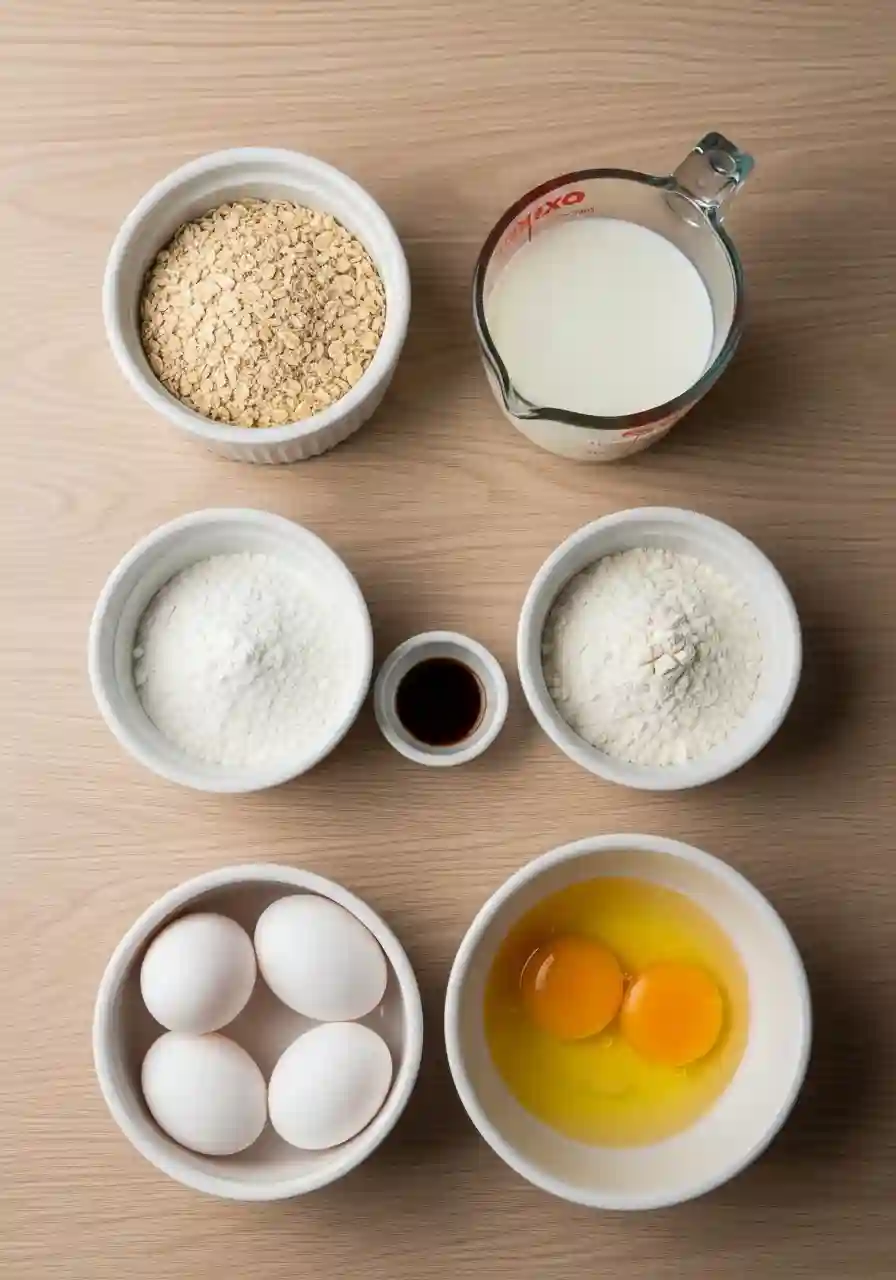
The quality of your Protein Waffles starts with the ingredients. Not in a complicated way. In a balanced way. The right combination determines whether your waffles turn out fluffy and crisp or dense and flat.
At the core, this recipe keeps things simple: oats, protein powder, eggs, milk, and a leavening agent. Each one plays a specific role. Remove one carelessly, and the texture shifts. Adjust one intelligently, and you improve everything.
Choosing the Right Protein Powder
Protein powder is the defining element in Protein Waffles, but not all powders behave the same.
Whey protein tends to produce lighter, fluffier waffles because it blends smoothly and reacts well with eggs. Plant-based protein powder works too, but it absorbs more liquid. That means you may need slightly more milk to avoid dryness.
A few practical guidelines:
- Use unflavored or vanilla protein powder for versatility
- Avoid heavily sweetened powders if you want control over flavor
- If batter looks too thick, add 1–2 tablespoons of milk
- If batter is too thin, let it rest for 2–3 minutes to thicken
Small adjustments make a noticeable difference.
Oats vs Flour: Texture Matters
Rolled oats give Protein Waffles structure and fiber while keeping them hearty and satisfying. When blended, oats act like oat flour but retain more nutritional density. This contributes to slower digestion and improved satiety compared to refined white flour.
If you prefer a lighter texture, you can substitute part of the oats with all-purpose flour. For gluten-free Protein Waffles, a 1:1 gluten-free flour blend works well. Just avoid overly starchy blends, as they can reduce crispness.
Eggs are equally important. They bind everything together and create that fluffy interior. Without enough eggs, waffles can become crumbly. Too many, and they taste overly egg-forward.
The goal is balance. That’s really what separates average Protein Waffles from ones you actually want to make again.
When the ingredient ratios are right, the batter should be smooth, slightly thick, and pourable. Not watery. Not stiff. Just structured enough to hold shape while cooking.
And once you dial in your preferred combination, making Protein Waffles becomes second nature. No guessing. No disappointment. Just a reliable, protein-packed breakfast you can build into your routine.
How to Make Protein Waffles in a Waffle Iron
Making Protein Waffles is surprisingly simple once you understand the rhythm of it. Not complicated. Not technical. Just a few small details that make the difference between golden, crisp waffles and pale, slightly soggy ones.
The process itself is straightforward: blend, pour, cook. But the execution matters.
Start by fully preheating your waffle iron. This step is often rushed, and it shows in the final texture. A properly heated waffle iron immediately begins cooking the exterior of the batter, creating that lightly crisp shell while the inside stays tender. If the iron isn’t hot enough, the batter steams instead of crisps.
Blend your ingredients until smooth but not excessively aerated. Overblending can sometimes make Protein Waffles slightly tough. The batter should be thick yet pourable, similar to a slightly thicker pancake batter.
Getting the Texture Right
Texture is where most people struggle. Protein powder absorbs moisture differently than traditional flour, so batter consistency is key.

If the batter looks too thick:
- Add 1 tablespoon of milk at a time
- Let the batter rest for 2 to 3 minutes before adjusting again
If it looks too thin:
- Allow the oats to absorb liquid for a few minutes
- Avoid immediately adding more dry ingredients
Resting the batter briefly allows the oats and protein powder to hydrate fully. That small pause can dramatically improve the final texture of your Protein Waffles.
Cooking Time and Crispiness
Pour just enough batter to cover the waffle grid without overfilling. Close the lid and resist the urge to open it too early. Steam escaping from the sides is normal. Once the steam significantly reduces, your waffles are usually close to done.
Most waffle irons take about 3 to 5 minutes per batch, depending on heat level. Look for a golden exterior and firm structure. If you prefer extra crisp Protein Waffles, leave them in 30 to 60 seconds longer after the indicator light turns off.
If you’re making multiple batches, place finished waffles on a wire rack in a warm oven rather than stacking them. Stacking traps steam and softens the crisp exterior.
It sounds like small details. And it is. But these small details are exactly what transform Protein Waffles from “healthy experiment” into something that feels like a proper breakfast.
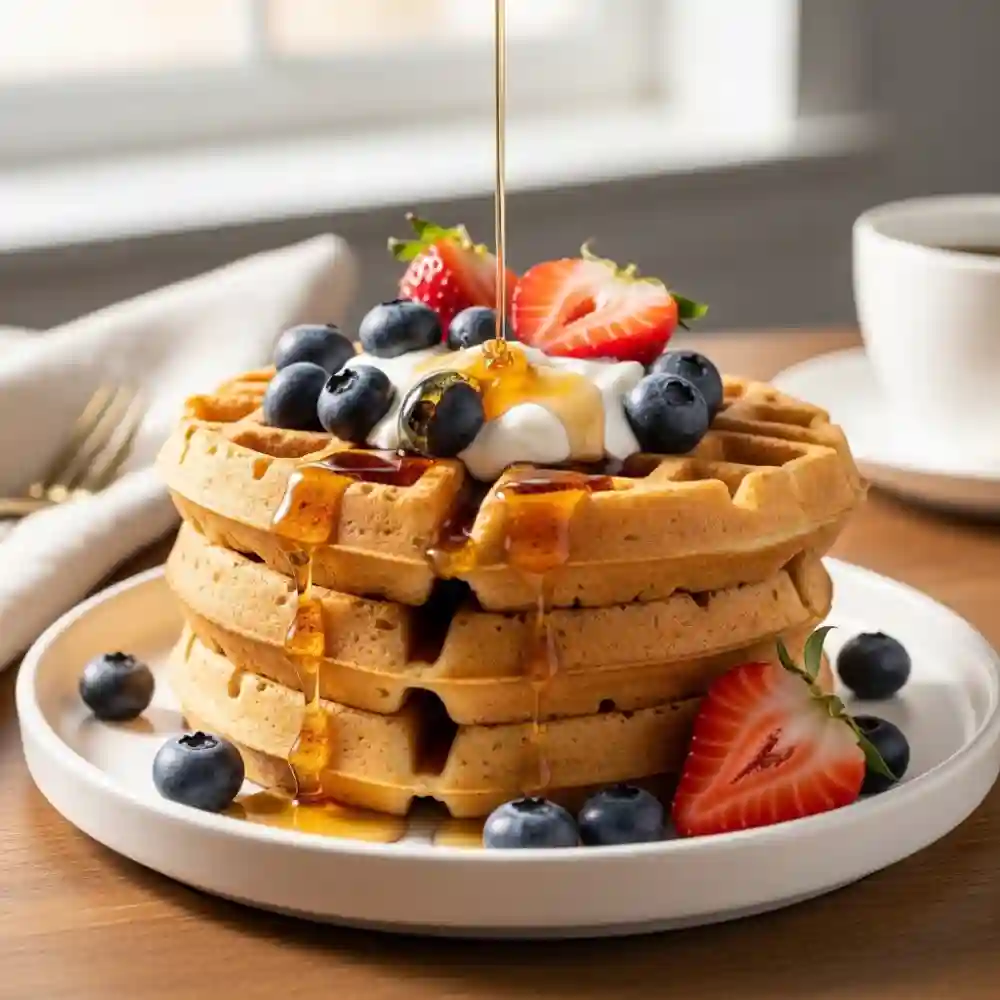

Protein Waffles
Ingredients
Method
- Preheat waffle iron according to manufacturer instructions.
- Add all ingredients to a high-speed blender. Blend until smooth, about 15–20 seconds.
- Pour batter into the waffle iron, using enough to fill the grid without overfilling.
- Cook until golden and crisp, about 3–5 minutes.
- Remove carefully and place on a wire rack if cooking multiple batches.
- Serve immediately or allow to cool before storing.
Notes
| Nutrient | Amount |
| Calories | 221 kcal |
| Protein | 17 g |
| Carbohydrates | 25 g |
| Fiber | 3 g |
| Sugar | 5 g |
| Fat | 5 g |
| Saturated Fat | 2 g |
| Cholesterol | 136 mg |
| Sodium | 207 mg |
Gluten-Free Protein Waffles (Easy Substitutions That Actually Work)
One of the biggest advantages of Protein Waffles is how adaptable they are. Whether you avoid gluten for medical reasons or personal preference, making gluten-free Protein Waffles is straightforward if you understand what needs replacing and why.
The original structure of these waffles relies on oats and flour for body, protein powder for density, and eggs for binding. To make them gluten free, the key is choosing substitutes that maintain structure without turning the texture gummy or dry.
Using Gluten-Free Flour Blends
If your recipe includes all-purpose flour, replacing it with a 1:1 gluten-free baking blend is the simplest approach. Look for blends that contain rice flour, potato starch, and a binding agent like xanthan gum. These combinations help mimic the elasticity that gluten normally provides.
However, not all gluten-free blends behave the same. Some are starch-heavy, which can reduce crispiness. If your goal is golden, lightly crisp Protein Waffles, consider keeping rolled oats as the base and only replacing the flour portion.
Oats themselves are naturally gluten free, but cross-contamination can be an issue. Choose certified gluten-free oats if necessary.
Texture Adjustments for Gluten-Free Protein Waffles
Gluten-free batters often absorb liquid differently. That means you may need small adjustments.
If your batter feels too thick:
- Add milk gradually, one tablespoon at a time
- Allow the batter to rest before making further changes
If the waffles turn out too soft:
- Increase cooking time slightly
- Let finished waffles rest on a wire rack instead of stacking
The structure of gluten-free Protein Waffles depends more on proper hydration and cooking time than on complicated ingredients. Often, patience solves most texture issues.
Another option is replacing flour entirely with blended oats or oat flour. This keeps the recipe naturally gluten free while maintaining a hearty, satisfying bite. The result is slightly denser than traditional waffles, but still fluffy when cooked properly.
When done correctly, gluten-free Protein Waffles do not feel like a compromise. They maintain structure, flavor, and crispness while fitting dietary needs. And that flexibility is what makes them practical for real-life kitchens.
Low-Calorie and Lower-Carb Protein Waffles Options
One of the most common questions around Protein Waffles is whether they can fit into a lower-calorie or lower-carb approach. The short answer is yes, but it depends on how you adjust the ingredients. Small changes can significantly impact the macros without sacrificing texture.
The base recipe already offers a more balanced alternative to traditional waffles, thanks to its higher protein content and better ingredient structure. But if your goal is fat loss, tighter macro tracking, or carb control, you can make strategic modifications.
How to Make Low-Calorie Protein Waffles
Lowering calories usually comes down to reducing added fats and managing portion size. Since Protein Waffles rely more on eggs and protein powder than butter or oil, they are naturally moderate in calories compared to classic waffle recipes.
To reduce calories further:
- Use egg whites instead of whole eggs
- Choose unsweetened almond milk instead of whole milk
- Select a lean protein powder with minimal added sugars
- Skip high-calorie toppings like syrup and use Greek yogurt or fresh berries instead
These small adjustments can reduce total calories while maintaining structure and satiety. The key is not stripping the recipe down so much that it becomes dry or flavorless.
Lower-Carb Swaps That Still Work
If your focus is carbohydrate reduction, the oats are the main variable. While oats provide fiber and nutritional value, they are still a carbohydrate source.
For lower-carb Protein Waffles, you can:
- Replace part of the oats with almond flour
- Use a whey protein isolate with minimal carbs
- Reduce flour quantities and increase egg content slightly
Be aware that removing too many carbs can change texture. Carbohydrates contribute to structure and crispness. If you go too low, the waffles may feel softer and more custard-like.
There is always a balance between macro precision and eating satisfaction. A slightly higher-carb waffle that keeps you full for hours may be more sustainable than an ultra-low-carb version that leaves you unsatisfied.
The beauty of Protein Waffles is their flexibility. Whether your goal is calorie control, carb reduction, or simply a more balanced breakfast, small ingredient adjustments allow you to tailor the recipe without losing what makes it enjoyable in the first place.
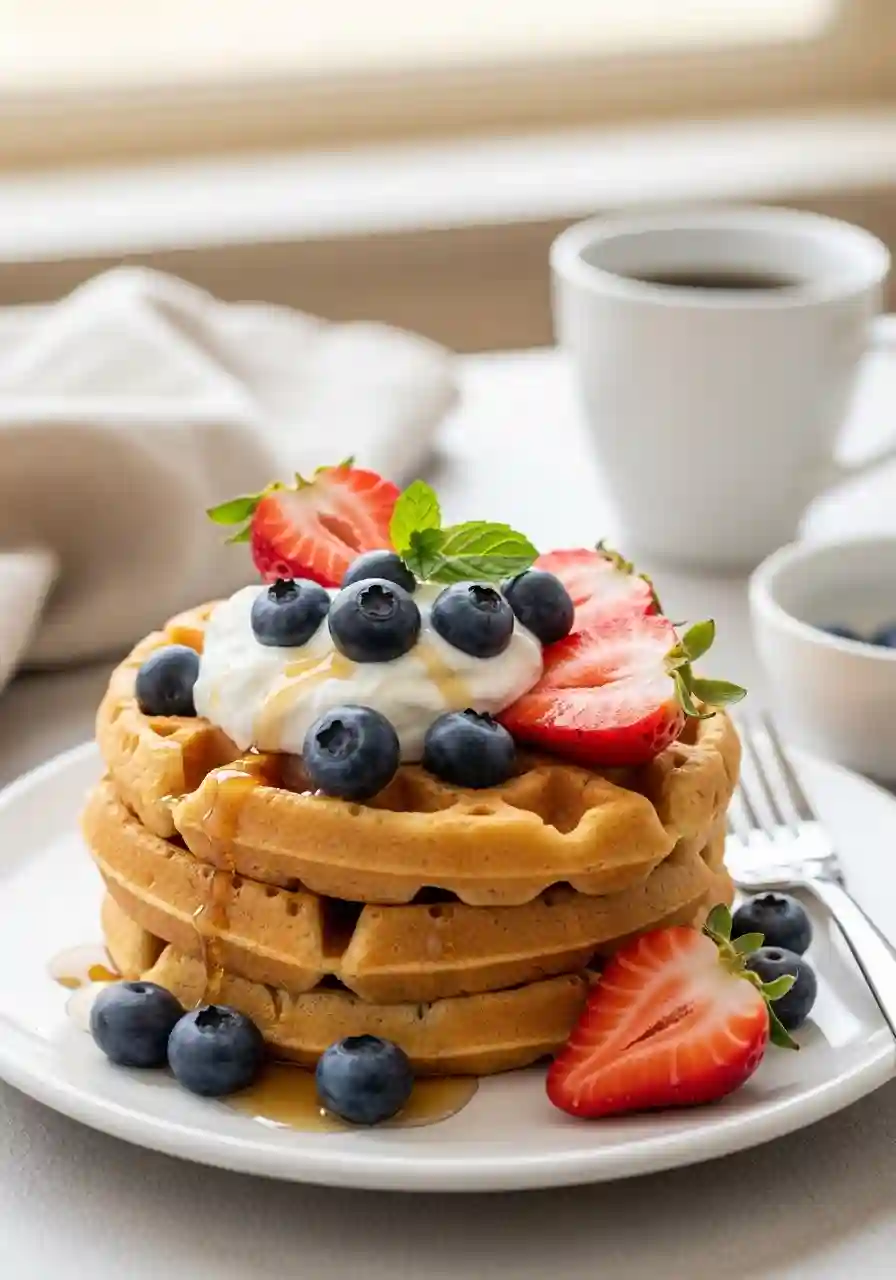
Protein Waffles vs Kodiak Waffle Recipe
If you’ve ever browsed the breakfast aisle, you’ve probably seen Kodiak products marketed as a high-protein alternative to traditional waffles. So naturally, the comparison comes up: are homemade Protein Waffles really better than a typical Kodiak waffle recipe?
The answer depends on what you value most: convenience, ingredient control, texture, or macro flexibility.
Kodiak-style mixes are designed for simplicity. You add water or milk, stir, and cook. They contain added protein and whole grains, which already makes them superior to standard refined waffle mixes. For busy mornings, that convenience matters.
But homemade Protein Waffles offer something boxed mixes cannot fully replicate: customization.
Ingredient Control and Macro Precision
When you make Protein Waffles from scratch, you control everything. The type of protein powder. The sweetness level. The fat content. The carb source. If you’re tracking macros, that flexibility is valuable.
With a pre-made mix, you’re limited to the manufacturer’s formula. Sodium levels, added sugars, and protein sources are fixed. When making your own Protein Waffles, you can:
- Use a whey isolate for higher protein and lower carbs
- Choose plant-based protein if dairy-sensitive
- Adjust sweetness naturally
- Modify portion size easily
That level of control allows you to align breakfast with your specific nutrition goals.
Texture and Freshness Difference
Texture is another key difference. Many boxed high-protein mixes can lean slightly dry if not prepared carefully. Homemade Protein Waffles, especially when blended fresh, often produce a softer interior and better crisp exterior.
Fresh batter tends to hydrate more evenly. The oats absorb moisture gradually, creating structure without heaviness. That subtle difference is noticeable, especially if you care about mouthfeel.
That said, convenience still has value. If you are in a true time crunch, a Kodiak-style mix is practical. But if you have a few extra minutes and want full control over flavor and macros, homemade Protein Waffles give you more flexibility.
Ultimately, it’s less about which is “better” and more about which fits your routine. For some, convenience wins. For others, customization and freshness make the extra effort worthwhile.
Protein Waffles for Kids (Healthy Waffles That Actually Get Eaten)
Let’s be honest for a second. “Healthy waffles for kids” sounds great in theory. In reality, kids do not care about protein content, fiber balance, or blood sugar stability. They care about taste and texture. If it feels dry, dense, or overly healthy, they will notice immediately.
That’s why Protein Waffles work surprisingly well for families. When the texture is right, they do not taste like a “nutrition project.” They taste like breakfast.
The key is keeping the structure fluffy and slightly crisp while avoiding overpowering protein flavors. Using vanilla protein powder instead of unflavored blends often makes a big difference. It adds subtle sweetness without needing large amounts of sugar.
Making Protein Waffles Kid-Friendly
If you’re serving Protein Waffles to children, small adjustments go a long way:
- Add a handful of blueberries or mini chocolate chips to the batter
- Use cinnamon or a splash of vanilla extract for warmth
- Serve with Greek yogurt and fruit instead of heavy syrup
- Cut waffles into strips for easier handling
Presentation matters more than most parents expect. When waffles are cut into fun shapes or served with colorful fruit, they feel like a treat rather than a “healthy substitute.”
Another advantage of Protein Waffles is satiety. Kids often experience energy spikes and crashes when breakfast is mostly refined carbs. A protein-balanced breakfast supports steadier energy, which can mean better focus at school and fewer mid-morning hunger complaints.
Building a Balanced Family Breakfast
Protein Waffles can act as the foundation of a balanced meal. Pair them with:
- Scrambled eggs
- Cottage cheese
- Greek yogurt
- Fresh fruit
This builds a protein-packed breakfast without overwhelming the plate.
The goal is not perfection. It is sustainability. When children enjoy what they are eating, healthy habits become normal instead of forced. And when breakfast feels comforting and familiar, it becomes something they look forward to.
That’s the real value of Protein Waffles in a family setting. They bridge the gap between nutrition and enjoyment without turning breakfast into a negotiation.
Meal Prep Strategy for Busy Mornings
If mornings feel rushed, chaotic, or unpredictable, meal prep changes everything. The difference between grabbing something random and eating something intentional often comes down to preparation, not motivation.
Batch cooking waffles ahead of time is one of the simplest breakfast strategies. Instead of making them every morning, you prepare a full batch once, cool them completely, and store them properly. The entire process takes less than 30 minutes, but it can cover multiple days of breakfast.
How to Freeze and Store Properly
After cooking, allow the waffles to cool fully on a wire rack. This step matters more than most people realize. Cooling prevents condensation, which can make them soggy once stored.
Once cooled:
- Place them in a single layer on a baking sheet
- Freeze for about 1 hour until firm
- Transfer to a freezer-safe bag or airtight container
- Store for up to 3 months
Flash freezing prevents sticking and preserves texture. When stored correctly, they reheat surprisingly well.
To reheat:
- Use a toaster for crisp texture
- Use an oven at low heat for larger batches
- Avoid microwaving if you want to keep the exterior firm
Building a Practical Breakfast Routine
The real benefit of prepping Protein Waffles ahead of time is mental clarity. You remove the morning decision. Breakfast becomes automatic.
Pair reheated waffles with quick protein options like Greek yogurt, cottage cheese, or nut butter. Add fruit for fiber and natural sweetness. Within minutes, you have a balanced plate without stress.
Meal prep is not about perfection. It is about reducing friction. When food is ready, you are more likely to eat in alignment with your goals. When it is not, convenience usually wins.
And in busy households, convenience often dictates consistency. Having a freezer stocked with ready-to-toast waffles makes breakfast feel manageable instead of overwhelming.
Flavor Variations and Custom Add-Ins
One of the biggest advantages of this recipe is how adaptable it is. Once you understand the base structure, you can easily shift the flavor profile without compromising texture. The foundation remains stable, but the personality changes.
That flexibility is what makes it sustainable long term.
Sweet Variations That Actually Work
If you prefer a sweeter breakfast, small additions go a long way. The key is enhancing flavor without making the batter too heavy or wet.
Some reliable options include:
- Blueberries folded into the batter
- Cinnamon with a touch of maple extract
- Mini dark chocolate chips
- Mashed banana for natural sweetness
When adding fruit, reduce liquid slightly to maintain consistency. Chocolate chips should be added after blending to prevent overmixing.
You can also increase warmth and depth by adding nutmeg or a pinch of sea salt. Subtle changes create noticeable improvements.
Savory Options for a Different Approach
Not everyone wants a sweet breakfast. A savory variation transforms the entire experience.
Try:
- Reducing vanilla extract
- Adding black pepper and a pinch of garlic powder
- Folding in finely chopped spinach
- Topping with eggs or avocado
The structure remains the same, but the flavor direction shifts completely. This works particularly well if you want a more balanced, lower-sugar morning meal.
Texture Upgrades
Texture matters just as much as flavor. For added crunch, sprinkle chopped nuts or seeds onto the batter once poured into the iron. For extra softness, a spoonful of cottage cheese blended into the base can increase moisture without heaviness.
When done correctly, Protein Waffles can adapt to almost any preference. Sweet, savory, fruit-forward, chocolate-based, or neutral enough to pair with eggs and yogurt.
That versatility is what prevents breakfast fatigue. Instead of repeating the exact same plate every day, you adjust small elements while keeping the structure consistent.
Over time, that flexibility makes the recipe feel less like a fixed formula and more like a dependable template you can personalize.
Nutrition Information
Understanding the nutritional value of what you eat helps you make informed decisions, especially if you are tracking macros or focusing on balanced meals. One of the main reasons Protein Waffles stand out compared to traditional waffles is their improved macronutrient profile.
Instead of being primarily carbohydrate-based, this recipe provides a more balanced distribution of protein, fats, and complex carbohydrates. That shift supports satiety, muscle maintenance, and more stable energy levels throughout the morning.
Below is the approximate nutrition breakdown per serving. One serving equals 2 standard waffles.
Nutrition Per Serving
| Nutrient | Amount |
| Calories | 221 kcal |
| Protein | 17 g |
| Carbohydrates | 25 g |
| Fiber | 3 g |
| Sugar | 5 g |
| Fat | 5 g |
| Saturated Fat | 2 g |
| Cholesterol | 136 mg |
| Sodium | 207 mg |
According to official USDA dietary guidelines, adequate protein intake at breakfast may support satiety and overall dietary balance
These values may vary slightly depending on the type of protein powder, milk choice, and flour substitutions used.
Macronutrient Breakdown Explained
The 17 grams of protein per serving is what makes this breakfast particularly effective for satiety. Compared to traditional waffles that may only offer 4 to 6 grams of protein, this version more than doubles that amount.
The carbohydrate content comes primarily from oats and flour, providing slower-digesting energy rather than rapid blood sugar spikes. The moderate fat content supports texture and flavor without making the meal excessively calorie-dense.
If you choose lower-fat milk, egg whites, or a lean protein isolate, total calories can decrease slightly. Conversely, adding toppings like nut butter or syrup will increase the overall macro profile.
From a macro-friendly perspective, this recipe fits well into balanced meal planning. It provides a solid protein base while leaving room for customization depending on your daily targets.
Conclusion
Breakfast sets the tone for everything that follows. Not just physically, but mentally. When your first meal leaves you satisfied, energized, and clear-headed, the rest of the day feels more manageable. When it leaves you hungry or sluggish, you spend hours trying to correct it.
What makes this recipe valuable isn’t that it’s trendy or macro-friendly. It’s that it works in real life. It respects your time. It respects your goals. And it doesn’t force you to choose between comfort and structure.
A good breakfast should feel familiar. Warm. Reliable. Something you actually want to eat again tomorrow. That balance between nourishment and enjoyment is what makes habits sustainable. Not strict rules. Not perfection. Just consistency built on meals that make sense for your lifestyle.
The flexibility is part of the strength. You can adjust the ingredients. Modify the macros. Make it gluten-free. Make it lower calorie. Make it sweeter or savory. Freeze it for busy mornings. Keep it fresh for slower weekends. The structure holds, even when the details shift.
Over time, small breakfast upgrades compound. More protein early in the day often means fewer cravings, steadier energy, and less reactive eating later. It’s not dramatic. It’s subtle. But subtle consistency is what creates long-term results.
If you’ve been searching for a way to make mornings easier without sacrificing taste or balance, this might be the shift you were looking for. Protein Waffles are not just a recipe. They’re a practical tool for building a breakfast routine that supports your goals without complicating your life.
More High-Protein Recipes You’ll Love
- High Protein Breakfast Cottage Cheese – A creamy and satisfying way to start your morning.
- Banana Berry Protein Smoothie – Quick, energizing, and perfect post-workout.
- High Protein Lasagna Soup – Comfort food with a nutritious protein boost.
- Healthy Breakfast Cookie – Grab-and-go and packed with wholesome ingredients.
Protein Waffles FAQs
1. Can I make Protein Waffles without protein powder?
Yes, but the texture and protein content will change. Protein powder adds structure and density, so removing it may result in softer waffles. If you prefer not to use protein powder, you can substitute with oat flour and increase the eggs slightly to maintain structure. Keep in mind that the overall protein per serving will decrease, which may affect satiety.
2. Why are my waffles dense or rubbery?
Dense or rubbery texture usually comes from one of three issues: too much protein powder, overblending, or insufficient liquid. Protein powder absorbs moisture differently than traditional flour. If the batter looks thick, add milk one tablespoon at a time. Also, avoid overmixing once ingredients are combined. Letting the batter rest for a few minutes before cooking can also improve texture.
3. How do I keep Protein Waffles crispy?
To maintain crispness, fully preheat the waffle iron before pouring the batter. After cooking, place the waffles on a wire rack instead of stacking them. Stacking traps steam, which softens the exterior. If making a large batch, keep them warm in a low oven on a rack. For reheating, a toaster works better than a microwave.
4. Are Protein Waffles good for weight loss?
They can be. Protein supports satiety, helps preserve muscle mass, and may reduce overall calorie intake throughout the day. However, weight loss depends on total daily intake, portion size, and overall lifestyle habits. When paired with balanced toppings and mindful portions, Protein Waffles can fit well into a calorie-controlled plan.
5. Can I turn this batter into pancakes?
Yes. The batter works for pancakes, although the texture may be slightly softer and less crisp at the edges. If making pancakes, cook on medium heat and allow extra time for the center to set properly.