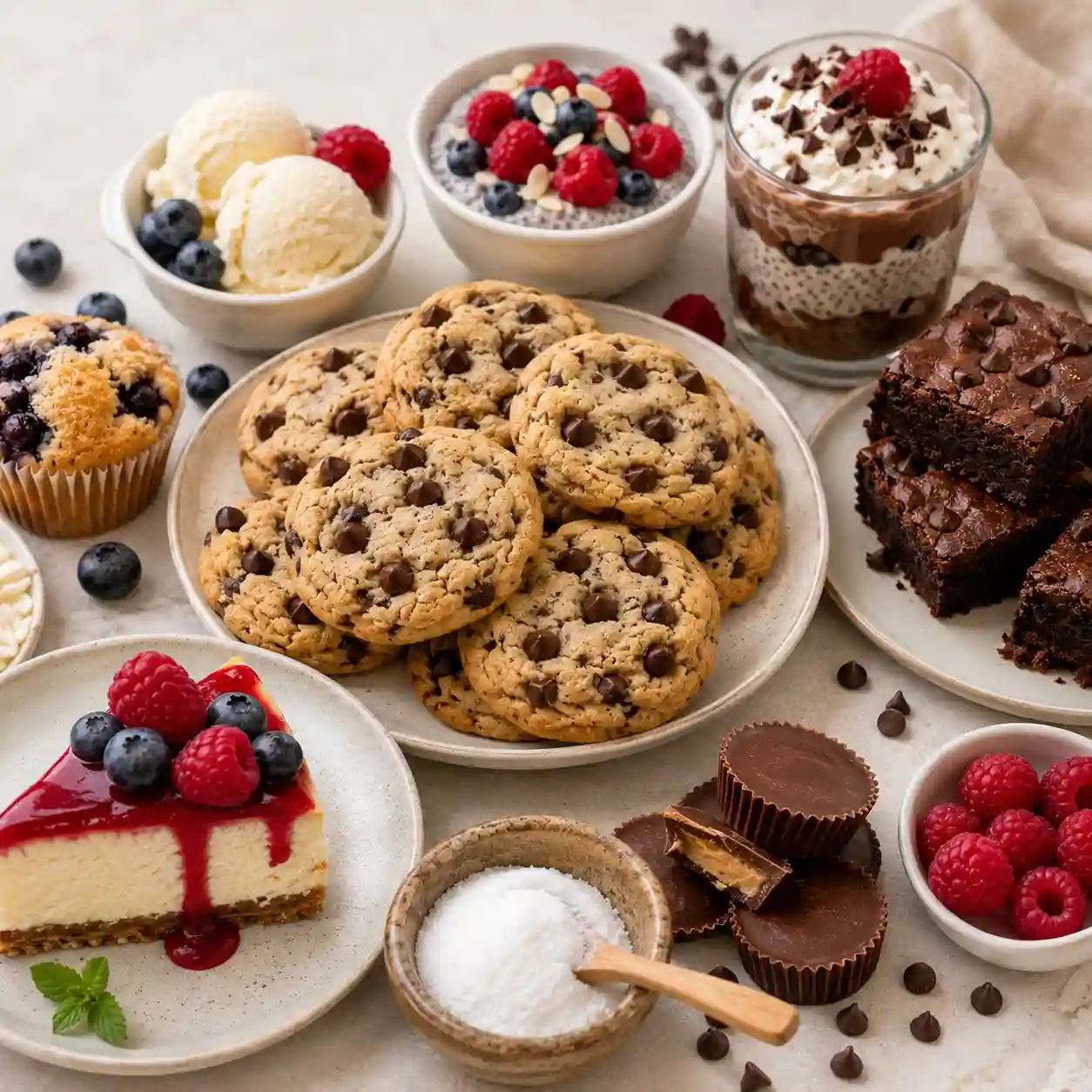
Monk Fruit Sweetener Recipes have become my favorite way to enjoy homemade desserts without relying on refined sugar. Have you ever looked at a dessert recipe and thought, “There has to be a healthier way to make this”? I remember asking myself that exact question after trying to cut back on sugar while still wanting cookies, cheesecakes, and other sweet treats. After plenty of trial and error in my own kitchen, I discovered that monk fruit sweetener could deliver the sweetness I loved without sacrificing flavor.
Since then, I’ve experimented with everything from soft almond flour cookies to creamy no bake cheesecakes and rich keto brownies. Some recipes turned out better than expected, while others taught me valuable lessons about baking with natural sweeteners. That’s exactly why I created this guide. I want to save you the guesswork and share recipes that actually work.
Whether you’re following a keto lifestyle, managing diabetes, reducing your sugar intake, or simply looking for healthier desserts, you’ll find plenty of delicious inspiration here. From easy everyday treats to impressive desserts for special occasions, these monk fruit sweetener recipes prove that eating with less sugar doesn’t mean giving up the foods you love.
Table of Contents
Table of Contents
What Are Monk Fruit Sweetener Recipes?
Monk Fruit Sweetener Recipes are dishes made with monk fruit sweetener instead of traditional sugar. They include everything from cookies and cakes to smoothies, sauces, and refreshing drinks. If you’ve never cooked with monk fruit before, don’t worry. It’s one of the easiest natural sweeteners to use, especially once you understand how it works in different recipes.
Monk fruit comes from a small green melon called Siraitia grosvenorii, which has been grown in southern China for centuries. Its natural sweetness comes from compounds called mogrosides, not from sugar itself. That’s why monk fruit sweetener contains little to no calories and has a negligible effect on blood sugar levels, making it a popular choice for people following low carb, keto, or diabetic-friendly eating plans.
One thing I appreciate most after experimenting with dozens of homemade desserts is how versatile it is. I’ve used it in brownies, cheesecakes, muffins, chocolate mousse, and even homemade lemonade. Once you become familiar with the right measurements, you’ll notice that many classic desserts can be recreated with the same rich flavor while using far less sugar.
Another reason Monk Fruit Sweetener Recipes continue to grow in popularity is the variety of sweetener options available. You’ll find granulated blends designed to replace sugar cup for cup, powdered versions that dissolve smoothly into frostings and cheesecakes, liquid drops for beverages, and pure monk fruit extract that delivers intense sweetness in very small amounts. Choosing the right type depends on the recipe you’re preparing, but each has its own advantages.
Unlike some sugar substitutes that leave a bitter or cooling aftertaste, high quality monk fruit sweeteners have a clean, pleasant sweetness. They also tolerate heat very well, making them an excellent option for baking cookies, cakes, muffins, and other desserts. Because they remain stable during cooking, they can also be used in sauces, jams, homemade syrups, and warm beverages without losing their sweetness.
Whether you’re trying to reduce refined sugar, support healthier eating habits, or simply discover new ways to make your favorite treats, Monk Fruit Sweetener Recipes offer countless possibilities. From simple no bake desserts to elegant baked creations, they make it easier to enjoy delicious homemade food while staying true to your nutritional goals.
Why You’ll Love These Monk Fruit Sweetener Recipes
One of the biggest reasons people fall in love with Monk Fruit Sweetener Recipes is that they make it easy to enjoy your favorite desserts while cutting back on refined sugar. Whether you’re baking for yourself, your family, or guests with special dietary needs, these recipes offer a delicious balance of flavor and nutrition without feeling like a compromise.
Unlike many artificial sweeteners, monk fruit delivers a clean sweetness that pairs beautifully with ingredients like almond flour, cocoa powder, berries, cream cheese, coconut, and vanilla. That means you can create everything from soft cookies and moist muffins to creamy cheesecakes and refreshing frozen treats with confidence.
Another advantage of Monk Fruit Sweetener Recipes is their versatility. They fit naturally into low carb, keto, diabetic-friendly, and gluten-free lifestyles, making them a practical choice for anyone looking to reduce added sugar. Since monk fruit sweetener is heat stable, it performs well in baked goods, sauces, drinks, and even no bake desserts, giving you endless possibilities in the kitchen.
These recipes are also beginner friendly. Most require simple pantry ingredients, straightforward instructions, and very little preparation time. Whether you’re making a quick weekday snack or an elegant dessert for a celebration, you’ll find that healthy baking can be both enjoyable and rewarding.
Once you start experimenting with Monk Fruit Sweetener Recipes, you’ll discover that healthier desserts don’t have to sacrifice taste, texture, or satisfaction. In many cases, your family and friends may not even realize the treats are made without traditional sugar.
30 Best Monk Fruit Sweetener Recipes
1. Cookies & Cookie Bars
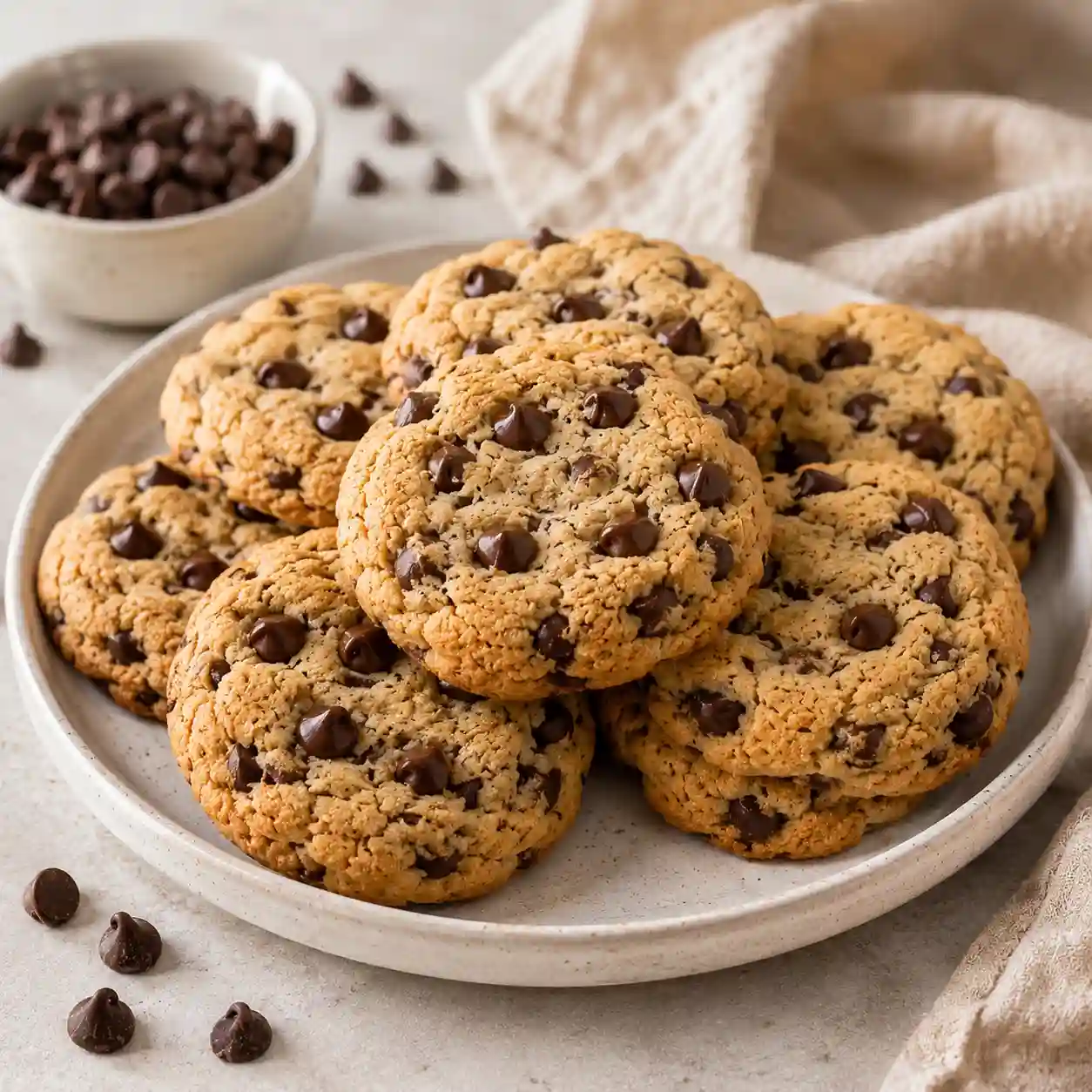
Monk Fruit Chocolate Chip Cookies
These soft and chewy chocolate chip cookies are sweetened with monk fruit for a delicious treat that’s lower in sugar. Made with wholesome ingredients and plenty of sugar-free chocolate chips, they’re perfect for satisfying cookie cravings while supporting a healthier lifestyle
Ingredients
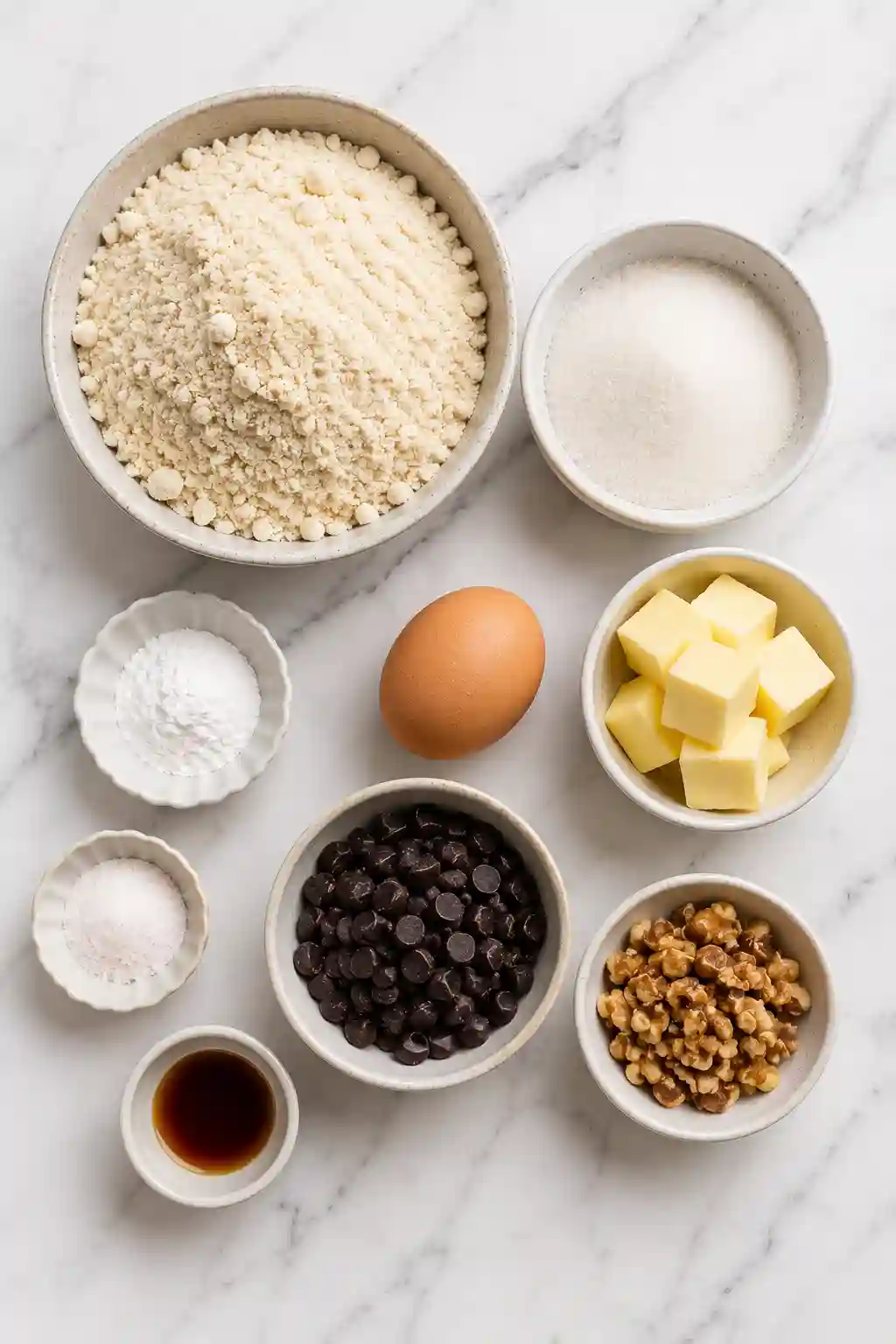
- 2 cups almond flour
- 1 teaspoon baking powder
- ¼ teaspoon fine sea salt
- ½ cup granulated monk fruit sweetener (1:1 sugar replacement)
- ¼ cup unsalted butter, softened
- 1 large egg, room temperature
- 1 teaspoon pure vanilla extract
- ⅓ cup sugar-free dark chocolate chips
- 2 tablespoons chopped walnuts or pecans (optional)
Instructions
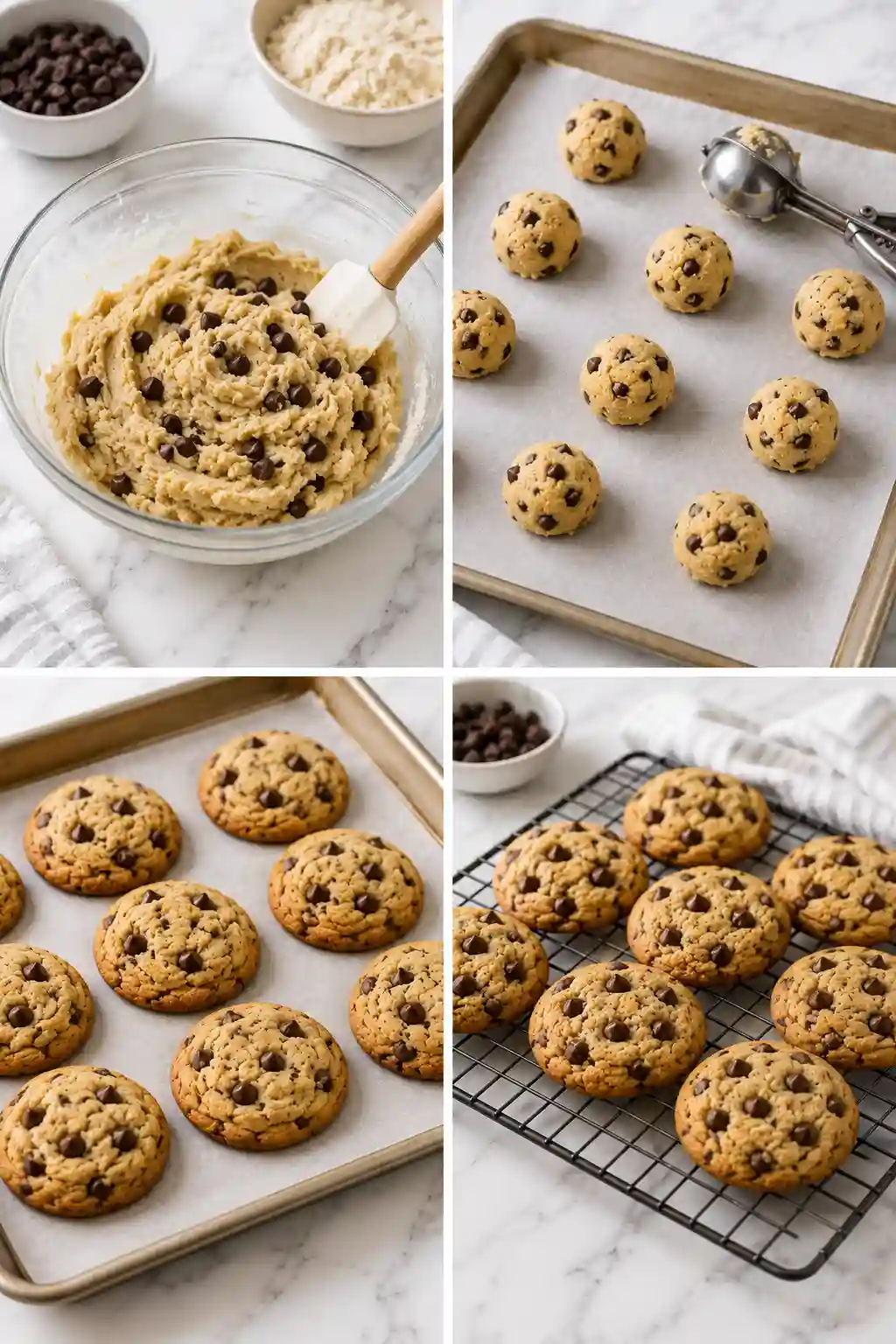
- Preheat your oven to 350°F (175°C) and line a baking sheet with parchment paper.
- In a medium bowl, whisk together the almond flour, baking powder, and salt until well combined.
- In a separate large bowl, beat the softened butter and monk fruit sweetener until light and creamy, about 2 minutes.
- Add the egg and vanilla extract, then mix until smooth and fully incorporated.
- Gradually stir the dry ingredients into the wet ingredients until a soft cookie dough forms.
- Fold in the sugar-free chocolate chips and chopped nuts, if using, making sure they are evenly distributed throughout the dough.
- Scoop about 1½ tablespoons of dough for each cookie and place them on the prepared baking sheet, leaving about 2 inches between each cookie. Gently flatten the tops with the back of a spoon.
- Bake for 10 to 12 minutes, or until the edges are lightly golden while the centers remain slightly soft.
- Remove the baking sheet from the oven and let the cookies cool for 5 minutes before transferring them to a wire rack. They will continue to firm up as they cool.
Notes
- Use a monk fruit baking blend that measures cup for cup like sugar for the best texture.
- For extra chocolate flavor, sprinkle a few additional chocolate chips on top before baking.
- Store the cookies in an airtight container at room temperature for up to 4 days.
- Refrigerate for up to 1 week or freeze for up to 3 months.

Monk fruit sweetener recipes
Ingredients
Method
- Preheat the oven to 350°F (175°C). Line a baking sheet with parchment paper and set it aside.
- In a medium bowl, whisk together the almond flour, baking powder, and sea salt until evenly combined.
- In a separate large bowl, beat the softened butter and monk fruit sweetener for about 2 minutes until light and creamy.
- Add the egg and vanilla extract, then mix until the ingredients are fully incorporated.
- Gradually add the dry ingredients to the wet mixture, stirring until a soft cookie dough forms.
- Fold in the sugar-free chocolate chips and chopped nuts, if using, until evenly distributed.
- Using a cookie scoop or tablespoon, portion the dough into 12 equal balls and place them on the prepared baking sheet. Leave about 2 inches between each cookie and gently flatten the tops.
- Bake for 10 to 12 minutes, or until the edges are lightly golden and the centers remain soft.
- Allow the cookies to cool on the baking sheet for 5 minutes before transferring them to a cooling rack. They will continue to firm up as they cool.
- Choose a monk fruit baking blend that measures one-to-one like regular sugar for the most consistent results.
- Do not overbake. The cookies should look slightly underdone in the center when removed from the oven.
- Add extra sugar-free chocolate chips on top before baking for a bakery-style appearance.
- For crispier cookies, bake for an additional 1 to 2 minutes.
- Store in an airtight container at room temperature for up to 4 days.
- Refrigerate for up to 1 week.
- Freeze for up to 3 months.
Notes
| Nutrient | Amount |
| Calories | 165 kcal |
| Total Fat | 14 g |
| Saturated Fat | 4 g |
| Trans Fat | 0 g |
| Cholesterol | 22 mg |
| Sodium | 85 mg |
| Total Carbohydrates | 8 g |
| Dietary Fiber | 3 g |
| Total Sugars | 1 g |
| Added Sugars | 0 g |
| Sugar Alcohols | 2 g |
| Net Carbohydrates | 3 g |
| Protein | 5 g |
| Calcium | 65 mg |
| Iron | 1 mg |
| Potassium | 145 mg |
Monk Fruit Peanut Butter Cookies
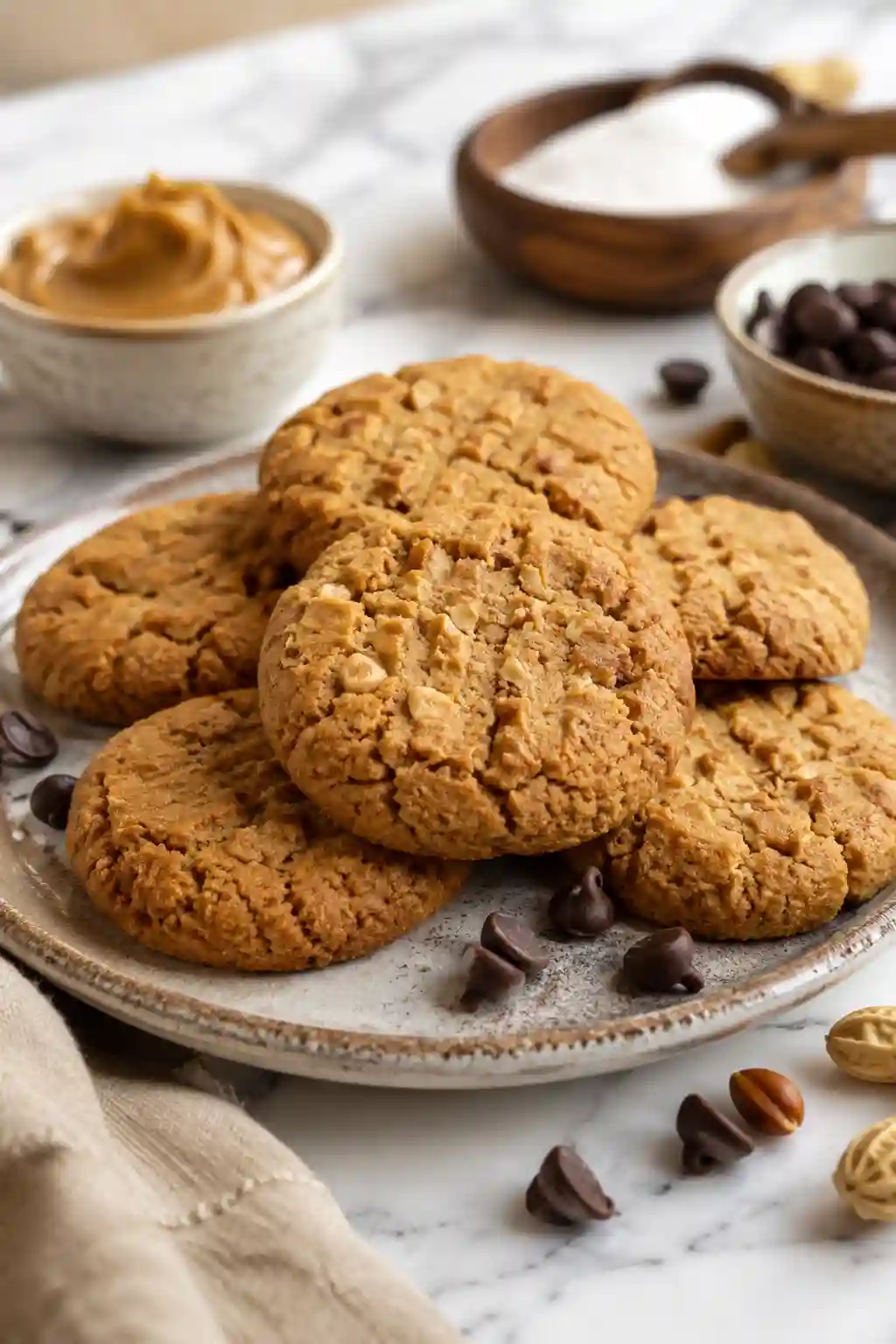
Rich peanut butter and monk fruit sweetener come together to create these irresistible cookies. They have a tender texture, a nutty flavor, and make an excellent snack or dessert for anyone following a low carb or keto lifestyle.
Monk Fruit Thumbprint Cookies
These buttery thumbprint cookies feature a sweet sugar-free fruit filling that pairs perfectly with monk fruit sweetener. They’re ideal for holidays, afternoon tea, or whenever you’re craving a simple homemade dessert.
Monk Fruit Shortbread Cookies
Classic shortbread cookies become a healthier indulgence with monk fruit sweetener. Their rich buttery flavor and delicate crumb make them perfect for serving with coffee, tea, or fresh berries.
Monk Fruit Lemon Bars
Bright lemon filling and a buttery almond flour crust make these lemon bars refreshing and satisfying. Monk fruit sweetener provides the perfect balance of sweetness without refined sugar.
2. Cakes, Muffins & Breads
Monk Fruit Pumpkin Muffins
These moist pumpkin muffins are flavored with warm spices and naturally sweetened with monk fruit. They’re perfect for breakfast, meal prep, or a cozy afternoon snack.
Monk Fruit Blueberry Muffins
Bursting with juicy blueberries, these fluffy muffins are a healthier alternative to traditional bakery treats. Monk fruit sweetener keeps them deliciously sweet while reducing added sugar.
Monk Fruit Banana Bread
Ripe bananas and monk fruit sweetener create a moist, flavorful loaf that’s perfect for breakfast or dessert. Every slice is soft, comforting, and easy to make.
Monk Fruit Chocolate Cake
This rich chocolate cake delivers all the flavor of a classic dessert while using monk fruit instead of refined sugar. It’s perfect for birthdays, celebrations, or everyday chocolate lovers.
Monk Fruit Cheesecake
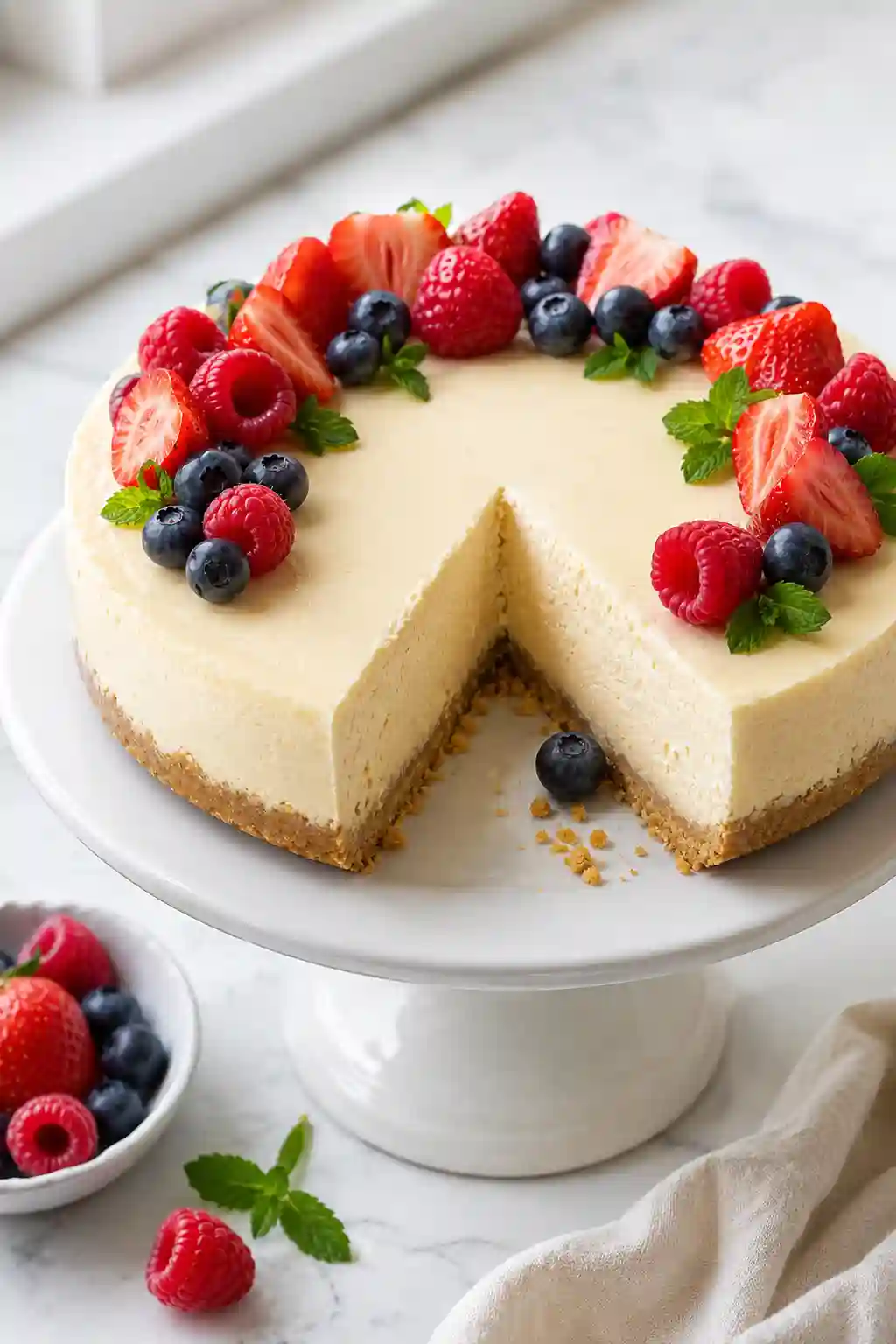
Creamy, smooth, and perfectly sweet, this cheesecake is an elegant dessert that fits into many low carb and sugar-conscious lifestyles. Fresh berries make a beautiful finishing touch.
3. Chocolate & Candy Desserts
Monk Fruit Keto Brownies
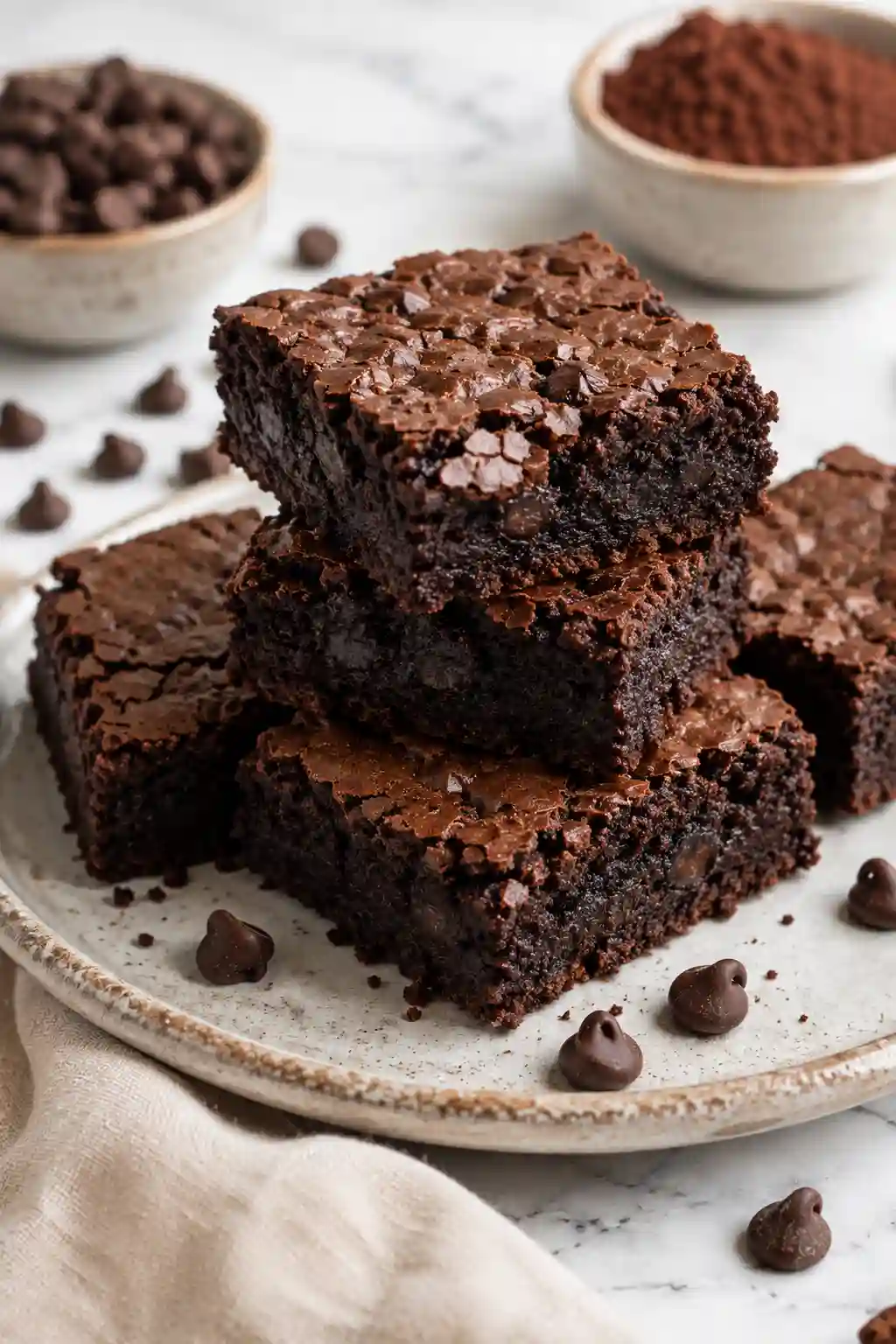
These fudgy brownies have an intense chocolate flavor and a soft center. Monk fruit sweetener helps create a satisfying dessert that’s perfect for keto and low carb eating.
Monk Fruit Peanut Butter Cups
Creamy peanut butter and rich chocolate make these homemade peanut butter cups impossible to resist. They’re simple to prepare and ideal for storing in the refrigerator for quick snacks.
Monk Fruit Chocolate Mousse
Light, airy, and incredibly chocolatey, this mousse is an elegant dessert that requires only a few simple ingredients. Monk fruit sweetener keeps every spoonful deliciously balanced.
Monk Fruit Chocolate Bark
Chocolate bark is one of the easiest desserts to customize with nuts, seeds, or dried berries. Monk fruit sweetener makes it a simple sugar-free treat for any occasion.
Monk Fruit Chocolate Fat Bombs
These bite-sized treats combine healthy fats with rich chocolate flavor for a satisfying keto-friendly dessert. They’re perfect whenever you need a quick energy boost.
4. No Bake Desserts
No Bake Monk Fruit Cheesecake
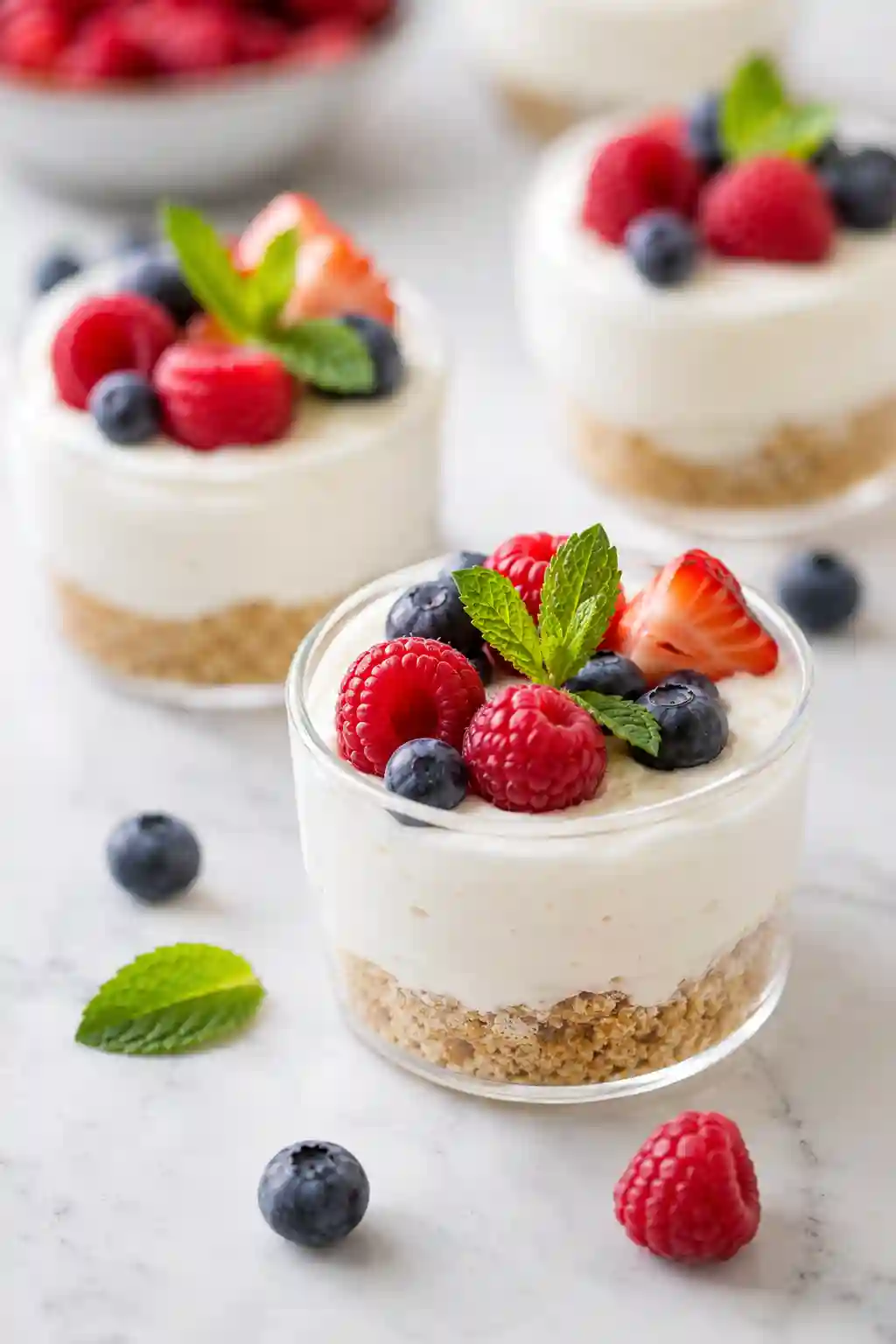
This creamy no bake cheesecake comes together quickly and doesn’t require turning on the oven. It’s a refreshing dessert that’s perfect for warm weather.
Monk Fruit Cheesecake Cups
Individual cheesecake cups are easy to serve and perfect for parties or meal prep. Top them with fresh berries or sugar-free fruit sauce for extra flavor.
Monk Fruit Chocolate Truffles
Smooth chocolate truffles sweetened with monk fruit make an elegant homemade gift or after-dinner dessert. Their rich texture melts in every bite.
Monk Fruit Chia Pudding
Chia pudding is creamy, nutritious, and incredibly easy to prepare. Monk fruit sweetener pairs beautifully with vanilla, cinnamon, and fresh fruit.
Monk Fruit Peanut Butter Bars
These no bake peanut butter bars combine creamy peanut butter with a chocolate topping for an easy dessert everyone will enjoy.
5. Frozen Desserts
Monk Fruit Vanilla Ice Cream
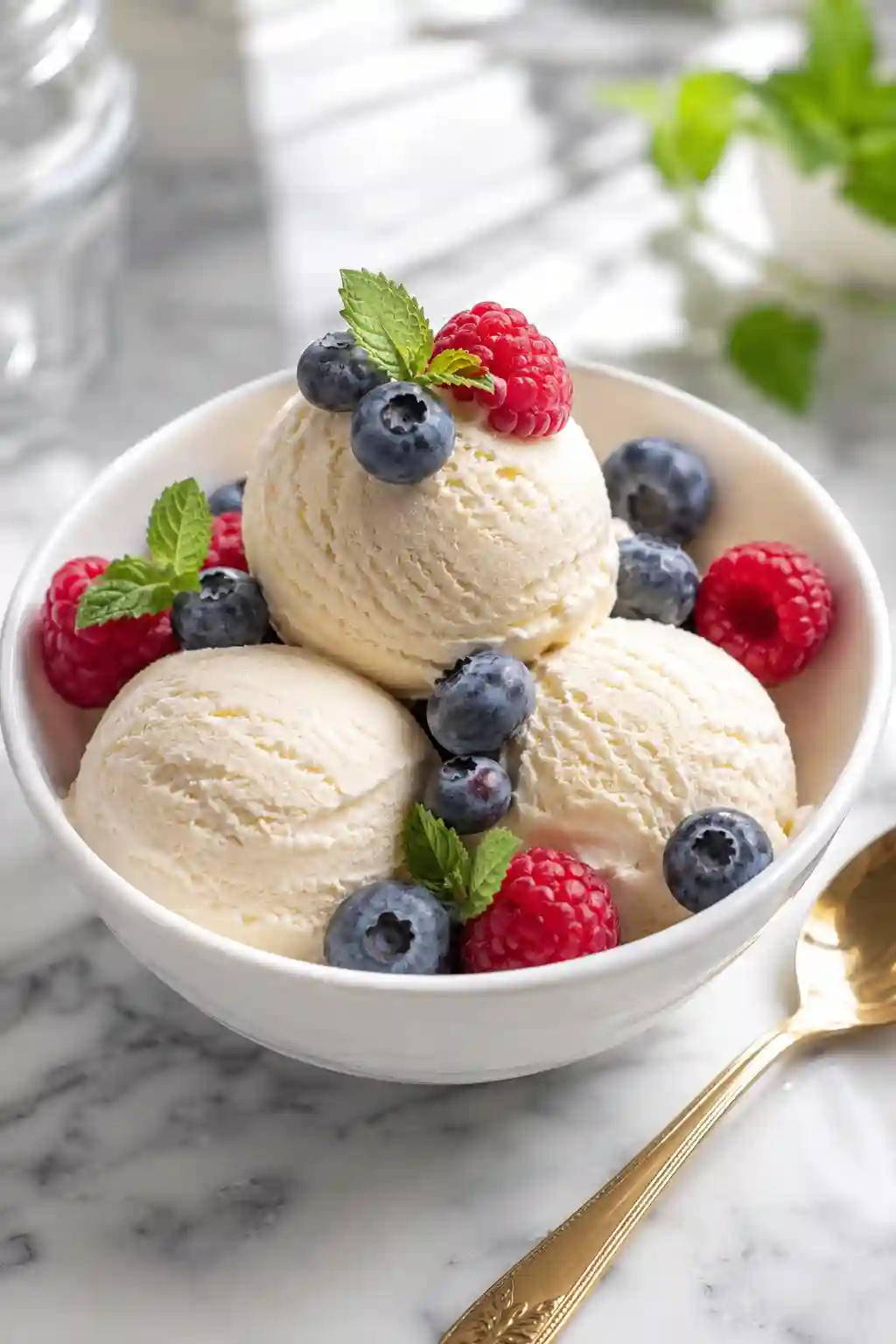
Homemade vanilla ice cream made with monk fruit offers a creamy texture and classic flavor without refined sugar. It’s delicious on its own or served with fresh fruit.
Monk Fruit Frozen Yogurt
Frozen yogurt is light, refreshing, and simple to customize with your favorite berries or nuts. Monk fruit sweetener keeps every serving naturally sweet.
Monk Fruit Fruit Popsicles
These colorful popsicles are made with fresh fruit and monk fruit sweetener for a refreshing summer dessert that’s fun for both kids and adults.
Frozen Monk Fruit Cheesecake Bites
Creamy cheesecake bites frozen into bite-sized portions make a convenient dessert whenever you’re craving something sweet and refreshing.
Monk Fruit Smoothie Bowl
A thick smoothie bowl topped with fruit, seeds, and crunchy toppings makes a nourishing breakfast or light dessert that’s naturally sweetened with monk fruit.
6. Drinks
Monk Fruit Lemonade
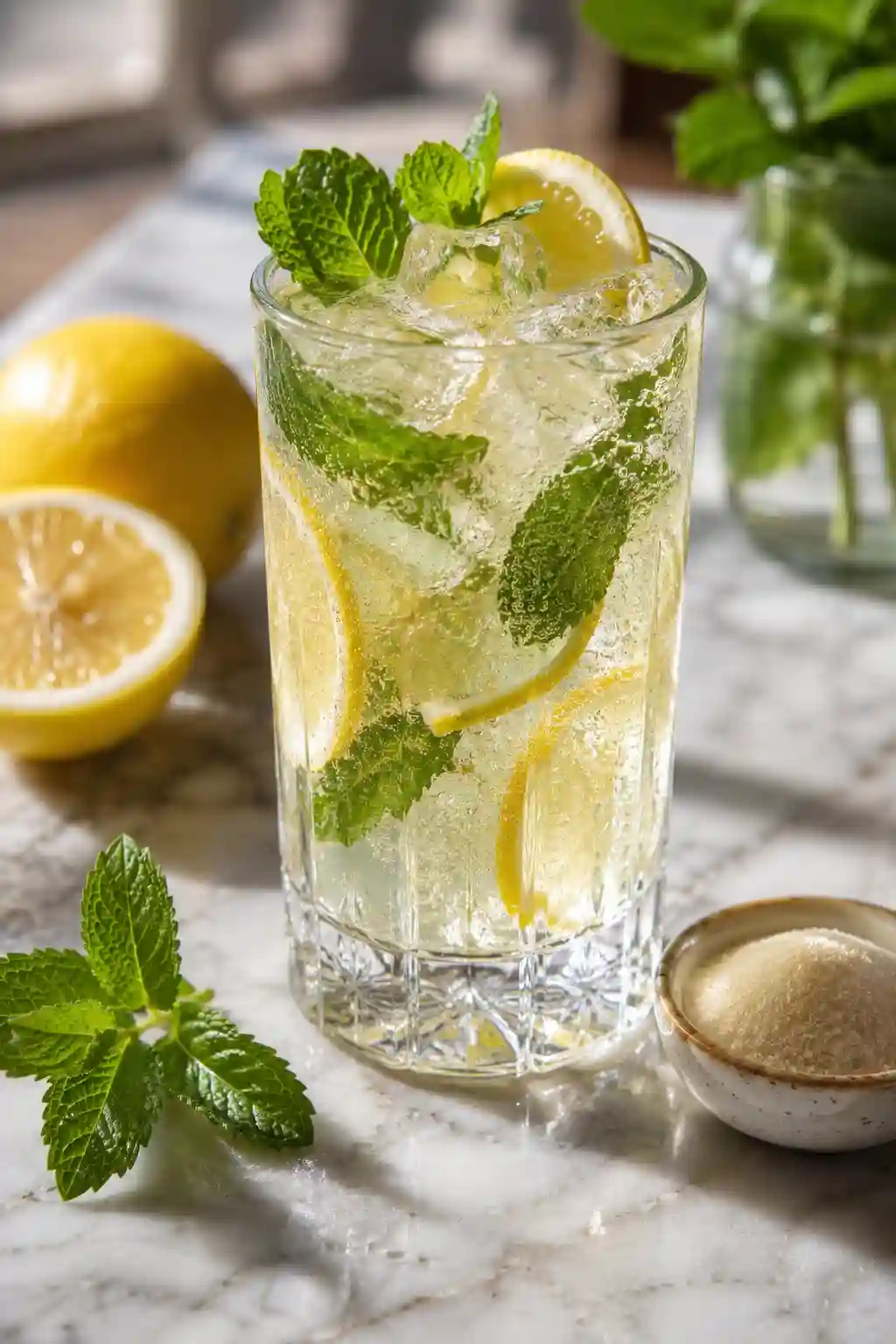
Fresh lemons and monk fruit sweetener create a refreshing homemade lemonade that’s crisp, bright, and perfect for warm days.
Monk Fruit Hot Chocolate
This creamy hot chocolate delivers rich cocoa flavor without the added sugar. It’s a comforting drink for chilly evenings or holiday gatherings.
Monk Fruit Matcha Latte
Earthy matcha and creamy milk combine with monk fruit sweetener for a balanced drink that’s both energizing and satisfying.
Monk Fruit Strawberry Smoothie
Sweet strawberries, yogurt, and monk fruit create a smooth, fruity drink that’s ideal for breakfast or a healthy afternoon snack.
Monk Fruit Peach Iced Tea
Refreshing peach iced tea sweetened with monk fruit is light, flavorful, and a wonderful alternative to sugary bottled beverages.
Are Monk Fruit Sweetener Recipes Good for Diabetics?
One of the most common questions people ask is whether Monk Fruit Sweetener Recipes are suitable for individuals living with diabetes. In many cases, the answer is yes. Monk fruit sweetener contains compounds called mogrosides that provide sweetness without the added sugar found in traditional sweeteners. Because it has little to no impact on blood glucose levels, it has become a popular choice for creating desserts and beverages that fit a diabetes-friendly eating plan.
That said, it’s important to remember that the sweetener is only one part of the recipe. A dessert made with monk fruit can still be high in carbohydrates if it contains large amounts of regular flour, fruit juice, or other carb-rich ingredients. For the best results, look for recipes that combine monk fruit with ingredients like almond flour, coconut flour, Greek yogurt, cream cheese, nuts, seeds, and unsweetened cocoa powder. These ingredients help create balanced desserts that are lower in carbohydrates while still delivering excellent flavor.
Another benefit of Monk Fruit Sweetener Recipes is that they can help reduce cravings for refined sugar without sacrificing the enjoyment of dessert. Many people find it easier to stick to healthier eating habits when they can still enjoy cookies, brownies, cheesecakes, and smoothies that taste naturally sweet. This makes monk fruit an excellent option for anyone following Monk Fruit Recipes for Diabetics, Monk Fruit Recipes Low Carb, or even a Monk Fruit Keto lifestyle.
Although monk fruit sweetener is considered a better alternative to sugar, portion control still matters. Enjoying desserts in moderation and pairing them with a balanced diet rich in vegetables, lean protein, healthy fats, and fiber is the best approach for long-term blood sugar management. If you have diabetes or another medical condition, it’s always a good idea to discuss dietary changes with your healthcare provider or a registered dietitian.
With thoughtful ingredient choices and sensible serving sizes, Monk Fruit Sweetener Recipes can become a delicious part of a healthy lifestyle. They make it easier to enjoy Sugar-Free Desserts With Monk Fruit and other Recipes With Monk Fruit Sweetener while reducing your intake of refined sugar and supporting better overall nutrition.
Tips for Success With Monk Fruit Sweetener Recipes
Getting great results with Monk Fruit Sweetener Recipes is easier than you might think, especially once you understand how this natural sweetener behaves in different recipes. Since monk fruit is much sweeter than regular sugar, using the right product and following a few simple guidelines can make a noticeable difference in flavor and texture.
Choose the Right Type of Monk Fruit Sweetener
Not all monk fruit sweeteners are the same. Some are pure monk fruit extract, while others are blended with ingredients like erythritol or allulose to create a one to one sugar replacement. Always read the label before baking so you know whether you need to adjust the amount used in your recipe.
Measure Carefully
If you’re using pure monk fruit extract, remember that a little goes a long way. Adding too much can make desserts overly sweet and overpower the other ingredients. Baking blends are often easier for beginners because they measure more like regular sugar.
Pair It With the Right Ingredients
Monk Fruit Sweetener Recipes work especially well with ingredients that naturally have rich flavors, including:
- Almond flour
- Coconut flour
- Cream cheese
- Peanut butter
- Cocoa powder
- Vanilla extract
- Cinnamon
- Pumpkin puree
- Fresh berries
These ingredients help create balanced desserts with excellent texture and flavor.
Don’t Expect Sugar to Behave the Same Way
Traditional sugar does more than add sweetness. It also helps with browning, moisture, and structure. When baking with monk fruit sweetener, cookies may brown less, cakes may rise differently, and caramelization will not be exactly the same. This is completely normal and can often be improved by following recipes developed specifically for monk fruit.
Store Homemade Desserts Properly
Many sugar free desserts stay fresh longer when stored in an airtight container. Cheesecakes, mousse, and no bake desserts should be refrigerated, while cookies and muffins can usually be kept at room temperature for several days. Most baked treats also freeze well, making meal prep even easier.
With these simple techniques, you’ll quickly become more confident preparing Monk Fruit Sweetener Recipes at home. A little practice goes a long way, and before long you’ll be creating delicious low carb, keto friendly, and sugar free desserts that taste just as satisfying as traditional favorites.
Nutrition Information
Serving Size: 1 cookie (Recipe makes 12 cookies)
| Nutrient | Amount Per Serving |
| Calories | 165 kcal |
| Total Fat | 14 g |
| Saturated Fat | 4 g |
| Trans Fat | 0 g |
| Cholesterol | 22 mg |
| Sodium | 85 mg |
| Total Carbohydrates | 8 g |
| Dietary Fiber | 3 g |
| Total Sugars | 1 g |
| Added Sugars | 0 g |
| Sugar Alcohols | 2 g* |
| Net Carbohydrates | 3 g |
| Protein | 5 g |
| Calcium | 65 mg |
| Iron | 1 mg |
| Potassium | 145 mg |
According to Harvard T.H. Chan School of Public Health, low-calorie sweeteners may help reduce added sugar intake, but their overall health effects depend on the specific sweetener used and the overall quality of your diet.
Please note: Nutrition values are estimates and may vary depending on the specific brands of monk fruit sweetener, chocolate chips, and other ingredients used.
Final Thoughts on Monk Fruit Sweetener Recipes
Exploring Monk Fruit Sweetener Recipes is one of the easiest ways to enjoy delicious homemade treats while reducing your intake of refined sugar. Whether you’re baking soft cookies, preparing creamy cheesecakes, blending refreshing drinks, or making simple no bake desserts, monk fruit sweetener offers a versatile alternative that fits a variety of healthy eating styles.
One of the greatest advantages of Monk Fruit Sweetener Recipes is their flexibility. They can be adapted for low carb, keto, diabetic-friendly, or simply healthier lifestyles without giving up the flavors and textures you love. With the right ingredients and a few helpful baking tips, you’ll quickly discover that creating sugar-free desserts at home is both enjoyable and rewarding.
As you experiment with different recipes, don’t be afraid to customize them with your favorite fruits, nuts, spices, or extracts to create new flavor combinations. Every recipe is an opportunity to build confidence in the kitchen while enjoying desserts that taste just as satisfying as traditional versions.
I hope this collection has inspired you to try something new and discover how simple healthier baking can be. Save this guide for future inspiration, share it with friends and family, and come back whenever you need fresh ideas. With so many delicious Monk Fruit Sweetener Recipes to choose from, you’ll never run out of ways to satisfy your sweet tooth while making smarter choices every day.
More Healthy & Sugar-Free Recipes You’ll Love
- Healthy Homemade Marshmallows – A lighter homemade treat with simple ingredients.
- Ninja Creami Protein Ice Cream Recipe – A high-protein dessert that’s easy to customize with sugar-free sweeteners.
- Protein Popsicles Recipe – A refreshing, low-sugar snack perfect for healthy lifestyles.
- Dr Phil Diabetic Recipe – Balanced meal ideas designed for a healthier approach to eating.
FAQs About Monk Fruit Sweetener Recipes
If you’re new to Monk Fruit Sweetener Recipes, you probably have a few questions before getting started. Below are answers to some of the most common questions home cooks ask about baking, cooking, and sweetening foods with monk fruit.
1. Can monk fruit sweetener replace sugar in every recipe?
In many recipes, yes. However, the best results depend on the type of monk fruit sweetener you’re using. Baking blends that are designed as a one-to-one sugar replacement are the easiest option because they provide both sweetness and volume. Pure monk fruit extract is much more concentrated, so only a small amount is needed.
2. Are monk fruit sweetener recipes keto friendly?
Most Monk Fruit Sweetener Recipes can easily fit into a keto lifestyle when they’re prepared with low carb ingredients such as almond flour, coconut flour, cream cheese, eggs, and unsweetened cocoa powder. Always check the total carbohydrate content of the entire recipe, not just the sweetener.
3. Is monk fruit sweetener safe for people with diabetes?
Monk fruit sweetener does not contain regular sugar and generally has little to no effect on blood glucose levels. Many people with diabetes choose it as an alternative to refined sugar, but it’s still important to pay attention to portion sizes and the other ingredients used in the recipe.
4. Does monk fruit have an aftertaste?
High-quality monk fruit sweeteners usually have a clean, pleasant taste. Some blended products may have a slight cooling sensation because they’re mixed with erythritol, while pure monk fruit extract typically has very little aftertaste when used correctly.
5. What is the best flour to use with monk fruit sweetener?
Almond flour and coconut flour are among the most popular choices because they work well in low carb and keto desserts. Traditional all-purpose flour can also be used if you’re simply reducing sugar rather than following a specific diet.
6. Can I use monk fruit sweetener in drinks?
Absolutely. Monk fruit dissolves well in both hot and cold beverages, making it an excellent choice for lemonade, iced tea, coffee, smoothies, hot chocolate, and homemade flavored drinks.
7. How should I store desserts made with monk fruit?
Storage depends on the recipe. Cookies, brownies, and quick breads usually stay fresh in an airtight container at room temperature for several days, while cheesecakes, puddings, and other dairy-based desserts should be refrigerated. Many desserts also freeze well for longer storage.
8. Where can I buy monk fruit sweetener?
Today, monk fruit sweetener is widely available in supermarkets, health food stores, and online retailers. You’ll find granulated, powdered, liquid, and baking blend varieties, allowing you to choose the best option for your favorite Monk Fruit Sweetener Recipes.