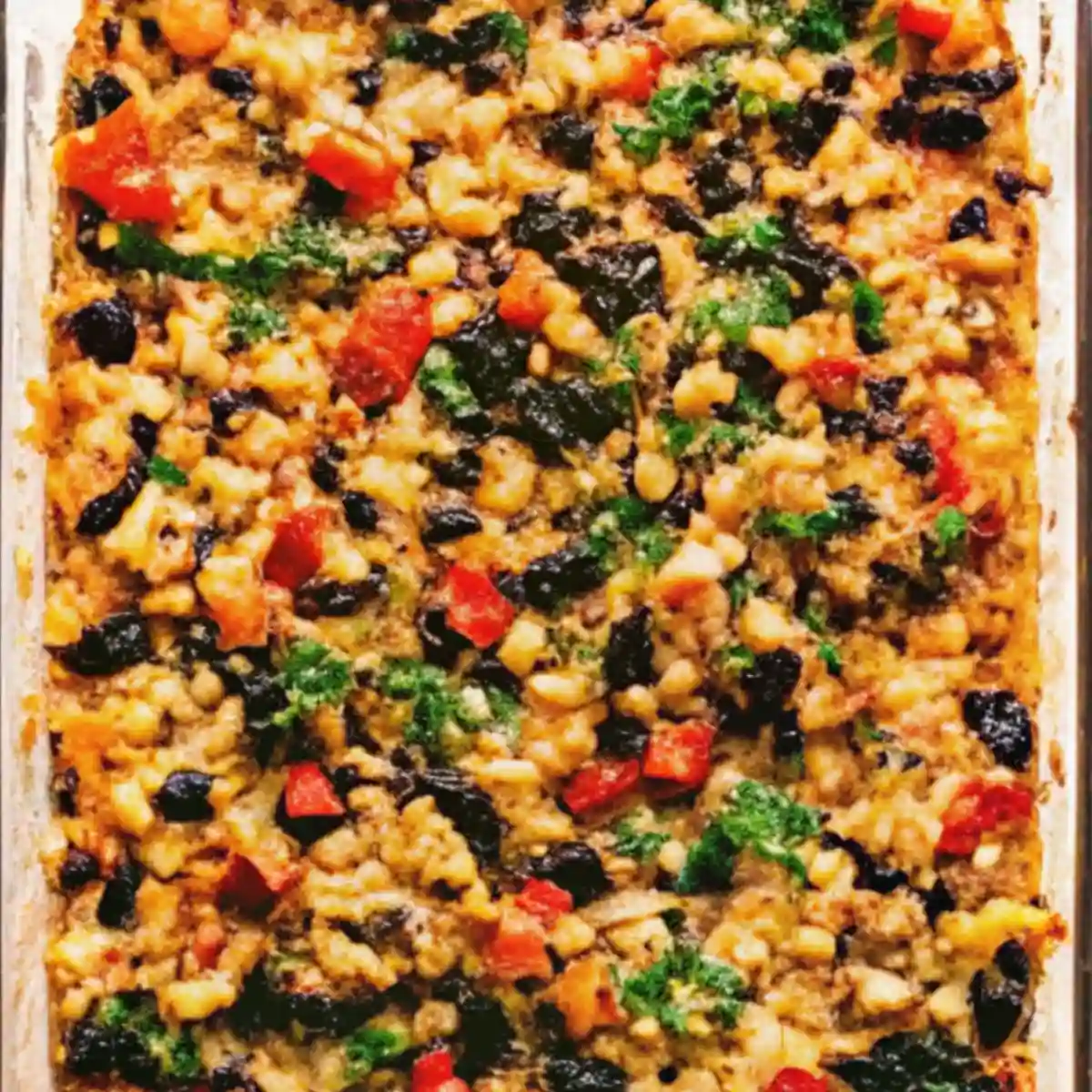
Meatloaf recipes often carry a bit of baggage. For some, they bring back warm memories of home-cooked meals. For others, they remind them of dry, dense dinners they’d rather forget. I get it. I’ve made both kinds.
The first time I tried making meatloaf from scratch, I followed a handwritten recipe that looked promising. It turned out… average at best. It was dry, didn’t hold together, and barely had any flavor. That experience stuck with me, but not in a good way. Instead of giving up, I got curious.
Why do some meatloaf recipes earn a spot in family traditions while others flop on the first try? I started testing. I tweaked ingredients, adjusted baking times, and paid close attention to texture and moisture. Slowly, I figured out what works and what really doesn’t.
If you’ve tried a few meatloaf recipes and still haven’t found “the one,” this might be it. This recipe is straightforward, forgiving, and packed with flavor. It doesn’t rely on gimmicks or fancy ingredients just smart choices and a little know-how.
Let’s talk about how to make a meatloaf that people actually get excited about.
Table of Contents
Table of Contents
Why This Is One of the Best Homemade Meatloaf Recipes
The Comfort Behind Classic Meatloaf Recipes
There’s something quietly nostalgic about meatloaf recipes. They show up when the goal isn’t to impress, but to nourish. When you make one that really works, it disappears from the table faster than you expect. This particular recipe doesn’t try to be flashy. It focuses on flavor, texture, and consistency the things that matter when comfort is the main goal.
The real magic is how this meatloaf feels familiar, but still fresh. It doesn’t lean too heavily on spices, yet it never tastes flat. That balance is what sets it apart. It gives you all the satisfaction of the meatloaf you remember, with none of the disappointment you might expect.
What Makes This Recipe Actually Work
Not all meatloaf recipes are built the same. Many end up dry, greasy, or falling apart halfway through slicing. This version avoids those pitfalls by getting a few key things right. The choice of meat is one using 80 to 90 percent lean beef keeps the loaf juicy without becoming heavy. Adding beef broth instead of milk gives it a deeper flavor and just enough moisture to stay tender.
Then there’s the technique. Mixing just until everything is combined prevents the meat from becoming dense or rubbery. The glaze is simple but crucial. A mix of ketchup, brown sugar, and optional barbecue sauce gives you that sticky, savory-sweet crust that people actually fight over.
When you follow these steps with intention, the result is reliable. You get a meatloaf that cuts clean, holds its shape, and tastes even better the next day.
Variations That Add Personality Without Risk
If you’re like me, once you find solid meatloaf recipes, you start wondering how far you can take them. This one is surprisingly flexible. You can make it without onions for a milder flavor, or use ground turkey to lighten it up. You could even turn it into stuffed meatloaf by adding cheese or sautéed spinach in the center before shaping.
Want a more Italian twist? Swap the ketchup glaze for marinara, sprinkle in some Italian herbs, and maybe even top it with mozzarella. These small changes won’t break the structure of the recipe, but they will make it feel brand new.
Whether you’re sticking to the classic or trying a new spin, this recipe holds up. That’s why it earns its place among the best meatloaf recipes you’ll make again and again.
Simple Ingredients You Already Have
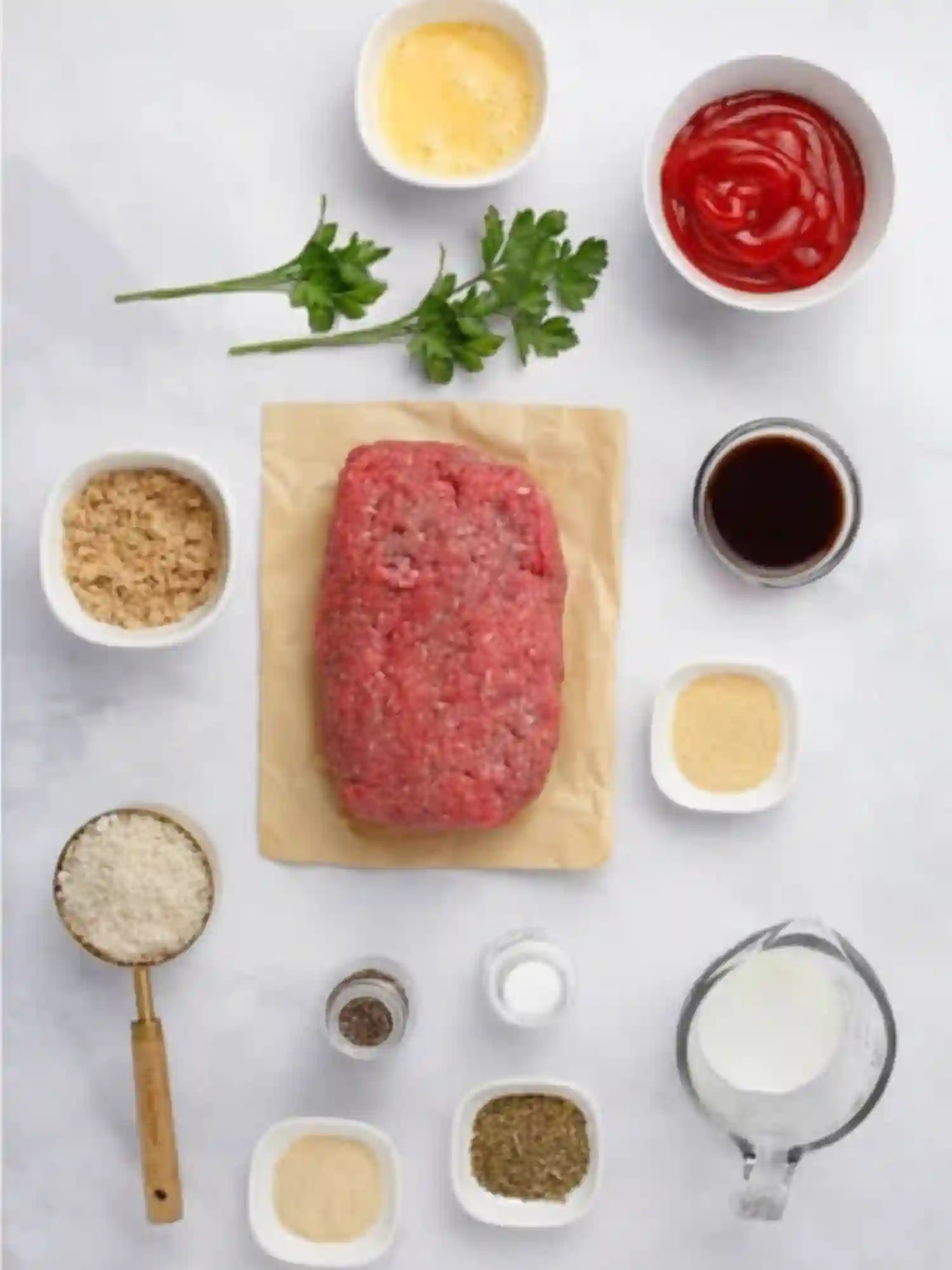
Everyday Ingredients Make the Best Meatloaf Recipes
One of the reasons people avoid trying new meatloaf recipes is the assumption that they require a long list of ingredients. In reality, the best ones are built from pantry staples and fresh basics. This recipe doesn’t ask for anything fancy or hard to pronounce. Just solid, everyday ingredients that work together.
Ground beef, eggs, breadcrumbs, broth, and a few seasonings are all it takes to build something that feels satisfying and home-cooked. If you’ve made burgers or pasta sauces before, chances are you already have most of what you need. This simplicity is part of what makes this recipe so dependable.
The goal is flavor without the fuss. That’s why every ingredient here has a job. From the richness of Worcestershire sauce to the way ketchup balances acidity and sweetness, each part plays its role without overcomplicating things.
Choosing the Right Ground Meat for Texture and Taste
When it comes to meatloaf recipes, the type of ground meat you choose matters more than you might think. A good ratio of fat to lean meat makes all the difference. Too lean, and the meatloaf dries out. Too fatty, and it turns greasy and heavy.
Using 80 to 90 percent lean ground beef is a sweet spot. It gives enough fat for moisture but still holds structure. If you’re looking to change things up, you can mix in ground turkey or pork. Turkey brings a lighter profile, while pork adds richness. Some people even blend beef and sausage for a bolder flavor.
Whichever meat you choose, make sure it’s fresh and not overworked during mixing. This keeps the final loaf juicy and tender.
No Onions? No Problem
Not everyone loves onions in their meatloaf, and honestly, that’s okay. While some meatloaf recipes rely heavily on chopped onions for flavor and texture, this one adapts easily. If you’re skipping onions entirely, garlic powder and onion powder still give that savory depth without any pieces to bite into.
You can also sauté some finely chopped carrots or celery as a substitute if you want a similar base flavor with less intensity. Another option is using grated zucchini for moisture, especially if you’re making a leaner version with turkey.
The beauty of this recipe is that it doesn’t fall apart without onions. It holds its shape and flavor, giving you room to personalize without compromising results.
How to Make Meatloaf: Step-by-Step Recipe Walkthrough
Start with Gentle Mixing for Better Results
One of the easiest mistakes to make with meatloaf recipes is overmixing. It seems like a small thing, but it can drastically change the texture. When the meat is handled too much, it tightens up during baking and turns dense instead of tender.
To avoid that, start by mixing your wet ingredients separately. Beat the eggs, add the broth, ketchup, and Worcestershire sauce, then fold in the breadcrumbs and seasonings. This creates a uniform base before you add the meat, which helps everything come together more gently. When it’s time to incorporate the ground meat, use your hands or a fork and stop mixing as soon as it’s combined. That’s the key to getting that soft, sliceable texture you want.
Form, Shape, and Get It Oven-Ready
Once the mixture is ready, you’ll need to decide how to shape your loaf. You can use a classic loaf pan if you prefer clean edges and consistent thickness. If you want more crispy edges and don’t mind a more rustic look, shaping it by hand on a foil-lined baking sheet works well too.
Another tip from experienced meatloaf recipes is lining your pan or sheet with parchment or foil. It keeps the loaf from sticking and makes cleanup easier. Gently pat the meat mixture into shape without packing it too tightly, which helps it cook evenly. Then it’s ready for the glaze.
The oven should already be preheated to 375°F. Once you’ve glazed the top, place your meatloaf on the middle rack and let it bake for about 45 minutes or until it reaches 160°F internally. Use a meat thermometer if you want precision without guessing.
Glaze Like You Mean It
The glaze is more than a final touch. It’s the layer that locks in moisture and adds that sweet, tangy kick that defines the flavor. Most traditional meatloaf recipes use ketchup, but adding a bit of brown sugar and even a splash of barbecue sauce can take it up a notch.
Mix the glaze ingredients in a small bowl and brush it generously over the top of the loaf before baking. Some people like to save half the glaze and apply a second layer in the last ten minutes of cooking for an extra-sticky finish.
This step makes a big difference. It’s what people remember after that first bite, and it’s often what turns skeptics into fans.
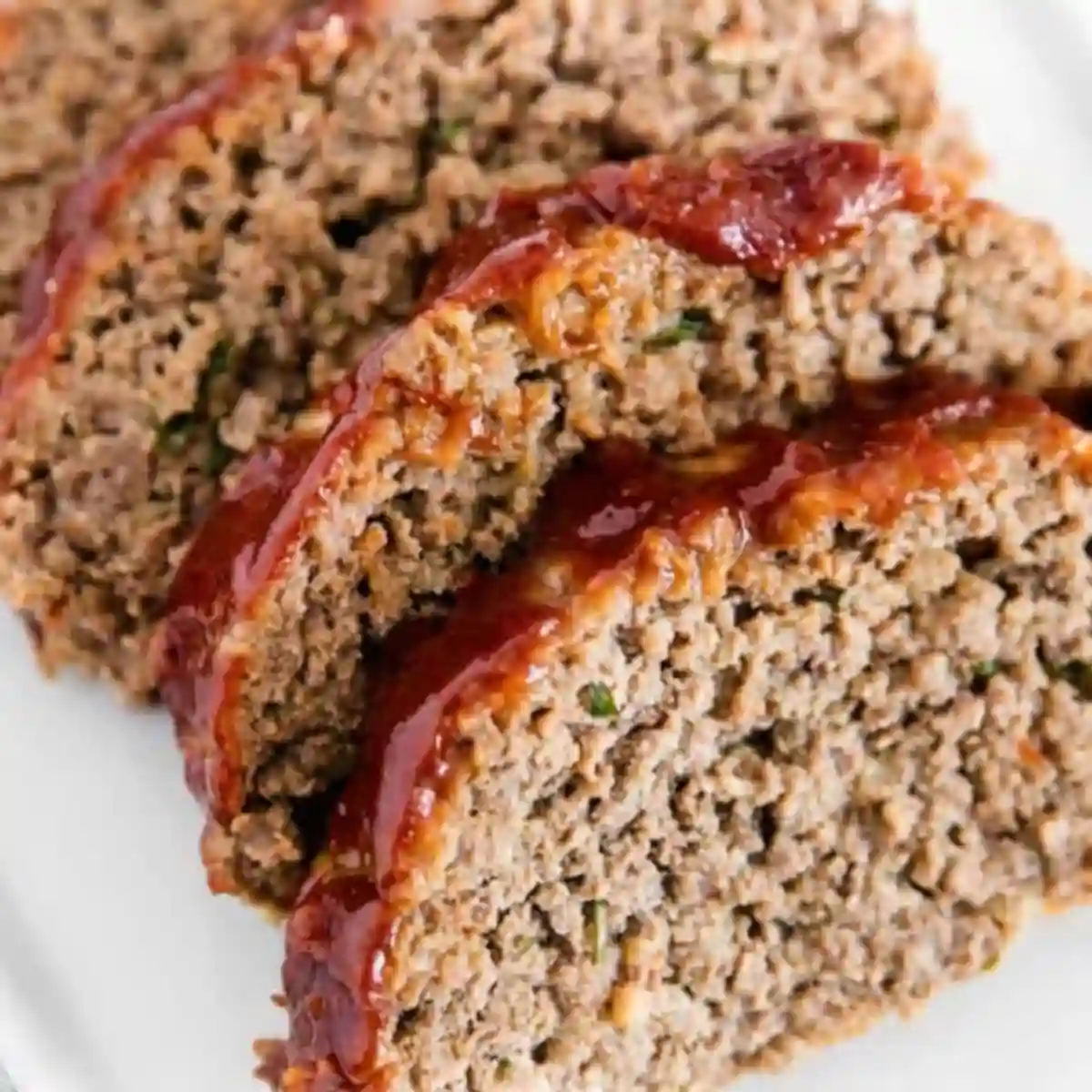

Meatloaf Recipes
Ingredients
Method
- Preheat oven to 375°F. Line a loaf pan or baking sheet with foil and lightly grease it.
- Mix ingredients in a large bowl: combine beef, breadcrumbs, broth, eggs, parsley, Worcestershire sauce, ketchup, salt, pepper, garlic powder, and onion powder. Mix gently until just combined.
- Shape the meatloaf into a loaf in the pan or on the baking sheet.
- Prepare the glaze by mixing ketchup or BBQ sauce with brown sugar. Spread it over the top of the loaf.
- Bake for 45 minutes or until internal temperature reaches 160°F. Let rest 10 minutes before slicing.
Notes
| Nutrient | Amount |
| Calories | 320 kcal |
| Total Fat | 20g |
| Saturated Fat | 7g |
| Trans Fat | 0g |
| Cholesterol | 110mg |
| Sodium | 580mg |
| Total Carbohydrates | 12g |
| Dietary Fiber | 1g |
| Sugars | 5g |
| Protein | 22g |
| Calcium | 40mg |
| Iron | 2.2mg |
| Potassium | 350mg |
Creative Meatloaf Recipe Variations to Try
Stuffed Meatloaf Recipes That Surprise and Satisfy
If you’ve already mastered a few basic meatloaf recipes, stuffed versions are an easy way to level up without starting from scratch. The idea is simple but impressive. Take your base mixture, flatten it gently, add a layer of something rich like mozzarella, sautéed spinach, or mushrooms, then roll or fold it into shape before baking.
These variations are perfect when you want a dinner that feels a little more special but still fits into your regular weeknight rhythm. The best part is how the fillings stay soft and warm inside, while the outside develops that classic glaze and structure. It’s a small twist with big payoff, and it works whether you’re cooking for picky kids or adults who think they’ve seen it all.
Italian Meatloaf Recipes for a Comfort Food Twist
Some meatloaf recipes benefit from leaning into other flavor traditions. Italian-inspired versions are especially satisfying. They usually swap out the typical ketchup glaze for marinara, and sometimes include Parmesan or shredded mozzarella in the mix. Herbs like oregano, basil, and thyme round out the profile.
Instead of breadcrumbs, some cooks even use crushed Italian-style croutons or leftover garlic bread crumbs for extra richness. Serve this variation with a side of roasted vegetables or pasta, and you’ve got a fusion dinner that bridges meatloaf with the charm of a hearty Italian meal.
This version is also a good entry point for people who don’t normally love meatloaf. The familiar Italian seasonings and textures soften any expectations they might have from past experiences.
Meatloaf Casserole as a One-Pan Crowd Pleaser
When you’re short on time or energy, casserole-style meatloaf recipes can be a lifesaver. These are all about convenience without losing flavor. You spread the meat mixture into a baking dish, layer on mashed potatoes, vegetables, or cheese, then bake everything together in one pan.
It’s a meal-in-one that works well for families or anyone who wants a satisfying dish without juggling sides. Leftovers also reheat beautifully and often taste better the next day once everything has settled and blended.
Casserole versions are proof that meatloaf doesn’t have to be formal or fussy. With a little layering and creativity, it becomes a flexible, dependable meal you can adapt based on what’s in your fridge.
Serving, Storing, and Freezing Tips
The Best Sides to Serve with Classic Meatloaf Recipes
A great meatloaf doesn’t stand alone. It shines when paired with the right sides. While mashed potatoes and green beans are the traditional go-to, there’s plenty of room to get creative. Roasted carrots, creamy mac and cheese, or even a fresh cucumber salad can complement the savory richness of most meatloaf recipes.
If you’re serving a crowd, a tray of garlic butter dinner rolls adds a warm, soft balance to the meal. For a lighter option, steamed broccoli or sautéed spinach can cut through the heaviness and bring in some color. The beauty of meatloaf is how well it adapts to different tastes, so feel free to rotate your sides depending on the season or your mood.
How to Store Leftovers Without Losing Moisture
Meatloaf recipes often make enough for leftovers, and that’s part of their charm. The trick is keeping that next-day slice just as flavorful and moist as the first. Once the loaf has cooled, wrap individual slices in foil or place them in an airtight container. Store them in the fridge for up to four or five days.
For best results when reheating, use the oven or a toaster oven rather than the microwave. Reheat at a low temperature, around 300°F, and cover the meatloaf with foil to retain moisture. A splash of broth or water in the dish can also help bring it back to life without drying it out.
Some people even prefer leftover meatloaf served cold in sandwiches. Add a swipe of mustard, a few pickles, and tuck it between thick slices of bread. It’s a satisfying lunch with almost no effort.
Freezer Tips for Make-Ahead Meal Success
One reason meatloaf recipes are household favorites is how well they freeze. You can freeze it raw or cooked, depending on what’s more convenient for your schedule. To freeze before baking, shape the meatloaf and wrap it tightly in plastic wrap, followed by a layer of foil. Label it with the date, then store it flat in the freezer.
If you’re freezing cooked leftovers, slice the loaf first. That way, you can thaw just what you need without defrosting the whole thing. Individual slices can be microwaved or reheated in a skillet for a quick weeknight solution.
Whichever method you choose, a frozen meatloaf can stay good for two to three months. With a little planning, you’ll always have a hearty dinner ready when time is tight.
Nutrition Information
Understanding the nutrition behind your favorite meatloaf recipes can help you make informed choices without giving up flavor or comfort. Whether you’re counting calories or just curious about what goes into each slice, here’s a detailed look at the nutritional breakdown.
Each serving of this homemade meatloaf, based on a slice from an 8-serving loaf, offers a balanced combination of protein, fat, and carbohydrates. The recipe includes wholesome ingredients like ground beef, eggs, and breadcrumbs, along with a light glaze that adds just a touch of sweetness.
Here’s what you’re getting in each slice:
| Nutrient | Per Serving |
| Calories | 320 kcal |
| Total Fat | 20g |
| Saturated Fat | 7g |
| Trans Fat | 0g |
| Cholesterol | 110mg |
| Sodium | 580mg |
| Total Carbohydrates | 12g |
| Dietary Fiber | 1g |
| Sugars | 5g |
| Protein | 22g |
| Calcium | 40mg |
| Iron | 2.2mg |
| Potassium | 350mg |
Note: These values are estimates based on standard ingredients and portion size. If you’re following a specific diet or tracking macros closely, consider using a nutrition calculator with your exact measurements.
For more detailed nutritional data on ingredients like ground beef, you can check the official USDA FoodData Central
This nutritional profile makes it easy to enjoy meatloaf recipes without overthinking every bite. It’s satisfying, protein-rich, and easy to adapt if you’re looking for lighter or gluten-free variations.
Final Bite: A Meatloaf Recipe Worth Repeating
If you’ve ever felt unsure about meatloaf recipes or questioned whether they were worth the effort, this one might change your mind. It’s simple enough for a busy weeknight but satisfying enough to earn a regular place at your dinner table.
What makes this recipe different is not just the ingredients or the method. It’s how it respects the balance between flavor, texture, and comfort. You don’t need complicated steps or exotic spices. You just need a solid base, a few thoughtful tweaks, and the willingness to trust the process.
Whether you stick to the classic version or explore stuffed or Italian-inspired twists, you’ll find yourself coming back to this recipe again and again. And each time you do, it gets a little easier, a little more your own.
So next time you’re scrolling through endless meatloaf recipes, looking for the one that finally delivers, you’ll know where to start. And maybe, just maybe, you’ll look forward to making it as much as eating it.
More Comfort Food Favorites
If you love hearty classics like this, don’t miss:
- Best Beef Stew Recipe – Rich, savory, and full of comforting flavors.
- Mississippi Pot Roast – A slow-cooked favorite that melts in your mouth.
- Chicken and Wild Rice Soup – A cozy soup perfect for any fall night.
FAQ: Making the Most of Your Meatloaf
1. What is the secret to making a good meatloaf?
The real secret behind good meatloaf recipes is balance. You need enough fat for moisture, enough binding to hold it together, and seasoning that doesn’t overpower the meat. Don’t overmix the ingredients and let the loaf rest after baking to keep the texture tender.
2. What gives meatloaf the best flavor?
Flavor in meatloaf comes from layering the right ingredients. Worcestershire sauce, garlic, onion powder, and fresh herbs like parsley or thyme can elevate most meatloaf recipes. A flavorful glaze on top also helps boost both moisture and taste.
3. Is it better to cook meatloaf at 350 or 400?
Both temperatures work, but 375°F is often the sweet spot. Cooking meatloaf at 350°F takes longer and may not give you that caramelized glaze. At 400°F, it can cook too fast and dry out. A moderate temperature like 375°F ensures even cooking and a moist center.
4. What are the ingredients for meatloaf?
Most meatloaf recipes use ground beef, breadcrumbs, eggs, broth or milk, Worcestershire sauce, ketchup, and seasonings like salt, pepper, garlic powder, and onion powder. You can adjust the ingredients based on dietary needs or flavor preferences.
5. What is the one ingredient upgrade for better meatloaf?
Using beef broth instead of milk is a small change that makes a big difference. It adds a savory depth that enhances the overall flavor without altering the texture. This upgrade is often overlooked in many meatloaf recipes but works beautifully.
6. How many eggs for 2 lb of meatloaf?
For 2 pounds of meat, you’ll need 2 large eggs. This ratio helps bind the mixture properly without making it too wet. It’s a standard rule in most traditional meatloaf recipes and works consistently well.
7. What are common meatloaf mistakes?
Some common mistakes include overmixing the meat, using meat that’s too lean, skipping the resting time after baking, or not seasoning the mixture enough. These small missteps can affect texture and flavor in most meatloaf recipes.
8. Should I bake my meatloaf covered or uncovered?
Bake your meatloaf uncovered to let the glaze caramelize properly. If you notice the top browning too quickly, you can loosely cover it with foil during the last 10 to 15 minutes. Most meatloaf recipes benefit from a lightly crisped glaze on top.
9. What is the best filler for meatloaf?
Breadcrumbs are the most common filler, and for good reason. They absorb moisture and help hold the loaf together. Panko, crushed crackers, oats, or even cooked rice can also be used. Each gives slightly different texture but all work well in meatloaf recipes.