Jamu Recipe is usually the phrase people type when they are curious, a little skeptical, and quietly hopeful that this bright golden drink they keep seeing might actually fit into real life. And honestly, that is exactly how my own relationship with jamu started.
“Have you tried this yet?” a reader once asked me in a comment, talking about jamu juice she saw everywhere while traveling. I remember smiling because my answer back then would have sounded very similar to what many of you might be thinking now. Yes, I had tried it. No, I was not instantly transformed. But something about it stayed with me.
If you have ever stood in your kitchen holding fresh turmeric for the first time, wondering if it is worth the mess on your fingers, you are already halfway into the jamu experience. When I first started testing this jamu recipe at home, I kept asking myself the same questions you might be asking right now. Does it actually taste good? Is it too strong? Is this just another wellness trend that looks better on a reel than in a glass?
Let me tell you what happened. I did not fall in love at the first sip. Actually, I paused, adjusted the lemon, softened the sweetness, and tried again the next day. That second glass felt different. Not dramatic. Just grounding. The kind of drink that makes you slow down for a minute and listen to your body instead of scrolling.
This is why I am sharing this jamu recipe with you in a very real way. Not as a miracle drink. Not as a cure. But as a traditional Indonesian herbal drink that has earned its place through generations of everyday use. I will walk you through what jamu really is, how it has been used traditionally, what modern research suggests about its ingredients, and how you can make a version at home that actually fits your taste and routine.
Think of this as a conversation, not a lecture. You bring your curiosity and maybe a little doubt. I bring my kitchen experiments, my nutrition background, and a recipe that has been adjusted, questioned, and tested more than once. By the end, you will know if jamu belongs in your life or if it is something you simply admire from afar. And either answer is completely fine.
Table of Contents
Table of Contents
What Is Jamu? A Traditional Indonesian Herbal Drink
When people search for a jamu recipe, they often assume jamu is one specific drink. In reality, jamu is more like a whole philosophy of herbal wellness rather than a single formula. It is a traditional Indonesian herbal drink that has been part of daily life for centuries, especially in Java and Bali. Instead of being reserved for special occasions, jamu has always been practical, routine, and deeply connected to everyday health.
I remember asking myself a very basic question the first time I tried to understand jamu properly. Is this just turmeric and ginger blended together, or is there something deeper going on? The deeper I looked, the clearer it became that jamu is not about chasing trends. It is about consistency, balance, and using what nature offers in a simple but intentional way. That mindset alone already separates jamu from many modern wellness drinks.
Traditionally, jamu is made from roots, spices, bark, leaves, and fruits. Turmeric and ginger are the most well known, but they are only part of a much larger picture. Each household and region has its own versions, adjusted for taste, season, and specific needs. That flexibility is one reason jamu has survived for generations without ever feeling outdated.
Jamu as a Daily Ritual, Not a Detox Trend
One important thing to understand about jamu is how it is consumed. It is not usually drunk in large glasses like juice. Instead, it is taken in small amounts, almost like a daily check in with the body. In Indonesia, jamu is traditionally sold by women known as tukang jamu tradisional, who carry bottles of freshly made herbal drinks from house to house.
This context matters because it changes expectations. A jamu recipe is not meant to shock your system or promise instant results. It is meant to support digestion, comfort the body, and gently encourage balance over time. When people feel disappointed after trying jamu once, it is often because they expected something dramatic rather than something supportive.
How Jamu Fits Into Modern Lifestyles
Today, jamu has found its way into cafes, wellness bars, and home kitchens around the world. What has changed is the presentation, not the core idea. You might see it served cold as a bright yellow drink, or warm like a herbal tea, but the intention remains the same. It is still about simple ingredients, thoughtful preparation, and listening to how your body responds.
Making a jamu recipe at home allows you to reconnect with that original purpose while adapting it to your own taste and routine. Some people prefer it tangy, others slightly sweet. Some drink it daily, others a few times a week. There is no single correct way, and that is part of its strength.
Tukang Jamu Tradisional: The Origins Behind This Jamu Recipe
To really understand a jamu recipe, it helps to look beyond the ingredients and step into the streets where jamu has lived for generations. In Indonesia, jamu was never born in cafés or recipe cards. It was carried, poured, and shared by people. Most famously by women known as tukang jamu tradisional.
When I first learned about tukang jamu, I remember thinking how different this felt from modern wellness culture. There is no branding, no packaging promises, no dramatic claims. Just glass bottles filled with earthy liquids and a quiet confidence built on repetition and trust. Families bought jamu from the same person for years, sometimes decades. That alone tells you something about how deeply rooted these drinks are.
This tradition matters because it shapes how a jamu recipe should be approached today. It is not about perfection or precision to the gram. It is about rhythm, intuition, and responding to the body. Tukang jamu adjusted their recipes based on season, age, and daily complaints. That flexibility is part of the wisdom behind jamu.
Who Are the Tukang Jamu Tradisional?
Tukang jamu tradisional are traditional herbal drink vendors, most often women, who prepare and sell jamu fresh each day. Historically, they walked long distances carrying baskets or bottles filled with different jamu varieties. Each bottle had a purpose, whether for digestion, energy, menstrual comfort, or general wellness.
What fascinates me is that these women were not just sellers. They were listeners. Customers would explain how they felt, and the tukang jamu would suggest a specific drink or adjust a recipe slightly. This personal exchange is something modern recipes often miss, but it is central to understanding why jamu recipes were never rigid.
How Tradition Shapes a Modern Jamu Recipe
When you make a jamu recipe at home today, you are stepping into that same tradition, even if your kitchen looks very different. The idea is not to copy one exact formula but to respect the balance of flavors and effects. Turmeric for warmth, ginger for movement, tamarind for balance, and citrus for freshness.
In my own kitchen, keeping this context in mind changed how I approached jamu. Instead of chasing the strongest flavor or the most intense color, I started asking simpler questions. Does this feel good to drink? Would I want this again tomorrow? That mindset aligns far more closely with how jamu has always been used.
Why Cultural Context Matters for Jamu Recipes
Removing jamu from its cultural roots turns it into just another health drink. Understanding where it comes from turns it into something more grounded. A jamu recipe is not about detoxing or fixing the body. It is about supporting it gently, day by day, the way generations before have done.
This perspective also helps manage expectations. Jamu works quietly. It does not announce itself. And that is exactly why it has lasted.
Jamu Recipe Ingredients: Turmeric, Ginger and Tamarind Juice
When people look up a jamu recipe, they often expect a long list of exotic ingredients. In reality, the foundation of jamu is surprisingly simple. What makes it powerful is not complexity, but how each ingredient plays a specific role in balance, flavor, and function. Turmeric, ginger, and tamarind juice form the core of the most well known jamu preparations, especially the version inspired by kunyit asam.
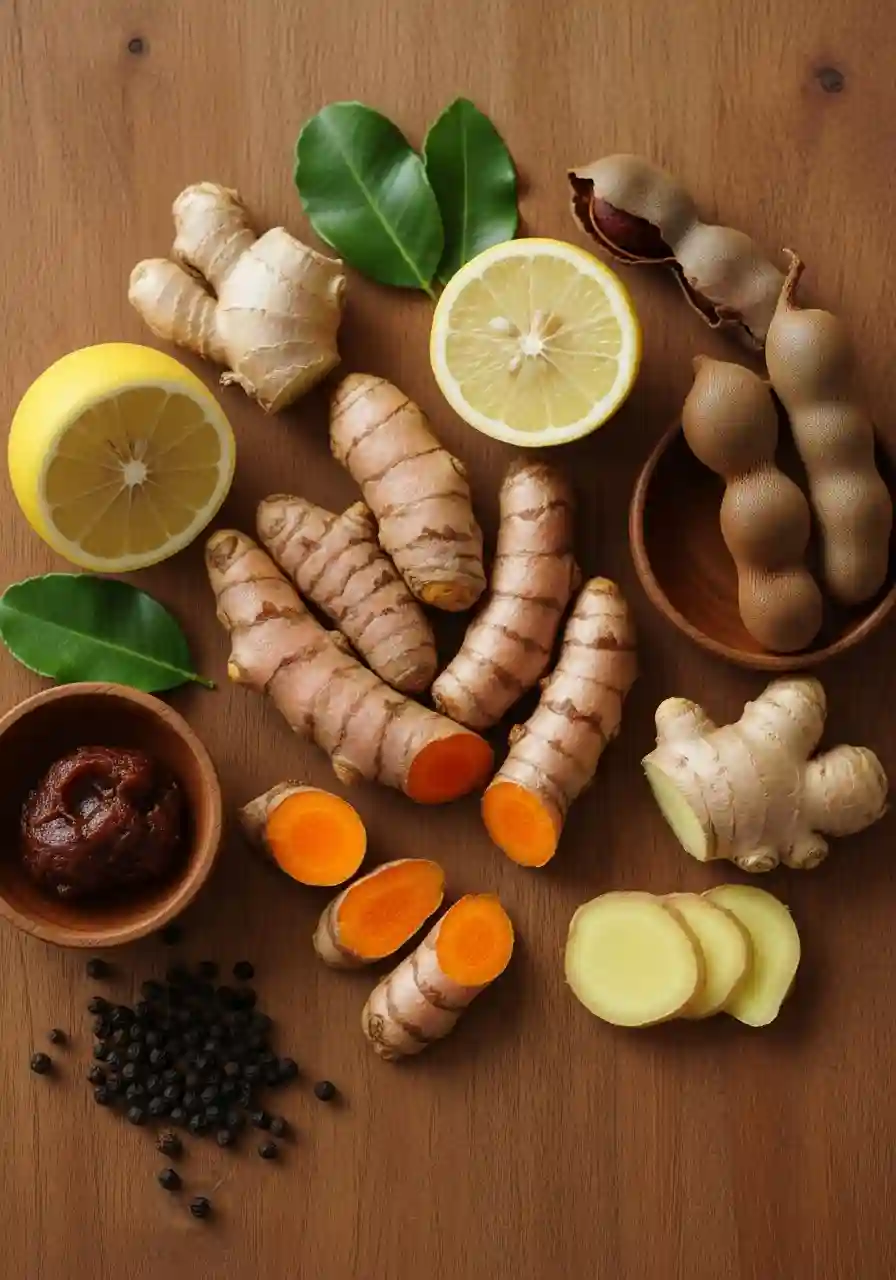
I still remember the first time I laid all the ingredients out on my counter. Bright orange turmeric, knobby ginger, sticky tamarind. It felt earthy and raw, almost unfinished. That is part of the charm. Jamu does not hide behind processing. It asks you to work with ingredients as they are, stains and all.
Turmeric and Ginger as the Base of a Jamu Recipe
Turmeric is the heart of this jamu recipe. Fresh turmeric root brings an earthy bitterness and that unmistakable golden color. Traditionally, turmeric is used to support general wellness and comfort, especially when consumed regularly in small amounts. Its flavor can be intense, which is why jamu is rarely drunk plain without balancing ingredients.
Ginger plays a different role. It adds warmth, spice, and movement to the drink. In a jamu recipe, ginger helps lift the heaviness of turmeric and makes the drink feel more lively on the palate. Too little ginger and the drink can taste flat. Too much and it becomes aggressive. Finding that middle ground is where personal preference comes in.
The Role of Tamarind Juice in Traditional Jamu
Tamarind juice is what transforms a turmeric ginger drink into something distinctly jamu. It adds a tangy, slightly sweet acidity that softens bitterness and rounds out the flavor. In traditional kunyit asam, tamarind is not optional. It is essential. It brings balance, not just taste.
From a practical point of view, tamarind also makes the drink more enjoyable to consume regularly. Without it, many first time drinkers struggle to finish a glass. With it, the jamu recipe feels complete, layered, and surprisingly refreshing.
Supporting Ingredients That Complete the Flavor
Beyond the core trio, a few small additions make a big difference. Citrus juice brightens everything and prevents the drink from feeling muddy. A modest amount of natural sweetener takes the edge off without turning jamu into a sugary beverage. A pinch of black pepper is often added to support turmeric absorption, but just enough to stay in the background.
What matters most is restraint. A jamu recipe works best when no single ingredient dominates. Each one should feel noticeable but not loud, working together rather than competing.
Easy Jamu Recipe (Traditional Kunyit Asam Method)
An easy jamu recipe should feel approachable, not intimidating. Traditional jamu was never meant to be complicated or precise to the gram. It was designed to be made early in the morning, adjusted by taste, and shared the same day. This kunyit asam inspired method respects that simplicity while still giving you a clear structure to follow at home.
When I first started refining this jamu recipe, I tried to overcontrol it. I measured everything obsessively, adjusted endlessly, and somehow lost the spirit of the drink. Once I stepped back and treated it more like a rhythm than a formula, it finally made sense. Jamu works best when you follow a method, not when you chase perfection.
The Basic Structure of a Traditional Jamu Recipe
At its core, this jamu recipe follows a very simple flow. Roots are gently simmered, not rushed. Flavor is extracted slowly, not forced. The liquid is then blended, strained, and balanced at the very end. This order matters more than exact quantities.
Turmeric and ginger are simmered first to soften their sharpness and bring out depth. Tamarind is added later so its tang stays bright rather than dull. Citrus and sweetener always come last, once the drink has cooled slightly. This sequence keeps the jamu tasting layered instead of flat.
Once you understand this structure, the recipe becomes flexible. You can make it stronger or lighter, more tangy or more earthy, without breaking the logic of the drink.
Why Kunyit Asam Is the Most Accessible Jamu Recipe
Kunyit asam is often the first jamu recipe people try because it is balanced and forgiving. The tamarind cuts through turmeric’s bitterness, while ginger adds warmth without overwhelming the palate. Even people who are new to herbal drinks usually find this version approachable.
In my experience, this balance is what makes kunyit asam suitable for regular use. You are more likely to come back to a drink that feels pleasant, not punishing. A jamu recipe that you enjoy drinking consistently will always be more valuable than one you force yourself to finish.
Adjusting the Jamu Recipe to Your Taste
One of the most important things to understand is that no jamu recipe is fixed. Traditionally, taste mattered more than rules. Some days call for more ginger, especially in cooler weather. Other days need more citrus or a touch of sweetness.
I often tell readers to taste, pause, and taste again. If it feels too heavy, add brightness. If it feels sharp, soften it. This small dialogue between you and the drink is part of what makes jamu personal rather than generic.
How to Make Jamu Recipe Step by Step at Home
Making a Jamu Recipe at home is less about technical skill and more about attention. The steps themselves are simple, but the way you move through them changes the final result. The first few times I made jamu, I rushed it. I wanted the color quickly, the flavor immediately. The drink always tasted sharp and unfinished. Slowing down made all the difference.
Start by preparing your roots properly. Turmeric and ginger should be scrubbed well, especially if you plan to keep the skin on. Slicing them thinly is more important than peeling. Thin slices release flavor evenly and prevent bitterness that can happen when large chunks are boiled too aggressively. This small detail sets the foundation for a balanced Jamu Recipe.
Simmering and Extracting Flavor Gently
Once sliced, the roots are simmered in water, not aggressively boiled. This step is where patience matters most. A gentle simmer allows turmeric and ginger to soften and release their compounds without turning harsh. As the liquid turns a deep golden color, the aroma becomes warm and earthy rather than sharp. That is your signal that the base is ready.
After simmering, let the mixture cool slightly before blending. Blending while it is still extremely hot can dull flavors and create an unpleasant texture. When blended smoothly, the mixture becomes thick and pulpy. Straining comes next, and it is worth taking your time here. Pressing the pulp gently extracts flavor without forcing bitterness into the liquid. What you keep is the essence, not the fiber.
Finishing the Jamu Recipe With Balance
The final step is where the Jamu Recipe becomes personal. Citrus juice, tamarind, sweetener, and a pinch of seasoning are added only after straining. This order keeps the drink fresh and layered. Adding these earlier would flatten the flavor and reduce control.
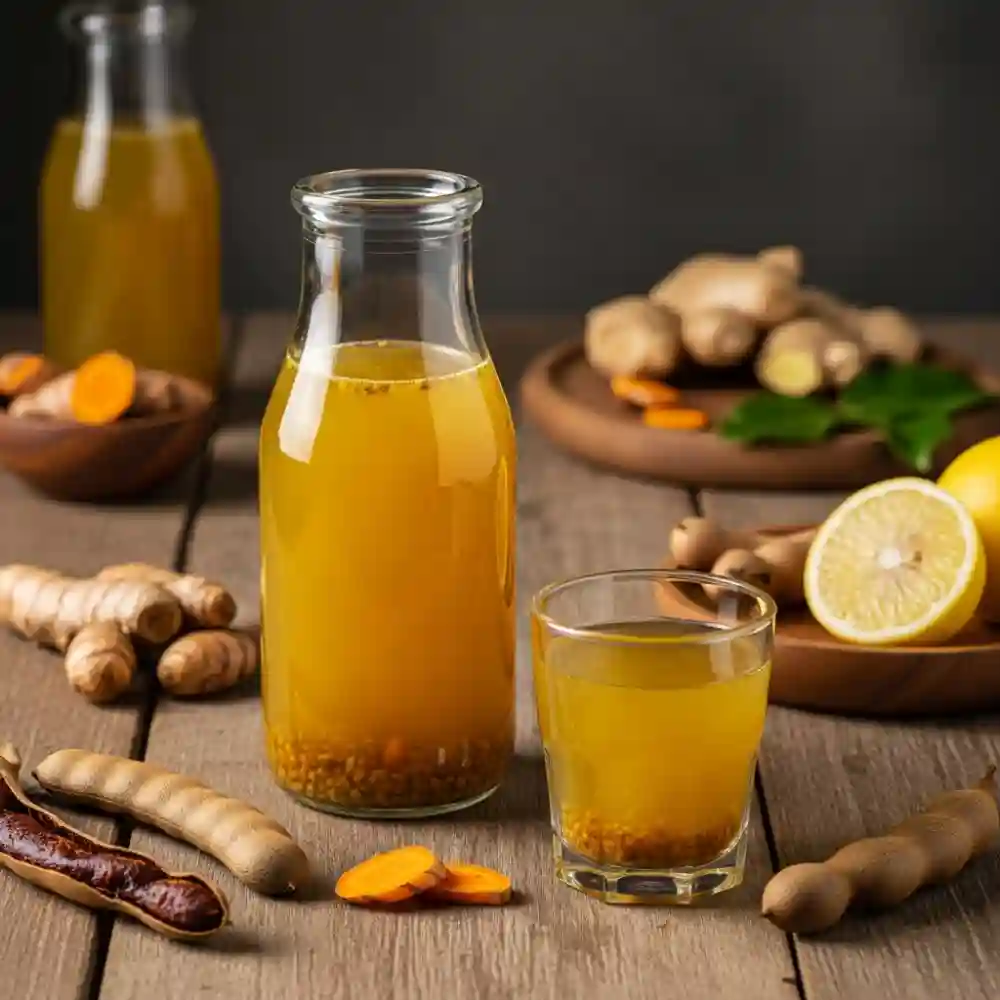
Taste, pause, then adjust. If it feels heavy, add brightness. If it feels sharp, soften it slightly. When done well, the jamu should taste earthy, tangy, and warming, without any one note overpowering the others. Chill it, shake before serving, and remember that settling is normal. That golden layer at the bottom is part of the drink, not a flaw.

Jamu Recipe
Ingredients
Method
- Scrub turmeric and ginger thoroughly. Slice thinly to release flavor evenly.
- Add turmeric, ginger, and 3 cups of water to a saucepan. Bring to a boil, then reduce to a gentle simmer.
- Simmer for 15 to 20 minutes until the liquid turns deep golden and aromatic.
- Let the mixture cool slightly, then transfer to a blender. Add remaining water, tamarind, black pepper, and salt.
- Blend until completely smooth.
- Strain the mixture through a fine mesh sieve or nut milk bag into a jug. Press gently to extract liquid.
- Stir in fresh citrus juice and sweetener to taste.
- Chill for 1 to 2 hours before serving. Shake well before pouring.
Notes
| Nutrient | Amount |
| Calories | 35–60 kcal |
| Carbohydrates | 6–10 g |
| Sugars | 4–7 g |
| Fiber | 0.3–0.8 g |
| Protein | < 1 g |
| Total Fat | < 1 g |
| Saturated Fat | 0 g |
| Sodium | 40–80 mg |
| Potassium | 30–70 mg |
| Vitamin C | 1–5 mg |
| Iron | < 0.5 mg |
Jamu Recipe Benefits: Traditional Beliefs vs Research
When people talk about the benefits of a Jamu Recipe, two narratives often run side by side. One comes from tradition, passed down through daily use and lived experience. The other comes from modern research, measured, cautious, and often incomplete. Understanding where these two meet helps keep expectations realistic and grounded.
In Indonesian wellness culture, jamu has never been described as a cure. It is viewed more as daily support. Something that helps the body feel balanced rather than fixed. When I first learned this, it shifted how I thought about benefits altogether. Instead of asking what jamu could change overnight, I started asking how it might support the body quietly over time.
Traditional Use and Everyday Wellness
Traditionally, a Jamu Recipe is consumed to support digestion, maintain comfort, and help the body feel lighter and more settled. Turmeric based jamu is often associated with general wellbeing, while ginger adds warmth and movement. Tamarind brings balance, both in flavor and in how the drink feels after meals.
What stands out in traditional use is moderation. Jamu is taken in small servings, often daily or a few times a week. The belief is not that more is better, but that consistency matters. This approach explains why jamu has remained part of everyday life rather than being treated as a short term intervention.
What Research Suggests About Jamu Ingredients
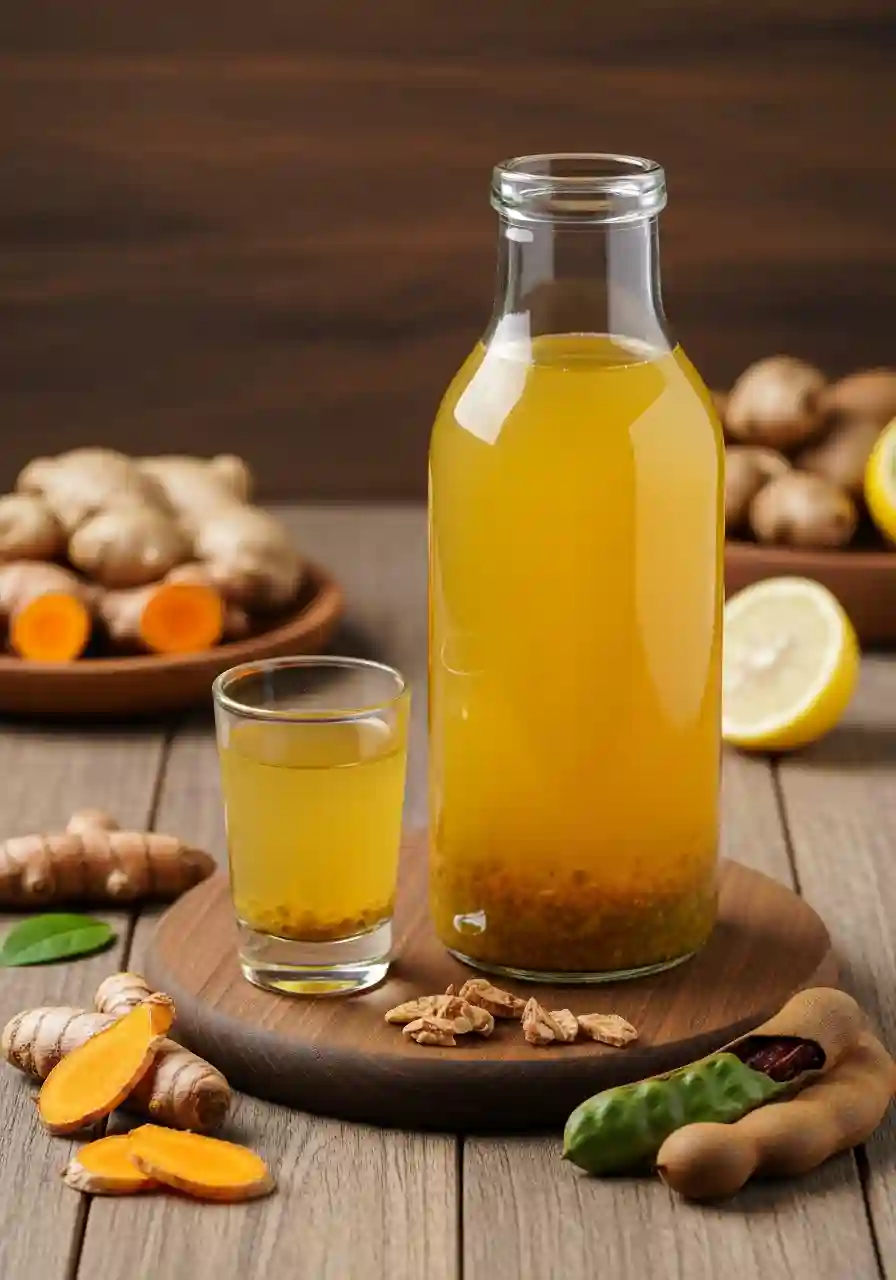
Modern research does not study a full Jamu Recipe as a single formula very often. Instead, it focuses on individual ingredients. Turmeric contains curcumin, which has been studied for its anti inflammatory and antioxidant properties. Ginger has been linked to digestive comfort and may help with nausea and bloating. Tamarind contains polyphenols and organic acids that support digestion.
These findings support some traditional beliefs, but with an important caveat. Effects are generally modest and depend on regular intake as part of a healthy lifestyle. This means jamu works best when paired with balanced meals, movement, and adequate rest. It does not replace medical treatment or compensate for poor habits.
Keeping Expectations Realistic
One of the most helpful things you can do when using a Jamu Recipe is to lower the pressure. You are not drinking it to fix everything. You are drinking it to support the body gently. In my experience, people who approach jamu this way tend to enjoy it more and stick with it longer.
The real benefit often lies in the ritual itself. Taking a moment, preparing something intentional, and paying attention to how your body responds. That awareness is something no study can measure, yet it is often what people value most.
Is Jamu Recipe the Same as Jamun Juice?
This is a point of confusion that comes up often, especially online, and it is worth clearing up carefully. A Jamu Recipe is not the same thing as jamun juice, even though the words look and sound similar. They come from different cultures, different ingredients, and serve very different purposes.
Jamu is an Indonesian herbal drink tradition built around roots, spices, and herbs such as turmeric, ginger, and tamarind. Jamun juice, on the other hand, is made from the jamun fruit, also known as Java plum, which is common in parts of India and South Asia. The similarity in spelling has caused these two to be mixed up, but nutritionally and culturally, they are not interchangeable.
I have seen readers feel confused after trying a jamun drink while expecting something like jamu. That confusion often leads to disappointment, not because either drink is bad, but because the expectation was wrong. Understanding this difference helps you choose the right drink for the right reason.
Different Ingredients, Different Traditions
A Jamu Recipe is built on fresh roots and herbs that are simmered, blended, and balanced. Its flavor profile is earthy, spicy, and tangy. Jamun juice is fruit based. It is naturally sweet and tart, with a completely different texture and nutritional focus.
Culturally, jamu is part of Indonesian daily wellness routines, while jamun juice is more often associated with seasonal fruit consumption and specific health uses in Indian traditions. Neither replaces the other. They simply belong to different culinary and wellness worlds.
Why the Distinction Matters
Mixing these terms can create confusion for both readers and search engines, but more importantly, it can mislead people trying to support their health intentionally. If you are looking for an Indonesian turmeric ginger drink, a Jamu Recipe is what you want. If you are looking for a fruit based drink made from Java plum, jamun juice is a separate category entirely.
Being clear about this distinction allows you to explore each drink on its own terms, without unrealistic comparisons or expectations. That clarity alone makes your choices more satisfying.
When and How Often to Drink Jamu Recipe
One of the most common questions around a Jamu Recipe is not about how to make it, but about when to drink it and how often it actually makes sense. This is where tradition offers helpful guidance without being rigid. Jamu was never meant to follow strict rules. It was meant to fit into daily life in a flexible way.
From what I have observed, people do best when they treat jamu as a small habit rather than a commitment. A modest serving taken regularly tends to feel supportive, while large amounts taken occasionally can feel overwhelming. This is especially true for turmeric and ginger, which are powerful even in small doses.
Best Times of Day to Drink Jamu
Many people enjoy a Jamu Recipe in the morning, once the body has woken up and digestion is active. Taken after a light snack or breakfast, it can feel grounding rather than harsh. Drinking it on a completely empty stomach works for some, but for others it may feel too strong.
Another common time is after meals, particularly heavier ones. Ginger and tamarind can feel soothing, and the warmth of the drink often supports comfort. Some also enjoy jamu later in the day, especially if served warm, but very late consumption may feel stimulating for sensitive people.
Frequency and Portion Size
Traditionally, jamu is consumed in small portions. Half a cup is often enough, and sometimes even less. Daily use is common in Indonesia, but many people outside that context prefer two or three times a week. Both approaches are valid.
What matters most is how your body responds. If you notice discomfort, scaling back is always the right move. A Jamu Recipe is meant to support balance, not push the body. Consistency at a comfortable level is far more effective than intensity.
Listening to Your Body
Perhaps the most important guideline is awareness. Jamu is not something you force into a routine because it is labeled healthy. You notice how it feels, adjust timing and quantity, and let that guide you. This approach reflects how jamu has always been used, quietly and attentively.
Jamu Recipe Variations: Tamarind Juice, Lemongrass and Coconut Water
One of the reasons a Jamu Recipe has lasted for generations is its adaptability. There is no single version that everyone follows. Instead, the base idea stays the same while ingredients shift slightly depending on taste, season, or purpose. Once you understand the core balance, variations become intuitive rather than confusing.
When I first felt comfortable with the basic recipe, I started experimenting slowly. Not by changing everything at once, but by adjusting one element at a time. That approach made it easy to understand what each variation actually added, instead of ending up with a drink that felt unfocused.
Tamarind Forward Jamu for a Tangy Profile
Increasing the amount of tamarind juice creates a sharper, more refreshing version of the Jamu Recipe. This style is often associated with kunyit asam and is especially popular in warmer weather. The extra tang cuts through the earthiness of turmeric and makes the drink feel lighter.
This variation works well for people who struggle with turmeric bitterness. The acidity naturally balances the flavor, reducing the need for added sweetener. It is also a good option if you plan to drink jamu chilled rather than warm.
Lemongrass and Coconut Water Variations
Adding lemongrass brings a subtle citrus aroma and a clean finish. Bruising the stalks before simmering helps release flavor without overpowering the drink. Lemongrass pairs particularly well with ginger and works best when kept minimal.
Using coconut water instead of plain water changes the character of the Jamu Recipe significantly. It adds natural sweetness and a softer mouthfeel. This version feels more hydrating and is often enjoyed after physical activity. If you choose this option, reducing or skipping added sweetener usually keeps the balance right.
Powder Based Jamu When Fresh Roots Are Not Available
There are times when fresh turmeric or ginger are simply not accessible. In those cases, ground spices can be used with care. The flavor will be more concentrated and slightly different, so smaller amounts are essential. Simmering gently and tasting often helps avoid an overly intense result.
No matter which variation you choose, the goal remains the same. The drink should feel balanced, pleasant, and easy to return to. A Jamu Recipe that adapts to your lifestyle is far more likely to become part of your routine.
Storage and Meal Prep for Jamu Recipe
One of the most practical aspects of a Jamu Recipe is how well it lends itself to batch preparation. Traditionally, jamu was made fresh daily, but modern routines often require a bit more flexibility. With proper storage, homemade jamu can remain enjoyable for several days without losing its character.
When I started preparing jamu in larger batches, I noticed that flavor actually settled and softened after a few hours in the fridge. The sharp edges mellowed, and the drink felt more cohesive. This makes advance preparation not just convenient, but sometimes preferable.
How to Store Jamu Properly
Once prepared, transfer the Jamu Recipe into a clean glass bottle or jar with a tight lid. Glass is important because turmeric can stain plastic and also retain odors. Stored in the refrigerator, jamu stays fresh for about four to five days. While some people keep it longer, I find that flavor and brightness start to fade after that point.
Separation is normal. Turmeric naturally settles at the bottom, forming a dense layer. This does not mean the drink has gone bad. A simple shake or stir before serving brings everything back together.
Meal Prep and Serving Ideas
For meal prep, consider portioning the Jamu Recipe into smaller bottles or jars. This makes it easier to grab a serving without repeatedly opening the main container. Smaller portions also help with moderation, especially if you are new to jamu.
Jamu can be served in different ways depending on mood and season. Chilled over ice with a splash of water creates a lighter drink. Gently warming it makes it feel comforting, especially in cooler weather. Avoid boiling after adding citrus, as heat can dull the flavor.
Signs of Freshness and When to Discard
A fresh Jamu Recipe smells clean, earthy, and slightly tangy. If it develops an off smell, excessive sourness, or visible mold, it should be discarded immediately. Trust your senses. Jamu is simple, and when it is no longer good, it makes that clear.
Jamu Recipe vs Golden Milk vs Ginger Shots
When choosing a Jamu Recipe, it helps to understand how it compares to other popular wellness drinks. Golden milk, ginger shots, and jamu are often grouped together, but they serve different purposes and feel very different in daily use. Knowing these differences makes it easier to pick what actually suits your body and routine.
I used to rotate between all three depending on the week, and over time, patterns emerged. Some drinks felt comforting but heavy. Others felt powerful but intense. Jamu sat somewhere in the middle, and that balance is what made it easier to return to consistently.
Jamu Recipe Compared to Golden Milk
Golden milk is usually made with milk or plant milk, turmeric, and warming spices. It is creamy, rich, and often enjoyed in the evening. While it shares turmeric with a Jamu Recipe, the experience is very different. Golden milk feels soothing and indulgent, almost like a treat.
Jamu, by contrast, is lighter and more refreshing. It does not rely on fats or creaminess. This makes it easier to drink earlier in the day or after meals. If you prefer something grounding but not heavy, jamu often feels more versatile.
Jamu Recipe Compared to Ginger Shots
Ginger shots are concentrated and intense. They are designed to be taken quickly and often feel fiery. For some people, that intensity is motivating. For others, it feels aggressive and hard to maintain long term.
A Jamu Recipe offers a gentler alternative. Ginger is present, but it is balanced by turmeric, tamarind, and citrus. This makes jamu easier to sip rather than brace yourself for. It supports consistency rather than shock value.
Choosing What Fits Your Routine
There is no best option for everyone. Golden milk works well when comfort is the goal. Ginger shots suit those who enjoy strong flavors and quick routines. Jamu fits best when you want something balanced, adaptable, and easy to integrate into daily life.
Many people eventually find themselves coming back to a Jamu Recipe not because it promises the most, but because it asks the least. It fits quietly into routines without demanding attention, and that is often what makes it sustainable.
Nutrition Information for Jamu Recipe
The nutrition profile of a Jamu Recipe can vary depending on how much sweetener you use, whether you strain the pulp thoroughly, and if you choose water or coconut water as the base. The values below are an approximate guide for a lightly sweetened version made with fresh turmeric, ginger, tamarind, lemon, and honey.
Approximate Nutrition Per Serving
| Nutrient | Amount |
| Calories | 35–60 kcal |
| Carbohydrates | 6–10 g |
| Sugars | 4–7 g |
| Fiber | 0.3–0.8 g |
| Protein | < 1 g |
| Total Fat | < 1 g |
| Saturated Fat | 0 g |
| Sodium | 40–80 mg |
| Potassium | 30–70 mg |
| Vitamin C | 1–5 mg |
| Iron | < 0.5 mg |
Nutrition values are approximate and based on ingredient data from the USDA FoodData Central
Micronutrients and Plant Compounds
While a Jamu Recipe is not meant to be a major source of vitamins or minerals, it does provide small amounts of beneficial compounds. Turmeric contributes curcumin, ginger provides gingerols, and tamarind adds polyphenols and organic acids. Citrus adds a modest amount of vitamin C, especially when added fresh after cooking.
These compounds work best as part of a varied diet rather than in isolation. Jamu supports overall dietary quality, but it does not replace whole fruits, vegetables, or balanced meals.
How Nutrition Changes With Adjustments
Using coconut water instead of plain water increases natural sugars and potassium slightly. Adding more sweetener raises calorie and sugar content quickly. Leaving more pulp in the drink increases fiber but also makes the flavor stronger and more intense.
If you prefer a lower calorie version, reduce sweetener and dilute the drink slightly with water. If you want a more energizing version, coconut water and a touch of honey can make it more substantial.
Conclusion
A Jamu Recipe is not something you adopt all at once or follow blindly. It is something you ease into, test, adjust, and sometimes step away from before coming back again. That is part of its nature. Jamu was never designed to impress. It was designed to fit quietly into everyday life.
What makes this drink special is not just the turmeric, the ginger, or the tamarind. It is the intention behind it. The slow simmer. The tasting and retasting. The decision to listen to how your body responds instead of following rigid rules. Over time, that approach feels more sustainable than chasing quick results or dramatic promises.
If you choose to make this Jamu Recipe, let it be flexible. Some days it might be sharper, other days softer. Some weeks you might drink it often, other weeks not at all. None of that means you are doing it wrong. It simply means you are treating it as it has always been treated, as a supportive habit rather than a strict routine.
In the end, jamu earns its place not by changing everything, but by offering something steady. A moment of pause. A familiar taste. A small act of care you return to when it feels right. And that is exactly where a Jamu Recipe works best.
More Natural Wellness Drinks to Explore
- Master Cleanse Recipe – A classic detox blend with lemon, cayenne, and maple syrup.
- Green Tea with Honey – Light and energizing, packed with antioxidants.
- Honey and Apple Cider Vinegar Cleanse – A simple tonic for digestion and metabolism.
- Pink Salt Detox Smoothie – Mineral-rich and refreshing, great for mornings.
FAQs About Jamu Recipe
1. Can I drink a Jamu Recipe every day?
Yes, many people do. Traditionally, jamu is consumed daily in small amounts. For most healthy adults, drinking a Jamu Recipe every day in a moderate portion feels supportive rather than overwhelming. That said, daily does not mean mandatory. Some people feel better having it a few times a week. The key is consistency that feels comfortable, not forcing a routine.
2. Does a Jamu Recipe break intermittent fasting?
Technically, yes. A Jamu Recipe contains calories from ingredients like tamarind, citrus, and sweetener, even if the amount is small. If you follow a strict fast, it would count as breaking it. If your fasting approach is more flexible, it may still fit depending on your personal guidelines. This is one of those cases where context matters more than rigid rules.
3. Can I make a Jamu Recipe without tamarind?
You can, but it will taste very different. Tamarind plays a major role in balancing bitterness and adding brightness. Without it, the drink becomes more earthy and sharp. If tamarind is unavailable, extra citrus can help, but the result will be closer to a turmeric ginger drink than a traditional Jamu Recipe.
4. Is a Jamu Recipe safe for everyone?
Most people tolerate a Jamu Recipe well when consumed in moderate amounts. However, turmeric and ginger can be strong for some individuals. If you have gallbladder issues, are pregnant, take blood thinning medication, or have digestive sensitivity, it is wise to start with a very small serving or consult a healthcare professional. Listening to your body is essential.
5. Can I drink Jamu Recipe hot or cold?
Both are fine. Traditionally, jamu is often served at room temperature, but modern versions are enjoyed chilled or gently warmed. Cold versions feel refreshing, especially in warm weather. Warm versions feel comforting and soothing. Avoid boiling after adding citrus, as heat can dull flavor and freshness.
6. Why does my Jamu Recipe settle at the bottom?
This is completely normal. Turmeric naturally settles because it is dense. Separation does not mean the drink has gone bad. A simple shake or stir before serving brings everything back together and restores the intended balance.