High protein breakfast cottage cheese. It sounded a bit strange to me at first too. But after too many rushed mornings filled with forgettable snacks or skipped meals, I decided to give it a try. What I discovered was a simple and underrated ingredient that genuinely kept me full and energized.
At the beginning, I wasn’t trying to be trendy or reinvent breakfast. I just had cottage cheese sitting in the fridge and no better idea. Then I started experimenting. A few berries here, some cherry tomatoes there, maybe a drizzle of olive oil or a sprinkle of cinnamon. That’s when everything changed. These quick bowls weren’t just easy. They were satisfying, versatile, and actually enjoyable.
Sweet one day, savory the next. I found myself mixing in crunchy almonds or topping it with a soft-boiled egg. The prep time was minimal and the results were reliable. Most importantly, I wasn’t starving by mid-morning anymore.
What makes cottage cheese work is its neutrality. It blends with just about anything and gives you a protein-rich base for whatever mood you’re in. No complicated recipes. No meal-prep stress. Just a smart and flexible breakfast that delivers real energy.
If you’re looking for a low-maintenance way to eat better in the mornings, this might be the routine that finally sticks.
Table of Contents
Table of Contents
High Protein Breakfast Cottage Cheese Meal Prep Ideas That Save Your Mornings
What I’ve Tried and Why It Works
When I first started exploring high protein breakfast cottage cheese ideas, I didn’t expect it to simplify my mornings this much. I was just looking for something quick that wasn’t another boiled egg or dry protein bar. But once I realized how well cottage cheese handled meal prep, it felt like finding a cheat code for healthy mornings.
I’ve tried prepping three to four bowls ahead of time, each with different toppings. Some sweet, some savory. The best part? I didn’t get bored, and I actually looked forward to breakfast again. It felt like real food, not just fuel.
Simple Ways to Make It Yourself
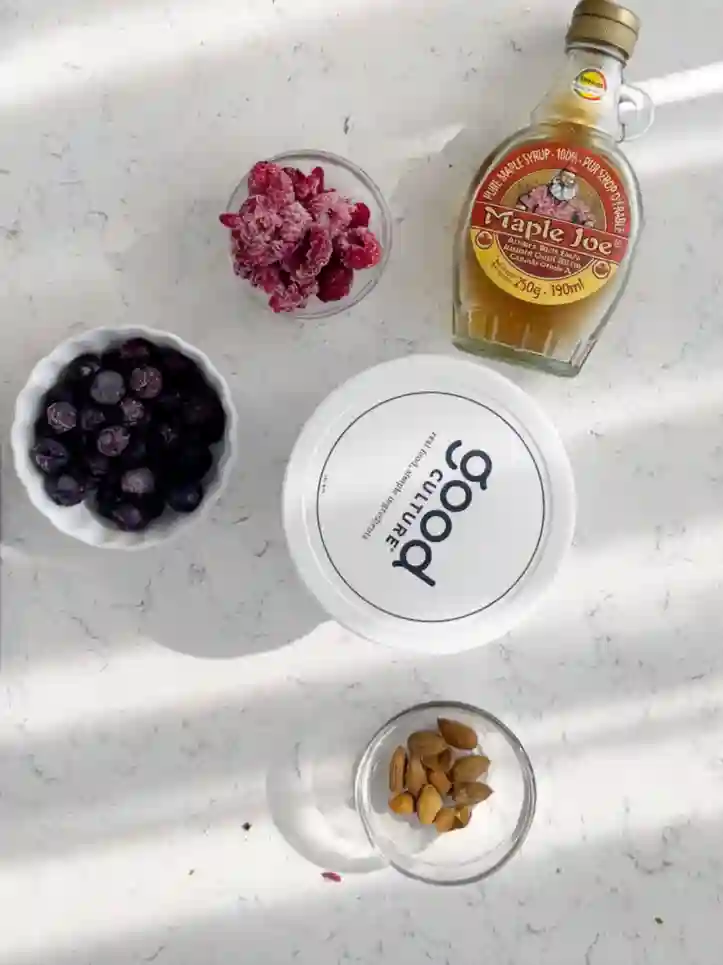
If you want to meal prep a few high protein breakfast cottage cheese bowls in advance, start by portioning the cottage cheese into containers. From there, prepare your toppings separately. I usually go with two main styles.
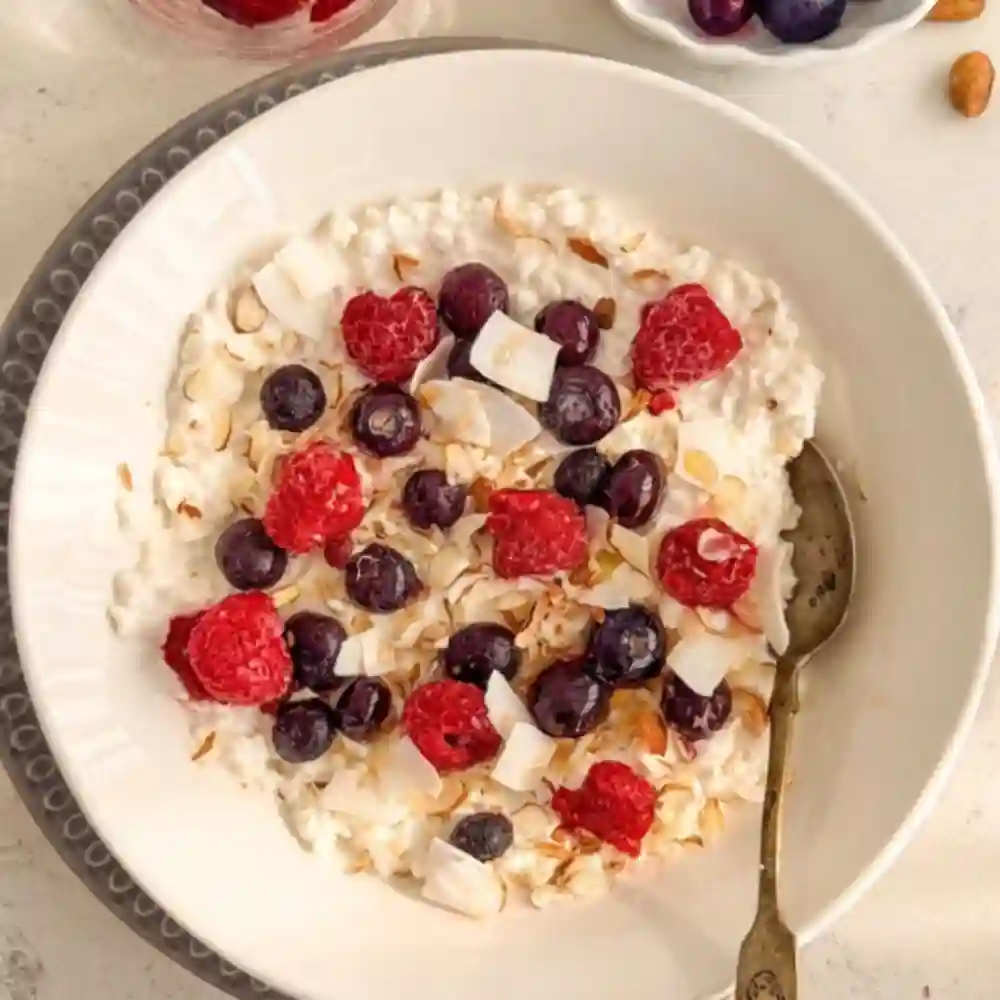
For sweet bowls: strawberries, almond butter, chia seeds, and sometimes a little cinnamon.
For savory bowls: cherry tomatoes, cucumbers, a drizzle of olive oil, and cracked pepper.
You can also stir in a scoop of protein powder directly into the cottage cheese for an added boost. It holds texture well and doesn’t overpower the taste.
Common Mistakes to Avoid
One thing I learned early is not to mix toppings too soon. If you add fruits or crunchy ingredients the night before, they can turn mushy or soggy. Also, watch out for overly salty or watery toppings. They can mess with the balance of your high protein breakfast cottage cheese bowls.
Stick with clean, dry ingredients until you’re ready to eat. That small adjustment keeps everything tasting fresh and satisfying.
High Protein Breakfast Cottage Cheese Bowls: Sweet and Savory Combos That Work
What I’ve Tried and Why It Works
When I first started using cottage cheese for breakfast, I assumed I’d have to force myself to like it. But once I built a few bowls that fit my actual cravings, something clicked. The sweet ones felt comforting without being heavy, and the savory ones felt like a proper meal that didn’t take forever to make.
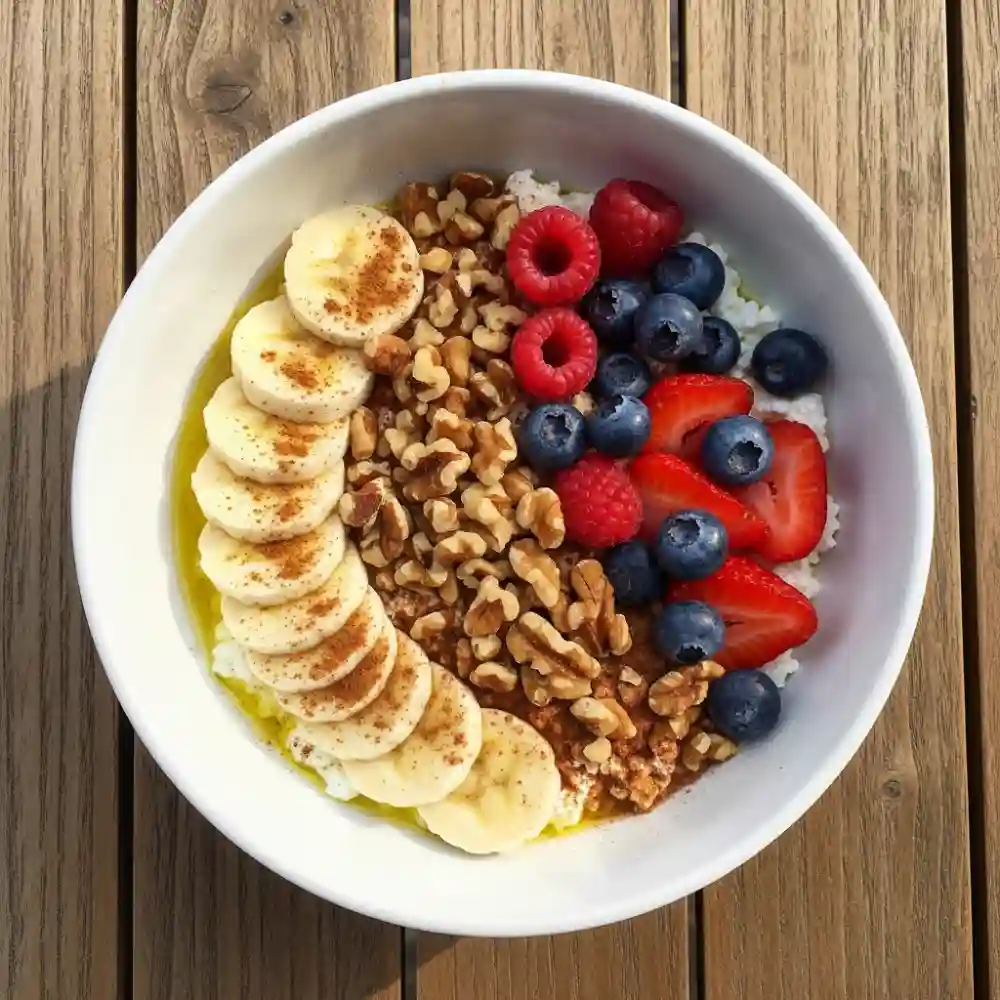
What really surprised me was how flexible it became. One morning I’m topping my bowl with banana slices and cinnamon. The next, I’m layering cucumbers, a soft-boiled egg, and a few crushed walnuts. It never felt repetitive. That’s rare with breakfast.
Simple Ways to Make It Yourself
The foundation is always the same: a generous scoop of cottage cheese. From there, you can build in either direction.
For sweet high protein breakfast cottage cheese bowls, I like:
- Blueberries, almond butter, and flaxseed
- Sliced apples with cinnamon and a few oats
- Frozen berries with a touch of honey and chia seeds
For savory versions:
- Chopped avocado, black pepper, and cherry tomatoes
- Cooked spinach, a fried egg, and pumpkin seeds
- Smoked salmon, capers, and a squeeze of lemon
Each combo balances protein, healthy fats, and fiber, which makes the meal satisfying and steady. It feels complete without being complicated.
Common Mistakes to Avoid
I learned not to go overboard with wet toppings. Too much fruit or juicy vegetables can dilute the texture and make the bowl feel soggy. Another mistake is skipping the seasoning. Even a pinch of salt or a dash of cinnamon can change everything.
Cottage cheese is neutral, which means it needs contrast. That’s where the real flavor lives.
High Protein Cottage Cheese Recipes for a More Satisfying Breakfast
What I’ve Tried and Why It Works
At some point, I needed more than just bowls. I wanted warm, textured meals that still fit my high protein breakfast cottage cheese goals. That’s when I started experimenting with actual recipes muffins, pancakes, even cottage cheese scrambled eggs.
What surprised me is how well cottage cheese blends into batters. It adds creaminess, moisture, and that slow-digesting protein I was after. Plus, it cuts down the need for extra flour or sugar. The meals tasted like comfort food but kept me full longer than toast or cereal ever did.
Simple Ways to Make It Yourself
One of my go-to recipes is cottage cheese protein pancakes. You blend cottage cheese with oats, eggs, and a bit of vanilla or cinnamon. The texture comes out fluffy but substantial. Add a spoonful of Greek yogurt or fruit on top, and you’re good to go.
Another favorite is high protein cottage cheese muffins. I mix mashed banana, cottage cheese, almond flour, and a few dark chocolate chips. They’re easy to bake in batches and grab during the week.
You can also use it as a base in egg bakes, mix it into oatmeal, or stir it into overnight oats for added creaminess. All of these keep the breakfast high in protein without making you feel like you’re eating “diet food.”
Common Mistakes to Avoid
One mistake I made early on was using low-fat cottage cheese in everything. It works for some things, but in baking or warm recipes, it can turn watery or bland. Full-fat gives better texture and flavor.
Also, don’t expect these recipes to taste like exact replacements for traditional pancakes or muffins. They’re different but in a way that supports your energy, not just your cravings.
Ways to Eat Cottage Cheese for a High Protein Breakfast That Doesn’t Get Boring
What I’ve Tried and Why It Works
When I first committed to high protein breakfasts, I worried cottage cheese would get old fast. But the more I played with textures, temperatures, and pairings, the more I realized how many ways there are to eat it and how rarely I got bored.
Some mornings I eat it cold, straight from the container with toppings. Other times I’ll warm it slightly and mix it into oats or spread it on toast with avocado. There’s no single “right” way, which honestly keeps things interesting. That flexibility is exactly what makes it sustainable.
Simple Ways to Make It Yourself
You can eat cottage cheese as a base, a topping, or a mix-in, depending on how much effort you want to put in.
Here are a few simple ideas that fit the high protein breakfast cottage cheese goal:
- Spread it on whole grain toast and top with sliced tomatoes and basil
- Layer it into overnight oats with banana and peanut butter
- Add it to a smoothie for a protein boost without using powder
- Use it in a breakfast wrap with scrambled eggs and spinach
- Mix with cinnamon, nuts, and apple slices for a sweet morning treat
Each of these can be adjusted to suit your taste or macro targets without adding much prep time.
Common Mistakes to Avoid
One common mistake is treating cottage cheese like an afterthought. If you’re just scooping it plain onto a plate, of course it feels bland. It works best when it’s part of something layered, seasoned, or paired with contrast.
Also, don’t assume it has to be sweet. Some of my favorite combinations have been savory and even a little spicy. It’s all about stepping just outside the default.
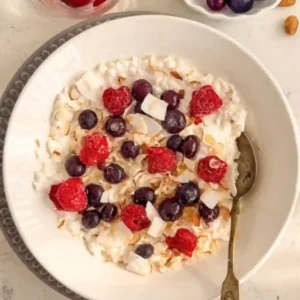
High Protein Breakfast Cottage Cheese

Ingredients
- 1 cup plain cottage cheese full-fat or low-fat
- ½ banana sliced
- ¼ cup fresh blueberries
- 1 tablespoon almond butter
- 1 teaspoon chia seeds
- ¼ teaspoon cinnamon optional
- 1 scoop vanilla protein powder optional, for extra boost
Instructions
- Place cottage cheese into a serving bowl.
- Gently layer banana slices and blueberries on top.
- Drizzle almond butter over the fruit.
- Sprinkle with chia seeds and cinnamon.
- If using protein powder, blend it into the cottage cheese before assembling.
- Enjoy immediately or prep in advance for a grab-and-go breakfast.
Notes
| Nutrient | Amount |
| Calories | 345 kcal |
| Protein | 29 g |
| Carbohydrates | 24 g |
| Sugars | 10 g |
| Fiber | 5 g |
| Fat | 15 g |
| Saturated Fat | 4.5 g |
| Sodium | 400 mg |
| Calcium | 20% DV |
| Vitamin B12 | 30% DV |
- Swap almond butter for peanut or cashew butter.
- Use frozen berries if fresh ones aren’t available.
- Blend everything for a creamy smoothie-bowl version.
Power Protein Bowls with Cottage Cheese for Long-Lasting Energy
What I’ve Tried and Why It Works
I didn’t expect cottage cheese to hold its own in a real power bowl. At first, I thought of it as something small, like a side or topping. But once I started treating it as the main protein source and building layers around it, everything shifted. These bowls became my answer to mornings when I needed to stay full for hours without feeling heavy.
One version that stuck with me was cottage cheese, roasted sweet potatoes, arugula, and a soft egg on top. It tasted like a weekend brunch but took ten minutes to throw together. That balance of protein, fiber, and fat worked better than most meals I had tried before noon.
Simple Ways to Make It Yourself
Start with your base: cottage cheese. From there, think in layers.
Here are some power bowl ideas that align with a high protein breakfast cottage cheese routine:
- Cottage cheese, quinoa, sautéed kale, and sliced avocado
- Cottage cheese, cooked oats, blueberries, walnuts, and a drizzle of honey
- Cottage cheese, roasted veggies, hard-boiled egg, and pumpkin seeds
You can prep these in advance or build them fresh in the morning. They’re flexible enough to match your cravings but structured enough to support steady energy.
Common Mistakes to Avoid
It’s easy to overload these bowls and lose the balance. Too many sweet or rich ingredients can throw off the flavor or make digestion feel sluggish.
Another mistake is skipping contrast. Add something with crunch or a pop of acidity, like lemon juice or pickled onions. That keeps the bowl from feeling too soft or bland.
Core Power and CSE Protein Recipes Using Cottage Cheese
What I’ve Tried and Why It Works
When I started looking into more structured protein options like Core Power shakes or CSE blends, I didn’t expect to mix them with cottage cheese. But a friend suggested blending them into recipes, and curiosity got the better of me. Turns out, combining these with cottage cheese makes for a smooth, protein-dense base that doesn’t feel like a supplement.
I’ve used both Core Power and CSE protein powder in different mixes. What I liked most was the texture and how easy it was to adjust flavors. It gave me variety while still aligning with my high protein breakfast cottage cheese goals.
Simple Ways to Make It Yourself
Start by blending cottage cheese with a half scoop of Core Power or CSE protein powder. I prefer vanilla or unflavored to keep the taste clean. You can use this blend in several ways:
- As a base for a fruit and nut bowl
- Swirled into overnight oats
- Baked into protein muffins
- Layered with granola and berries in a jar
One quick favorite is blending cottage cheese with banana, cinnamon, and vanilla protein powder. It turns into a thick cream you can eat cold or warm up slightly for a pudding-like texture. It feels like dessert but gives you a powerful protein hit.
Common Mistakes to Avoid
A common mistake is using too much protein powder. It can overpower the taste or turn the texture gritty. Start light and adjust based on your preference.
Also, don’t skip blending if the mix feels too thick. A few seconds in a blender or with a hand mixer can completely change the consistency and make it feel more like a treat than a chore.
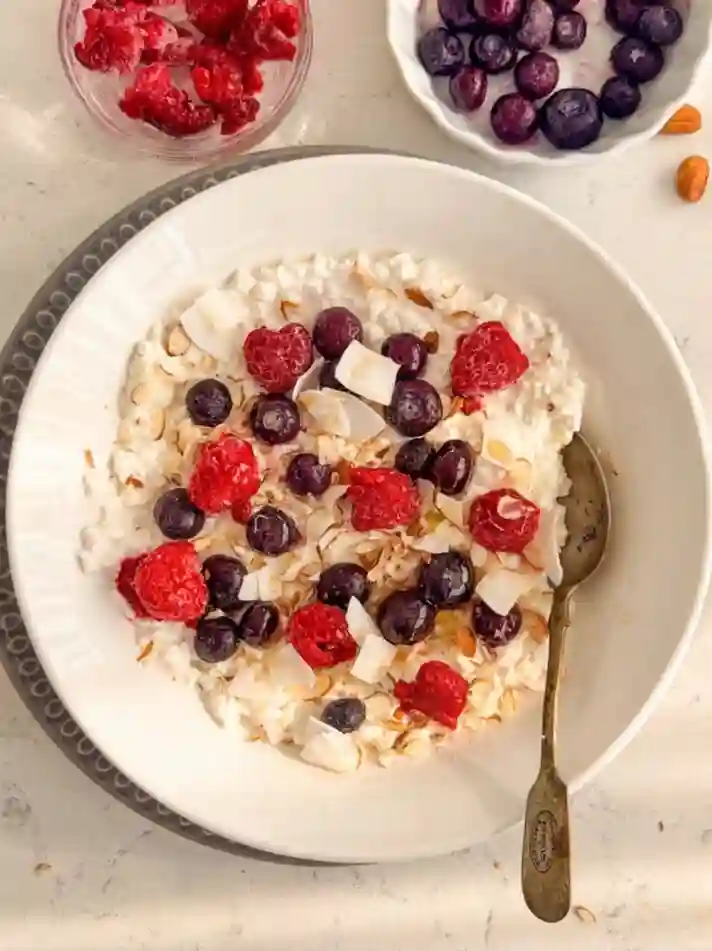
High Protein Breakfast Cottage Cheese for Paleo and Clean Eating Goals
What I’ve Tried and Why It Works
When I tried a more paleo-focused routine, I assumed cottage cheese was off the table. But depending on how strict you are, many versions still fit clean eating goals. I was looking for something high in protein that didn’t rely on meat every morning, and cottage cheese gave me that option with a softer, lighter feel.
I experimented with simple bowls built around vegetables, eggs, and healthy fats. The result was a breakfast that felt nourishing without being heavy. That’s when high protein breakfast cottage cheese started feeling less like a fallback and more like a strategy.
Simple Ways to Make It Yourself
For a paleo-friendly approach, go with full-fat, low-ingredient cottage cheese. Then build your plate with real, whole foods. Here are a few ideas I’ve used:
- Cottage cheese, sautéed spinach, poached egg, and olive oil
- Sliced avocado, cottage cheese, roasted butternut squash, and hemp seeds
- Cucumber, radish, cottage cheese, and a drizzle of tahini
You can also mix in herbs or spices for flavor without adding anything processed. These meals are clean, high in protein, and satisfying without grains or sugar.
Common Mistakes to Avoid
It’s easy to forget about balance when focusing on clean eating. I used to skip carbs entirely, but that left me hungry too soon. Adding vegetables with fiber or small portions of starchy options like sweet potato made a big difference.
Also, check your cottage cheese label. Some brands add thickeners or extra salt that may not fit strict paleo preferences. The simpler the ingredient list, the better it works for this style of eating.
Nutrition Information for High Protein Breakfast Cottage Cheese Meals
The following is an average estimate based on a typical cottage cheese-based breakfast bowl with fruit, nuts, and optional toppings like oats or eggs. Actual values may vary depending on specific ingredients and quantities used.
Standard Serving Size: 1 bowl (about 1 cup cottage cheese + toppings)
| Nutrient | Amount per Serving (approx.) |
| Calories | 320–400 kcal |
| Protein | 25–35 g |
| Carbohydrates | 20–30 g |
| Sugars | 5–10 g |
| Fiber | 3–6 g |
| Fat | 10–18 g |
| Saturated Fat | 3–6 g |
| Sodium | 350–500 mg |
| Calcium | 15–25% DV |
| Vitamin B12 | 20–40% DV |
These meals are typically high in protein and calcium, moderate in carbs, and customizable for lower sugar or higher fiber depending on your add-ins.
For those tracking macros or following specific dietary plans like paleo or low-carb, recipes can easily be adjusted by swapping toppings or choosing full-fat versus low-fat cottage cheese.
For detailed nutrition data, see the official USDA FoodData Central entry for cottage cheese here.
Final Thoughts on Making High Protein Breakfast Cottage Cheese a Daily Habit
I didn’t expect high protein breakfast cottage cheese to become a daily thing for me. At first, it was just an experiment. But the more I played with it from quick bowls to meal-prepped recipes the more it earned a permanent spot in my routine.
It fits into so many eating styles. Whether you’re into sweet flavors, savory power bowls, clean eating, or just need something fast before work, it adapts. That’s what makes it sustainable. You’re not stuck eating the same thing over and over. One morning can feel like dessert, the next like brunch, and both will keep you full and focused for hours.
Most importantly, it takes away the guesswork. I don’t stand in the kitchen wondering what to eat. I know I’ve got a base that’s high in protein, easy to pair with real ingredients, and already proven to work for my body.
So if you’ve been trying to clean up your mornings or build meals with more intention, this might be the shift you were looking for. Simple, versatile, and honest that’s what high protein breakfast cottage cheese brought to my table.
More High-Protein Recipes You’ll Love
- Ground Turkey and Peppers – A simple, lean, and flavor-packed protein option for any meal.
- High Protein Lasagna Soup – Cozy, cheesy, and perfect for meal prep.
- Creamy Taco Soup – A flavorful dinner packed with protein and fiber.
- Cheddar Garlic Herb Potato Soup – A hearty, protein-rich soup for cooler days.
FAQs About High Protein Breakfast Cottage Cheese
1. Is cottage cheese actually good for breakfast?
Yes, especially if you’re looking for a high-protein option that doesn’t require cooking. It’s filling, versatile, and pairs well with both sweet and savory ingredients. It also works for people who want something fast without sacrificing nutrition.
2. Does cottage cheese help with weight loss?
It can. Thanks to its high protein content, cottage cheese promotes satiety, which may help reduce snacking and overall calorie intake. Just be mindful of added toppings or flavored versions that come with extra sugar or sodium.
3. Can I eat cottage cheese every day?
Absolutely, as long as it fits your dietary needs. Many people include it in daily breakfasts or snacks because it’s gentle on digestion and easy to customize. Rotate your toppings or pairings to keep it interesting.
4. What type of cottage cheese is best for breakfast?
Look for plain, full-fat or low-fat cottage cheese with minimal ingredients. Avoid overly processed versions with thickeners or added sugars. Simpler is better, especially if you’re mixing it with other whole foods.
5. Can I use frozen fruit in cottage cheese bowls?
Yes, frozen fruit works well, especially when prepping in advance. Let it thaw overnight in the fridge or warm slightly in the morning to enhance flavor and texture.