Homemade Gatorade is what I started making after realizing plain water was not always enough after long walks and sweaty workouts. Have you ever felt tired even though you drank water all day? That was me.
I wanted something cleaner than store bought sports drinks. No artificial colors. No excessive sugar. Just a healthy Gatorade recipe made with real ingredients that actually support hydration.
This homemade Gatorade electrolyte drink is simple, balanced, and easy to keep in the fridge. It uses natural ingredients to replace electrolytes, support recovery, and keep you refreshed during hot days or after exercise.
Table of Contents
Table of Contents
Homemade Gatorade vs Store Bought Sports Drinks
If you have ever compared a bottle from the store to a pitcher of Homemade Gatorade sitting in your fridge, the difference is not just visual. It is philosophical. One is built for shelf life and mass production. The other is built for your body.
I am not here to demonize sports drinks. They serve a purpose. But most of us are not running marathons in desert heat. We are doing workouts, chasing kids, walking in summer sun. That changes what we actually need from a hydration drink.
Why Most Sports Drinks Fall Short
Most commercial sports drinks are designed for intense endurance athletes. That usually means:
- High sugar content
- Artificial dyes
- Synthetic flavoring
- Preservatives for long shelf life
For someone doing moderate activity, that amount of sugar can feel excessive. You might notice a quick boost followed by a slight crash. It hydrates, yes. But it also floods your system with more sweetness than necessary.
And let’s be honest. The bright blue color does not improve hydration. It improves marketing.
What Makes Homemade Gatorade Different
Homemade Gatorade focuses on function over flash. The goal is simple: replace fluids, sodium, and key minerals lost through sweat without overloading your body.
A balanced homemade version typically includes:
- A hydration base like coconut water or filtered water
- A small amount of natural sweetener
- Sodium to support electrolyte balance
- Real fruit juice for potassium and flavor
Because you control the ingredients, you also control the intensity. Sweated more than usual? Add slightly more sodium. Light workout? Dial back the sweetness. That flexibility is something a bottle cannot offer.
When a Store Bought Option Might Still Make Sense
There are moments when convenience wins. Long road races. Travel days. Situations where mixing a batch is not realistic.
In those cases, a commercial sports drink can absolutely do the job.
But for everyday hydration, weekend workouts, and hot afternoons, Homemade Gatorade often feels lighter and more aligned with a healthy routine. It supports hydration without unnecessary extras, and over time, that simplicity makes a difference.
Why Homemade Gatorade With Coconut Water Works So Well
There is a reason coconut water shows up in so many Homemade Gatorade recipes. It is not just trendy. It actually makes hydration easier and more balanced without needing complicated ingredients.
When I first tested Homemade Gatorade with coconut water, I was skeptical. Would it taste too tropical? Too sweet? Surprisingly, it created a smoother base than plain water. Less sharp. More rounded. And it required less added sweetener overall.
The Natural Electrolyte Advantage
Coconut water naturally contains potassium, along with smaller amounts of magnesium and calcium. These are minerals your body loses when you sweat. While sodium is still essential in any Homemade Gatorade electrolyte drink, potassium plays a key role in muscle function and fluid balance.
Using coconut water gives you:
- Natural potassium support
- A mild sweetness without refined sugar
- A smoother flavor profile
- Better balance with citrus juices
Instead of building everything from scratch, you are starting with a base that already contributes to hydration.
Coconut Water vs Plain Water
You can absolutely make Homemade Gatorade with filtered water. It will still work. The difference is subtle but noticeable.
With plain water:
- You may need slightly more sweetener
- The citrus flavor feels sharper
- The drink tastes more like diluted juice
With coconut water:
- The flavor feels softer and more cohesive
- You can reduce added sugar
- The drink tastes closer to a healthy refresher than a sports drink
That said, if coconut water is unavailable or you prefer a more neutral taste, plain water remains a solid option. The key is maintaining electrolyte balance, not perfection.
Choosing the Right Coconut Water
Not all coconut water tastes the same. Some brands are overly sweet, while others are more earthy.
When selecting coconut water for Homemade Gatorade, look for:
- No added sugar
- Minimal ingredients
- No artificial flavoring
A clean base makes the final drink taste intentional rather than improvised.
DIY Homemade Gatorade Recipes: Lemon Lime and Cherry Limeade
Now let’s build the actual Homemade Gatorade recipes. This is where things get practical. No complicated process. No special equipment. Just balance.
Both versions start with the same foundation: fluid, sodium, and a touch of natural sweetness. From there, the flavor shifts depending on what you are craving.
Lemon Lime Homemade Gatorade
If you like classic sports drink flavor, this is the one. It tastes clean, bright, and slightly tart without being overpowering.
To make this version of Homemade Gatorade, you combine:
- Coconut water as the hydration base
- Fresh lemon juice
- Fresh lime juice
- A splash of orange juice for natural sweetness
- A small amount of honey
- Electrolytes or sea salt
The citrus combination gives you vitamin C and natural potassium while keeping the flavor light. It feels refreshing during workouts and especially good on hot afternoons.
If it tastes too sharp, add a little more orange juice. If it feels too sweet, increase the lemon slightly. Small adjustments change everything.
Healthy Cherry Limeade Style
This variation leans into a deeper fruit profile. Think of it as a healthier cherry limeade recipe that still functions as an electrolyte drink.
For this Homemade Gatorade flavor, you use:
- Coconut water
- Tart cherry juice
- A small amount of pineapple juice
- Unsweetened cranberry juice
- Honey
- Electrolytes or sea salt
The tart cherry adds antioxidants and gives that rich fruit punch tone. Pineapple balances the acidity. Cranberry adds structure and depth.
This version tends to taste more like drinks that taste like juice, which makes it especially appealing for kids. It feels fun, but it still supports hydration.
Adjusting Sweetness and Sodium
Not every day requires the same formula. One of the advantages of Homemade Gatorade is control.
If you sweat heavily:
- Increase sodium slightly
If it is a light activity day:
- Reduce honey
If you want it closer to healthy refresher drinks rather than a sports drink:
- Dilute with additional coconut water
Small changes make this adaptable to different hydration needs without changing the core recipe.
Ingredients for Homemade Gatorade
Base Ingredients
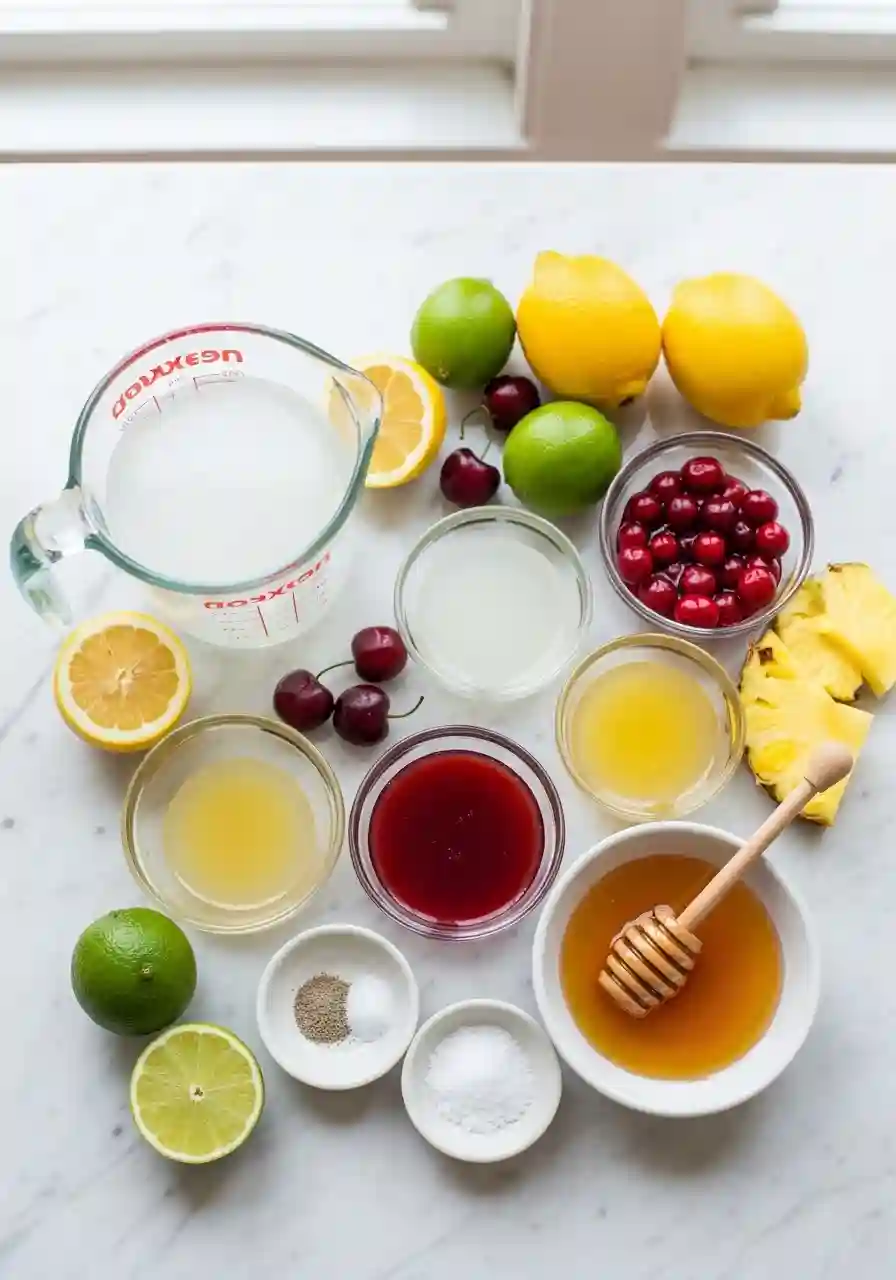
For a balanced Homemade Gatorade, you need a hydration base, natural sweetness, and sodium support.
- 2 to 3 cups coconut water
- 1 teaspoon electrolyte mix or sea salt
- 3 to 4 teaspoons honey
This base works for both flavor variations. It provides fluids, natural potassium, and sodium to support hydration after sweating.
Lemon Lime Variation
- 1/3 cup fresh lemon juice
- 1/3 cup fresh lime juice
- 1/4 cup orange juice
This version delivers a clean citrus profile and a lighter finish.
Cherry Limeade Variation
- 1 cup tart cherry juice
- 1/2 cup pineapple juice
- 1/2 cup unsweetened cranberry juice
This combination creates a deeper fruit profile while maintaining electrolyte balance.
How to Make Homemade Gatorade
Step 1: Combine the Ingredients
In a large pitcher or glass measuring cup, add the base ingredients. Stir until the honey dissolves completely.
Step 2: Add Your Flavor
Choose either the lemon lime or cherry variation and mix thoroughly. Taste and adjust sweetness or salt slightly if needed.
Step 3: Chill and Store
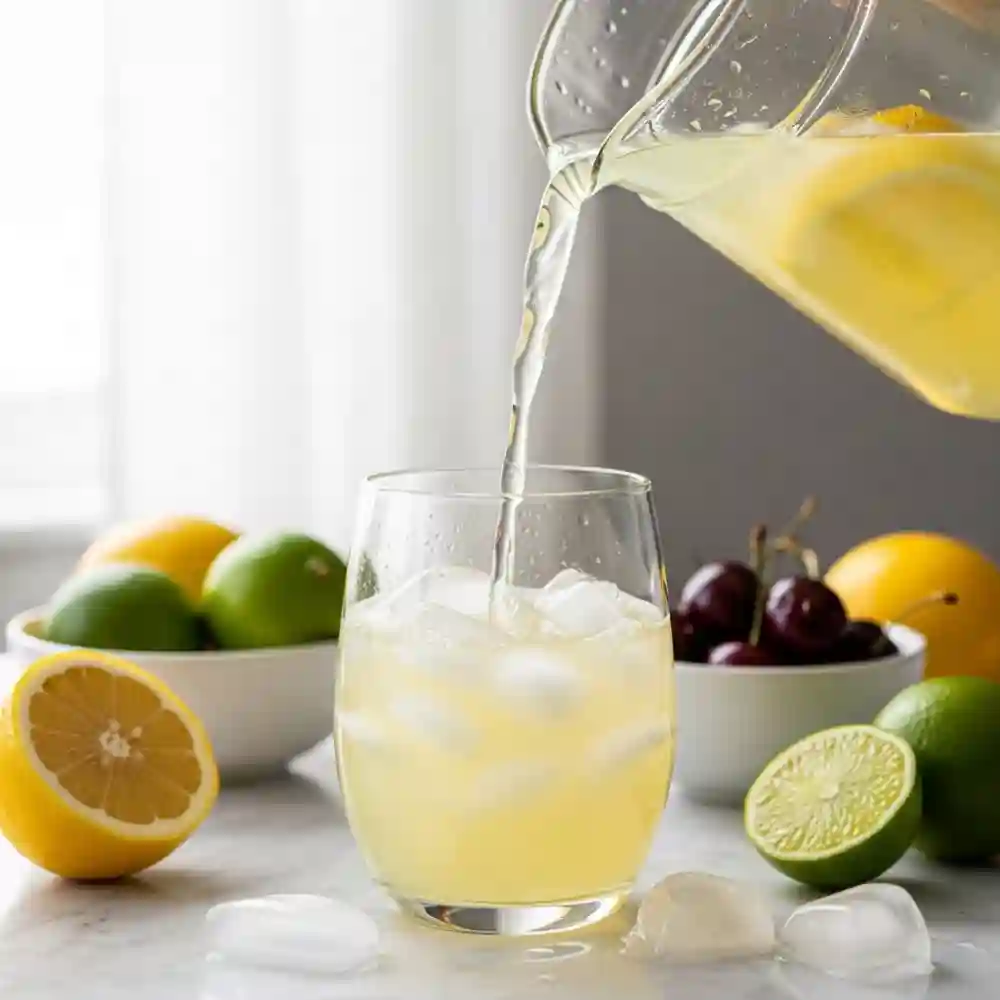
Transfer to airtight glass bottles or jars. Refrigerate for at least 1 hour before serving, or pour over ice immediately.
This simple process makes Homemade Gatorade quick enough for weekly prep.

Homemade Gatorade
Ingredients
Method
- Add coconut water, electrolyte powder or salt, and honey to a pitcher. Stir until fully dissolved.
- Add your chosen flavor ingredients and mix well.
- Taste and adjust sweetness or salt if needed.
- Pour into bottles or jars and refrigerate.
- Serve chilled or over ice.
Notes
| Nutrient | Amount |
| Calories | 67 kcal |
| Total Fat | 0 g |
| Saturated Fat | 0 g |
| Carbohydrates | 16 g |
| Sugar | 12 g |
| Fiber | 0 g |
| Protein | 0 g |
| Sodium | 300 mg |
| Potassium | ~350 mg |
| Cholesterol | 0 mg |
- Adjust sodium slightly for heavy sweating.
- Dilute with additional coconut water for lighter hydration days.
Homemade Gatorade and Other Homemade Healthy Drinks
Once you start making Homemade Gatorade regularly, something shifts. You begin looking at other drinks differently. That afternoon soda? The random energy drink? Even some cold juice recipes from the store suddenly feel… heavier.
I did not plan for that. It just happened.
Where Homemade Gatorade Fits In a Healthy Drink Routine
Homemade Gatorade sits in a very specific category. It is not just flavored water. It is not full juice. And it is definitely not soda.
It works best as:
- A post workout hydration drink
- A hot weather recovery drink
- A sports practice refresher
- A better alternative to high sugar sports beverages
Compared to homemade soda or soda recipe drinks, it contains functional minerals rather than just carbonation and sweetness. Compared to drinks that taste like juice, it is lighter and less sugary. Compared to cold tea drinks, it focuses more on electrolyte balance than caffeine or antioxidants alone.
It fills the gap between hydration and flavor.
Can It Replace Energy Drinks or Sweetened Beverages?
Many people searching for Red Bull drinks non alcoholic options are really looking for energy without the crash. While Homemade Gatorade does not contain caffeine, it supports energy indirectly through proper hydration.
When you are mildly dehydrated, you often feel:
- Sluggish
- Headachy
- Irritable
- Mentally foggy
Proper electrolyte balance can improve how you feel without stimulants. It is not a buzz. It is stability.
If you are trying to reduce soda, packaged juice, or sugary sports drinks, adding Homemade Gatorade into your routine can naturally crowd out those habits. Not because it is restrictive, but because it actually satisfies the craving for something cold, flavorful, and refreshing.
Making It Part of Your Weekly Routine
The easiest way to stick with Homemade Gatorade is simple preparation.
- Make a batch during weekly meal prep
- Store in glass bottles
- Keep one ready in a reusable Gatorade water bottle for grab and go use
When it is visible and accessible, you drink it. When it is not, you default to convenience options.
How to Store Homemade Gatorade and Keep It Fresh
Once you start making Homemade Gatorade consistently, storage becomes part of the routine. The good news is that this drink is simple. No fermentation. No complicated timing. Just mix, chill, and use as needed.
Still, a few small details make a noticeable difference in flavor and freshness.
How Long Homemade Gatorade Lasts
When stored properly in the refrigerator, Homemade Gatorade typically lasts up to 1 to 2 weeks. The exact timing depends on the freshness of your juices and whether you used freshly squeezed citrus.
For best results:
- Store in airtight glass bottles or mason jars
- Keep it refrigerated at all times
- Shake gently before serving
If the flavor starts to taste dull or slightly off, it is best to make a fresh batch. Because this is a natural Gatorade recipe without preservatives, freshness matters more than with store bought drinks.
Best Containers to Use
Glass works best for maintaining taste. Plastic can absorb citrus flavor over time, especially with lemon and lime based versions.
You can store Homemade Gatorade in:
- Mason jars with lids
- Glass swing top bottles
- A large glass pitcher for family use
- A reusable Gatorade water bottle for daily hydration
If you are packing it for sports practice or outdoor activities, insulated bottles help maintain temperature and make it more refreshing when consumed.
Can You Freeze Homemade Gatorade?
Yes, and it works surprisingly well.
Freezing Homemade Gatorade into popsicles creates a healthy refresher drink alternative for kids. You can also freeze it in ice cube trays and add the cubes to water for a light electrolyte boost.
Just remember that freezing may slightly mute citrus brightness. If you plan to freeze it, you can increase lemon or lime juice slightly before freezing.
Keeping Flavor Consistent
Because this is a DIY drink, minor variations are normal. Different brands of coconut water, juice, or even honey will affect sweetness and acidity.
To keep your Homemade Gatorade consistent:
- Measure ingredients carefully
- Taste before bottling
- Adjust sweetness or sodium slightly if needed
Consistency comes quickly after a few batches. You begin to understand your preferred balance.
Homemade Gatorade for Everyday Hydration
At the end of the day, Homemade Gatorade is not about copying a brand. It is about understanding what your body actually needs and responding to it with simple ingredients.
Most of us are not professional athletes. We are parents, weekend runners, gym regulars, people walking in summer heat. For those situations, a balanced homemade Gatorade electrolyte drink often makes more sense than a neon bottle loaded with sugar.
Why Homemade Gatorade Works Long Term
The real advantage of Homemade Gatorade is control.
You control:
- The level of sweetness
- The sodium content
- The flavor intensity
- The ingredient quality
That flexibility makes it sustainable. It adapts to light activity days, intense workouts, or hot afternoons. It can be citrusy and sharp one week, cherry limeade inspired the next.
Over time, it becomes less of a recipe and more of a habit.
A Simple Hydration Strategy
If you want to keep things practical, here is a simple approach:
- Drink plain water throughout the day
- Use Homemade Gatorade during or after heavy sweating
- Adjust sodium slightly for high heat or longer workouts
- Keep a batch prepared in the fridge
That is it. No complicated system.
Homemade Gatorade fits naturally into a routine built around homemade healthy drinks. It replaces overly sweet sports beverages, reduces reliance on soda or energy drinks, and keeps hydration intentional rather than reactive.
And honestly, once you get used to the cleaner taste, going back feels unnecessary.
Homemade Gatorade as a Healthy Refresher Drink
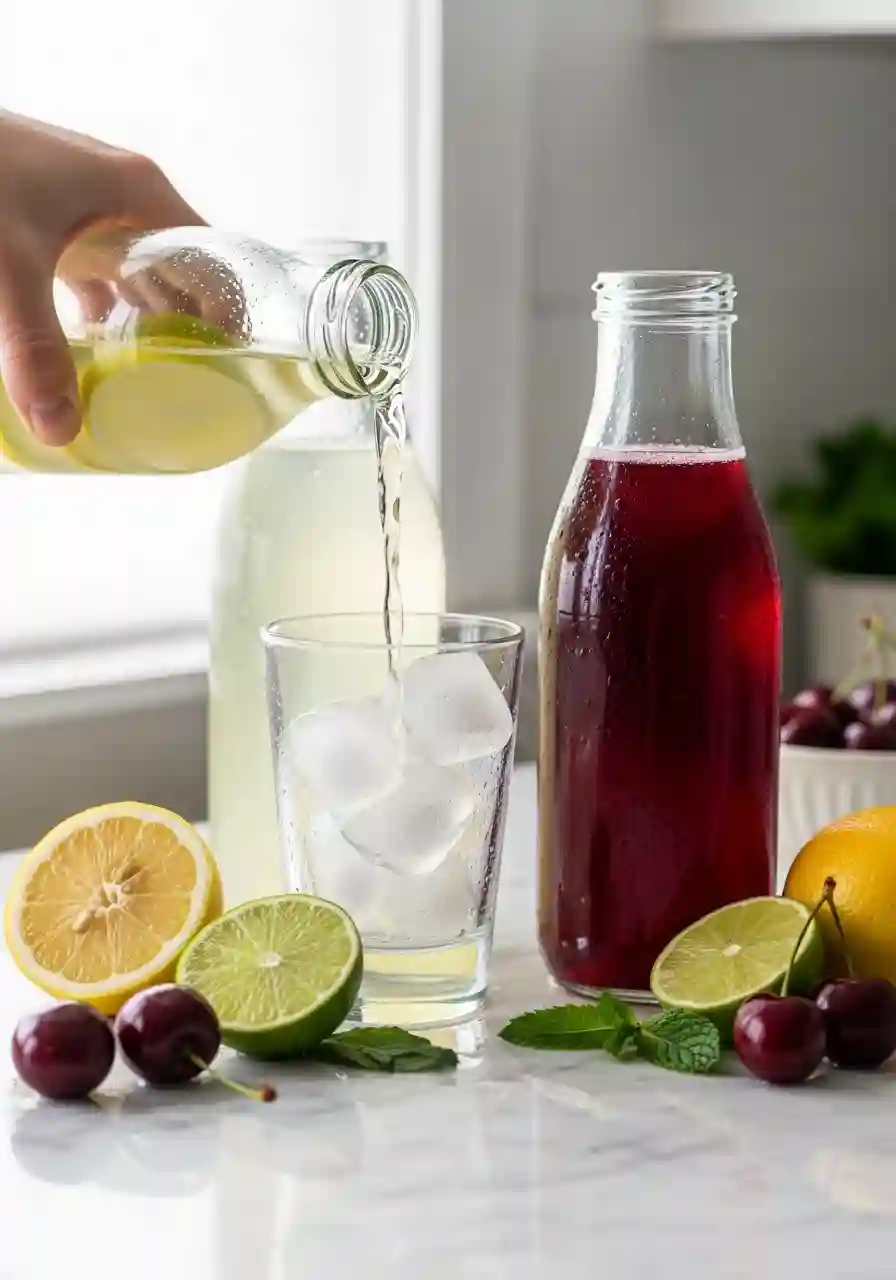
Homemade Gatorade is not just something you drink after workouts. It can easily become one of your go to healthy refresher drinks during hot days, long afternoons, or even busy mornings when plain water feels boring.
The difference is intention. Instead of reaching for random soda recipe drinks or overly sweet packaged options, you are choosing a hydration focused drink that still tastes good. That shift matters more than most people realize.
From Sports Drink to Homemade Healthy Drink
Over time, Homemade Gatorade naturally fits into the broader category of homemade healthy drinks. It is not extreme. It is not restrictive. It is simply functional.
Compared to homemade soda or drinks that taste like juice, it offers:
- Less sugar concentration
- No artificial coloring
- A better electrolyte balance
- A cleaner ingredient list
That makes it a practical daily option, not just something reserved for intense activity. You can even dilute it slightly for a lighter version that feels closer to cold juice recipes while still supporting hydration.
Making It Part of Your Routine
If you want Homemade Gatorade to replace less healthy beverages, accessibility is key.
- Keep a batch chilled in the fridge
- Store it in clear bottles so you see it first
- Fill a reusable bottle before leaving home
Small environmental changes influence behavior. When your healthy refresher drink is ready, you drink it. When it is not, convenience wins.
Used consistently, Homemade Gatorade becomes more than a recipe. It becomes part of a smarter hydration strategy built around balance and simplicity.
Homemade Gatorade as a Healthy Gatorade Recipe Option
Homemade Gatorade becomes even more powerful when you stop seeing it as just a sports drink and start viewing it as a healthy Gatorade recipe you can adjust for real life. Most people only think about electrolyte drinks during intense workouts, but hydration needs show up in smaller, everyday ways.
A healthy Gatorade recipe should support your body without overwhelming it with sugar. That is where making it yourself changes everything. You are not locked into a fixed formula. You adjust based on activity, climate, and even personal taste preferences.
Turning Homemade Gatorade Into a Daily Habit
To make Homemade Gatorade sustainable, simplicity matters. You do not want a complicated system. You want something repeatable.
Here is what works well:
- Prepare one batch at the beginning of the week
- Store it in the refrigerator in glass bottles
- Use it after workouts or long periods outdoors
- Dilute slightly for lighter hydration days
This approach keeps it aligned with the concept of a healthy Gatorade recipe rather than a sugar heavy sports beverage.
When hydration feels intentional instead of reactive, you are more consistent. And consistency is where the real benefit appears.
Homemade Gatorade With Coconut Water for Better Hydration
Homemade Gatorade works well with plain water, but using coconut water changes the hydration profile in a noticeable way. Homemade Gatorade with coconut water provides a natural source of potassium, which supports muscle function and fluid balance, especially after sweating.
Instead of building every electrolyte from scratch, you start with a base that already contains minerals. That makes the drink feel smoother and slightly sweeter without needing excessive added sugar.
Why Coconut Water Makes a Difference
When you prepare Homemade Gatorade with coconut water, you get:
- Natural potassium support
- A mild, balanced sweetness
- Better pairing with citrus flavors
- A more rounded taste profile
This combination often reduces the need for additional sweeteners. The result is a drink that feels less sharp than versions made only with filtered water.
Coconut water also blends well with lemon, lime, and cherry based variations. It helps transform a basic electrolyte drink into something that feels closer to a refreshing, functional beverage.
If coconut water is unavailable, filtered water remains a valid option. The key factor is maintaining proper sodium balance. However, many people find that once they try Homemade Gatorade with coconut water, the flavor improvement makes it their preferred version.
Nutrition Information
Below is the estimated nutrition information per serving of Homemade Gatorade. Values may vary slightly depending on the brand of coconut water, juice, and sweetener used.
Lemon Lime Version (Per 8 oz Serving)
| Nutrient | Amount |
| Calories | 67 kcal |
| Total Fat | 0 g |
| Saturated Fat | 0 g |
| Carbohydrates | 16 g |
| Sugar | 12 g |
| Fiber | 0 g |
| Protein | 0 g |
| Sodium | 300 mg |
| Potassium | ~350 mg |
| Cholesterol | 0 mg |
Cherry Version (Per 8 oz Serving)
| Nutrient | Amount |
| Calories | 100 kcal |
| Total Fat | 0 g |
| Saturated Fat | 0 g |
| Carbohydrates | 20 g |
| Sugar | 12 g |
| Fiber | 0 g |
| Protein | 0 g |
| Sodium | 287 mg |
| Potassium | ~400 mg |
| Cholesterol | 0 mg |
Nutrition values are estimated based on standard ingredient data from the USDA FoodData Central database and may vary depending on specific brands and measurements used.
Nutritional Notes
- Sodium supports electrolyte replacement after sweating.
- Potassium contributes to muscle and nerve function.
- Natural sugars help improve electrolyte absorption.
- This drink contains no artificial dyes or refined sugars.
Conclusion
Homemade Gatorade is not about recreating a brand. It is about reclaiming control over what goes into your hydration routine. With a few simple ingredients, you can create a drink that supports electrolyte balance, reduces unnecessary sugar, and actually tastes fresh.
Over time, Homemade Gatorade stops feeling like a recipe and starts feeling like a habit. You mix a batch at the beginning of the week. You grab a bottle after workouts. You rely on it during hot days instead of defaulting to brightly colored alternatives.
It is simple. It is adjustable. And most importantly, it works.
Hydration does not need to be complicated. Sometimes, it just needs to be intentional.
More Refreshing Drinks You’ll Love
- Best Detox Smoothie for Weight Loss – A nutrient-packed drink to energize your day.
- Green Tea with Honey – Light, soothing, and full of antioxidants.
- Honey Trick Recipe – A trending natural drink to support hydration and metabolism.
- Coffee Jelly Drink Recipe – A fun and refreshing twist for coffee lovers.
FAQs About Homemade Gatorade
1. Is Homemade Gatorade as effective as store bought sports drinks?
Yes, in most everyday situations it is. Homemade Gatorade replaces fluids and sodium lost through sweat, which are the primary components needed for hydration. For moderate workouts, hot weather, or sports practice, it performs very well. High intensity endurance events may require more precise electrolyte ratios, but for typical use, a well balanced homemade version is effective.
2. Can I make Homemade Gatorade without coconut water?
Absolutely. You can replace coconut water with filtered water. If you do, you may need to slightly increase potassium sources such as citrus juice or adjust sweetness. The key is maintaining fluid and sodium balance. Coconut water improves mineral content naturally, but it is not mandatory.
3. How much salt should I add to Homemade Gatorade?
The amount depends on how much you sweat. For light activity, a small measured amount is enough. For heavy sweating in high heat, you can increase sodium slightly. The goal is to replace what is lost without making the drink taste overly salty.
4. Is Homemade Gatorade safe for kids?
Yes, when used appropriately. It works well after sports practice or outdoor play in hot weather. Because you control the ingredients, you avoid artificial dyes and excessive sugar. For younger children, you can dilute the drink slightly to reduce sweetness and sodium concentration.
5. Can I make a lower sugar version?
Yes. You can reduce the honey or natural sweetener and slightly dilute the mixture. Keep in mind that small amounts of carbohydrates help electrolyte absorption, so completely removing sweetener may affect both taste and hydration efficiency.
6. How long does Homemade Gatorade last in the fridge?
When stored in an airtight container and refrigerated, it typically lasts up to 1 to 2 weeks. If the flavor changes or becomes dull, it is best to prepare a fresh batch.