German Potato Pancakes Recipe. You’re probably wondering if it’s worth the effort to try this at home. And honestly, I asked myself the same thing the first time I tried to recreate my grandmother’s version. I could almost hear her voice in the back of my mind, reminding me not to squeeze the potatoes too much, not to crowd the pan, and never to skip the onion.
These potato pancakes are more than just a recipe. They’re a conversation between generations. They’ve shown up on our table on cold Sunday mornings, at crowded family dinners, and even late at night when all you want is something warm and real.
Maybe you grew up with them. Maybe you’ve never tasted one before but the idea of golden, crispy potatoes with a soft center speaks to your soul. Either way, this German Potato Pancakes Recipe is your invitation to something comforting, simple, and surprisingly satisfying.
We’ll walk through the process together. I’ll show you what worked for me, what I learned the hard way, and how to make these pancakes your own. No fancy tools, no overcomplication. Just honest food made with care.
Table of Contents
Table of Contents
What Makes This German Potato Pancakes Recipe Unique
There’s a reason the German Potato Pancakes Recipe has been passed down for generations. It’s not just about the ingredients. It’s about how something so simple can become deeply personal. Every family seems to have their version, and even small tweaks can create big differences.
The heart of this dish lies in its flexibility. Some prefer it with raw potatoes grated fresh. Others swear by leftover mashed potatoes for a softer, fluffier texture. Either way, the result is warm, crispy, and incredibly satisfying. It’s the kind of food that feels like home, no matter where you are.
Most importantly, this German Potato Pancakes Recipe is one you can make your own. Whether you’re trying it for the first time or reviving a childhood memory, it brings people together in the most delicious way.
A Dish with Deep German Roots
Historically, German potato pancakes were considered peasant food. Potatoes were cheap, filling, and easy to grow, which made them perfect for feeding large families. Over time, what started as a necessity became a treasured tradition.
Today, you’ll still find them across Germany, especially in winter markets where they’re served hot and golden with a dollop of applesauce or a spoonful of sour cream. If you’ve ever held one in your hands while walking through a frosty street, you know exactly why this recipe still matters.
Reibekuchen or Kartoffelpuffer?
Depending on where you are in Germany, you might hear different names for this dish. Reibekuchen is often used in the west, while Kartoffelpuffer is more common in other regions. Some say the difference lies in whether raw or cooked potatoes are used.
In truth, both names point to the same comforting idea. The German Potato Pancakes Recipe works with either version, and what you call it may just depend on who taught you how to make it.
Ingredients for the Perfect German Potato Pancakes Recipe
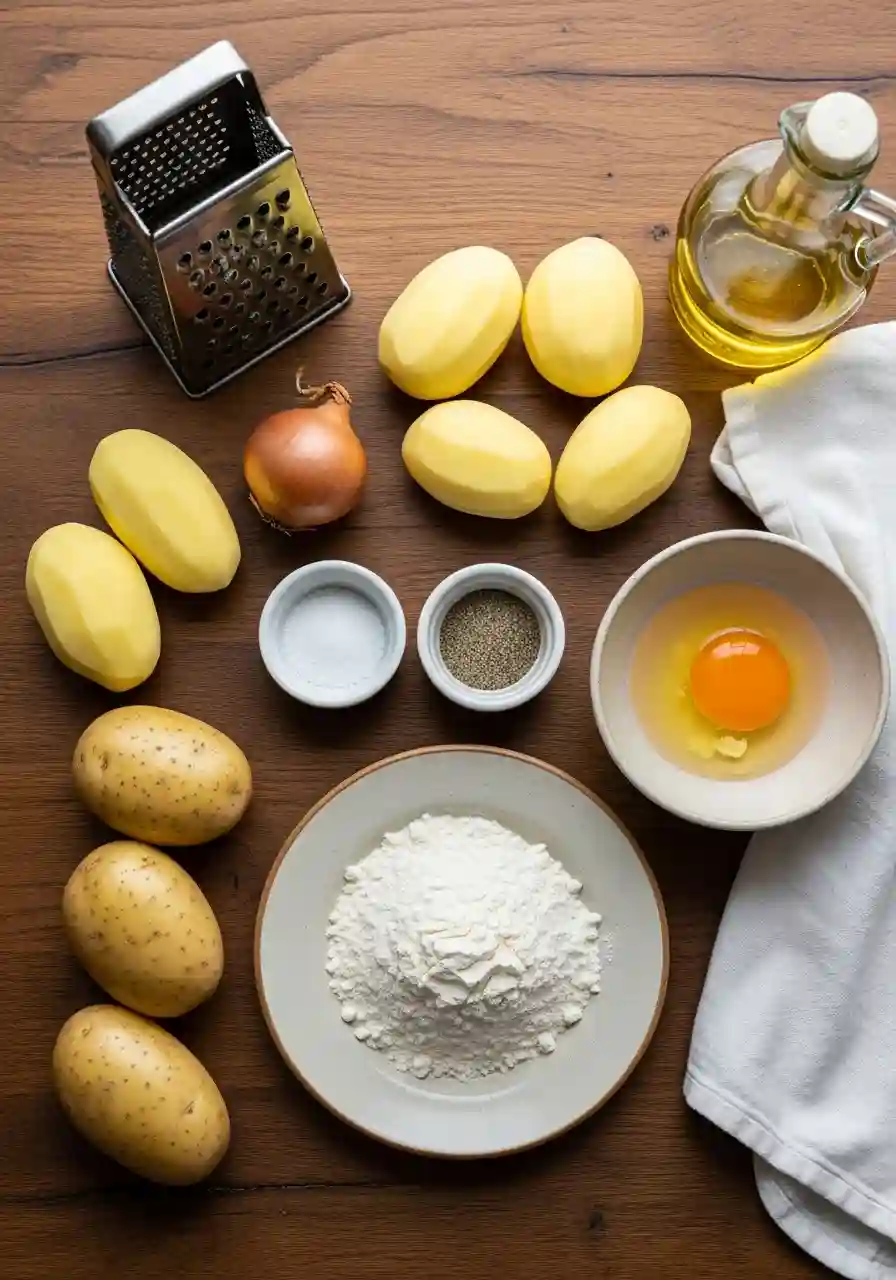
The beauty of the German Potato Pancakes Recipe is how it turns simple ingredients into something deeply satisfying. You probably already have most of what you need in your kitchen. There are no surprises here, just a few humble components that work together to create the kind of flavor you remember long after the last bite.
Potatoes, onion, a bit of flour, and an egg. That’s the foundation. The rest is optional, depending on whether you’re aiming for savory, sweet, or somewhere in between.
Core Ingredients You’ll Need
Start with starchy potatoes. They’re essential for achieving that crisp outside and tender inside. Russets work beautifully, but any potato with a medium to high starch content will do.
- One pound of potatoes
- One small onion
- One medium egg
- Three tablespoons of flour
- Salt and pepper to taste
- Oil for frying
If you want to keep things traditional, that’s all you really need. From there, you can adjust for texture or taste depending on how you like them.
Optional Add-Ins and Variations
Once you have the base down, you can get creative. For savory fans, adding chopped green onions, garlic powder, or a touch of smoked paprika brings depth. If you’re in the mood for something richer, a handful of shredded cheese turns them into indulgent potato cheese pancakes.
You can also experiment with texture. Some people prefer their pancakes extra crispy. In that case, try squeezing more moisture out of the potatoes and skipping the flour. Others enjoy a softer center, which you can achieve by blending in a bit of mashed potato or cooked potato from a previous meal.
No matter which path you take, the German Potato Pancakes Recipe remains flexible. It’s one of those rare dishes where a small change can feel like a completely new version.
How to Make This German Potato Pancakes Recipe Step by Step
Now that you have your ingredients ready, let’s walk through how to make this German Potato Pancakes Recipe in a way that’s straightforward and stress-free. Whether it’s your first time making them or you’ve tried before and didn’t get the crispiness you were hoping for, this method will help you get it just right.
These steps keep the process authentic but beginner-friendly. No fancy equipment, just basic kitchen tools and a little bit of attention.
Grating, Mixing, and Prepping the Batter
Start by peeling your potatoes and onion. Grate both into a bowl using the coarse side of a box grater. The onion should be grated as finely as possible so it melts into the mixture. If your eyes can’t handle it, finely chopping it works too.
Next, check for excess moisture. Squeeze a handful of the grated potatoes over the sink or through a clean towel. If water drips out, squeeze some out but don’t dry them completely. A little moisture helps hold everything together.
Add your flour, salt, pepper, and egg to the bowl. Then mix it all together. You’ll notice the batter feels rustic and a bit messy. That’s exactly how it should be. Use a spoon or clean hands to combine everything until well blended.
Frying the Pancakes to Crispy Perfection
Heat a few tablespoons of oil in a large pan over medium heat. Once hot, drop about two tablespoons of the batter into the pan for each pancake. Flatten them slightly so they cook evenly. Don’t overcrowd the pan or they won’t crisp properly.
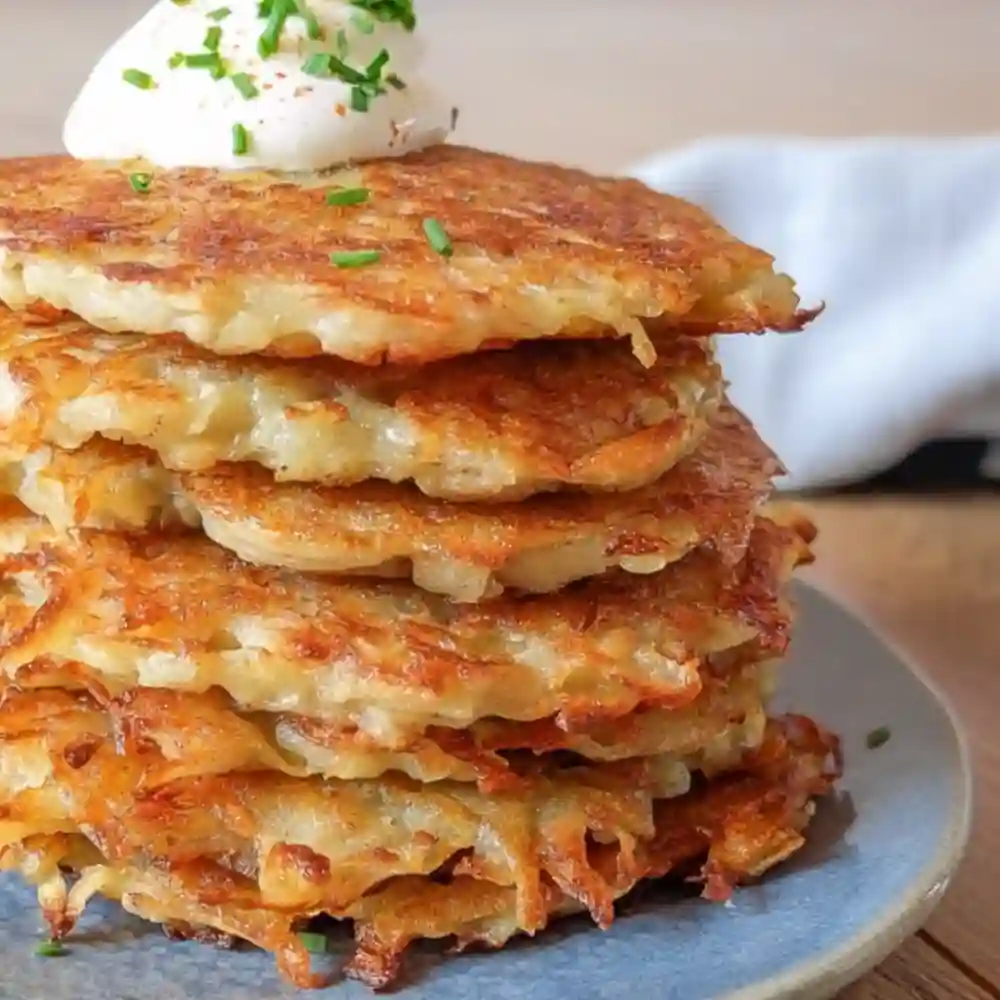
Let them cook for three to four minutes per side, or until golden brown. Use a spatula to flip gently. When done, transfer them to a paper towel-lined plate to soak up any excess oil. Keep them warm in a low oven while you finish the rest.
Repeat until you’ve used all the batter, adding more oil as needed. Serve immediately while they’re still hot and crisp. That’s when the flavor and texture shine the most.

German Potato Pancakes Recipe
Ingredients
Method
- Peel the potatoes and onion. Grate both into a large bowl.
- Squeeze out excess water from the grated potatoes using a clean towel.
- Add the egg, flour, salt, and pepper. Mix until fully combined.
- Heat oil in a pan over medium heat.
- Drop two tablespoons of batter per pancake into the pan. Flatten slightly.
- Cook for 3 to 4 minutes per side until golden brown.
- Drain on paper towels. Serve hot with sweet or savory toppings.
Notes
| Nutrient | Amount |
| Calories | 198 kcal |
| Total Fat | 15 g |
| Saturated Fat | 1 g |
| Polyunsaturated Fat | 13 g |
| Cholesterol | 20 mg |
| Sodium | 30 mg |
| Carbohydrates | 15 g |
| Dietary Fiber | 1 g |
| Sugars | 1 g |
| Protein | 3 g |
Variations of Potato Pancakes You’ll Love
One of the reasons the German Potato Pancakes Recipe remains so popular is how easily it adapts. Every home cook seems to have a personal twist, and some of those tweaks completely change the texture, taste, or even the occasion they’re served at.
Whether you want extra crispiness, a cheesy finish, or you’re working with leftovers, these variations are worth trying. They offer something familiar with just enough of a twist to feel fresh.
Shredded Potato Pancakes for a Crispy Finish
This is the most traditional form of the German Potato Pancakes Recipe. Using raw, coarsely shredded potatoes keeps the texture rustic and lets the edges turn beautifully crisp as they fry.
To keep them from going soggy, be sure to squeeze out the excess water from the potatoes before mixing the batter. The less moisture, the better the crunch. This style is perfect for anyone who loves that golden-brown exterior that cracks slightly with each bite.
You can even experiment with seasoning here. Garlic powder, paprika, or a pinch of cayenne can take the flavor up a notch without overpowering the dish.
Mashed Potato Pancakes and Cheese Variations
If you have leftover mashed potatoes in the fridge, don’t let them go to waste. They’re a perfect base for a softer, creamier take on this recipe. Just fold them into your batter or use them entirely in place of raw potatoes. The texture will be smoother, with a bit less crunch but a rich, comforting bite.
Want to make them more indulgent? Stir in some shredded cheese into the batter. Cheddar, gouda, or even parmesan adds a salty depth and turns these into what some might call potato cheese pancakes. As the pancakes cook, the cheese melts and browns slightly, adding extra flavor and an irresistible finish.
Whether you’re after the crisp of shredded potatoes or the richness of mashed and cheese-covered variations, the German Potato Pancakes Recipe gives you the freedom to play and personalize.
How This German Potato Pancakes Recipe Compares to Other Styles
The German Potato Pancakes Recipe has long shared the spotlight with its international cousins. From Polish and Irish kitchens to variations served in German homes with different names, these potato-based dishes may seem similar at first glance, but the differences are worth noting.
Knowing how this recipe compares helps you understand its place in the wider world of comfort food. It also gives you ideas for your own variations if you’re feeling adventurous.
Polish and Irish Potato Pancakes
Polish potato pancakes, known as placki ziemniaczane, are perhaps the closest to the German style. They are usually made with grated raw potatoes and onions, much like the German version, but they often include extras like garlic or herbs. The texture is usually thinner and crispier all the way through. Some people serve them with meat sauce or sour cream, making them more of a full meal than a side dish.
Irish potato pancakes, or boxty, take things in a different direction. Many Irish recipes combine grated raw potatoes with mashed potatoes in the same batter. This gives them a soft, fluffy inside and a thin, crispy exterior. Some recipes even use buttermilk to lighten the texture. Compared to the German Potato Pancakes Recipe, Irish versions are more rustic and hearty, but less focused on that golden fried crisp.
German Potato Dumplings and Other Close Cousins
German potato dumplings, called Kartoffelklöße, offer another path for potato lovers. Instead of frying, the mixture is shaped into balls and boiled until soft. These dumplings often include breadcrumbs, starch, or even crouton centers. The result is completely different from pancakes but shares the same base ingredients.
Some regions in Germany even bake their potato pancakes or make thicker versions known as potato cakes. These might be served with sausages, gravy, or as part of larger meals. Still, when it comes to crispy comfort, the German Potato Pancakes Recipe holds its own. It delivers that perfect contrast between soft and crunchy, with just enough oil to bring everything together.
Serving Suggestions for Your German Potato Pancakes Recipe
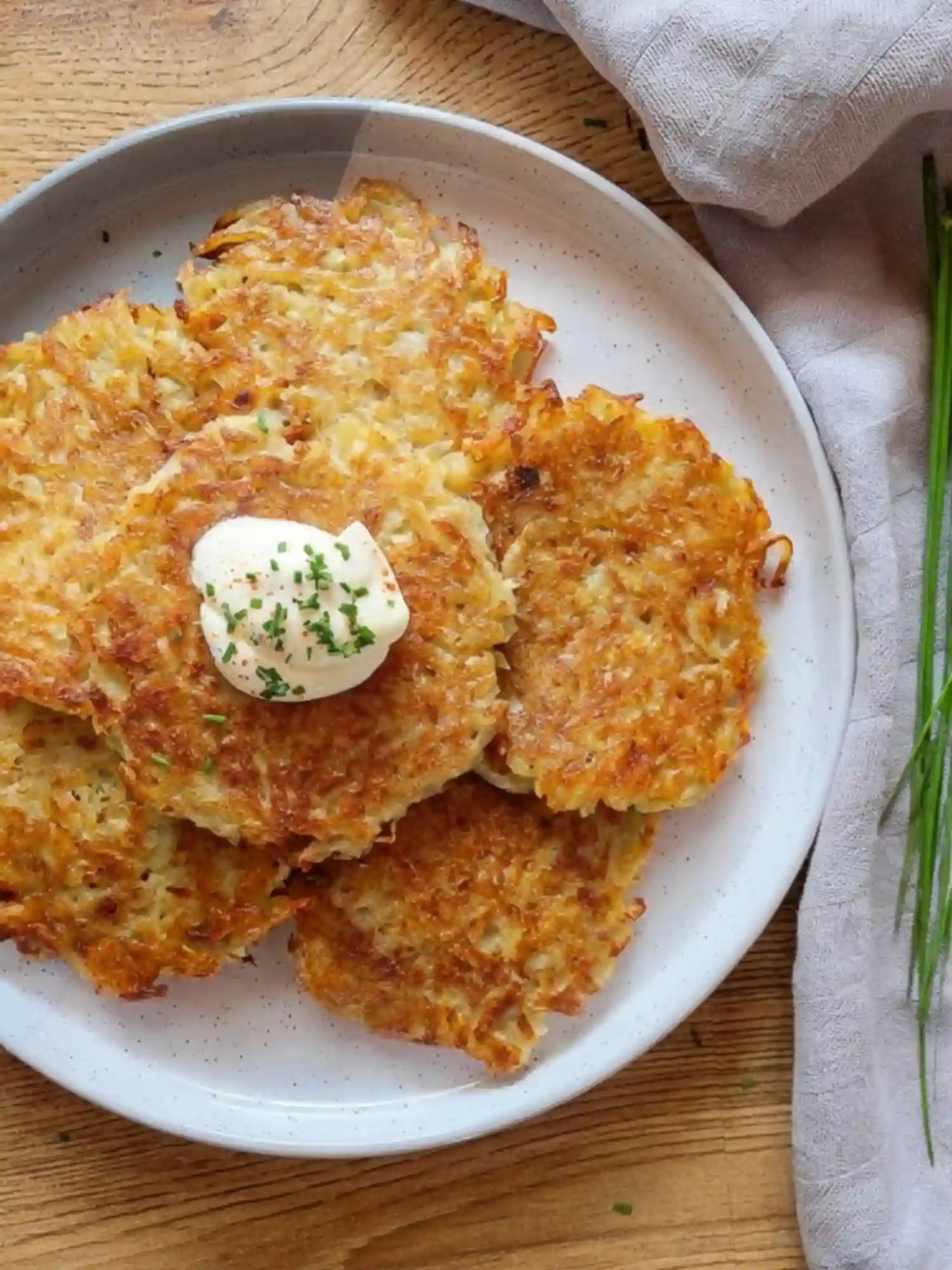
Once your pancakes are fried and golden, the real question becomes how to serve them. The beauty of the German Potato Pancakes Recipe is that it pairs effortlessly with both sweet and savory toppings. Depending on your mood, the season, or what’s already in your fridge, you can completely change the experience with a simple side.
This flexibility is one reason these pancakes have stayed so beloved across generations. A few small touches are all it takes to make them feel like a hearty dinner, a festive treat, or a cozy weekend brunch.
Sweet Toppings That Never Fail
If you’ve never tried potato pancakes with applesauce, start there. It might sound unusual at first, but the balance of sweet and salty is unexpectedly satisfying. The applesauce brings a light, fruity contrast to the warm crispiness of the pancake. This is how they’re often served at German Christmas markets, especially in colder months when the contrast feels just right.
Some people also enjoy a dusting of cinnamon sugar or a spoonful of berry compote. These options lean into the dessert side of things and are especially popular with kids or when served as part of a holiday breakfast.
If you’re thinking of sweet pairings, make sure the pancakes themselves are lightly salted and not overly seasoned. This lets the toppings shine without clashing.
Savory Pairings and Creative Sides
For a more savory direction, reach for sour cream or quark. The creaminess adds depth and smooths out the richness of the fried potato. A dollop of garlic yogurt or herbed cream cheese can also elevate the dish into something special.
If you’re serving these as a main course, consider pairing them with smoked salmon, sautéed mushrooms, or even a fried egg. Some regions even top them with grated cheese while still hot, turning them into something close to cheese-covered potato pancakes.
Whether you lean sweet or savory, the German Potato Pancakes Recipe is a versatile base. It’s the kind of dish that lets you adapt to whatever flavors you’re craving without losing its traditional charm.
Expert Tips for Perfecting Your German Potato Pancakes Recipe
Even with a simple dish like this, small details can make a big difference. The German Potato Pancakes Recipe is forgiving, but if you want that perfect golden crunch and balanced flavor, there are a few tricks worth knowing.
These aren’t just technical tips. They come from trial, error, and years of watching pancakes turn out either beautifully crisp or frustratingly soggy. Consider this your shortcut to getting it right the first time.
Handling Moisture and Starch
Potatoes are full of water, and too much moisture is the enemy of a crispy pancake. After grating your potatoes, give them a good squeeze. Use your hands or wrap them in a clean towel to wring out the excess liquid. This step makes a huge difference in how well they fry.
But don’t throw away all the liquid immediately. Let it sit for a few minutes, and you’ll notice a layer of white starch settling at the bottom. That starch can be stirred back into the batter to help bind everything together, especially if you’re skipping flour or egg for dietary reasons.
Also, try not to let the grated potatoes sit too long before cooking. They can turn grey as they oxidize, which won’t affect the taste much, but it does dull the visual appeal.
Getting the Pan and Temperature Just Right
Heat matters more than people think. If the oil is too cold, the pancakes will soak it up and turn greasy. If it’s too hot, they’ll brown too fast on the outside while staying raw in the middle. Medium heat usually does the trick.
Make sure the oil covers the bottom of the pan fully, and give it time to heat up before adding the batter. Test with a small drop first. It should sizzle gently, not explode.
Don’t rush the flip. Give each pancake at least three to four minutes per side. If it sticks to the pan, it’s probably not ready to turn yet. And finally, place them on paper towels after frying to drain excess oil, or use a wire rack for maximum crisp retention.
These small steps take the German Potato Pancakes Recipe from good to great, especially when you’re cooking for others or trying to recreate a family favorite.
Nutrition Information for German Potato Pancakes
These values are based on one pancake when the recipe yields eight total. Keep in mind that frying method, oil type, and toppings can affect the final numbers.
| Nutrient | Amount per Pancake (approx.) |
| Calories | 198 |
| Total Fat | 15 g |
| Saturated Fat | 1 g |
| Polyunsaturated Fat | 13 g |
| Cholesterol | 20 mg |
| Sodium | 30 mg |
| Carbohydrates | 15 g |
| Dietary Fiber | 1 g |
| Sugars | 1 g |
| Protein | 3 g |
For precise and up-to-date nutritional data, you can consult the official USDA FoodData Central database
Conclusion
There is something incredibly comforting about a dish that asks for so little yet gives so much. The German Potato Pancakes Recipe is exactly that. It takes humble ingredients and transforms them into something familiar, satisfying, and deeply nostalgic.
By now, you’ve seen how versatile this recipe can be. Maybe you’ll keep it traditional with shredded potatoes and applesauce. Maybe you’ll experiment with cheese, herbs, or even mashed potato versions. Either way, you’re not just following a recipe. You’re stepping into a rhythm that has fed families, started conversations, and sparked memories across generations.
Try it once and see how easily it becomes a staple. These pancakes have a way of sneaking onto your weekend menu or becoming that special comfort food you turn to when you need a little warmth on the plate. They’re simple, but never ordinary.
More Cozy Comfort Recipes You’ll Love
- Apple Cider Braised Chicken – Warm, spiced, and the perfect sweet ending.
- Roasted Chicken with Autumn Vegetables – Simple, caramelized, and perfect with any fall meal.
- Chicken and Wild Rice Soup – Hearty and nourishing for chilly evenings.
- Garlic Butter Chicken with Brussels Sprouts – A crispy, savory side dish with a hint of sweetness.
FAQs About the German Potato Pancakes Recipe
Every time someone tries this recipe for the first time, a few questions always seem to come up. Whether you’re wondering about substitutions, serving options, or simple kitchen fixes, these answers should help you feel more confident going in.
1. Can I make this German Potato Pancakes Recipe without a grater?
Yes, you can. If you have a food processor with a shredding attachment, that’s the easiest alternative. If not, you can use a sharp knife to finely slice and chop the potatoes, but it will take more time and the texture may be less consistent. The goal is to mimic coarse shreds for that classic crispy finish.
2. What kind of potatoes work best?
Starchy potatoes are ideal for this recipe. Russets are a popular choice because they crisp up well and don’t hold too much water. Waxy potatoes like red or Yukon gold can work too, but they’ll result in a softer texture.
3. Can I make these in advance?
They’re definitely best fresh, but you can make them ahead and reheat them in the oven. Lay them in a single layer on a baking sheet and reheat at 350 degrees Fahrenheit until warmed through and crispy again. Avoid microwaving it ruins the texture.
4. Is it possible to make these pancakes in the oven instead of frying?
Yes, but you’ll lose some of that signature crispiness. To oven-bake, brush a baking sheet with oil, spoon the batter into small rounds, and bake at 425 degrees Fahrenheit. Flip once halfway through. It works in a pinch but won’t fully match the fried version.
5. What can I use instead of flour or eggs?
If you need to skip flour, try potato starch or cornstarch. For an egg-free version, some people use a tablespoon of applesauce or mashed potato as a binder. You can also try letting the natural starch from the grated potatoes help hold the batter together.