Best Beef Stew Recipe. That’s a bold claim, right? I thought the same the first time I tried to perfect it. But after years of testing, tweaking, and honestly ruining a few batches along the way, I can finally say this one earns the title. If you’re here looking for a beef stew that’s rich, tender, and tastes like a hug in a bowl, you’ve found it.
I still remember the first time I made this best beef stew recipe on a freezing Sunday afternoon. The windows fogged up, the kitchen smelled like garlic and thyme, and that first spoonful felt like pure comfort. Have you ever had that moment where you taste something and just know it’s going to become a family staple? That was this stew for me.
The beauty of this best beef stew recipe is how simple it is. You don’t need fancy cuts of meat or complicated steps. Just a sturdy Dutch oven, some time, and ingredients you probably already have. It’s hearty enough for dinner guests, yet easy enough for a weeknight meal. And if you’re a fan of slow cooker recipes or classic comfort food, I’ll show you how to adapt it perfectly.
Stick around, and I’ll guide you through each step of this best beef stew recipe. By the end, you’ll have a pot of homemade beef stew that fills your kitchen with warmth and makes everyone ask for seconds.
More Hearty Stews & Slow Cooker Favorites
Explore the full collection of comforting, slow-cooked dishes in our [Hearty Stews & Slow Cooker Favorites] cluster.
Watch how to make the best beef stew recipe step-by-step in this quick video tutorial.
Table of Contents
Table of Contents
Ingredients You’ll Need for the Best Beef Stew Recipe
Let’s talk ingredients. Because the truth is, even the best beef stew recipe can fall flat if you don’t start with the right building blocks. This stew is all about layering flavor and texture, and every item plays a role in that.
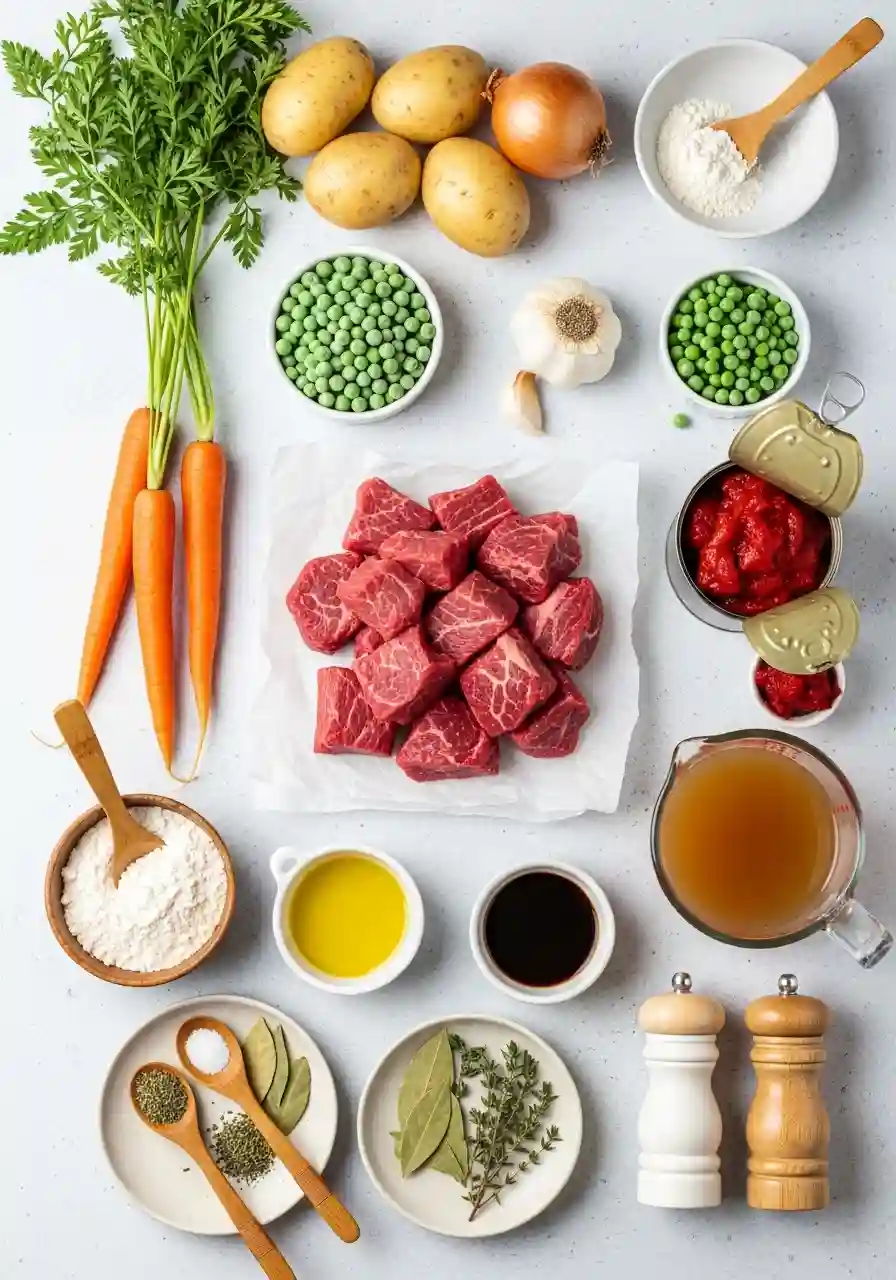
I’ve made this best beef stew recipe with budget cuts and pantry swaps, but when I stick to these basics, the results are consistently rich, tender, and deeply satisfying.
Here’s what you’ll need:
- 2 ½ pounds of stew beef, cut into 1 ½ inch chunks
Look for well-marbled cuts like chuck roast or bottom round. Avoid super lean cuts — fat equals flavor and tenderness here.
For detailed nutritional profiles of various beef cuts, consult the USDA Beef and Veal Nutrition Facts
- 3 ½ to 4 tablespoons of olive oil
You’ll use this in stages — for searing the beef and sautéing the aromatics. - 2 medium yellow onions, sliced
These break down and become sweet and golden. A key part of the flavor base. - 5 cloves of garlic, minced
Fresh is best. Garlic powder doesn’t bring the same depth. - ¼ cup of all-purpose flour
Helps thicken the broth naturally as it simmers. - 1 tablespoon tomato paste
Adds a hit of umami and richness. - 3 cups of beef broth
Use low sodium if you can, so you can control the salt levels later. - 1 (14.5 oz) can of diced tomatoes
The acidity brightens the dish and balances the richness. - 3 tablespoons Worcestershire sauce
This is one of those quiet game-changers. Adds a subtle tang and depth. - 1 teaspoon dried thyme
- ½ teaspoon dried oregano
- 2 bay leaves
The classic stew trio. Don’t skip. - 4 medium carrots, cut into 1-inch pieces
- 1 pound Yukon gold potatoes, diced
These hold up well without getting mushy. - 1 cup frozen peas
Added at the end for color, texture, and a hint of sweetness. - Salt and freshly cracked black pepper, to taste
Can I swap any of these ingredients?
Absolutely. Here are a few ideas if you’re short on something or want to switch it up:
- Use red potatoes if you don’t have Yukon golds
- Try adding mushrooms or parsnips for extra earthiness
- Skip the flour and thicken with a cornstarch slurry later if you prefer gluten-free
- Want more richness? A splash of red wine with the broth works wonders
This might seem like a long list, but the payoff is worth it. With the right prep, this best beef stew recipe becomes the easiest comfort food you’ll ever master.
What’s the best cut of beef for stew?
The best cut of beef for a best beef stew recipe is chuck roast., hands down. It has enough fat to stay juicy during long cooking, and breaks down beautifully. If that’s not available, bottom round or brisket can also work, though they might take slightly longer to become tender. Avoid lean cuts like sirloin or eye of round, they’ll dry out and get chewy.
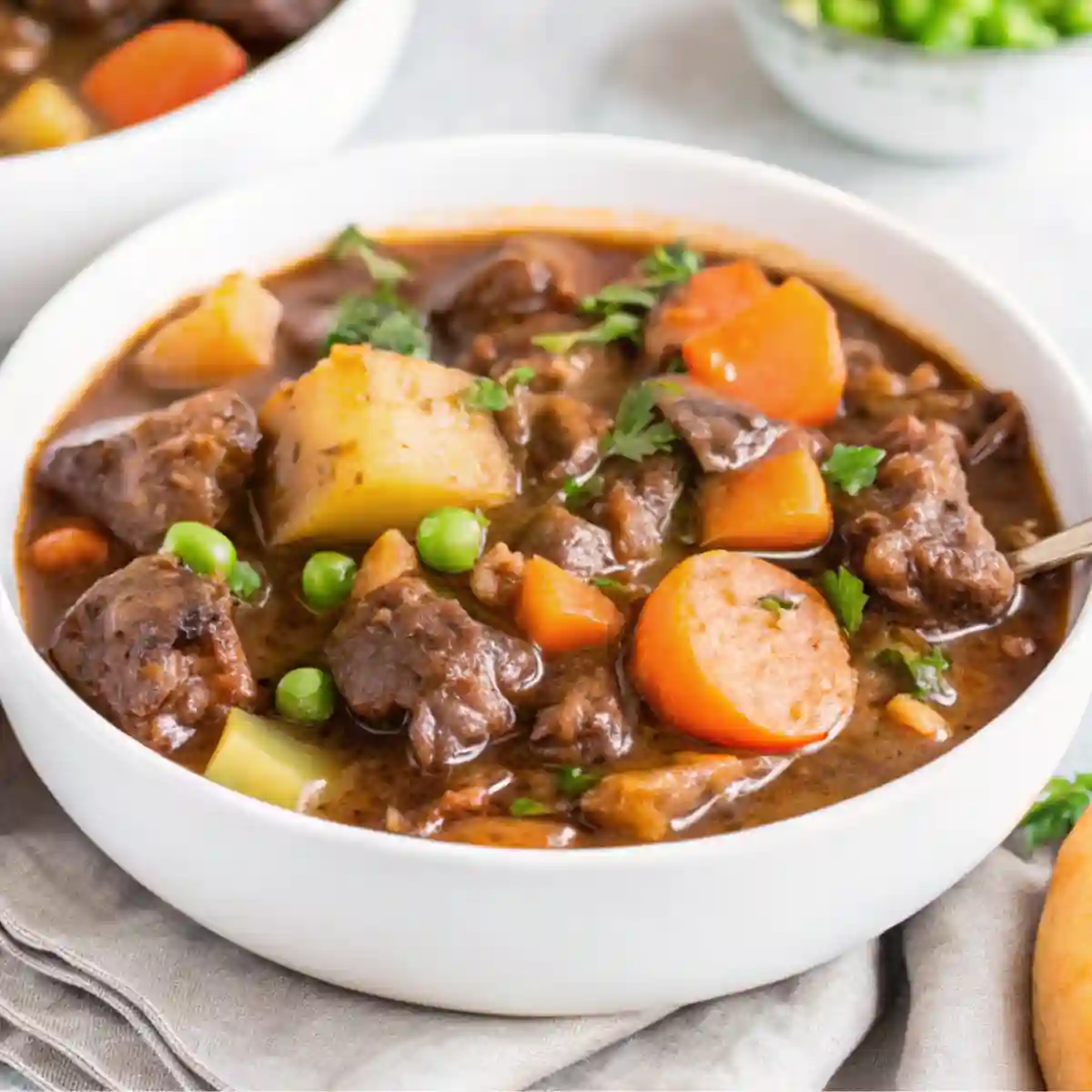

Best Beef Stew Recipe
Ingredients
Method
- Start by patting your beef chunks dry with paper towels. It might seem unnecessary, but trust me, moisture is the enemy of a good sear.
- Season the beef generously with salt and freshly cracked black pepper.
- Heat a Dutch oven over medium-high heat with a tablespoon of olive oil. Working in batches, brown the beef on all sides. Don’t rush this step and don’t overcrowd the pot. You want caramelized edges, not steamed meat.
- Once each batch is browned, transfer it to a plate and set it aside.
- Turn the heat down to medium. Add another splash of olive oil to the same pot.
- Add your sliced onions and let them cook down until soft and golden. Be sure to scrape up those browned bits left behind by the beef. That’s flavor right there.
- Stir in the minced garlic and let it cook for about a minute.
- Then sprinkle the flour over the onions and garlic. Stir it all together until it forms a paste-like texture. This will help thicken your stew later.
- Add the tomato paste and stir until fully mixed.
- Slowly pour in the beef broth while scraping the bottom of the pot to release any remaining fond.
- Now add the diced tomatoes, Worcestershire sauce, your browned beef, thyme, oregano, and bay leaves. Give everything a solid stir and bring it to a low simmer.
- Once simmering, cover the pot and place it in a preheated 350-degree oven.
- Let it cook for one full hour.
- After the first hour, remove the Dutch oven from the oven.
- Add in the chopped carrots and potatoes. Stir them into the stew.
- Cover and return the pot to the oven for another hour.
- By the end of this round, the beef should be fork-tender, and the vegetables will have soaked up all that savory broth.
- Take the pot out of the oven. Remove the bay leaves.
- Stir in the frozen peas and place the lid back on. Let it sit for 10 minutes. The residual heat will warm the peas through without overcooking them.
- Now give it a taste. Adjust the salt and pepper if needed.
- Ladle into bowls and serve hot. Bread on the side is highly recommended.
Notes
- Serving Size: 1 bowl (approx. 1/6 of total recipe)
- Calories: 602 kcal
- Total Fat: 23 g
- Saturated Fat: 7 g
- Trans Fat: 1 g
- Unsaturated Fat: 15 g
- Cholesterol: 187 mg
- Sodium: 747 mg
- Total Carbohydrates: 33 g
- Dietary Fiber: 6 g
- Sugars: 6 g
- Protein: 68 g
How to Make the Best Beef Stew Recipe at Home
Let’s be real for a second. Making the best beef stew recipe takes a bit more care than just tossing things in a pot but that’s exactly why it turns out so good.
Here’s how I make it, step by step. Nothing fancy, just the kind of cooking that makes your kitchen smell like home.
Step 1: Prep and brown the beef
Start by patting your beef chunks dry with paper towels. This simple prep step is what helps build the signature crust in a best beef stew recipe.
Season the beef generously with salt and freshly cracked black pepper.
Heat a Dutch oven over medium-high heat with a tablespoon of olive oil. Working in batches, brown the beef on all sides. Don’t rush this step and don’t overcrowd the pot. You want caramelized edges, not steamed meat.
Once each batch is browned, transfer it to a plate and set it aside.
Step 2: Sauté the aromatics
Turn the heat down to medium. Add another splash of olive oil to the same pot.
Add your sliced onions and let them cook down until soft and golden. Be sure to scrape up those browned bits left behind by the beef. That’s flavor right there.
Stir in the minced garlic and let it cook for about a minute.
Then sprinkle the flour over the onions and garlic. Stir it all together until it forms a paste-like texture. This will help thicken your stew later.
This base is what gives a classic best beef stew recipe its deep, layered flavor.
Step 3: Build the base
Now add the diced tomatoes, Worcestershire sauce, your browned beef, thyme, oregano, and bay leaves. This combination creates the signature depth that defines the best beef stew recipe.
Slowly pour in the beef broth while scraping the bottom of the pot to release any remaining fond.
Now add the diced tomatoes, Worcestershire sauce, your browned beef, thyme, oregano, and bay leaves. Give everything a solid stir and bring it to a low simmer.
Once simmering, cover the pot and place it in a preheated 350-degree oven.
Let it cook for one full hour.
Step 4: Add the vegetables
After the first hour, remove the Dutch oven from the oven.
Add in the chopped carrots and potatoes. Stir them into the stew.
Cover and return the pot to the oven for another hour.
By the end of this round, the beef should be fork-tender, and the vegetables will have soaked up all that savory broth.
By now, your kitchen smells like the best beef stew recipe in progress rich, hearty, and comforting.
Step 5: Final touches
Take the pot out of the oven. Remove the bay leaves.
Stir in the frozen peas and place the lid back on. Let it sit for 10 minutes. The residual heat will warm the peas through without overcooking them.
Now give it a taste. Adjust the salt and pepper if needed.
Ladle into bowls and serve hot. You’ll instantly taste why this qualifies as the best beef stew recipe to keep in your rotation.
What if I want to make it ahead of time?
You absolutely can. In fact, this stew tastes even better the next day. Store it in the fridge overnight, then reheat slowly on the stove. Add a splash of broth if it thickens too much.
Slow Cooker Method for the Best Beef Stew Recipe
Not everyone has a Dutch oven, and some days you just want to set it and forget it. That’s when the slow cooker shines and yes, this best beef stew recipe adapts beautifully.
This crockpot version keeps all the richness and comfort of the original, with a little less hands-on work. It’s ideal for busy weekdays or when you want the house to smell amazing all day.
Here’s how to adapt the recipe for a slow cooker.
Step 1: Sear the beef (don’t skip this)
Even when using a slow cooker, this best beef stew recipe benefits from a good sear upfront. It adds depth you simply can’t skip.
Sear the beef in batches until browned on all sides. Then transfer it directly into your slow cooker.
If you’re really short on time, yes, you can skip this. But for the best flavor, sear first.
Step 2: Sauté aromatics
In the same skillet, add a little more olive oil and cook your onions until softened. Then stir in the garlic, followed by the tomato paste and flour. Let everything cook for another minute.
This step gives the slow cooker version of the best beef stew recipe the same richness as the Dutch oven method.
Transfer the entire mixture into the slow cooker with the beef.
Step 3: Load it up
Once everything’s in the pot, this slow cooked best beef stew recipe just needs time no stirring, no fuss, just flavor.
Then toss in your chopped carrots and potatoes.
Set the slow cooker to:
- Low for 8 to 9 hours
- High for 4 to 5 hours
You’re looking for fork-tender beef and vegetables, and a thick, flavorful broth.
Step 4: Finish with the peas
Stir gently, let the peas warm through, and you’ve got yourself a slow-cooked version of the best beef stew recipe that’s just as hearty as the original.
Taste and adjust the seasoning if needed. Then serve it up hot.
This version is just as hearty and satisfying as the stovetop method, with the added bonus of hands-off cooking. It’s a great option for stew beef recipes for dinner on nights when your oven’s busy or you just don’t want to babysit the pot.
Can I use frozen beef in the crockpot?
It’s best to thaw your beef first. Cooking frozen meat directly in a slow cooker can keep it in the “danger zone” temperature range for too long, which isn’t food-safe. For quality and safety, always defrost before starting.
Tips and Variations for Hearty Beef Stew
Once you’ve got the foundation down, this is where things get fun. Making the best beef stew recipe isn’t just about following instructions. It’s about adapting, adjusting, and adding little tricks that turn a good dish into a great one. These are the kinds of tips I wish someone had given me early on.
Pick the right cut of meat
If you’ve got stew meat in the fridge and you’re wondering what to make with it, the answer is simple. Start with a well-marbled cut like chuck roast. It breaks down beautifully during long cooking and stays tender without falling apart.
Other good choices are bottom round or brisket, though they may take a bit longer to soften. Try to avoid leaner cuts like sirloin. They’re better for quick searing than for a slow simmer, and they can turn dry or chewy.
Sear first, always
I used to think this was optional. It’s not. Searing adds deep flavor you just can’t get from boiling alone. Those brown bits that stick to the pot? That’s where the richness begins. It’s one extra step, yes, but it pays off in every bite.
How to thicken it if needed
Sometimes the broth ends up thinner than expected, especially if your lid doesn’t seal tightly. No big deal. Here are a few easy ways to fix it:
- Let it simmer uncovered for 10 to 15 minutes before serving
- Use a fork to mash a few chunks of potato right into the broth
- Make a quick cornstarch slurry with one tablespoon cornstarch and two tablespoons cold water, then stir it in and cook a few more minutes
If you want an extra silky texture, some cooks dissolve a bit of unflavored gelatin in warm water and add that instead. It’s a neat trick when you’re going for restaurant-level mouthfeel.
Want more vegetables?
You absolutely can add more. Mushrooms, parsnips, celery, and even turnips all work well. Just keep an eye on their cook times. Root veggies can go in early, but delicate ones like spinach or zucchini should wait until the end.
Frozen peas are a classic. But if you don’t have them, corn or chopped green beans slide in nicely without changing the flavor profile too much.
Boost the flavor even further
Here are a few extras I sometimes add when I want to elevate the dish:
- A splash of red wine when adding the broth
- A teaspoon of balsamic vinegar stirred in right before serving
- A Parmesan rind simmered in the pot for added depth (just remove it before serving)
- A pinch of smoked paprika for a subtle kick
These are optional, but if you’re feeling adventurous or cooking for guests, they’ll definitely get noticed.
What if I don’t own a Dutch oven?
That’s not a deal breaker. Any heavy pot with a lid that’s oven-safe will work. And if you’d rather keep it on the counter, scroll back to the crockpot method. This recipe is flexible enough to follow you into whatever kitchen setup you’ve got.
What to Serve With This Classic Beef Stew
After putting care into the best beef stew recipe, it only makes sense to pair it with sides that match its richness and warmth. The right companion can turn a bowl of stew into a full, satisfying meal.
Bread for dipping
Nothing beats a thick slice of crusty bread next to a bowl of the best beef stew recipe. Whether it’s a rustic sourdough, a baguette, or a warm dinner roll, bread is perfect for catching every last bit of broth.
If you have leftover bread, toast it with a little olive oil and garlic. It’s simple but makes the experience even better.
Mashed potatoes underneath
This might sound like comfort food overkill, but trust me, spooning the best beef stew recipe over a bed of creamy mashed potatoes is next-level satisfying. The potatoes soak up the broth and add another layer of comfort.
Rice or egg noodles
If you want to stretch the best beef stew recipe a little further, serve it over cooked rice or wide egg noodles. It makes the meal even heartier, especially when you’re feeding a crowd or planning for leftovers.
Something fresh on the side
A crisp green salad or roasted vegetables help balance out the richness of the stew. A simple salad with lemon vinaigrette adds freshness without competing with the flavors of the best beef stew recipe.
Roasted Brussels sprouts, green beans, or even cauliflower all make great sides. Just keep the seasoning simple.
Can I freeze stew with the sides?
Absolutely. The best beef stew recipe is filling enough on its own, but adding a thoughtful side makes it feel complete. Bread and greens are usually all you need.
Looking for another bold and savory meat dish?
Try this [Pink Salt Grilled Steak] — tender, juicy, and infused with mineral-rich flavor from Himalayan salt.
Storage and Reheating Instructions
One of the best parts about cooking the best beef stew recipe is knowing you’ll have leftovers. Whether you’re planning ahead or just cooked too much on purpose, this stew keeps beautifully and comes back to life with a gentle reheat.
How to refrigerate leftovers
After enjoying the best beef stew recipe for dinner, let the rest cool to room temperature. Then transfer it into airtight containers. It’ll keep well in the fridge for up to four days and actually gets better after sitting overnight.
Freezing for later
Beef stew freezes like a dream. Just make sure you let it cool completely first. Then ladle it into freezer-safe containers or heavy-duty freezer bags. Leave a little room at the top if you’re using a container, since the liquid will expand as it freezes.
Label it with the date, and you’re good to go. It’ll keep in the freezer for up to three months. When you’re ready to use it, thaw it overnight in the fridge or run the container under warm water until it loosens.
Reheating tips.
Reheat the best beef stew recipe low and slow on the stovetop. Use a small pot over medium heat, stir occasionally, and add a splash of broth if the texture feels too thick. If you’re using a microwave, cover it loosely and reheat in short intervals, stirring between each.
Avoid high heat it can dry out the meat or turn the vegetables to mush. Gentle heat keeps everything tender and flavorful.
Can I freeze beef stew with potatoes and carrots?
Yes, but with a small caveat. Potatoes can change texture slightly after freezing. Yukon golds hold up better than russets, which tend to break down. If you’re planning to freeze most of the batch, try not to overcook the vegetables during the initial simmer so they stay intact when reheated.
Final Thoughts on the Best Beef Stew Recipe
If you’ve made it this far, chances are you’re either already simmering a pot of stew or about to get started. Either way, I hope this recipe becomes more than just dinner. Maybe it turns into one of those meals you come back to when the weather turns cold, when you want to feed people well, or when life just calls for something deeply comforting.
The beauty of this beef stew isn’t just in how it tastes. It’s in the rhythm of making it. The way browning beef perfumes the kitchen. The quiet hour it spends in the oven while you get on with your day. The satisfaction of ladling it into bowls and watching everyone around the table sink into that first bite.
Whether you followed the Dutch oven method, went with the crockpot version, or adapted it with your own twists, you’ve just made a classic. And not just any classic, but what I genuinely believe is one of the best beef stew recipes out there.
If you try it, I’d love to hear how it turned out. Did you add mushrooms? Skip the peas? Serve it over mashed potatoes? Leave a comment, bookmark it for next time, or share it with someone who could use a cozy meal.
Whatever you do next, enjoy it. You’ve earned it.
More Recipes You’ll Love
If you enjoy hearty, slow-cooked meals, don’t miss these comforting classics:
- [Mississippi Pot Roast] – Tender, juicy, and loaded with bold Southern flavor.
- [Slow Cooker Venison Stew ] – A wild twist on slow-cooked tradition.
- [Beef Roast Crockpot Recipes] – A roundup of easy, satisfying crockpot roasts.
Craving more cozy, satisfying dishes? Don’t miss our [Best Comfort Food Recipes] — the ultimate collection of warm, hearty favorites.
FAQs
Even with a solid recipe in front of you, it’s normal to have a few questions pop up. Here are the ones I get asked most often, especially from first-time stew makers or anyone trying to tweak the process to fit their schedule or ingredients.
1. What is the best cut of beef for stew?
Chuck roast is the gold standard for beef stew. It has the right balance of fat and connective tissue to stay tender after long cooking. Bottom round or brisket are decent backups. Leaner cuts like sirloin may be easier to find but don’t break down well in a stew. You’ll likely end up with dry or chewy pieces if you use them.
2. Can I make this beef stew in advance?
Yes, and honestly, I recommend it. Like chili or pasta sauce, stew often tastes even better the next day. You can make it a full day ahead, store it in the fridge, and gently reheat it before serving. Just hold off on adding peas or delicate vegetables until the day you plan to eat it.
3. How do I make this recipe gluten-free?
You can skip the flour entirely or swap it with a gluten-free alternative like cornstarch, arrowroot powder, or a gluten-free flour blend. For thickening, a cornstarch slurry added near the end of cooking works really well and keeps the texture silky.
4. can I do if my stew tastes bland?
Sometimes all it needs is a pinch of salt or a splash of acid. A squeeze of lemon, a dash of Worcestershire sauce, or even a splash of vinegar can brighten up a stew that feels flat. Also check if you’ve used low-sodium broth, which might require a bit more seasoning to bring everything together.
5. Can I use frozen vegetables in this recipe?
Yes, with some adjustments. Frozen peas are ideal and hold up well when stirred in at the end. For other frozen vegetables like corn, green beans, or carrots, add them during the last 30 minutes of cooking so they don’t go mushy.