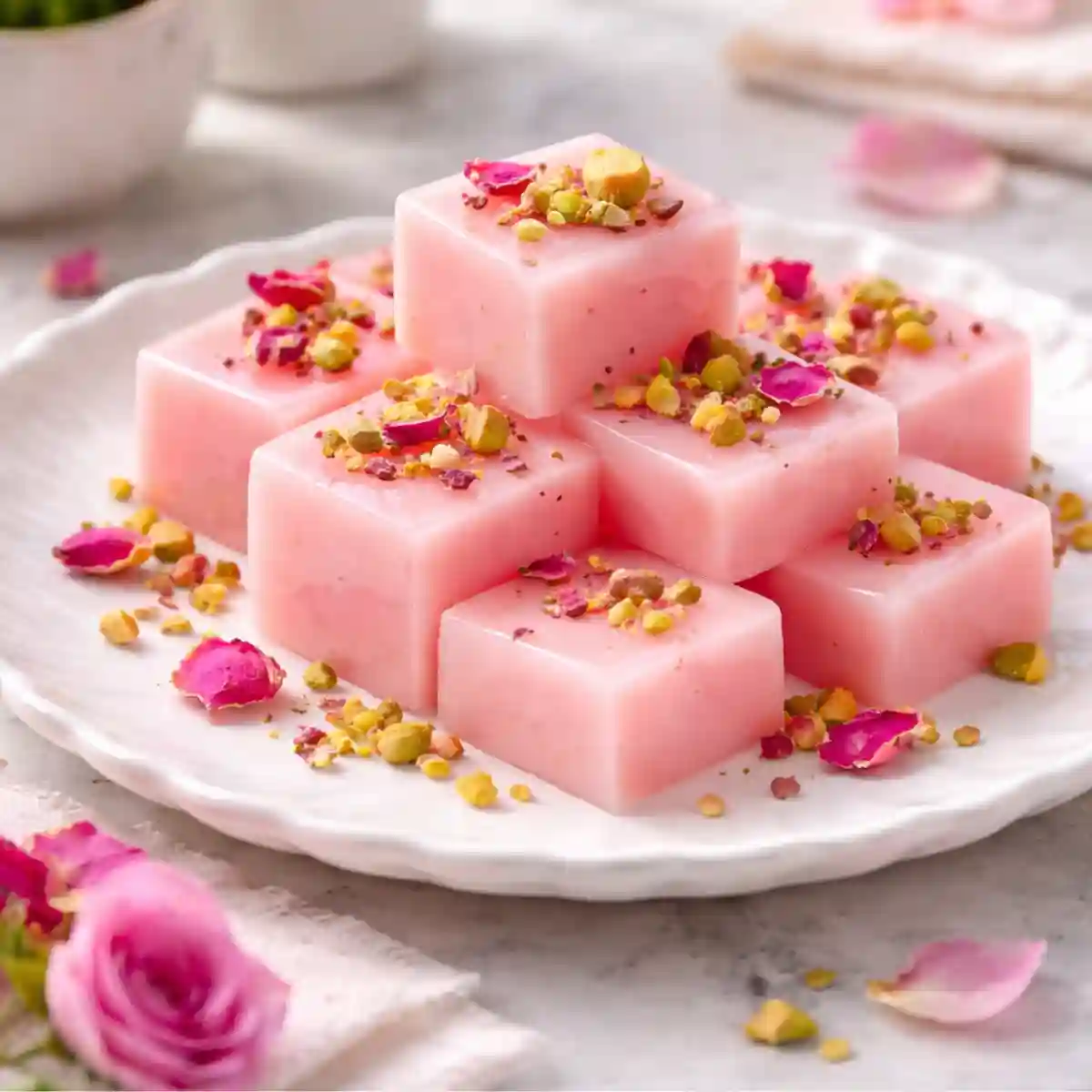
Rose milk gelatin recipe est un dessert simple mais élégant, préparé avec du lait, de la gélatine et du sirop de rose. Au premier abord, la recette peut sembler très basique, mais lorsqu’on la prépare, le parfum floral du rose transforme rapidement la cuisine et crée un dessert léger, crémeux et rafraîchissant.
Avec mon expérience en cuisine, j’ai souvent remarqué que les gens sont surpris par ce dessert. Ils pensent qu’il est compliqué ou qu’il demande beaucoup d’ingrédients, alors qu’en réalité il suffit de quelques étapes simples et d’un bon contrôle de la température pour obtenir une texture douce et parfaitement prise.
Dans ce guide, vous allez apprendre comment réussir cette rose milk gelatin recipe, choisir les bons ingrédients et obtenir une texture lisse qui se coupe facilement et se sert comme un dessert élégant.
Table of Contents
Table of Contents
Rose Milk Gelatin Recipe Ingredients and Kitchen Essentials
When preparing a rose milk gelatin recipe, the ingredients are surprisingly simple. In fact, many people already have most of them in their kitchen. But here is something I often tell readers when they ask me about gelatin desserts.
“Is it really just milk, gelatin, and rose syrup?”
Yes. But the quality and balance of those ingredients matter more than people expect. A small adjustment in sweetness or gelatin ratio can completely change the texture. Too little gelatin and the dessert collapses when sliced. Too much and it becomes rubbery instead of creamy.
So before we start cooking, let’s look carefully at the ingredients that create the best rose milk gelatin recipe.
Core Ingredients for an Easy Rose Milk Gelatin Recipe
To make this dessert smooth, floral, and lightly sweet, you only need a few essentials.
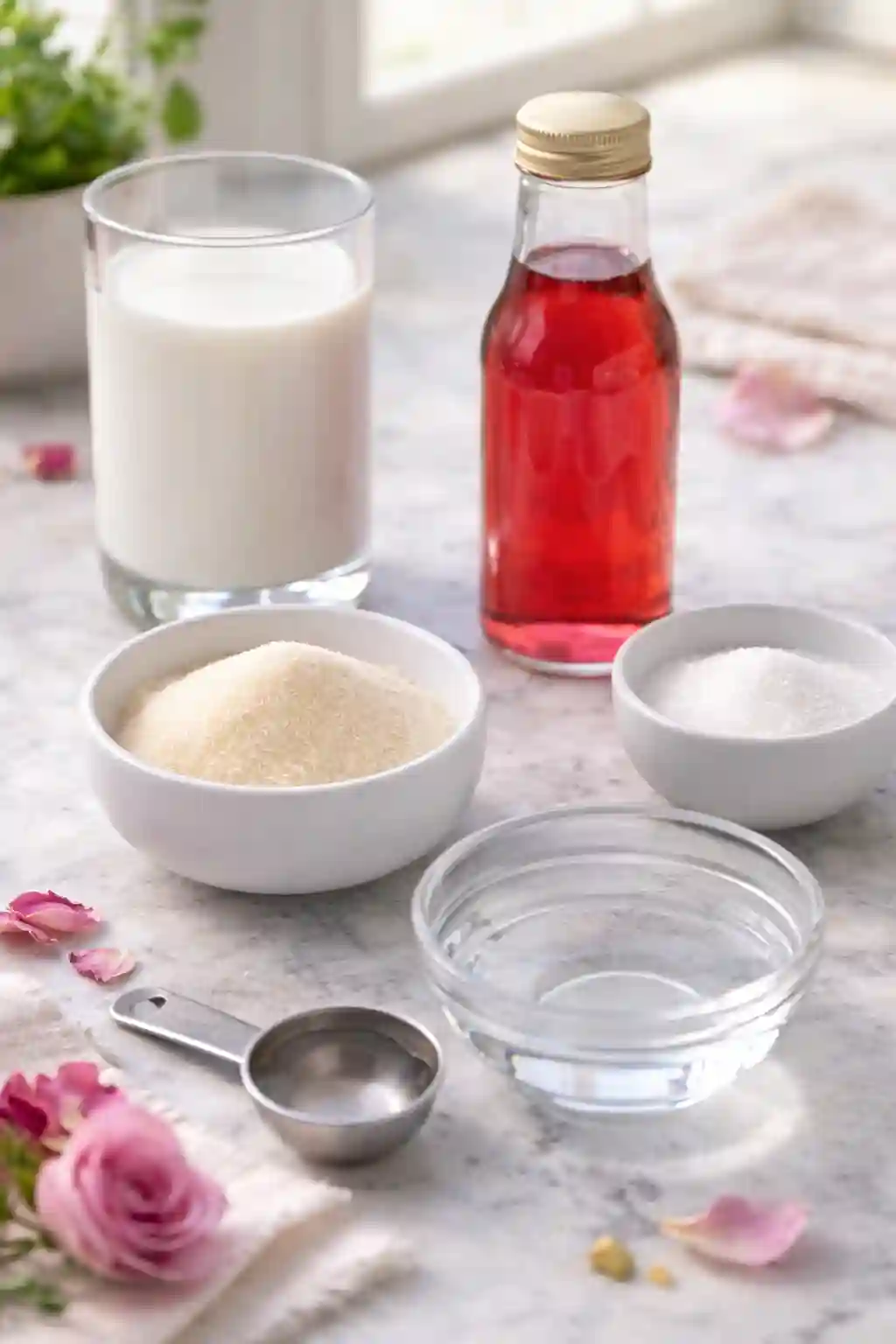
- Whole milk – 2 cups
This creates the creamy base of the dessert. Whole milk gives the best texture, though other milk options can work too. - Rose syrup – 3 to 4 tablespoons
This ingredient provides both the flavor and the soft pink color. The amount can vary depending on the strength of the syrup. - Unflavored gelatin – 2½ teaspoons (about 1 packet)
Gelatin gives the dessert its structure. Once dissolved and chilled, it transforms the liquid into a delicate, sliceable jelly. - Cold water – 3 tablespoons
This is used to bloom the gelatin before mixing it into the warm milk. - Sugar – 1 to 2 tablespoons (optional)
Many rose syrups are already sweet. Taste the mixture before adding extra sugar.
These ingredients form the base of a classic rose jelly recipe with milk, creating a dessert that is creamy but still light enough to serve after a heavy meal.
Rose Syrup vs Rose Water for Rose Jelly
One question readers often ask is this.
“Can I make this with rose water instead of rose syrup?”
The answer is yes, but you will need to adjust sweetness and color.
- Rose syrup gives sweetness, flavor, and a natural pink color.
- Rose water provides fragrance but no sweetness or color.
If you use rose water for a rose water jelly recipe, you may need to add sugar and a small amount of natural coloring such as beet juice or food coloring.
Kitchen Tools That Help the Recipe Work
Another good piece of news is that this dessert does not require special equipment.
You only need:
- A small saucepan
- A whisk
- Measuring spoons
- A bowl for blooming gelatin
- Silicone molds or a glass dish
- Refrigerator space
The key tool is actually not a gadget. It is temperature control. The milk should be warm enough to dissolve gelatin but never boiling. Gentle heat keeps the structure smooth and prevents grainy texture.
Quick Ingredient Tip From Experience
Over time I noticed something interesting when people make gelatin desserts for the first time. They often rush the blooming stage. Gelatin needs a few minutes to absorb water properly before it meets the warm milk.
When you allow that step to happen naturally, the entire rose milk gelatin recipe becomes smoother and sets perfectly in the refrigerator.
What ingredients make rose milk gelatin recipe work?
A rose milk gelatin recipe works because gelatin creates a network that traps liquid milk inside a soft structure. When chilled, this structure forms the delicate wobble that makes gelatin desserts smooth, sliceable, and refreshing.
Now that we have the ingredients ready, the next step is learning the small technique that makes the dessert set perfectly every time.
How to Make Rose Milk Gelatin Recipe Step by Step
Once the ingredients are ready, preparing the rose milk gelatin recipe becomes a calm and almost relaxing process. I often tell people that gelatin desserts reward patience more than cooking skill. Nothing complicated is happening in the pot. The real secret is simply controlling heat and allowing the ingredients to combine gently.
The first time I showed this recipe to a friend, he watched the saucepan and asked, “That’s it? That’s the whole process?” And honestly, yes. When you respect a few small steps, the mixture transforms into a soft pink dessert that sets beautifully in the refrigerator.
Bloom the Gelatin Properly
Start with the gelatin because it builds the structure of the dessert.
Pour 3 tablespoons of cold water into a small bowl. Sprinkle the unflavored gelatin evenly over the surface of the water. Do not pour it in one pile. Instead, scatter it gently so every grain can absorb moisture.
Let the gelatin sit for 5 to 7 minutes.
During this time the powder swells and softens. This process is called blooming. If the gelatin is added directly to hot milk without blooming, small clumps can form and the final texture of the easy rose milk gelatin recipe may become uneven.
While the gelatin blooms, you can begin warming the milk.
Warm the Milk Gently
Pour 2 cups of whole milk into a small saucepan and place it over low to medium heat. Stir occasionally to prevent a skin from forming on the surface.
The milk should warm slowly until you see light steam rising and tiny bubbles forming near the edges of the pan. This is the moment when the temperature is perfect.
Avoid boiling the milk. High heat can weaken gelatin and prevent the dessert from setting properly.
Once the milk reaches this stage, turn off the heat.
Dissolve the Gelatin Smoothly
Add the bloomed gelatin directly into the warm milk. Begin whisking immediately.
Within a few seconds the gelatin will melt into the milk. Continue stirring until the mixture looks completely smooth and clear. No grains or small particles should remain.
This step ensures that the best rose milk gelatin recipe develops a consistent texture when chilled.
Add the Rose Flavor
Now it is time for the signature flavor.
Pour 3 to 4 tablespoons of rose syrup into the milk mixture. Stir slowly while watching the color transform into a soft pink shade. Taste the mixture at this stage.
If the syrup is already sweet enough, you may not need additional sugar. If you prefer a sweeter dessert, add 1 to 2 tablespoons of sugar and whisk until it dissolves completely.
The aroma of rose will begin to appear immediately, giving the mixture its delicate floral character.
Strain and Pour the Mixture
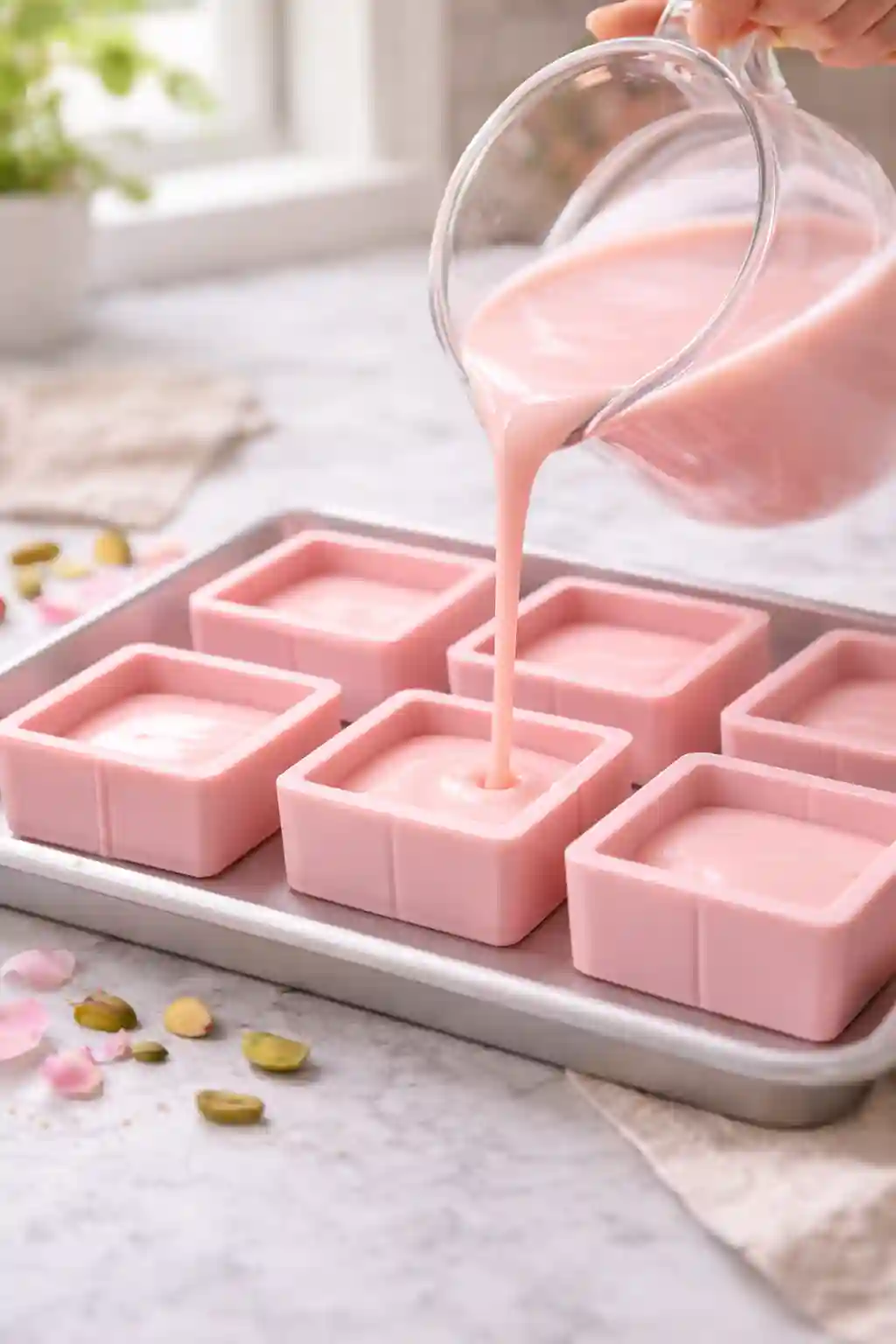
For the smoothest result, pour the liquid through a fine strainer into a measuring jug or bowl. This step removes bubbles and ensures a silky surface once the gelatin sets.
Carefully pour the mixture into silicone molds, dessert cups, or a glass dish.
Try to pour slowly so the surface stays clean and smooth. This helps the final rose jelly recipe look elegant when unmolded or sliced.
Chill Until Fully Set
Place the filled molds in the refrigerator and allow the dessert to chill for at least 4 hours. For the cleanest slices and the most stable texture, overnight chilling works even better.
As the mixture cools, the gelatin forms a delicate network that traps the milk and rose flavor inside a soft structure. This transformation is what gives the rose milk gelatin recipe its gentle wobble and creamy consistency.
Once fully chilled, the dessert will be ready to unmold, slice, and serve.
How to Get the Perfect Texture for Rose Milk Gelatin
A great rose milk gelatin recipe is not only about flavor. Texture plays an equally important role. When done correctly, the dessert should feel soft, creamy, and slightly wobbly while still holding its shape when sliced. Achieving that balance depends mostly on three small details. The gelatin ratio, the temperature of the milk, and the chilling time.
I learned this the hard way years ago while testing gelatin desserts in my kitchen. One batch turned out too soft and collapsed when I tried to unmold it. Another batch became so firm it felt closer to candy than a delicate dessert. That experience taught me that gelatin recipes reward precision and patience.
If you follow the right steps, your best rose milk gelatin recipe will set with a smooth, custard like consistency that melts gently on the spoon.
Control the Gelatin Ratio
The structure of any rose jelly recipe depends on the amount of gelatin used. The balance must be precise.
For this recipe the ideal ratio is:
- 2 cups milk
- 2½ teaspoons gelatin
This proportion creates a dessert that slices cleanly while remaining soft.
If you reduce the gelatin, the dessert may become too delicate and break apart when served. If you increase it, the gelatin network becomes too tight and the texture turns rubbery.
If you want a slightly softer result similar to a rose milk pudding recipe, you can reduce the gelatin by about ¼ teaspoon. This creates a creamier mouthfeel while still allowing the dessert to set.
Avoid Overheating the Milk
Temperature control is one of the most important parts of this easy rose milk gelatin recipe. Gelatin dissolves best in warm liquid, but high heat can damage its setting ability.
Milk should only be warmed until light steam appears. Small bubbles forming near the edges of the saucepan usually indicate the correct temperature.
If the milk begins to boil, remove it from the heat immediately and allow it to cool slightly before adding the gelatin. Gentle heat protects the gelatin structure and helps the dessert set evenly.
Give the Dessert Enough Chilling Time
Many people check their gelatin too early. After two hours it may look firm, but the center often remains slightly soft.
For the most reliable result:
- Minimum chilling time: 4 hours
- Ideal chilling time: overnight
Allowing the dessert to rest longer strengthens the internal structure and improves the flavor. The rose aroma also becomes slightly more pronounced as the mixture fully sets.
Small Tricks That Improve Texture
Over time I noticed that a few small habits consistently produce smoother gelatin desserts.
- Strain the mixture before pouring it into molds
- Pour slowly to avoid bubbles on the surface
- Place molds on a flat tray before moving them into the refrigerator
- Avoid moving the molds during the first hour of chilling
These tiny details help the rose milk gelatin recipe set with a glossy surface and a delicate wobble that looks beautiful on the plate.
Now that the texture is under control, the fun part begins. Once you master the base recipe, you can easily transform it into different desserts with new flavors, layers, or creative additions.
Rose Jelly Variations and Creative Flavor Ideas
Once you become comfortable with the base rose milk gelatin recipe, it opens the door to many creative variations. The structure of gelatin desserts is very flexible, which means a small change in ingredients or presentation can create a completely new dessert experience.
I often tell readers that this recipe is like a blank canvas. The creamy rose base works beautifully with nuts, fruits, and even layered textures. After you master the basic rose jelly recipe, experimenting with flavors becomes both easy and enjoyable.
Sometimes the most interesting desserts appear when you make small adjustments. A different milk choice, a hint of rose water, or a decorative topping can transform a simple chilled dessert into something that feels restaurant worthy.
Rose Water Jelly Recipe Variation
Some cooks prefer using rose water instead of rose syrup. This creates a lighter floral taste and a more delicate sweetness.
To make a rose water jelly recipe, replace the rose syrup with:
- 1 to 1½ teaspoons rose water
- 2 to 3 tablespoons sugar
- A small drop of natural pink coloring if desired
Because rose water contains no sugar, the sweetness must be adjusted manually. The result is often more aromatic and less sweet than syrup based versions.
This variation works especially well for people who prefer subtle floral desserts instead of strong sweetness.
Rose Jelly Candy Style
If you increase the gelatin slightly, the same mixture can transform into rose jelly candy. The texture becomes firmer and easier to cut into small cubes.
To achieve this effect:
- Increase gelatin to about 3 teaspoons
- Pour the mixture into a shallow dish
- Chill overnight
- Cut into small cubes once set
These cubes can be rolled lightly in powdered sugar or coconut flakes for a decorative finish. They are often served as bite sized sweets alongside tea or light desserts.
Layered Rose Milk Dessert
Another beautiful option is creating layers. A layered dessert adds visual contrast and makes the best rose milk gelatin recipe look more elegant on the plate.
A simple method is:
- Pour half the mixture into molds.
- Chill for about 30 minutes until slightly set.
- Pour the remaining mixture slowly on top.
You can also combine the rose layer with a plain milk gelatin layer for a two tone effect.
Nut and Fruit Additions
The floral flavor of rose pairs very well with a few natural toppings.
Popular additions include:
- Chopped pistachios
- Dried rose petals
- Fresh strawberries
- Lychee slices
These ingredients bring texture and color to the dessert while keeping the delicate flavor balanced.
One small tip from experience. Avoid adding raw pineapple or kiwi directly into gelatin desserts. These fruits contain enzymes that prevent gelatin from setting properly.
With these variations, the rose milk gelatin recipe can easily evolve from a simple homemade treat into a dessert that looks refined enough for special occasions.
How to Serve Rose Milk Gelatin Beautifully
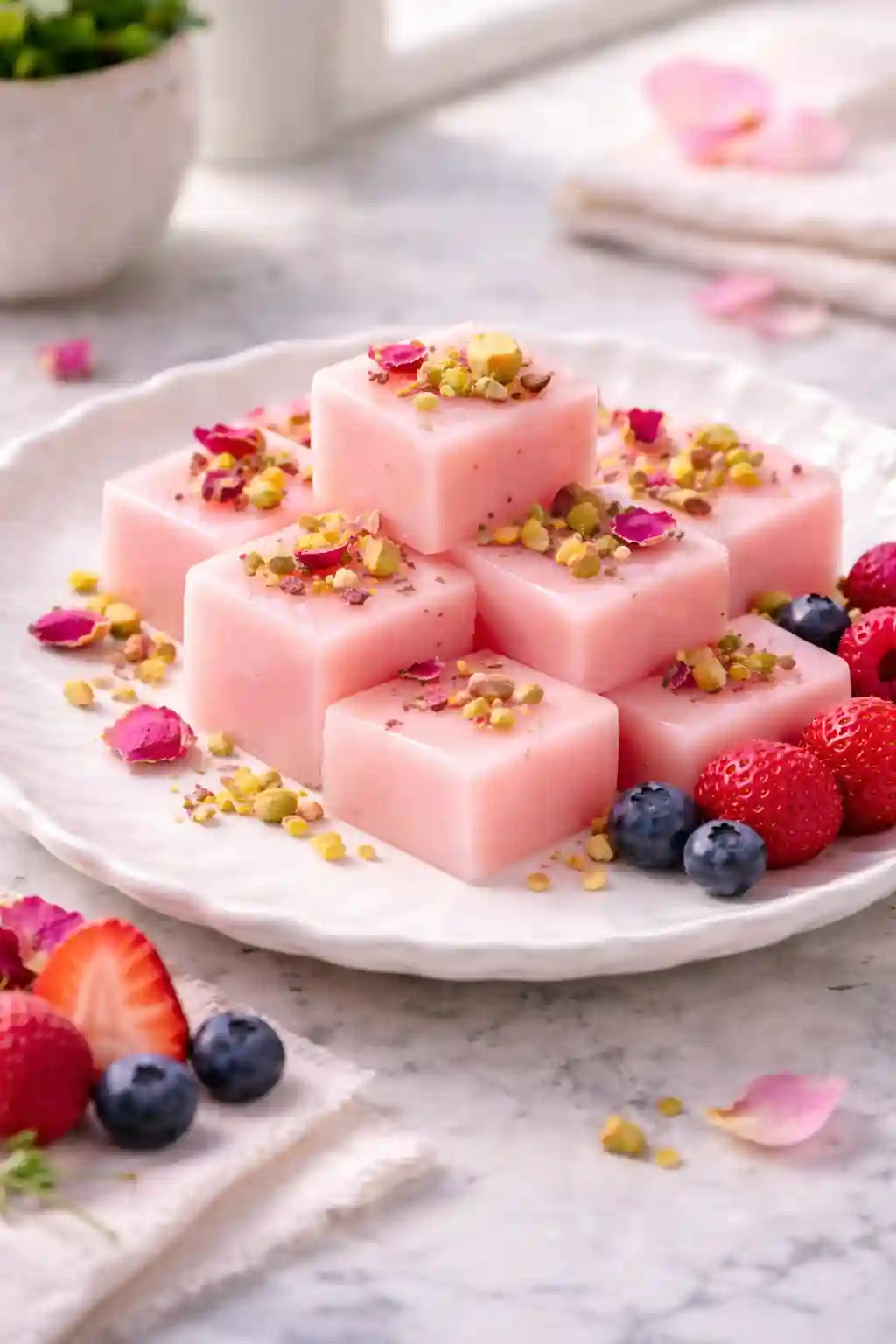
Serving a rose milk gelatin recipe is almost as enjoyable as preparing it. The dessert already has a naturally elegant appearance thanks to its soft pink color and smooth texture. With a few simple presentation ideas, you can transform this light dessert into something that looks refined enough for a dinner party or special gathering.
I often notice that people underestimate how much presentation influences the experience of a dessert. The first time I served this dish to guests, one of them paused before tasting it and said, “This looks like something from a café.” In reality, the recipe had taken only a few minutes to prepare. A careful unmolding and a few toppings were enough to make it look impressive.
The beauty of the best rose milk gelatin recipe is that it does not need complicated decoration. A clean slice, a chilled plate, and a few delicate garnishes are usually all it takes.
Unmolding the Gelatin Smoothly
If you prepared the dessert in silicone molds, removing it is quite simple. Silicone naturally releases gelatin without much effort.
For firmer molds or glass containers, a quick warming trick works well.
- Fill a bowl with warm water.
- Dip the bottom of the mold into the water for about 5 to 10 seconds.
- Place a serving plate on top of the mold.
- Flip it gently and lift the mold away.
The rose jelly recipe should slide out cleanly and keep its smooth shape. If it does not release immediately, give it another brief dip in warm water and try again.
Elegant Garnishes That Complement Rose Flavor
The floral sweetness of rose pairs beautifully with ingredients that add contrast in texture and flavor. Simple garnishes can make the dessert look much more refined.
Popular topping ideas include:
- Chopped pistachios for a nutty crunch
- Edible dried rose petals for visual elegance
- Fresh strawberries or raspberries for a bright fruit contrast
- A light drizzle of condensed milk for extra creaminess
These additions do not overpower the dessert. Instead, they highlight the delicate flavor of the easy rose milk gelatin recipe.
Serving Styles for Different Occasions
You can present this dessert in several ways depending on the setting.
For casual meals, cutting the gelatin into neat cubes works perfectly. The cubes can be placed in small bowls or dessert plates and topped with nuts or fruit.
For a more refined presentation, individual molds create elegant portions that look like miniature desserts from a pastry shop.
Another idea is serving the gelatin alongside other light desserts or pretty pink drinks such as a classic rose milk beverage. The colors complement each other beautifully and create a cohesive dessert table.
A chilled dessert like this also works wonderfully after heavier meals. The texture feels refreshing and the floral aroma leaves a clean, pleasant finish.
With the right presentation, this rose milk gelatin recipe becomes more than just a simple dessert. It turns into a small centerpiece that brings color and fragrance to the table.
Nutrition Information for Rose Milk Gelatin Recipe
Although this rose milk gelatin recipe feels like an indulgent dessert, it remains relatively light compared with many creamy sweets. Because the recipe mainly uses milk and a small amount of rose syrup, the calorie count stays moderate while still delivering a smooth texture and delicate flavor.
Nutrition values may vary slightly depending on the brand of rose syrup, the type of milk used, and whether additional sugar is added. The table below shows the approximate nutritional values per serving when the recipe is divided into six portions.
| Nutrient | Amount per Serving |
| Calories | 120 kcal |
| Carbohydrates | 18 g |
| Sugar | 14 g |
| Protein | 4 g |
| Total Fat | 4 g |
| Saturated Fat | 2.5 g |
| Unsaturated Fat | 1.5 g |
| Cholesterol | 15 mg |
| Sodium | 60 mg |
| Fiber | 0 g |
For more detailed nutritional information about milk and dairy products, you can consult the official USDA FoodData Central database, which provides reliable data on calories, fats, proteins, and other nutrients
This nutritional profile makes the rose milk gelatin recipe a lighter dessert option, especially when compared with cakes, custards, or cream based sweets. For readers who prefer a lower sugar version, the sweetness can be adjusted by reducing the rose syrup or replacing sugar with a low calorie sweetener.
Using plant based milk such as almond milk or coconut milk may also slightly change the nutritional values while keeping the dessert refreshing and easy to enjoy after meals.
A Sweet and Simple Ending to This Rose Milk Gelatin Recipe
A well made rose milk gelatin recipe shows how a few simple ingredients can create a dessert that feels both comforting and elegant. With milk, gelatin, and rose syrup, you can prepare a chilled treat that is soft, creamy, and lightly floral. The process itself is straightforward, yet the result often looks far more impressive than the effort required.
Throughout this guide, we explored the small details that make the difference between an average gelatin dessert and a beautifully set one. Blooming the gelatin correctly, warming the milk gently, and allowing enough chilling time all contribute to the smooth texture that defines the best rose milk gelatin recipe. These steps may seem small, but together they ensure the dessert holds its shape while remaining delicate on the spoon.
Another reason this recipe remains so popular is its flexibility. Once you understand the basic technique, the easy rose milk gelatin recipe can evolve in many directions. You can create layered desserts, experiment with rose water variations, add pistachios or berries, or even turn the mixture into small rose jelly candy cubes. Each variation keeps the same gentle floral character while offering a slightly different experience.
From a practical point of view, this dessert is also convenient. It requires minimal cooking, can be prepared in advance, and stores well in the refrigerator for a few days. Because it feels light and refreshing, it often becomes a perfect finish after a rich meal.
In the end, this rose milk gelatin recipe is a reminder that simple desserts can still feel special. A soft pink slice, a sprinkle of pistachios, and the delicate aroma of rose are often all it takes to create a memorable dessert at home.
If you decide to try this recipe, take your time with the process and enjoy the transformation that happens as the mixture chills and sets. Sometimes the most satisfying recipes are the ones that turn the simplest ingredients into something unexpectedly beautiful.
More Gelatin & Light Dessert Recipes You’ll Love
- Cottage Cheese Jello Salad – A creamy, retro-inspired gelatin favorite.
- Protein Coffee Jello – A fun and energizing twist on classic gelatin desserts.
- Jillian Michaels Gelatin Recipe – A popular low-calorie gelatin option.
- Dr Oz Pink Gelatin Recipe for Weight Loss – A trending wellness-style gelatin recipe.
Rose Milk Gelatin Recipe FAQs
1. Can I use rose water instead of rose syrup in a rose milk gelatin recipe?
Yes, you can substitute rose syrup with rose water, but the flavor and sweetness will change. Rose syrup already contains sugar and color, while rose water only provides fragrance. If you use rose water, add about 2 to 3 tablespoons of sugar and a small drop of natural food coloring to maintain the classic pink appearance of the rose milk gelatin recipe.
2. Why didn’t my rose milk gelatin recipe set properly?
A rose milk gelatin recipe may fail to set for a few common reasons. The gelatin may not have been bloomed correctly, the milk might have been overheated, or the gelatin quantity may have been too low. Always sprinkle gelatin over cold water and allow it to bloom for several minutes before mixing it into warm milk.
3. Can I make this recipe with plant based milk?
Yes, the rose milk gelatin recipe can be prepared with almond milk, coconut milk, or oat milk. However, plant based milks sometimes create a softer texture. If you use them, slightly increase the gelatin amount to maintain a stable structure.
4. How long does rose milk gelatin last in the refrigerator?
When stored in a covered container, the rose milk gelatin recipe usually stays fresh for up to three days in the refrigerator. Keep it chilled and avoid leaving it at room temperature for long periods, as gelatin desserts soften quickly in warm environments.
5. Can I turn this recipe into rose jelly candy?
Yes, you can adapt the rose milk gelatin recipe into a firmer dessert similar to rose jelly candy. Increase the gelatin slightly and pour the mixture into a shallow dish. Once fully chilled, cut the gelatin into small cubes and serve as bite sized sweets.
6. Can I prepare rose milk gelatin in advance?
This dessert is actually ideal for making ahead of time. The rose milk gelatin recipe sets best when chilled for several hours or overnight. Preparing it the day before serving often improves the texture and makes slicing easier.
7. Why should the milk not be boiled?
Boiling milk can weaken gelatin and affect the final structure of the rose milk gelatin recipe. The milk should only be heated until it begins to steam gently. This temperature is enough to dissolve gelatin while preserving the smooth texture of the dessert.