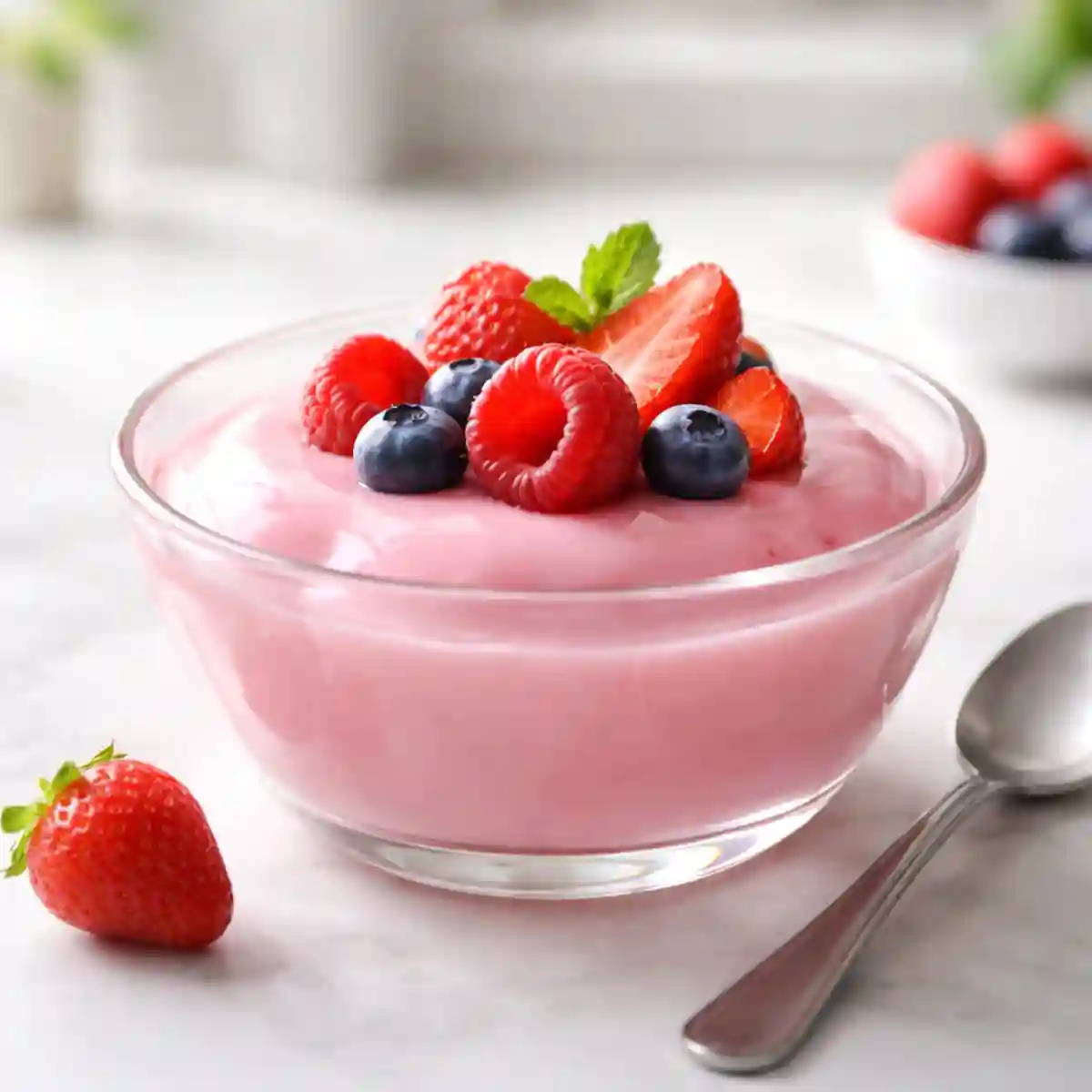
Lemon Mousse has this way of sounding sophisticated while secretly being one of the most refreshing desserts you can make at home. Maybe you have tasted it before at a dinner party. Maybe you ordered it at a restaurant and wondered how something so light could still feel so creamy. Or maybe you are just craving something citrusy that is not heavy like cake or overly sweet like frosting.
I remember the first time I made lemon mousse myself. I expected it to be complicated. Something technical. Something fragile. But what surprised me most was that it is not difficult, it is simply structured. When you understand how the lemon base, the whipped elements, and the chilling time work together, everything becomes clearer.
What most people want from a dessert like this is balance. Bright lemon flavor without sharp acidity. Creaminess without heaviness. Sweetness without overload. A properly made lemon mousse delivers exactly that. It feels airy on the spoon, smooth on the tongue, and leaves a clean citrus finish that makes you want another bite.
In this guide, we will build it step by step, focusing on texture, stability, and natural flavor. By the end, you will not just have a recipe. You will understand why it works.
Table of Contents
Table of Contents
Why This Lemon Mousse Is So Light and Creamy
A great Lemon Mousse is defined by contrast. It should taste bright but not sharp. It should feel creamy but not dense. And most importantly, it should feel light enough that you can finish your portion without feeling overwhelmed.
If you have ever tried a version that felt heavy or slightly rubbery, the issue was likely structural. This dessert depends on three key elements working together: a properly thickened lemon base, well whipped components, and gentle folding. Miss one of those steps, and the texture changes completely.
The Balance Between Citrus and Cream
The lemon base is where the flavor begins. Fresh juice brings acidity, while zest provides depth and aromatic intensity. But citrus alone is not enough. Sugar softens the sharp edges, and eggs create body. When gently cooked together, they form a smooth foundation that carries flavor evenly through every bite.
Cream adds silkiness and softness. It rounds out the acidity so the result feels fresh rather than aggressive. This balance is what transforms a simple citrus mixture into something refined.
What Makes the Texture So Airy
Air is introduced through whipped egg whites and cream. That air is what gives this dessert its lift. The key is whipping to stable peaks without going too far. Overwhipped components become grainy. Underwhipped ones create a flat result.
Folding matters just as much as whipping. Instead of stirring, you lift and turn the mixture carefully. This protects the air bubbles that create a cloudlike finish.
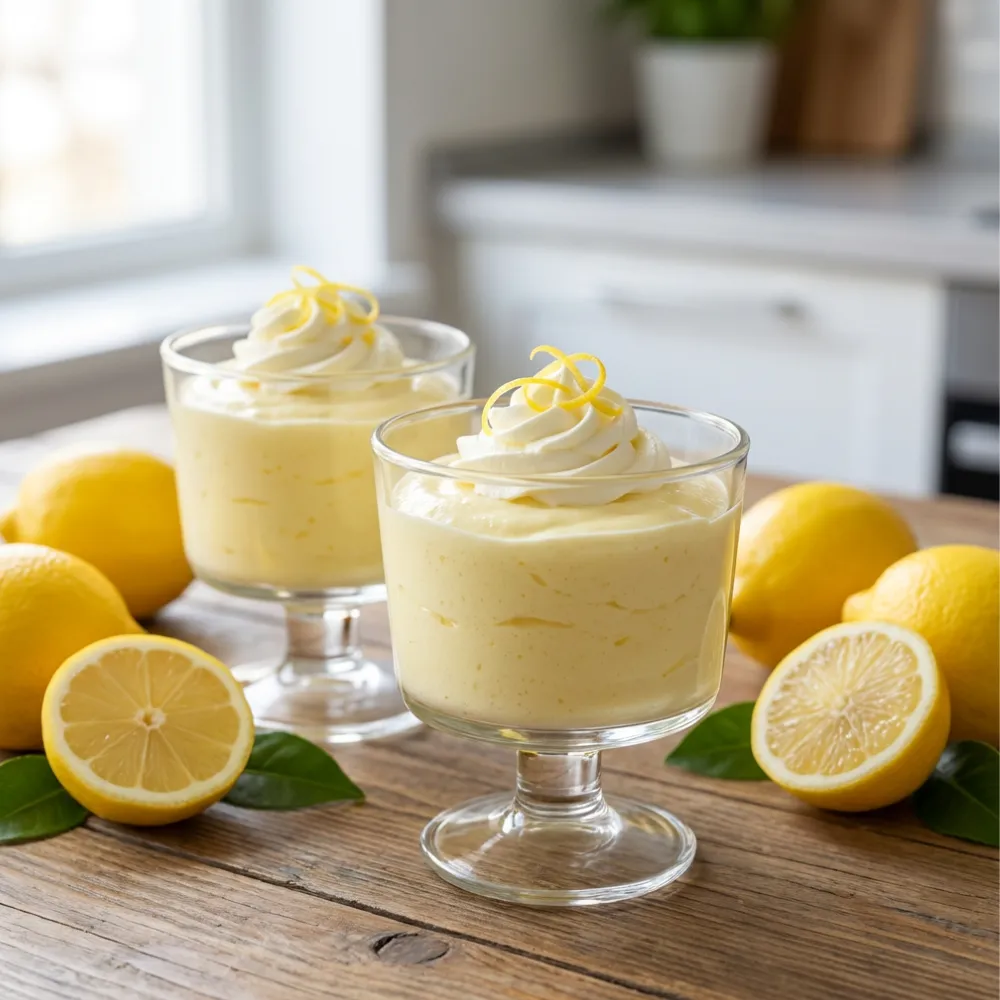
When done correctly, Lemon Mousse holds its shape yet melts softly on the spoon. It feels delicate, smooth, and refreshing all at once.
Ingredients for the Perfect Lemon Mousse
Every successful Lemon Mousse begins with understanding that this is a structured dessert. It may look effortless in a glass, but behind that airy texture is a careful balance of acidity, sweetness, fat, and air. When the ingredients are chosen well and handled correctly, the result feels light yet stable.
This is not about adding more components. It is about using the right ones with intention.
Choosing Fresh Lemons
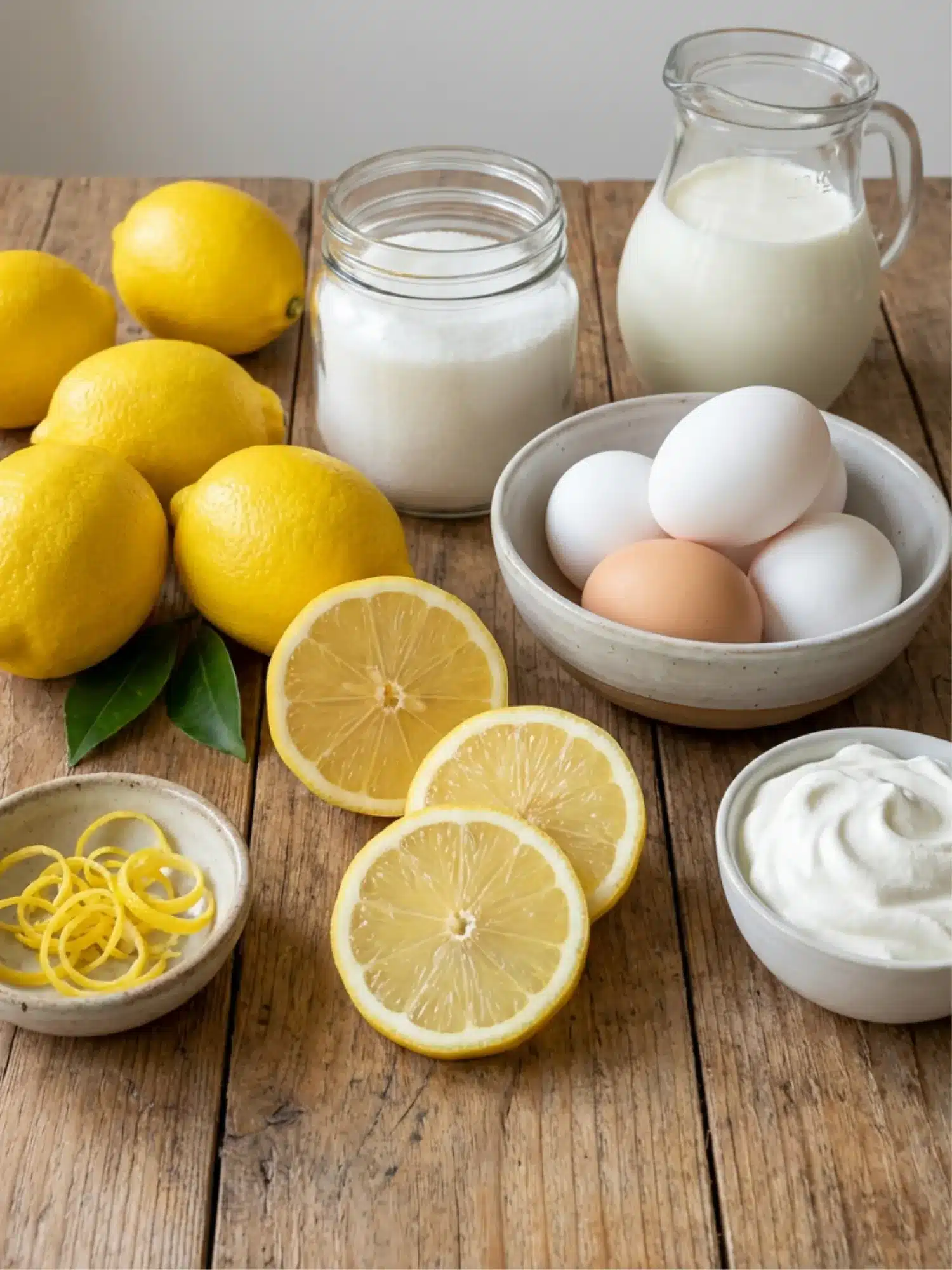
Fresh lemons are essential. Bottled juice often tastes flat or slightly bitter, while fresh juice delivers brightness and clarity. Even more important is the zest. The outer yellow layer contains aromatic oils that give depth and fragrance.
Look for lemons that feel heavy for their size. That usually means they contain more juice. Smooth skin often indicates freshness. Always zest before juicing. It is much easier and preserves the oils more effectively.
The combination of zest and juice creates layered citrus flavor instead of simple sharpness.
Creating a Stable Lemon Base
Eggs and sugar form the backbone of the mixture. When gently heated with lemon juice, they thicken into a custard-like base. This step builds structure before any air is introduced.
The texture should be thick enough to coat the back of a spoon. If it remains too thin, the final result may not set properly. Cooking slowly and whisking constantly prevents curdling and ensures smoothness.
Allow this base to cool completely before moving forward. Temperature control protects volume later in the process.
Cream and Aeration
Heavy cream adds richness and softness. It should be whipped until firm but still smooth. Overwhipping can create a grainy texture.
Egg whites introduce lift. When beaten to glossy peaks, they create the airy quality people expect. Folding them gently into the cooled base preserves that lightness.
When these ingredients work together properly, the texture becomes delicate yet stable, smooth yet structured.
How to Make Lemon Mousse Step by Step
Making Lemon Mousse is not complicated, but it does require attention to sequence. Each stage builds on the previous one. If you respect the order and give each step the time it needs, the final texture will be smooth, airy, and stable.
Think of it as building structure first, then adding lightness.
Prepare the Lemon Base
Start by whisking eggs, sugar, fresh lemon juice, and zest together in a heatproof bowl. Place the bowl over gentle simmering water and whisk constantly. The mixture will gradually thicken.
You are looking for a custard-like consistency. It should coat the back of a spoon and leave a clear line when you run your finger through it. This thickness is essential. If the base is undercooked, the dessert may not set properly.
Once thickened, remove from heat and allow it to cool completely. Do not rush this step. A warm base can collapse the air added later.
Whip the Egg Whites and Cream
In a clean bowl, beat the egg whites until soft peaks form. Gradually add sugar and continue beating until glossy, firm peaks develop. The peaks should stand upright without looking dry.
In a separate bowl, whip the heavy cream until firm but smooth. Stop before it becomes stiff or grainy.
Proper whipping creates the air that gives Lemon Mousse its signature light texture.
Fold Gently to Preserve Air
Add a portion of the whipped egg whites to the cooled lemon base and fold gently using upward motions. Once partially incorporated, add the remaining whites and repeat the process.
Fold in the whipped cream the same way. Move slowly and avoid stirring. The goal is to keep as much air as possible.
Transfer to serving dishes and refrigerate for at least one hour before serving. During chilling, the structure sets while the texture remains soft and delicate.

Lemon Mousse
Ingredients
Method
- In a heatproof bowl, whisk together eggs, yolks, sugar, lemon zest, juice, and salt. Place over simmering water and whisk continuously until thickened to a custard consistency. Remove from heat and cool completely.
- Beat egg whites until soft peaks form. Gradually add sugar and continue beating until glossy, firm peaks develop.
- In a separate bowl, whip heavy cream until firm but smooth peaks form.
- Fold egg whites into the cooled lemon base using gentle upward motions. Fold in whipped cream until fully incorporated without deflating the mixture.
- Transfer to serving dishes and refrigerate for at least one hour until set.
- Top with lightly sweetened whipped cream and optional zest or berries before serving.
Notes
| Nutrient | Amount |
| Calories | 320–350 kcal |
| Total Fat | 22 g |
| Saturated Fat | 13 g |
| Cholesterol | 170 mg |
| Carbohydrates | 28 g |
| Sugars | 24 g |
| Protein | 6 g |
| Sodium | 80 mg |
| Fiber | <1 g |
| Vitamin C | 15–20% DV |
Lemon Mousse vs Lemon Mousse Cake
Although they share similar flavors, Lemon Mousse and lemon mousse cake are quite different in texture, structure, and purpose. Choosing between them depends on the experience you want to create.
A spoonable citrus mousse is light, airy, and delicate. A cake version is layered, structured, and designed to hold clean slices. Both highlight fresh lemon flavor, but they deliver it in different ways.
Texture and Structure Differences
Lemon Mousse is built around aeration. Whipped egg whites and cream create lift, while the cooked lemon base provides gentle stability. The result is soft, smooth, and cloudlike. It should feel light on the spoon and melt easily on the tongue.
Lemon mousse cake, by contrast, includes sponge layers or a biscuit base. The mousse layer inside the cake is usually slightly firmer to support the structure. Sometimes gelatin is added to ensure clean slices. The overall texture feels more compact and layered.
If you are looking for something refreshing and delicate, the spoonable version is ideal. If presentation and slicing precision matter more, the cake format may be a better choice.
When to Choose Each Option
Choose the lighter preparation when:
- You want a fresh finish after a meal
- You prefer individual servings
- You want something that feels effortless
Choose the cake version when:
- You are planning a celebration
- You need a dessert that can be sliced cleanly
- You want multiple texture layers
Both options celebrate citrus brightness, but they serve different occasions. Understanding this distinction helps you select the right format for your table.
Creative Ways to Serve Lemon Mousse
Once your Lemon Mousse has chilled and set properly, presentation becomes the final touch that elevates it from simple dessert to something memorable. The texture is already light and smooth. How you serve it simply shapes the experience.
This is one of those desserts that adapts easily. It can feel casual or refined depending on the setting.
Individual Glass Cups
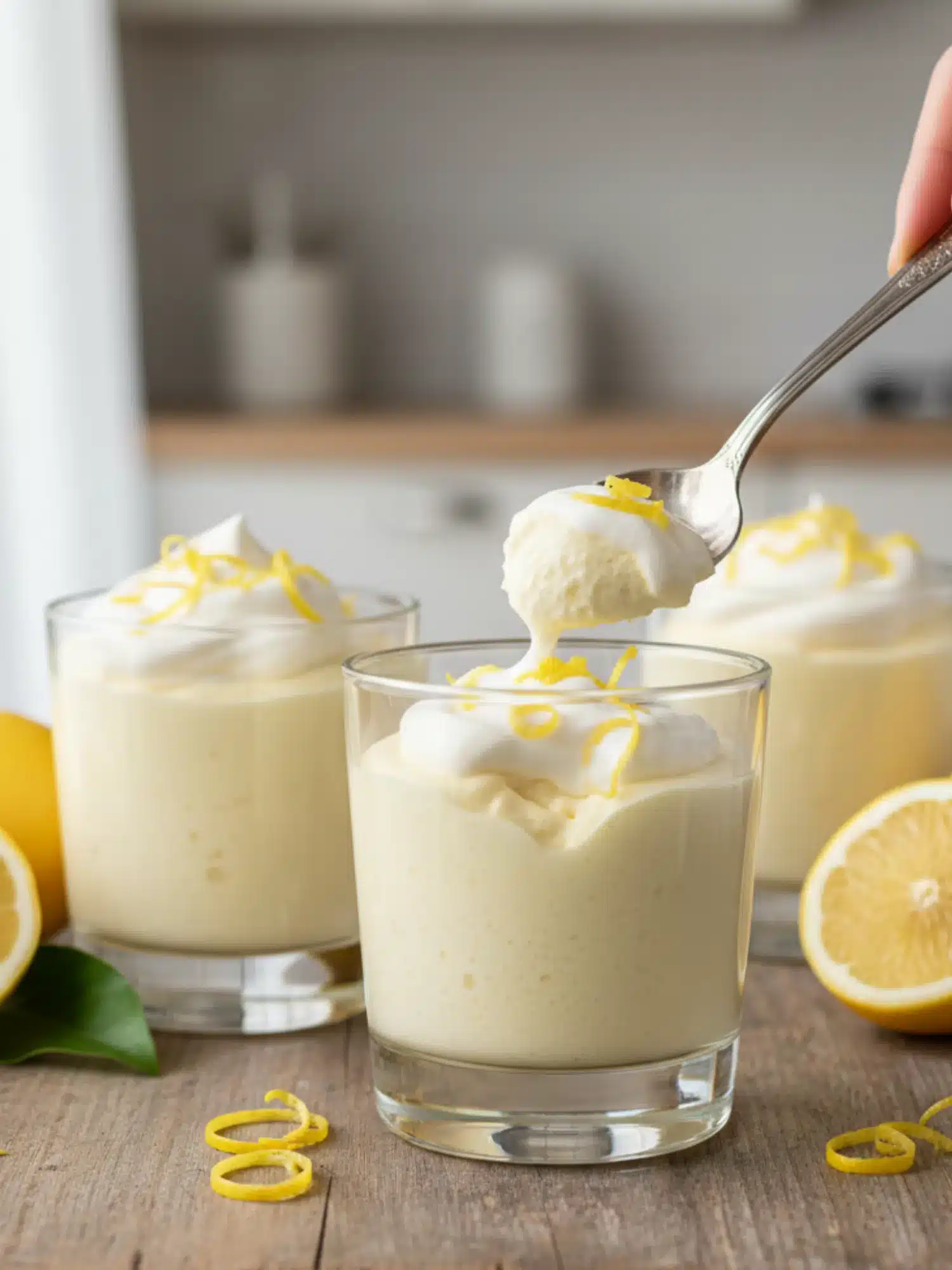
Serving it in small glass cups is the simplest and most elegant option. The pale yellow color and airy texture become part of the visual appeal. A small spoonful of lightly sweetened whipped cream on top adds contrast without overpowering the citrus flavor.
You can also add:
- Fresh raspberries or blueberries
- A thin strip of lemon zest
- Crushed shortbread at the base for subtle crunch
Individual portions help maintain structure since there is no slicing involved.
Layered Parfaits
For a more dynamic presentation, layer the citrus mixture with sponge cake pieces or fresh fruit. Alternate textures create interest while keeping the overall feel light.
A simple layering idea:
- Citrus mousse
- Fresh berries
- Soft cake cubes
- Another layer of mousse
This variation feels slightly more elaborate without requiring the structure of a full cake.
As a Filling or Component
It can also be used as a filling inside tart shells or layered between soft sponge cakes. When used this way, allow it to chill until slightly firmer before spreading.
In every format, the key is keeping the texture intact. Avoid excessive movement after it has set. The less it is disturbed, the more delicate and airy it remains.
Common Lemon Mousse Mistakes and How to Fix Them
Even when the method seems straightforward, small details can affect the final texture. A good Lemon Mousse depends on temperature, timing, and gentle handling. Most problems are easy to correct once you understand what caused them.
If something feels off, it is usually linked to structure rather than flavor.
Why Is the Texture Runny?
A loose result often comes from one of three issues:
- The lemon base was not cooked long enough
- The mixture was still warm when combined with whipped elements
- The cream or egg whites were under whipped
The base must thicken properly before cooling. It should resemble a soft custard, not a thin sauce. If it lacks body at this stage, it will not firm up later.
Cooling is just as important. Warm custard melts whipped components, reducing volume and stability.
Why Did It Turn Dense or Collapse?
Density usually happens during folding. Stirring too aggressively pushes out the air that gives this dessert its lift. Once that air is gone, the texture becomes heavy.
Over whipped egg whites can also cause collapse. If they look dry or clumpy, they will not integrate smoothly. Aim for glossy peaks that hold their shape without looking brittle.
Move slowly and stop folding once everything is incorporated. Overworking the mixture often leads to deflation.
Storage and Stability Tips
Keep it refrigerated and covered to prevent moisture loss or odor absorption. It holds well for up to three days when properly chilled.
For best texture, portion it before refrigeration. Avoid stirring or transferring after it has set. The less it is disturbed, the more delicate and airy it remains.
Nutrition Information
Understanding the nutritional profile of Lemon Mousse helps you enjoy it mindfully. While this dessert feels light and airy, it still contains cream, sugar, and eggs, which contribute to its richness. The values below are approximate and based on one serving, assuming the recipe yields 7 portions.
Actual numbers may vary depending on portion size, specific ingredients used, and whether optional toppings such as whipped cream are added.
Estimated Nutrition Per Serving
| Nutrient | Amount (Approximate) |
| Calories | 320–350 kcal |
| Total Fat | 22 g |
| Saturated Fat | 13 g |
| Cholesterol | 170 mg |
| Total Carbohydrates | 28 g |
| Sugars | 24 g |
| Protein | 6 g |
| Sodium | 80 mg |
| Fiber | <1 g |
| Vitamin C | 15–20% Daily Value |
Nutritional Notes
- The majority of calories come from heavy cream and egg yolks.
- Fresh lemon juice contributes vitamin C but in moderate amounts.
- Sugar content can be adjusted slightly if you prefer a less sweet version.
- Skipping the whipped cream garnish will reduce total fat and calories per serving.
Although this dessert is indulgent, its portion size and light texture often make it feel less heavy than baked alternatives. Enjoyed occasionally, it fits comfortably into a balanced diet.
Nutritional values are estimated based on standard ingredient data from the USDA FoodData Central database.
Conclusion
A well made Lemon Mousse proves that elegance does not have to mean complexity. When fresh citrus, proper structure, and careful folding come together, the result feels light, creamy, and naturally balanced. It is refreshing without being sharp, indulgent without feeling heavy.
What makes this dessert stand out is its versatility. It works in simple glass cups for a casual dinner, layered into parfaits for added texture, or used as a filling when you want something more refined. The foundation remains the same: a smooth lemon base, properly whipped components, and gentle handling.
If you respect the sequence and allow enough chilling time, the texture sets beautifully. The flavor deepens, the structure stabilizes, and the final result feels cohesive rather than fragile. Small details such as cooling fully before folding or avoiding overmixing make a noticeable difference.
This recipe is not about shortcuts. It is about understanding why each step matters. Once you master that balance, you gain confidence. And once you gain confidence, this becomes a dessert you return to often.
Light, fresh, and quietly impressive, Lemon Mousse remains one of the most satisfying ways to showcase the brightness of real lemons.
More Light & Refreshing Desserts to Try
- Viral Japanese Yogurt Cheesecake – Fluffy, tangy, and absolutely irresistible.
- Fresh Raspberry Tiramisu – Creamy layers with a fruity twist.
- Strawberry Cream Puffs – Airy pastries filled with whipped sweetness.
- Lemon Blueberry Cake – A zesty, moist treat for lemon lovers.
FAQs
1. Is Lemon Mousse safe if it contains egg whites?
It can be, depending on how you prepare it. Traditional versions use raw whipped egg whites for lightness. If that concerns you, there are simple alternatives. You can gently heat the egg whites with sugar before whipping to create a more stable meringue, or use pasteurized eggs. Some variations skip egg whites entirely and rely only on whipped cream, which creates a slightly denser but still smooth result.
2. Can I make Lemon Mousse ahead of time?
Yes, and it actually benefits from resting. Preparing it several hours in advance allows the structure to set fully and the citrus flavor to develop. Store it covered in the refrigerator for up to three days. For best texture, portion it before chilling so you do not disturb it later.
3. Why didn’t my Lemon Mousse set properly?
The most common reason is an undercooked lemon base. It needs to thicken to a custard-like consistency before cooling. Another cause can be folding the whipped elements into a warm mixture, which melts the structure. Proper cooling and gentle folding are essential for stability.
4. Can Lemon Mousse be frozen?
Yes, it can be frozen in airtight containers for up to a few months. The texture may become slightly firmer after thawing, but the flavor remains bright. Thaw slowly in the refrigerator for best results.
5. What is the difference between Lemon Mousse and lemon curd mousse?
Lemon curd mousse typically relies heavily on prepared lemon curd folded into whipped cream. It tends to be richer and slightly denser. A classic Lemon Mousse builds structure with a cooked lemon base and aeration, resulting in a lighter and more delicate texture.